Why Stainless Steel Grade Matters in Corrosive Environments
When you're fastening components in a corrosive environment—marine, chemical processing, or outdoor infrastructure—the grade of stainless steel you choose directly affects joint longevity and safety. Two common options are 316 stainless steel and 18/8 stainless steel. The key difference: 316 contains molybdenum, which provides superior resistance to chlorides and acids compared to 18/8 (also known as type 304). For the highest corrosion resistance, especially in saltwater or chemical exposure, 316 is the better choice.
But grade is only part of the decision. You also need to consider thread coverage, drive type, and whether the fastener is partially or fully threaded. Below we compare two real products from Mutual Screw & Supply to illustrate the tradeoffs.
316 vs 18/8: Two Stainless Steel Fasteners Compared
The following table highlights the main differences between a 316 stainless steel heavy hex cap screw and an 18/8 stainless steel socket cap screw. Use this to match the fastener to your specific corrosion risk and assembly method.
- Material: 316 Stainless Steel (product 1269940) vs 18/8 Stainless Steel (product 1262326). 316 provides better resistance to chlorides and acids; 18/8 is adequate for indoor and mild outdoor use.
- Thread Coverage: The 316 screw is partially threaded (1-1/8-7 x 5-1/2"), ideal for applications where the unthreaded shank provides shear strength or alignment. The 18/8 screw is fully threaded (M12-1.75 x 120mm), offering maximum grip length and clamping force.
- Drive Type: The 316 screw uses a hex head for wrench or socket drive—common for heavy machinery and structural bolting. The 18/8 screw uses a hex socket drive (Allen key), which allows access in recessed or tight spaces.
- Measurement System: The 316 screw is inch-based (1-1/8-7), while the 18/8 screw is metric (M12-1.75). Ensure your project's blueprint or mating hardware uses the same system.
- Pack Quantity: The 316 screw comes in a pack of 2 (suitable for smaller repairs or custom builds), while the 18/8 screw comes in a pack of 25 (better for production or multiple fasteners).
Product Evidence: 316 Stainless Heavy Hex Cap Screw
-
1-1/8-7 X 5-1/2" Heavy Hex Cap Screws | 316 Stainless Steel | Partially Threaded (2 / Pkg.): 316 Stainless Steel hex head cap screw, partially threaded, size 1-1/8-7 x 5-1/2", pack of 2. For corrosive environments where strength and corrosion resistance are critical, 316 stainless provides the best protection. The partially threaded design allows the unthreaded shank to act as a dowel, improving shear load capacity.
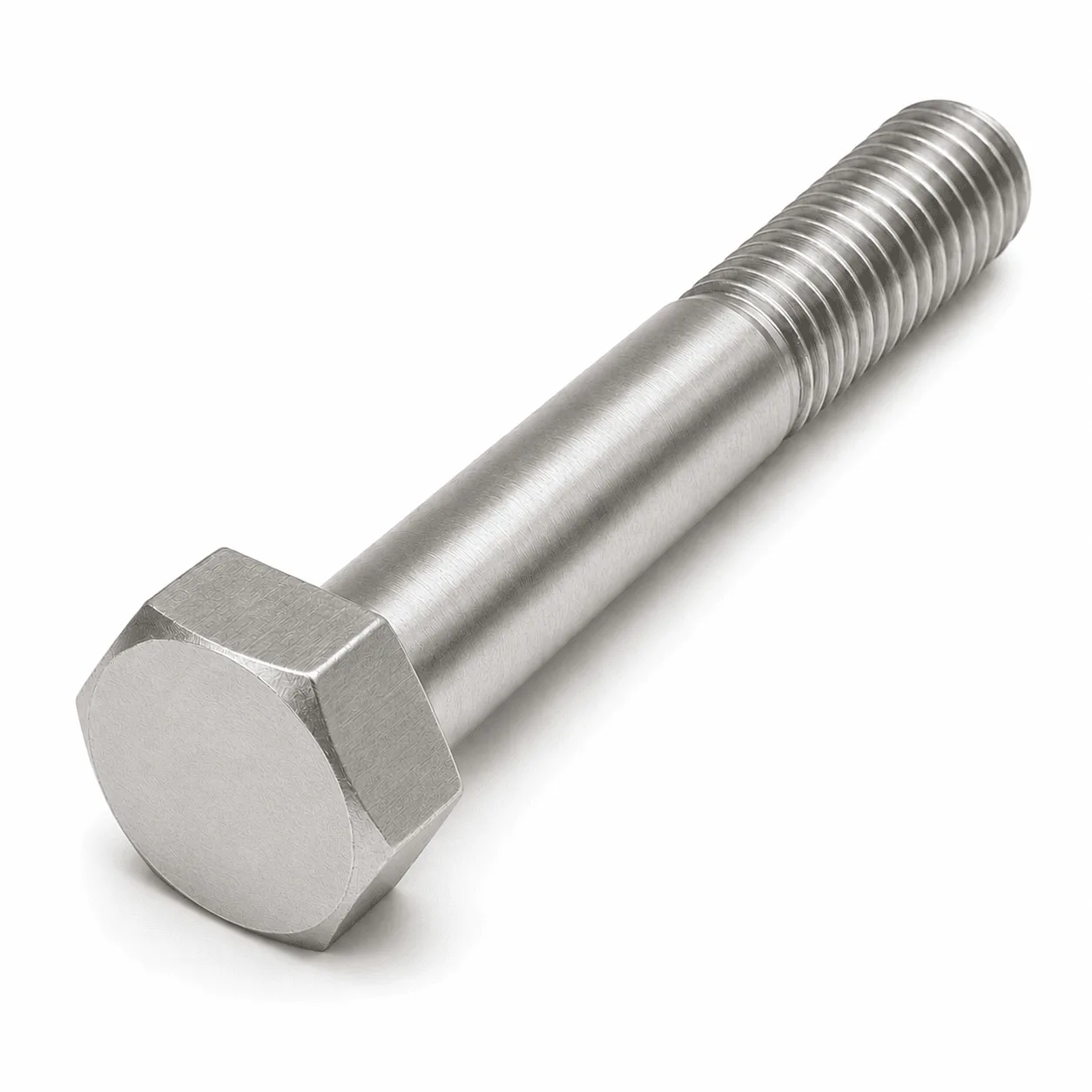
1-1/8-7 X 5-1/2" Heavy Hex Cap Screws | 316 Stainless Steel | Partially Threaded (2 / Pkg.)
Product Evidence: 18/8 Stainless Socket Cap Screw
-
M12-1.75 X 120mm Socket Cap Screws | Hex Socket Drive | Fully Threaded | 18/8 Stainless Steel (25 / Pkg.): M12-1.75 x 120mm socket cap screw, 18/8 Stainless Steel, fully threaded, hex socket drive, pack of 25. 18/8 stainless is a cost-effective choice for less aggressive corrosive environments (e.g., indoor machinery, tooling). The fully threaded design gives you maximum clamping adjustability, and the hex socket drive is ideal for recessed or confined spaces.
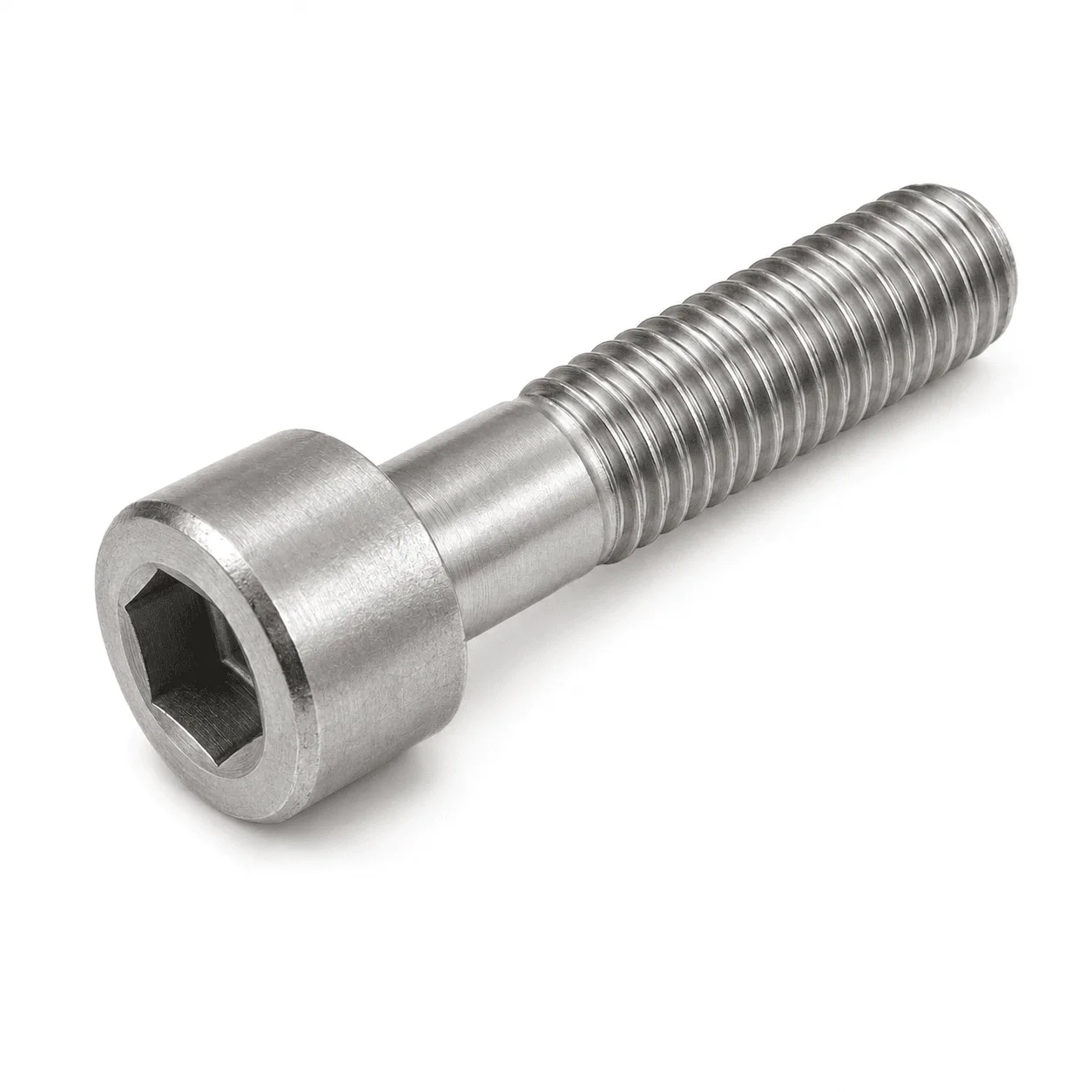
M12-1.75 X 120mm Socket Cap Screws | Hex Socket Drive | Fully Threaded | 18/8 Stainless Steel (25 / Pkg.)
How to Match Thread Size and Drive to Your Application
Thread size determines compatibility with nuts, tapped holes, and torque specifications. The 1-1/8-7 thread of the heavy hex cap screw is a coarse thread, common in structural and heavy equipment. The M12-1.75 thread is a standard metric coarse thread, widely used in machinery and precision assemblies.
Drive type affects installation access and torque control. Hex head screws (like the 316 example) are best when you have clear wrench access and need high torque. Socket cap screws (like the 18/8 example) work well in tight spots but require a hex key or bit. If you're working in a confined area, socket drive is often more convenient.
Also consider thread coverage. Partially threaded screws (like the 316) leave a plain shank that can act as a locating pin or increase shear strength. Fully threaded screws (like the 18/8) allow you to adjust clamping depth and are easier to cut to length if needed.
What the Catalog Does Not Tell You
The supplied records confirm material, size, and thread coverage, but do not include certified tensile strength, recommended torque values, or specific chemical resistance data. For applications requiring precise load ratings or exposure limits, consult the manufacturer's technical documentation or a qualified engineer. Also, the catalog does not state whether these fasteners are passivated or if they meet any specific industry standards (e.g., ASTM A193 or A320). If compliance is required, verify with the supplier before ordering.