Quick answer
For most swimming and water sports, a built-in mesh lining or a separate quick-drying brief gives the best balance of support and airflow. Choose trunks or boxers under swim shorts only when you want more coverage or a looser feel, and accept that they dry more slowly.
Start with your activity, not the label
The right lining depends on what you are doing in the water. Lap swimming and beach volleyball involve repeated movement and chafing risk, so a close-fitting brief or a supportive mesh lining keeps everything in place. Casual wading, sunbathing, and walking to and from the water tolerate a looser trunk or boxer. If you split your time between swimming and lounging, pick the lining that handles the most demanding part of your day and adjust your swim shorts accordingly.
Match support level to the shorts you already own
Swim shorts come in three common lining setups: a built-in mesh brief, a built-in soft brief, or no lining at all. Mesh dries fast and provides light support but can feel scratchy against sensitive skin. A soft brief lining feels smoother but holds more water. Unlined shorts give you the freedom to choose your own underwear underneath, which is where a quick-drying brief, trunk, or boxer comes in. Check the waistband and leg openings of your shorts: a loose fit needs more support from the lining, while a snug fit can handle a lighter option.
Decide between briefs, trunks, and boxers
Briefs offer the most support and the least fabric, so they dry quickly and stay put during dives and turns. Trunks add a few inches of coverage on the thigh, which reduces chafing for some body types but takes longer to dry. Boxers give the loosest fit and the most coverage, but the extra fabric can bunch, hold water, and feel heavy when wet. If you are choosing what to wear under swim shorts, think about how much fabric you are willing to manage when it is soaked.
Check the fabric and drying time
Quick-drying fabrics matter more than the cut name. Look for lightweight synthetic blends or fine modal cotton that releases water fast. Heavy cotton stays damp and can cause chafing on the walk home. If you wear underwear under unlined swim shorts, avoid everyday cotton briefs for swimming; choose a pair designed to dry quickly and hold its shape. The same logic applies to a built-in lining: mesh is the fastest-drying common option, while solid fabric linings take longer.
Test the fit before you commit
A lining that rides up or digs in will ruin a swim regardless of the style name. Put on your swim shorts with the intended lining and do a few squats, leg lifts, and a simulated swim stroke. The waistband should stay level without cinching, and the leg openings should not cut into the groin or thigh. If you feel fabric bunching at the back, the lining is either too loose or the wrong cut for your body. Adjust the size before you get in the water, because wet fabric behaves differently.
Step-by-step: choose your swimwear lining
- Identify your main water activity: List whether you will be swimming laps, playing beach sports, or mostly lounging. The most active part of your day sets the minimum support you need. If you swim laps, prioritize a brief or mesh lining; if you lounge, a trunk or boxer is acceptable.
- Check your swim shorts for a built-in lining: Look inside the waistband for a mesh or fabric brief. If one is present, decide whether it provides enough support or whether you will wear underwear instead. Never wear heavy cotton underwear under a built-in lining; it traps water and causes chafing.
- Choose a cut: brief, trunk, or boxer: Pick briefs for maximum support and fast drying, trunks for a bit more thigh coverage, or boxers for a loose feel. Remember that more fabric means slower drying and more bunching when wet. For most swimming, a brief or trunk is the practical middle ground.
- Verify the fabric dries quickly: Choose a quick-drying synthetic blend or fine modal cotton. Avoid standard cotton, which stays damp and heavy. Squeeze a damp corner of the fabric; if water drips out easily, it will dry faster.
- Do a movement test before swimming: Put on the shorts and lining, then squat, lift your knees, and mimic a swim stroke. Check that the waistband stays put and leg openings do not ride up or dig in. If you feel bunching or pinching, size up or switch to a different cut before getting in the water.
HOM underwear that works as a swim lining
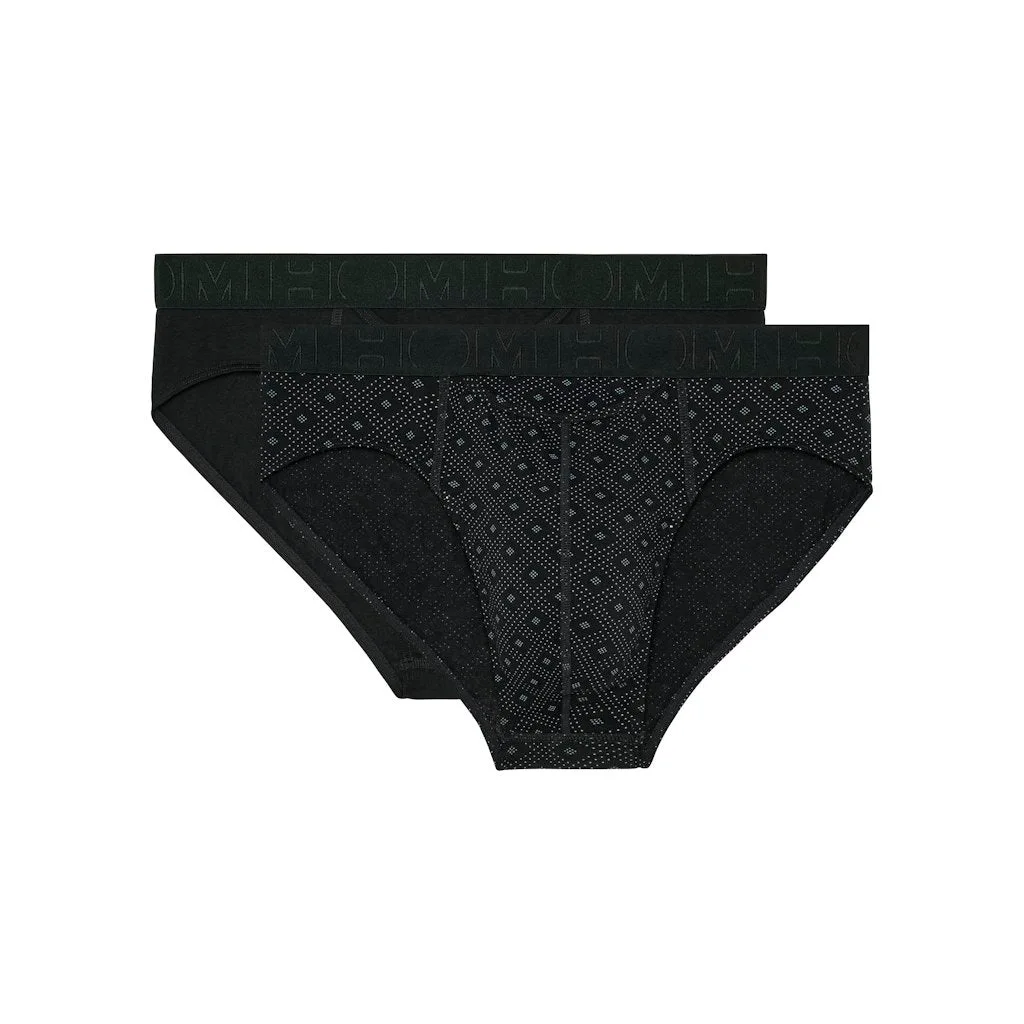
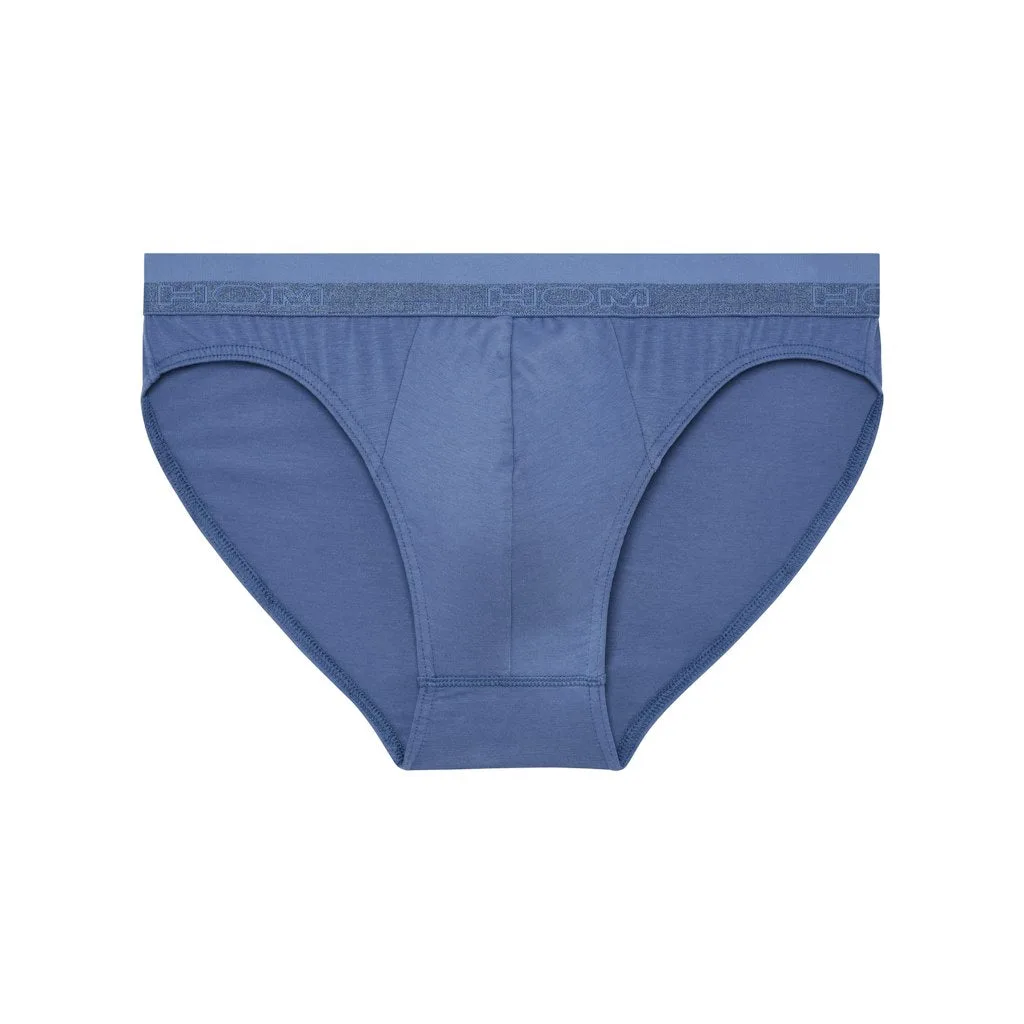
- Neels #2 Mini Briefs HO1 2-Pack | Black/Black Print 403103-D042: Choose the HO1 NEELS #2 set of 2 mini briefs for comfort and practicality. In your underwear box, you'll find 2 elegant briefs: one in timeless black and one with a refined polka-dot pattern. Both feature the HO1 horizontal opening, HOM's signature since 1997. The mini brief cut gives close support under unlined swim shorts, and the two-pack lets you keep one pair dry while the other dries.
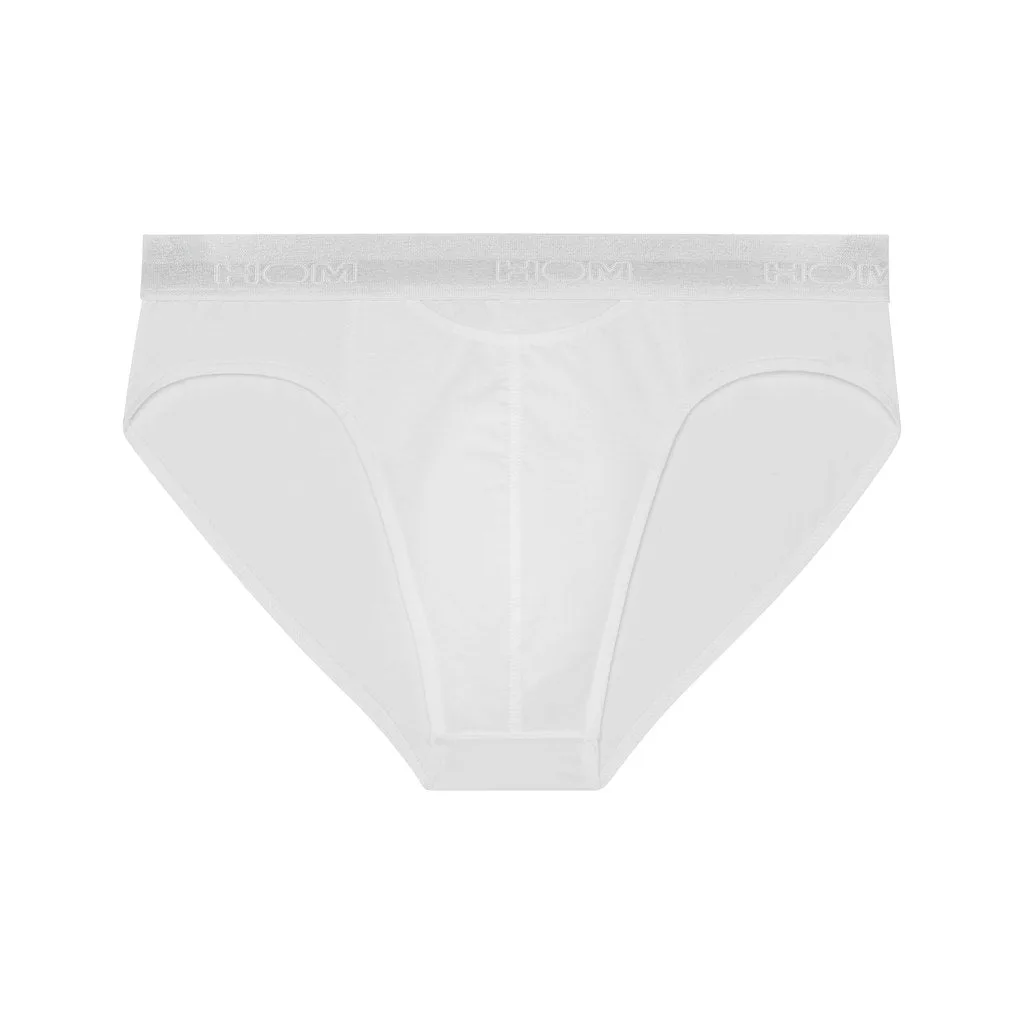
- Ho1 Mini Briefs HO1 | White 359521-0003: Designed for those seeking comfort and practicality, these basic briefs are an everyday essential. Made from particularly soft modal cotton, they feature the emblematic HO1 horizontal opening and provide excellent support all day long. Soft modal cotton feels smooth against skin, and the brief shape stays in place during swimming and water sports.
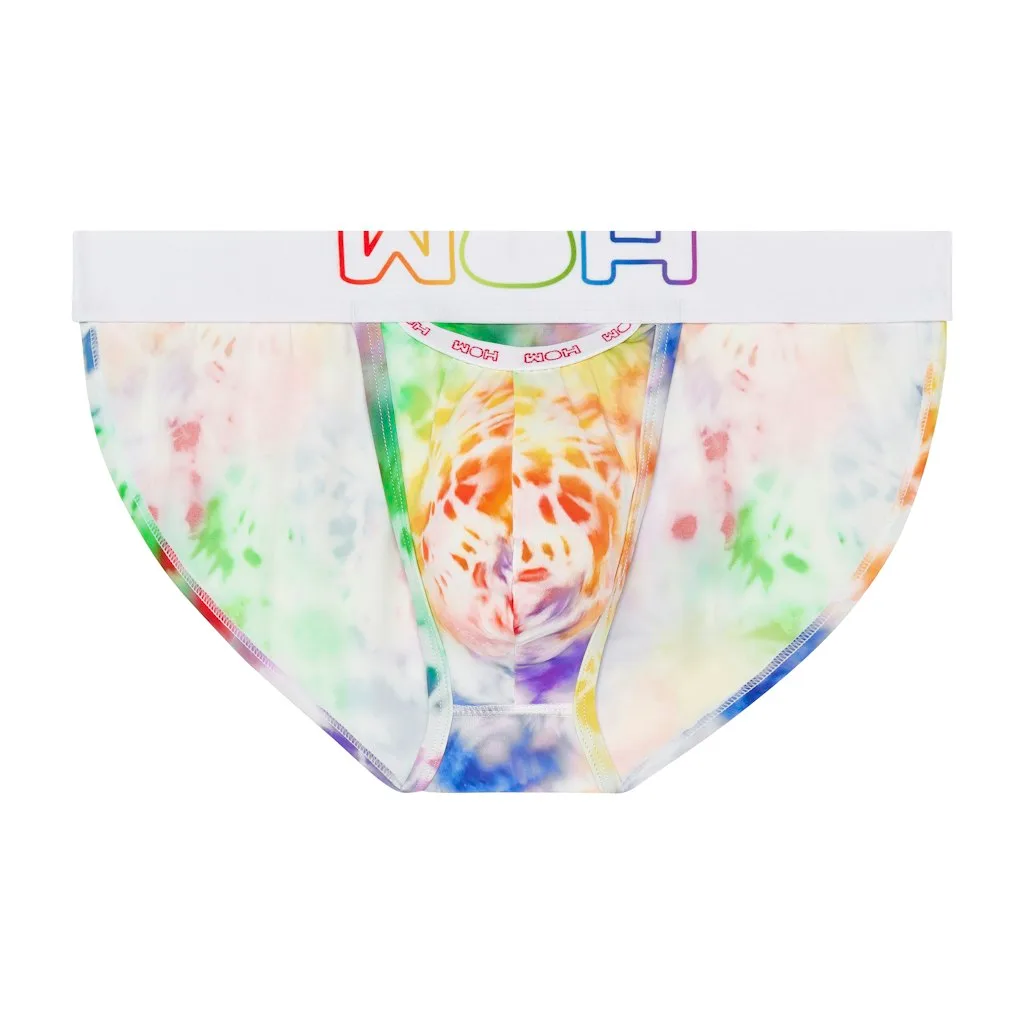
- Sexy Fun Tanga Briefs | Multico Print 463057-P023: The Sexy Fun tanga reveals the thighs while covering the essentials, offering a sexy and provocative silhouette. The horizontal opening at the front allows for easy access without compromising on style. Fun and sensual underwear inspired by the colors of the rainbow. A tanga cut minimizes fabric for quick drying and less bunching under snug swim shorts, though it offers less coverage than a brief.