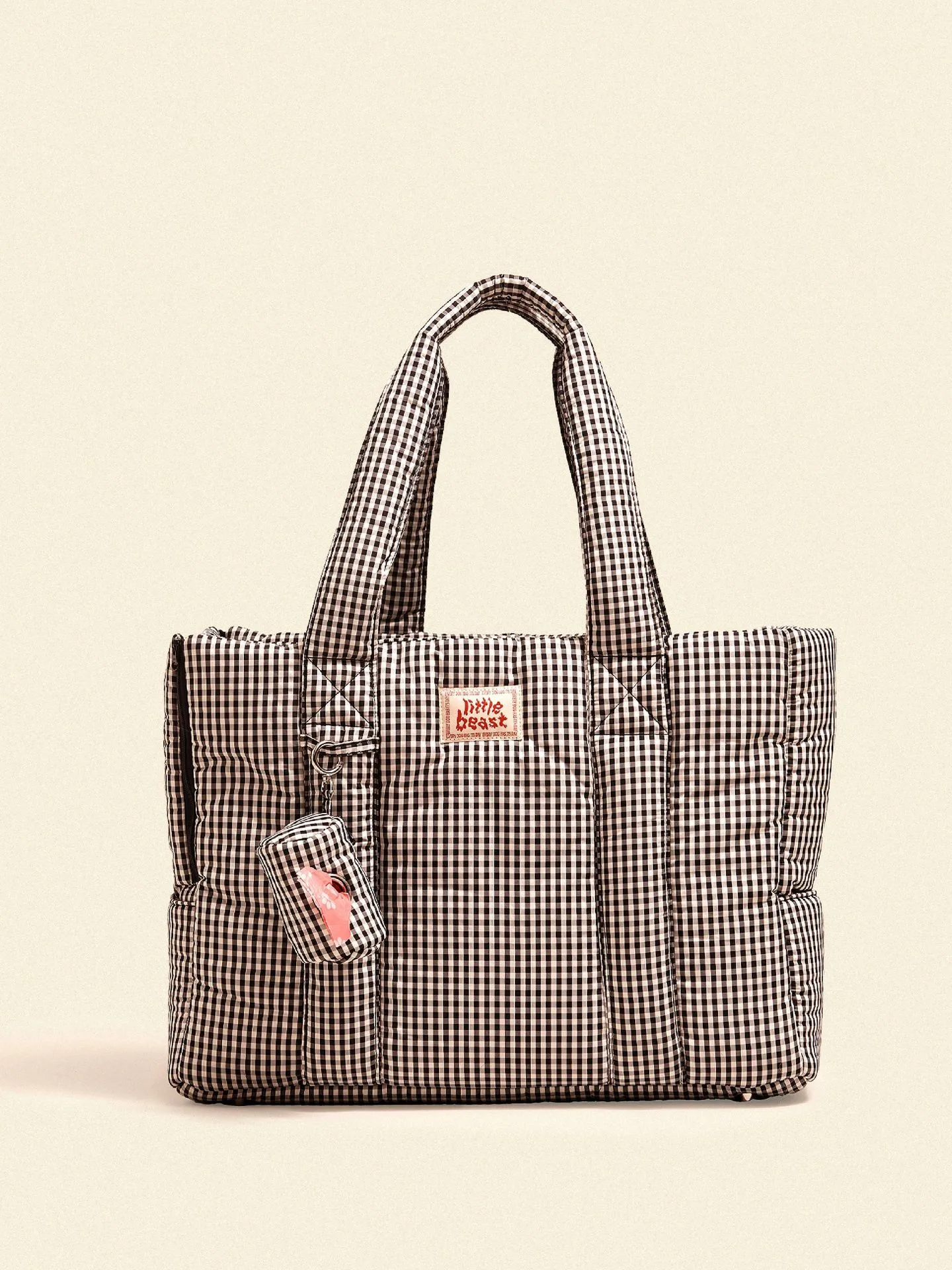
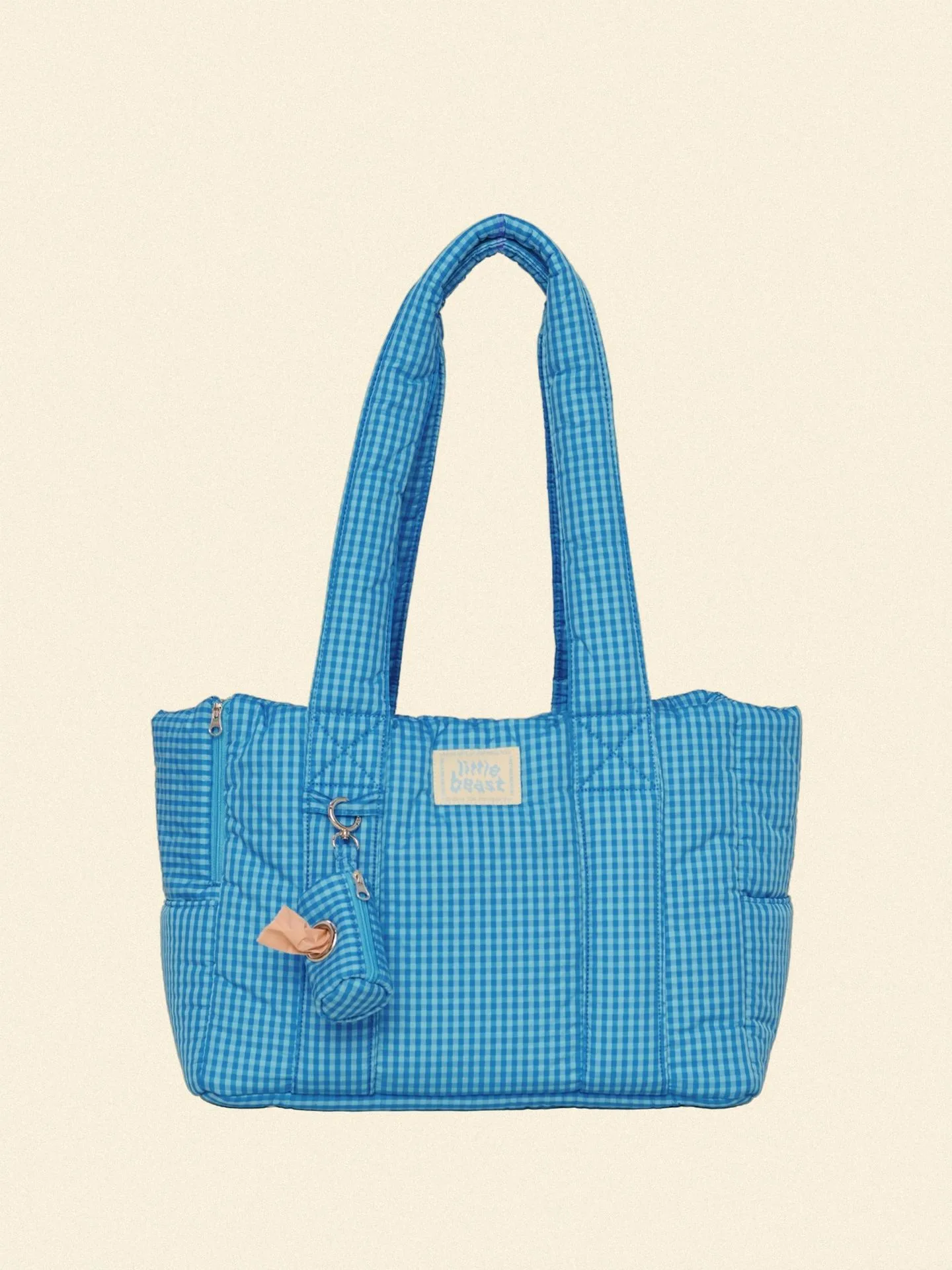
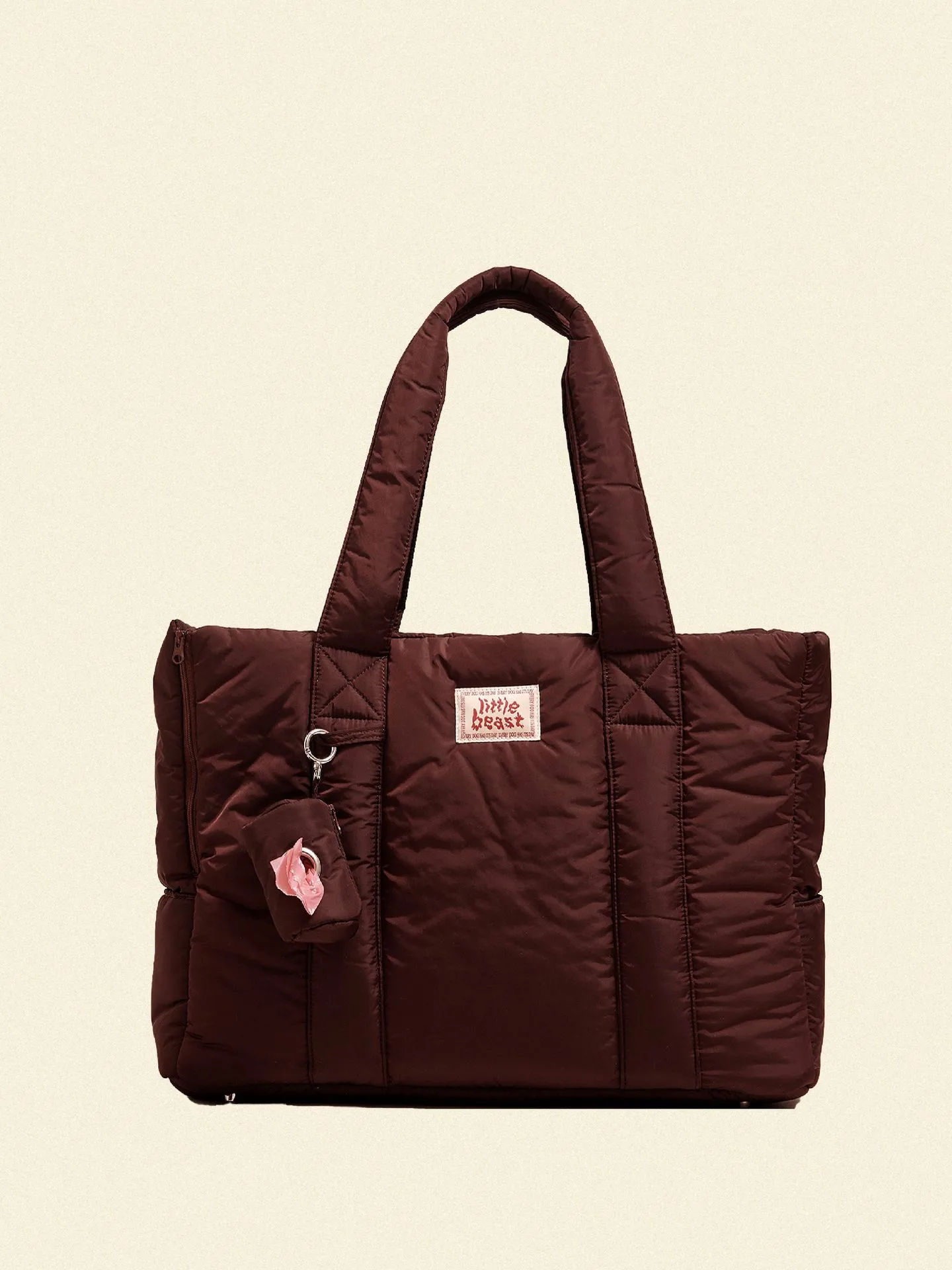
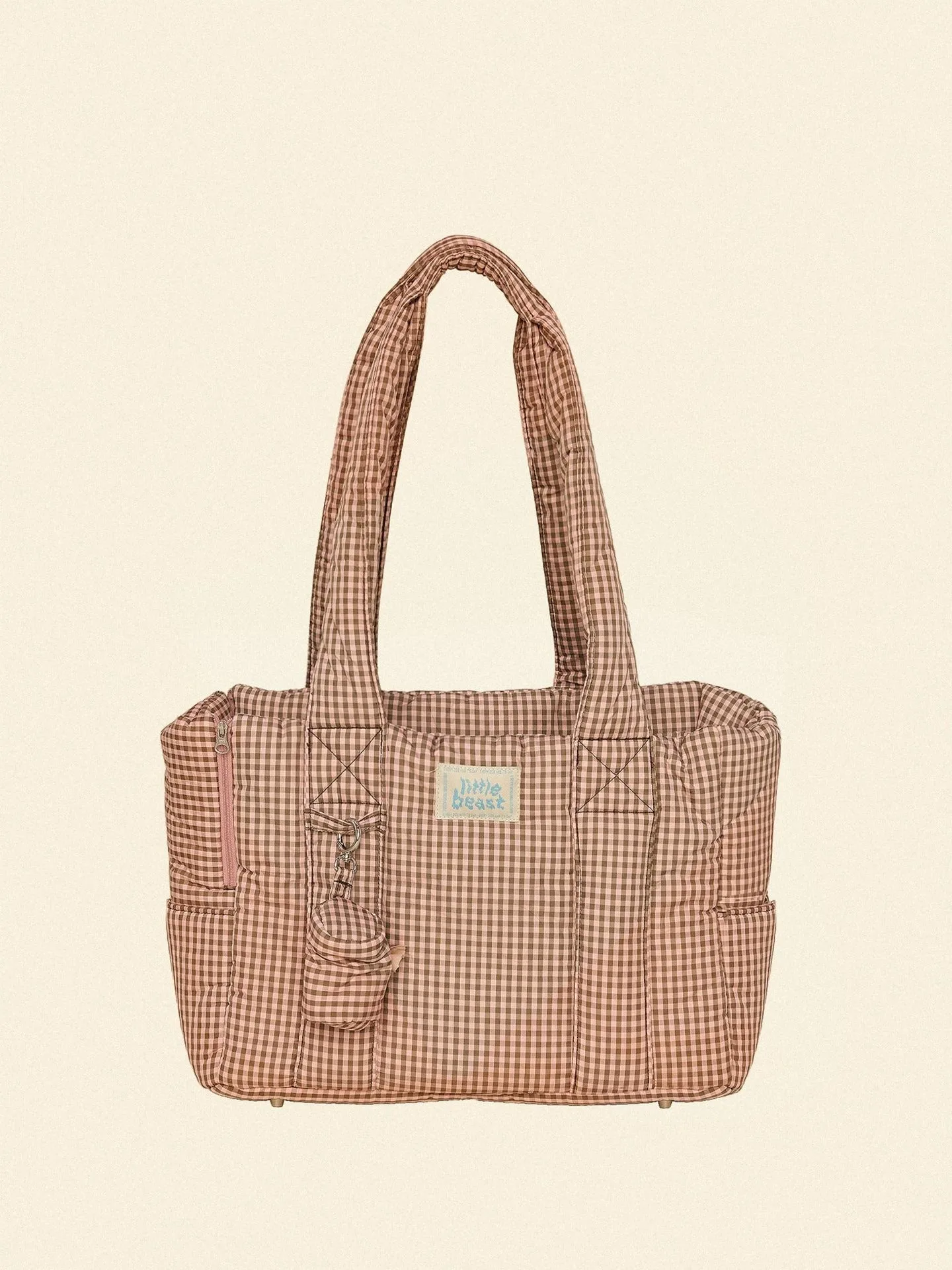
Traveling by car with your dog is one of life's simple pleasures—until a sudden stop or sharp turn turns a happy ride into a stressful one. Whether you're heading to the vet, the park, or a cross-country adventure, choosing the right dog carrier for car travel is essential for both safety and comfort. A loose dog can become a dangerous projectile in a collision, while a poorly designed carrier can cause anxiety or overheating. This guide walks you through the key factors to consider when picking the best dog carrier for car rides, so you and your furry friend can enjoy the journey with peace of mind.
From crash-test certifications to breathable fabrics and easy installation, the perfect car carrier balances protection with coziness. We'll cover safety standards, sizing tips, and comfort features that make a real difference. Plus, we'll highlight some stylish options from Little Beast that double as travel-friendly gear—because your pup deserves to look good while staying secure.
Why a Dedicated Dog Carrier for Car Travel Matters
Many pet owners assume that letting their dog roam freely in the back seat is fine, but the reality is different. In a 30 mph crash, an unrestrained 10-pound dog can generate roughly 300 pounds of force—enough to injure both the dog and passengers. A proper dog carrier for car travel acts like a seatbelt, keeping your pet contained in a safe zone. It also prevents distractions, reduces motion sickness, and provides a familiar den-like space that lowers anxiety during long drives.
Beyond safety, a carrier protects your car's interior from muddy paws, shedding fur, and accidental spills. Look for models with non-slip bases, sturdy handles, and secure attachment systems that anchor to the seat belt or LATCH system. The best carriers are those that have been dynamically crash-tested by independent labs—a gold standard that many budget options lack.
- Always check for crash-test certifications like those from Center for Pet Safety (CPS) or similar third-party organizations.
Key Safety Features to Look For in a Car Dog Carrier
When shopping for the safest dog carrier for car, prioritize structural integrity. Hard-sided carriers with reinforced corners and metal hardware offer the most protection, but soft-sided carriers with dense foam padding and strong zippers can also be safe if properly tested. Look for carriers that include a tether or clip to attach to your dog's harness (never a collar) to prevent ejection in a crash. The tether should be short enough to limit movement but long enough for your dog to stand and turn around comfortably.
Ventilation is another critical safety factor. Mesh panels on multiple sides ensure constant airflow, even if the carrier is placed in a rear seat with limited circulation. Avoid carriers with small, poorly placed windows that can overheat your dog on warm days. Additionally, reflective trim or bright colors improve visibility if you ever need to exit the vehicle on a busy road. The You Mean The World To Me Collar - Silver adds a touch of visibility and style, but for the carrier itself, choose a design that prioritizes airflow and secure closures.
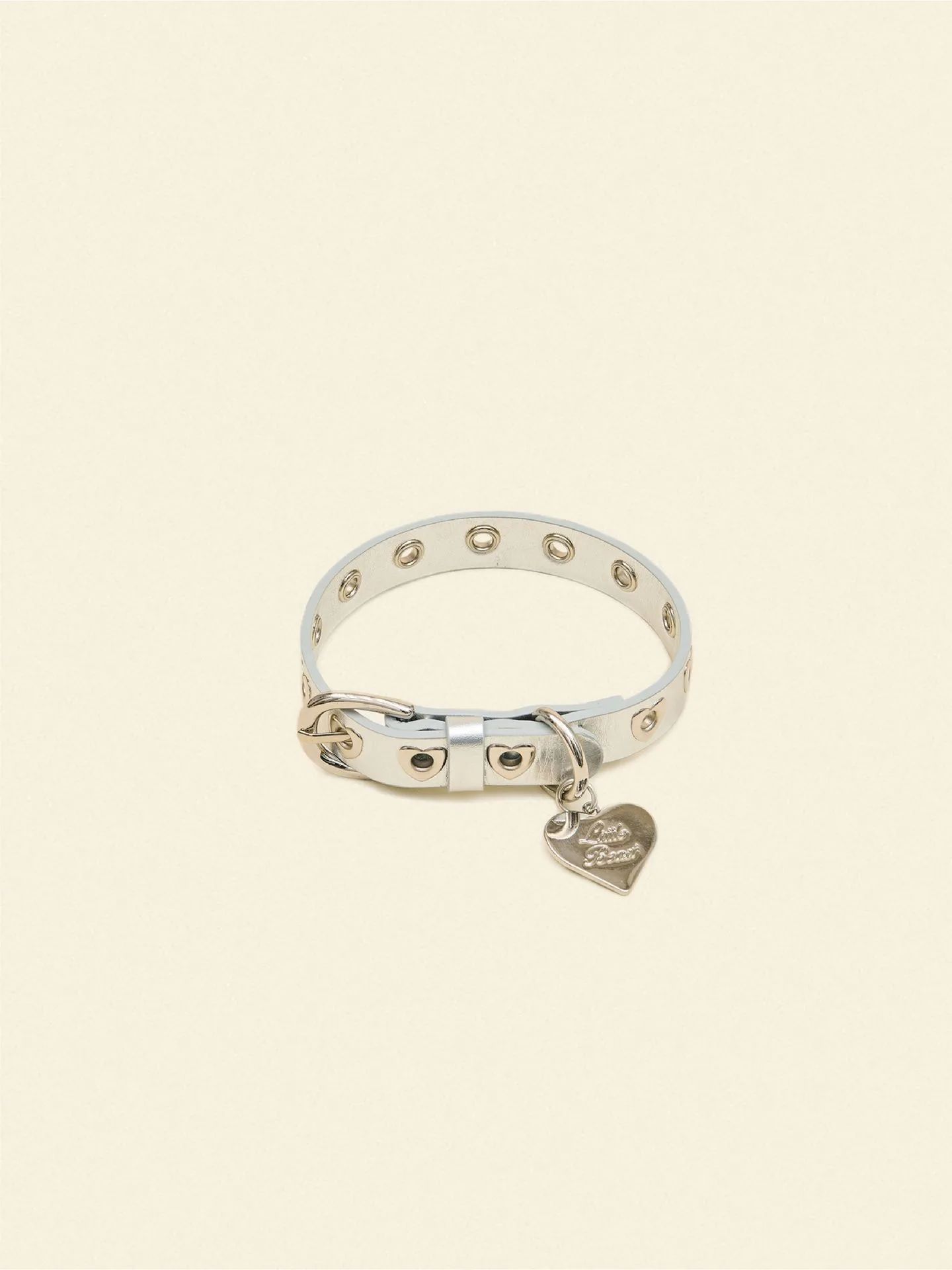
You Mean The World To Me Collar - Silver
- Measure your dog's height and length while standing—not just weight—to ensure they can sit, stand, and lie down inside the carrier.
Comfort Considerations for Long Car Rides
Comfort goes hand in hand with safety. A dog that feels cramped or uncomfortable will whine, pant, or try to escape, which can distract the driver. Look for carriers with plush, removable bedding that can be washed after muddy adventures. Memory foam or quilted padding provides pressure relief for older dogs or those with joint issues. The Pineapple Express Fleece Onesie is a great example of cozy loungewear that can be worn inside the carrier to keep your pup warm without overheating.

Pineapple Express Fleece Onesie
Temperature regulation is key. Choose carriers with breathable mesh on at least two sides, and avoid placing the carrier in direct sunlight. Some carriers come with built-in cooling pads or insulated compartments for water bottles. For smaller breeds, a carrier that doubles as a tote bag is convenient for quick trips, but ensure it still has a secure seat belt loop. The Little Beast Poop Bag Tote - Camo is a practical accessory for travel, but for actual car use, a dedicated carrier with proper anchors is safer.
- Test the carrier in your car before a long trip—place it in different seats to find the most stable position.
Sizing Your Dog for the Perfect Carrier Fit
Getting the right size is the most common mistake pet owners make. A carrier that's too small restricts movement and can cause breathing issues, while one that's too large allows your dog to slide around dangerously. Measure your dog from the tip of the nose to the base of the tail (length) and from the floor to the top of the head (height) while they are standing. Add 2-3 inches to both measurements for wiggle room. Also measure chest girth to ensure the carrier is wide enough.
Most brands provide size charts based on weight, but these are only guidelines. A long-bodied dachshund may need a larger carrier than a similarly weighted bulldog. Always check the interior dimensions and compare them to your dog's measurements. If your dog is still growing, choose a carrier with adjustable straps or a slightly larger size, but never so large that your dog can't brace against the walls during a turn. The U+Me Sweater is a cozy layer that can be worn under a harness inside the carrier without adding bulk.
- Bring your dog's favorite blanket or toy inside the carrier to create a positive association with car travel.
Top Styles of Dog Carriers for Car Travel
Dog carriers for car travel come in several styles, each suited to different needs. Bucket-style carriers are popular for small dogs—they sit on the seat and wrap around the headrest, offering a cocoon-like feel. Backpack carriers are great for multi-modal trips (car to hiking trail), but they must have a seat belt pass-through for car use. Soft-sided carriers with top-loading access make it easy to place your dog inside without lifting them over a front zipper.
For larger dogs, a crash-tested harness combined with a car hammock may be a better option than a traditional carrier. However, for dogs under 25 pounds, a well-constructed soft-sided carrier with a tether is often the most practical choice. Look for carriers with padded shoulder straps if you plan to carry your dog outside the car. The Royal Fleece Onesie offers extra warmth for small breeds traveling in cooler climates, and it pairs well with any carrier that has ample ventilation.
- Check that the carrier's seat belt loops are wide enough to fit your car's seat belt buckle without twisting.
Choosing the right dog carrier for car travel doesn't have to be overwhelming. Focus on crash-test certifications, proper sizing, and comfort features like breathable mesh and removable padding. A secure carrier turns every drive into a safe adventure for both you and your pup. For added coziness on the road, consider pairing your carrier with the Pineapple Express Fleece Onesie—your dog will travel in style and comfort.