The holiday season is upon us, and for many home cooks, that means one thing: roasting. Whether you're preparing a golden turkey for Thanksgiving, a succulent prime rib for Christmas, or a tray of caramelized root vegetables for a festive side, the centerpiece of your meal likely comes from the oven. And the unsung hero of that operation is the https://kindaero.store/products/roasting-pan-97162roasting pan. Choosing the right one can mean the difference between a perfectly browned bird with rich, drippings-based gravy and a dried-out, unevenly cooked disappointment.
With so many options on the market—stainless steel, non-stick, enameled cast iron, with or without racks—it's easy to feel overwhelmed. This guide will walk you through everything you need to know to select the best roasting pan for your holiday cooking. From material science to size considerations and must-have features, we'll help you make an informed choice that will serve you for years to come. And if you're looking to upgrade your entire cookware collection, consider pairing your new roasting pan with a high-quality set like the https://kindaero.store/products/stainless-set-97141https://kindaero.store/products/stainless-set-97228Stainless Set for consistent performance across all your stovetop and oven cooking.
Why the Right Roasting Pan Matters
A roasting pan is more than just a large baking dish. Its design directly impacts heat distribution, moisture retention, and the quality of your final dish. A good pan promotes even browning, prevents sticking, and allows you to create a flavorful fond—the browned bits stuck to the bottom that form the base of your gravy. A poor pan can lead to hot spots, burnt drippings, and a turkey that's dry on the outside and undercooked in the center.
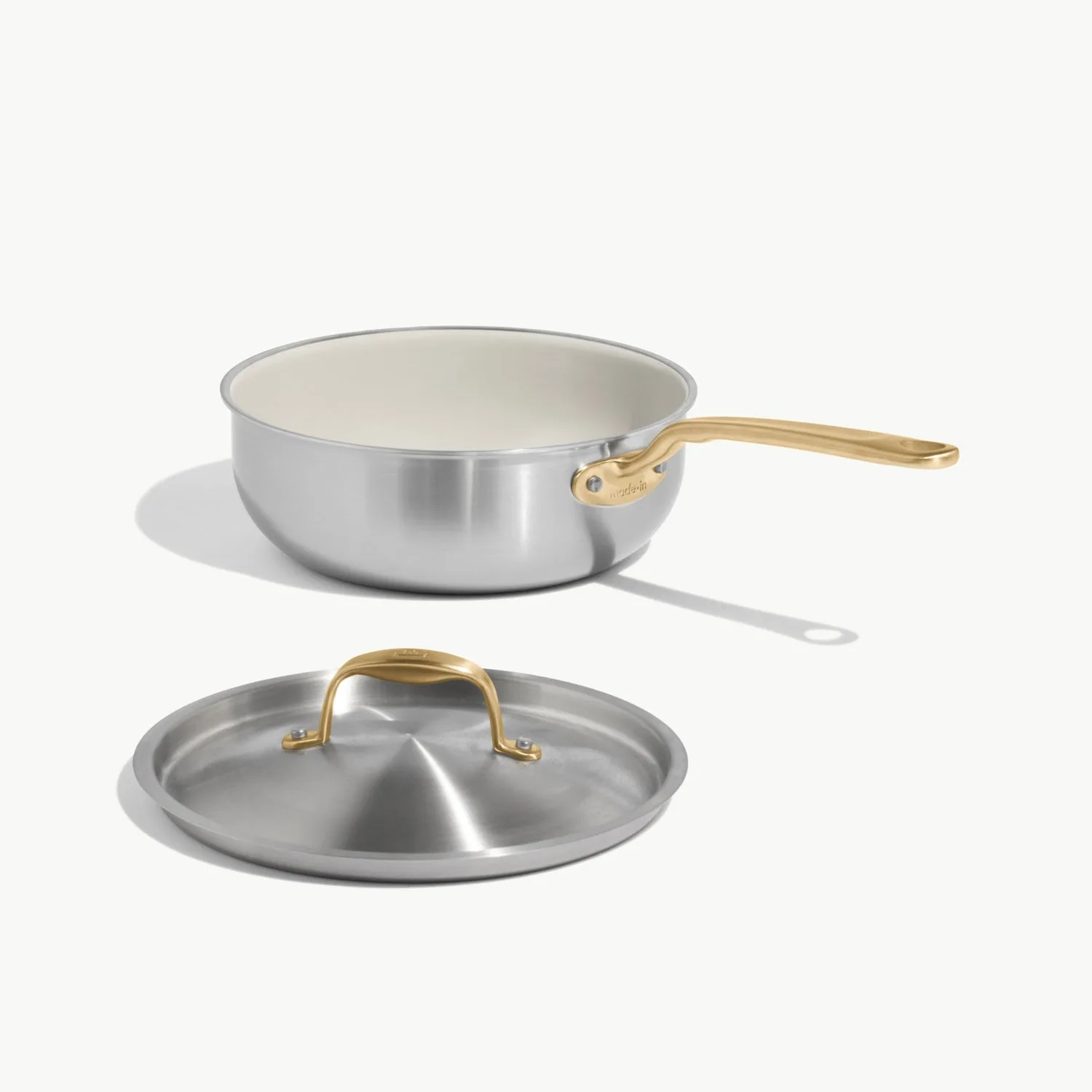
The material of your roasting pan is the single most important factor. Stainless steel roasting pans, especially those with an aluminum or copper core, offer excellent heat conductivity and durability. They are non-reactive, meaning they won't impart any metallic taste to your food, and they can go from stovetop to oven seamlessly. For example, a well-constructed stainless clad pan, like the versatile Stainless Clad Saute Pan (which can double as a smaller roaster for chickens or vegetables), provides even heating that prevents scorching. Non-stick roasting pans are convenient for cleanup but may not achieve the same level of browning or fond development. Enameled cast iron retains heat superbly, making it ideal for slow roasting and braising, but it is heavy and can be more expensive.
- Look for a pan with a heavy, multi-ply base to avoid warping at high temperatures.
- If you love making gravy, choose a pan that promotes fond formation—stainless steel or enameled cast iron are best.
- Consider a pan with a non-stick coating if easy cleanup is your top priority, but be aware of temperature limits (usually 450°F).
Size Matters: Finding the Right Dimensions
Size is critical when selecting a roasting pan. A pan that is too small will crowd your roast, trap steam, and prevent browning. A pan that is too large may cause drippings to spread too thin and burn. For a standard 12-14 pound turkey, a pan measuring approximately 16 by 13 inches with a depth of 3 to 4 inches is ideal. This size provides enough space for the bird and vegetables while allowing heat to circulate properly.
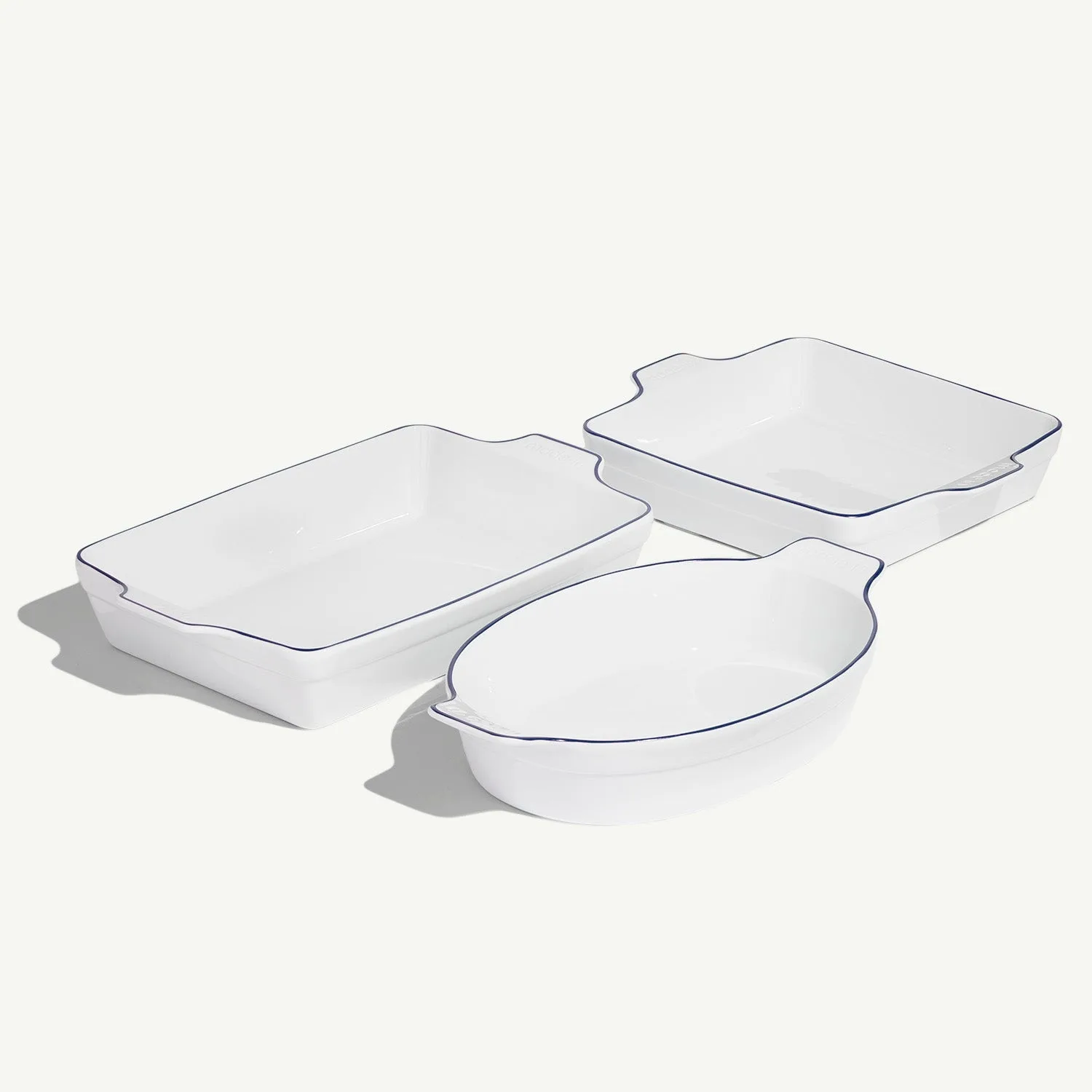
When measuring, consider the overall dimensions of your oven. Make sure the pan fits with at least 2 inches of clearance on all sides for air circulation. Also, think about storage: a large roasting pan can be bulky. If you have limited cabinet space, look for a pan with a removable rack that nests inside, or consider a set that includes multiple pieces. For smaller roasts or side dishes, a gratin dish like the 10x6.6 Oval Gratin Dish is perfect for roasting vegetables, baking casseroles, or even serving at the table—its versatile size makes it a great companion to your main roasting pan.
- Measure your oven's interior width and height before purchasing a large pan.
- For turkeys, allow 2-3 inches of extra length beyond the bird for even cooking.
- A pan with a depth of at least 3 inches prevents splattering and holds enough liquid for braising.
Key Features to Look For
Beyond material and size, several features can elevate a roasting pan from good to great. A sturdy, comfortable handle is essential—look for riveted stainless steel handles that stay cool on the stovetop and provide a secure grip even when wearing oven mitts. A roasting rack is another must-have. It lifts the meat off the bottom of the pan, allowing hot air to circulate underneath for even cooking and preventing the bottom from steaming. Some racks are adjustable to fit different pan sizes or have handles for easy lifting.
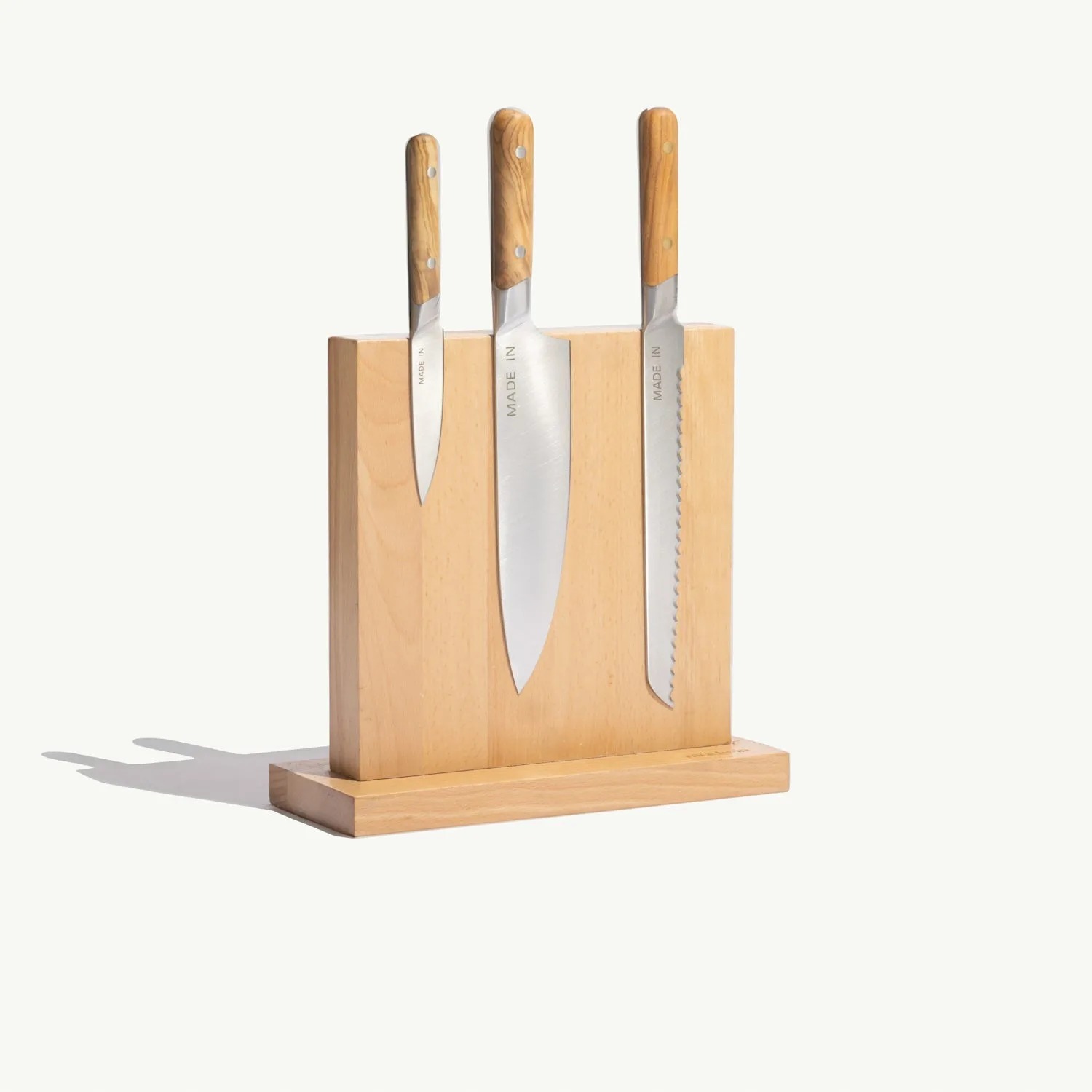
Versatility is also worth considering. A roasting pan that can be used on the stovetop for making gravy or searing meat before roasting saves you from dirtying extra pots. Pans with a flat, wide bottom are better for stovetop use. Additionally, a pan that is dishwasher-safe or has a non-stick coating simplifies cleanup, though hand washing is recommended to preserve the finish. If you're building a complete kitchen arsenal, a high-quality knife set is essential for carving that perfectly roasted bird—a sharp blade makes all the difference in presentation and ease.
- Choose a pan with helper handles on both short ends for easy lifting, especially when full.
- A V-rack is ideal for poultry as it holds the bird steady and allows drippings to collect below.
- Stainless steel pans are oven-safe to very high temperatures (500°F+), while non-stick pans have lower limits.
Roasting Pan vs. Baking Pan: What's the Difference?
Many home cooks confuse roasting pans with baking pans, but they serve different purposes. A roasting pan is typically larger, deeper, and has higher sides (3-4 inches) to accommodate large cuts of meat and prevent splattering. It almost always comes with a rack to elevate the food. A baking pan, on the other hand, has lower sides (1-2 inches) and is designed for items that don't produce much liquid, like cookies, sheet cakes, or roasting vegetables in a single layer.
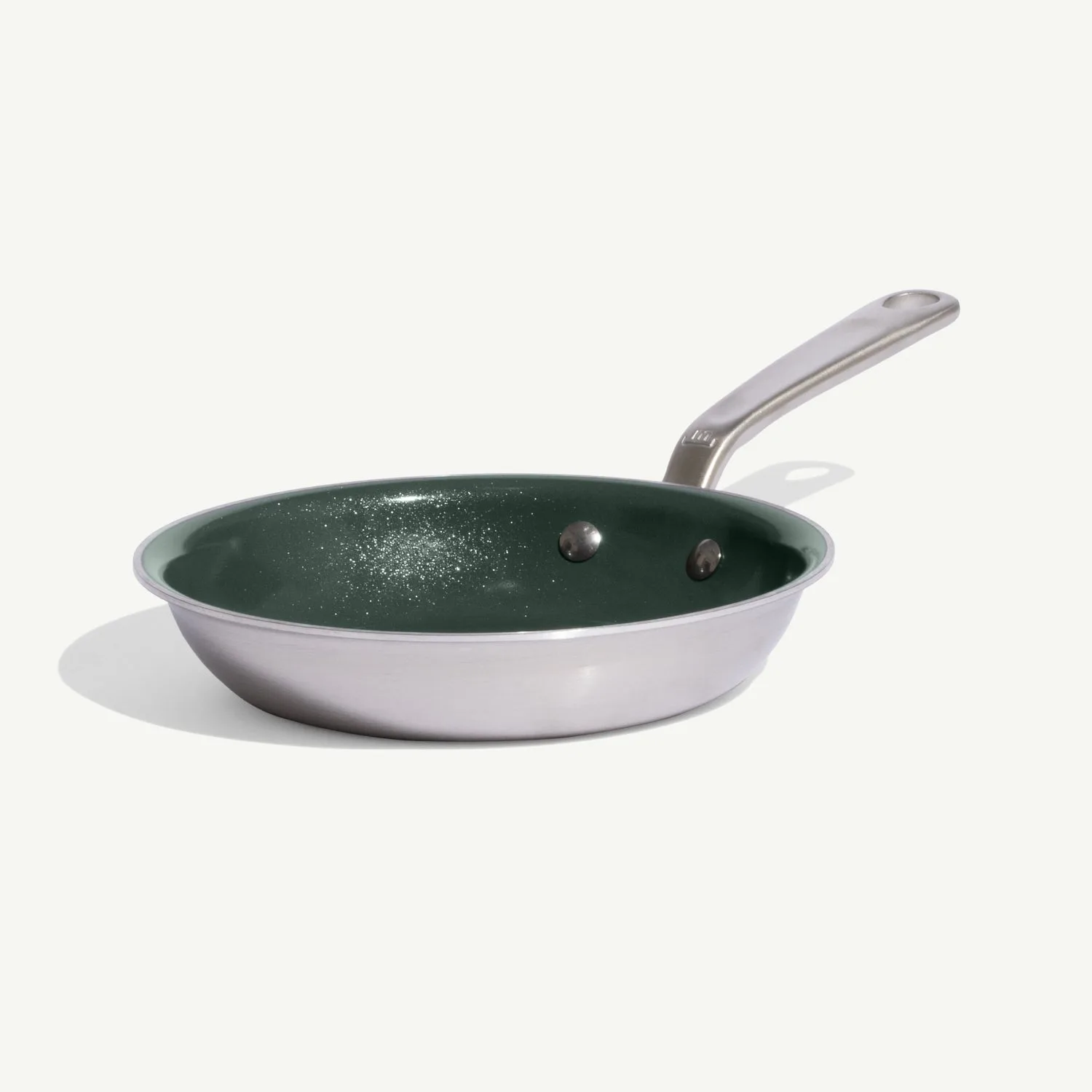
While you can use a baking sheet for roasting vegetables, it won't work well for a whole turkey or a large roast because the drippings will overflow and the lack of depth will cause uneven heat distribution. Conversely, a roasting pan can be used for baking if you don't need the rack, but its tall sides can block airflow for items that need to brown evenly. For the best results, invest in both: a good roasting pan for your holiday centerpiece and a baking sheet for sides and desserts. If you're looking to upgrade your non-stick options for easier cleanup on baking day, the CeramiClad 2.0 Non Stick Frying Pan Set offers excellent performance for stovetop searing and finishing dishes in the oven.
- Use a roasting pan for large, moist-heat cooking like turkey, prime rib, and whole chicken.
- Use a baking pan for dry-heat cooking like cookies, pastries, and sheet-pan vegetables.
- A roasting pan's rack is essential for air circulation; a baking pan typically doesn't have one.
Care and Maintenance Tips
To extend the life of your roasting pan, proper care is essential. For stainless steel pans, avoid using abrasive cleaners that can scratch the surface. Instead, soak the pan in warm, soapy water to loosen burnt-on bits, then scrub with a non-abrasive sponge. For stubborn stains or discoloration, a paste of baking soda and water works wonders. Never put a hot pan under cold water, as this can cause warping.
If your roasting pan has a non-stick coating, use only silicone, wood, or nylon utensils to avoid scratching. Hand wash with a soft sponge and avoid high heat (above 450°F) to preserve the coating. Enameled cast iron should be handled gently to avoid chipping; use wooden or silicone utensils and avoid sudden temperature changes. Always dry your pan thoroughly before storing to prevent rust (especially on carbon steel or cast iron). To protect your pans during storage, consider using pan protectors to prevent scratches and dents.
- For stainless steel, a dedicated stainless steel cleaner can restore shine and remove heat discoloration.
- Never stack pans without a protective layer—use pan protectors or paper towels between them.
- Season carbon steel or cast iron roasting pans after each use to maintain their non-stick surface.
Choosing the perfect roasting pan for your holiday feast doesn't have to be daunting. Focus on material, size, and key features like a sturdy rack and comfortable handles. A high-quality stainless steel or enameled cast iron pan will serve you for decades, delivering consistently delicious results. Whether you're roasting a turkey, braising a pot roast, or baking a casserole, the right pan makes all the difference. Ready to elevate your holiday cooking? Explore our collection of premium roasting pans and cookware, starting with the versatile Stainless Clad Saute Pan, which can handle everything from stovetop searing to oven roasting.