Choosing the perfect teapot can transform your tea experience. With so many materials available, it's easy to feel overwhelmed. Should you go for the clarity of glass, the elegance of porcelain, or the durability of cast iron? Each material offers unique benefits that cater to different brewing styles and preferences.
In this guide, we'll break down the key differences between glass, porcelain, and cast iron teapots, helping you make an informed decision that suits your tea rituals. Whether you're a seasoned tea enthusiast or just starting your journey, understanding these materials will elevate your brewing game.
Why Teapot Material Matters
The material of your teapot influences more than just aesthetics. It affects heat retention, flavor purity, and the overall brewing experience. For instance, cast iron retains heat exceptionally well, making it ideal for black teas that require high temperatures over extended periods. Porcelain, on the other hand, is non-porous and neutral, preserving the delicate flavors of green and white teas.
Glass teapots offer a visual spectacle, allowing you to watch the leaves unfurl and the liquor develop. But they may not hold heat as long as other materials. Understanding these nuances helps you match the teapot to the tea you love most.
Glass Teapots: Transparency and Versatility
Glass teapots are perfect for those who appreciate the visual beauty of brewing. They are non-porous, so they won't absorb flavors or odors, making them versatile for different tea types. You can easily monitor the strength and color of your brew, which is especially useful for delicate teas like green or white.
However, glass is not the best insulator. It cools down faster, so it's best for teas that are enjoyed soon after brewing. Some glass teapots come with a built-in infuser, making them convenient for loose leaf teas. If you're a fan of flowering teas or want to showcase vibrant infusions, a glass teapot is a wonderful choice.
- Ideal for visual tea appreciation and delicate teas
- Non-porous and easy to clean
- Requires careful handling to avoid breakage
Porcelain Teapots: Elegance and Purity
Porcelain teapots are a classic choice, prized for their elegance and ability to retain heat. They are non-porous, ensuring that each tea's flavor remains pure without any residual tastes from previous brews. The smooth glaze makes them easy to clean and maintain.
Porcelain is particularly well-suited for black, oolong, and herbal teas, as it can handle high water temperatures. A high-quality porcelain teapot, like the Théière céramique 0,83L, offers both functionality and beauty, making it a staple in any tea collection. Its neutral color complements any kitchen decor, and its durability ensures years of use.
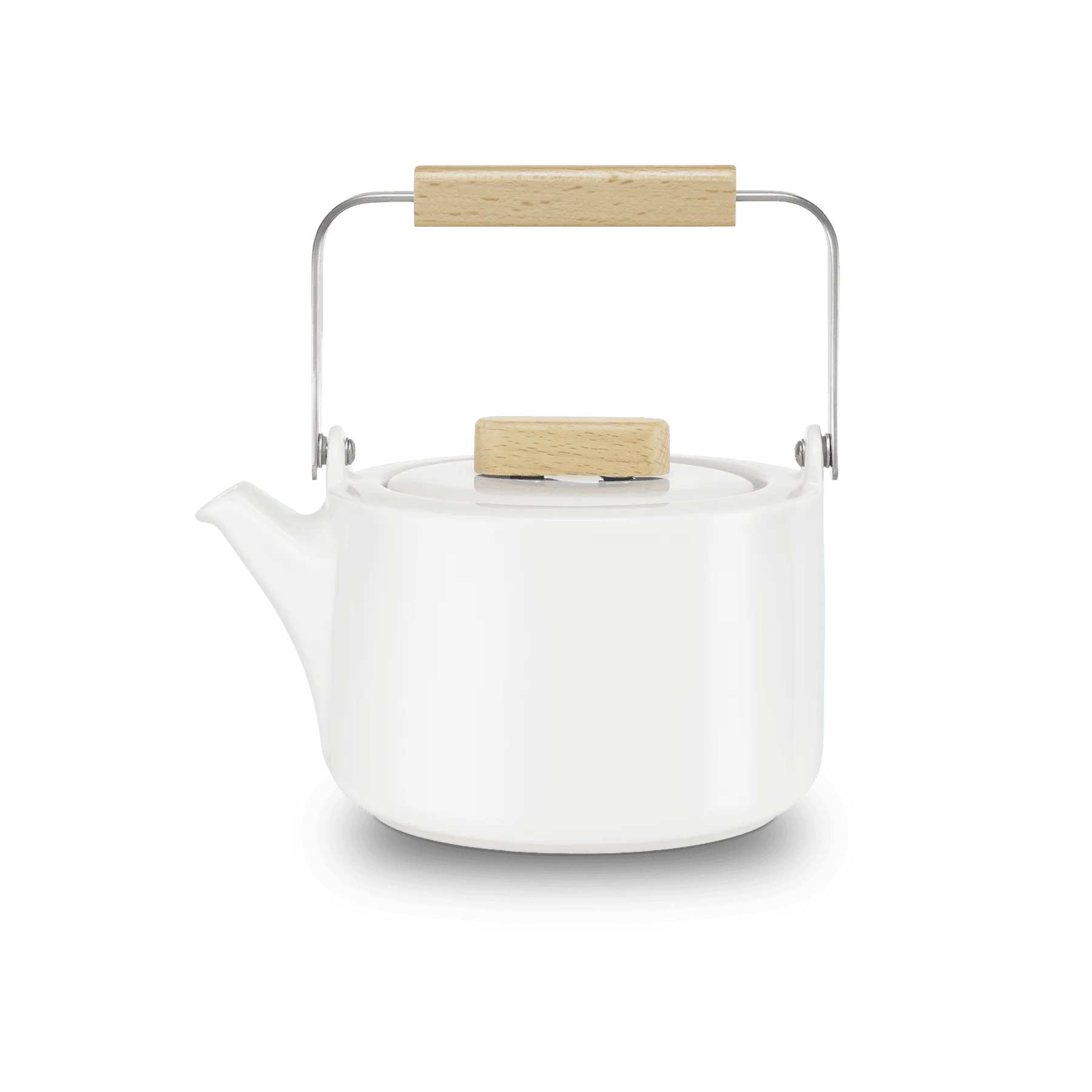
Théière céramique 0,83L
- Excellent heat retention and even heat distribution
- Non-porous surface preserves flavor purity
- Versatile for all tea types, from black to herbal
Cast Iron Teapots: Durability and Heat Retention
Cast iron teapots, also known as tetsubin, are renowned for their exceptional heat retention. They keep tea hot for extended periods, making them perfect for multiple infusions or leisurely sipping. The heavy construction also adds a sense of ritual and stability to your tea session.
While cast iron requires a bit more care to prevent rust, it develops a natural patina over time that can enhance the flavor of certain teas. The Théière fonte Arare 1,15L is a stunning example of a cast iron teapot that combines traditional craftsmanship with modern design. It's ideal for hearty black teas, pu-erh, and even herbal blends that benefit from sustained heat.
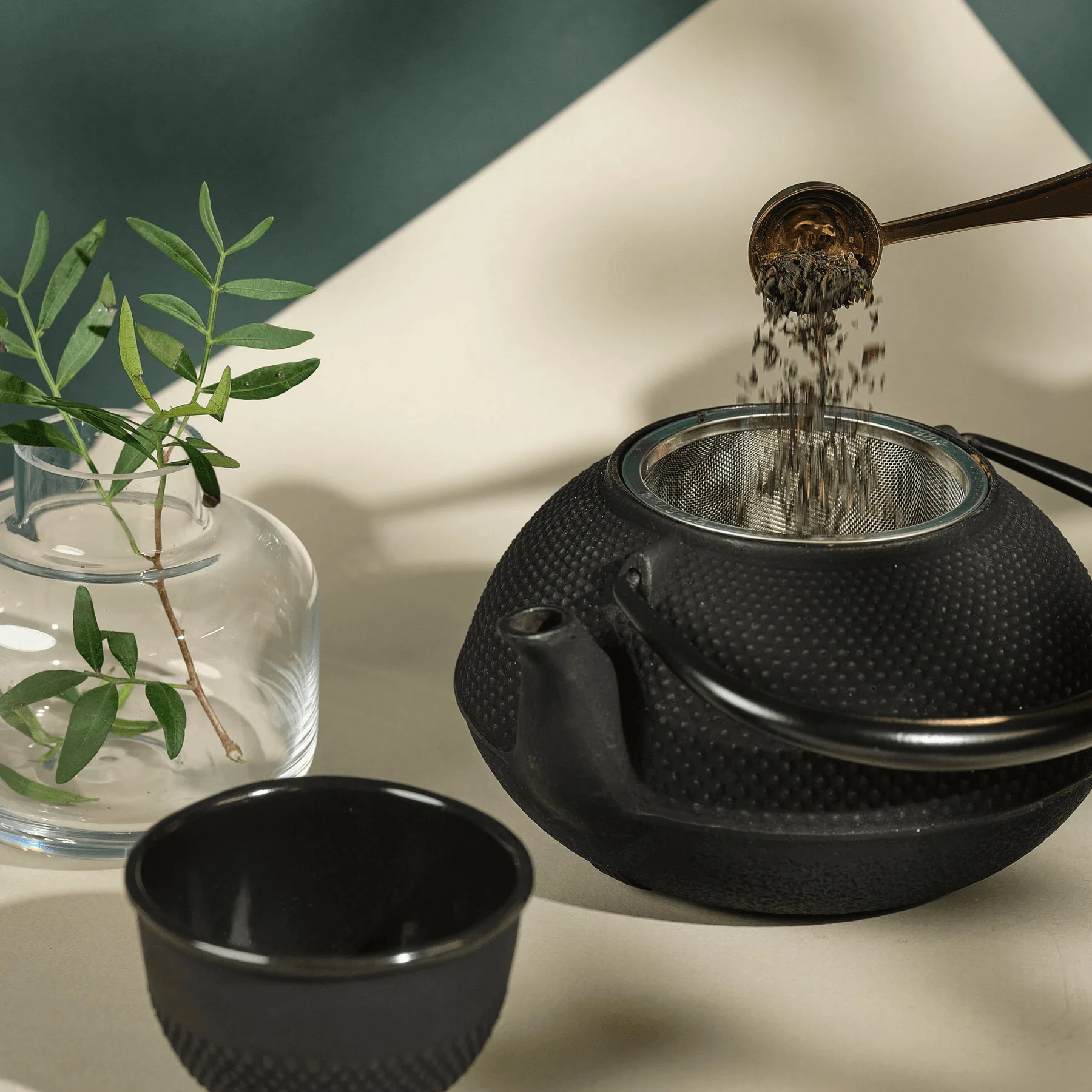
Théière fonte Arare 1,15L
- Superior heat retention for long-lasting warmth
- Durable and long-lasting with proper care
- Adds a traditional, rustic aesthetic to your tea ritual
How to Choose Based on Your Tea Preferences
When selecting a teapot, consider the types of tea you drink most often. If you primarily enjoy green or white teas, a glass teapot allows you to appreciate their delicate colors and aromas. For black teas and oolongs, porcelain or cast iron are excellent choices due to their heat retention.
For herbal teas, such as Réglisse - Menthe, a porcelain teapot is a safe bet as it won't interfere with the bold flavors. If you're a fan of Japanese green teas like Hojicha or Vert Sencha, a small cast iron teapot can enhance the experience by maintaining the perfect water temperature throughout multiple infusions.
Practical Considerations: Size, Care, and Budget
Think about the size of your teapot based on how many cups you typically brew. A smaller teapot (around 0.5L) is perfect for solo sessions, while a larger one (1L or more) suits gatherings. Also, consider the ease of cleaning and maintenance. Glass and porcelain are dishwasher-safe, but cast iron requires hand washing and thorough drying.
Budget is another factor. Glass teapots are generally more affordable, while high-quality porcelain and cast iron can be an investment. However, a well-made teapot can last for years, making it a worthwhile addition to your tea collection. Don't forget to pair your teapot with a proper infuser if it doesn't come with one built-in.
- Match teapot size to your brewing habits
- Consider maintenance: glass and porcelain are low-maintenance, cast iron needs extra care
- Invest in quality materials for longevity
Choosing the perfect teapot ultimately comes down to your personal tea preferences and lifestyle. Whether you opt for the transparency of glass, the elegance of porcelain, or the durability of cast iron, each material offers unique benefits that enhance your tea experience. Consider the types of tea you love, your brewing habits, and the aesthetic you prefer. With the right teapot, every cup becomes a ritual to savor.