Choosing the right vase can transform a simple bouquet into a stunning centerpiece. Whether you are a seasoned florist or a casual flower lover, understanding the relationship between vase shape, size, and flower type is essential for creating balanced, eye-catching arrangements. A well-chosen vase not only showcases your blooms but also complements your home decor.
In this guide, we will walk you through the key factors to consider when selecting a vase. From tall cylindrical designs to wide, low bowls, each shape serves a distinct purpose. We will also explore how to pair flowers with the right vessel, ensuring your arrangements look professional and last longer. By the end, you will feel confident in picking the perfect vase for any occasion.
Understanding Vase Shapes and Their Best Uses
Vase shape is one of the most critical elements in floral design. Tall, narrow vases are ideal for long-stemmed flowers like roses, lilies, or tulips, as they provide support and keep stems upright. These vases work well for single-stem or sparse arrangements, allowing each bloom to shine. For a modern look, consider a cylindrical vase that can hold a tight cluster of stems.
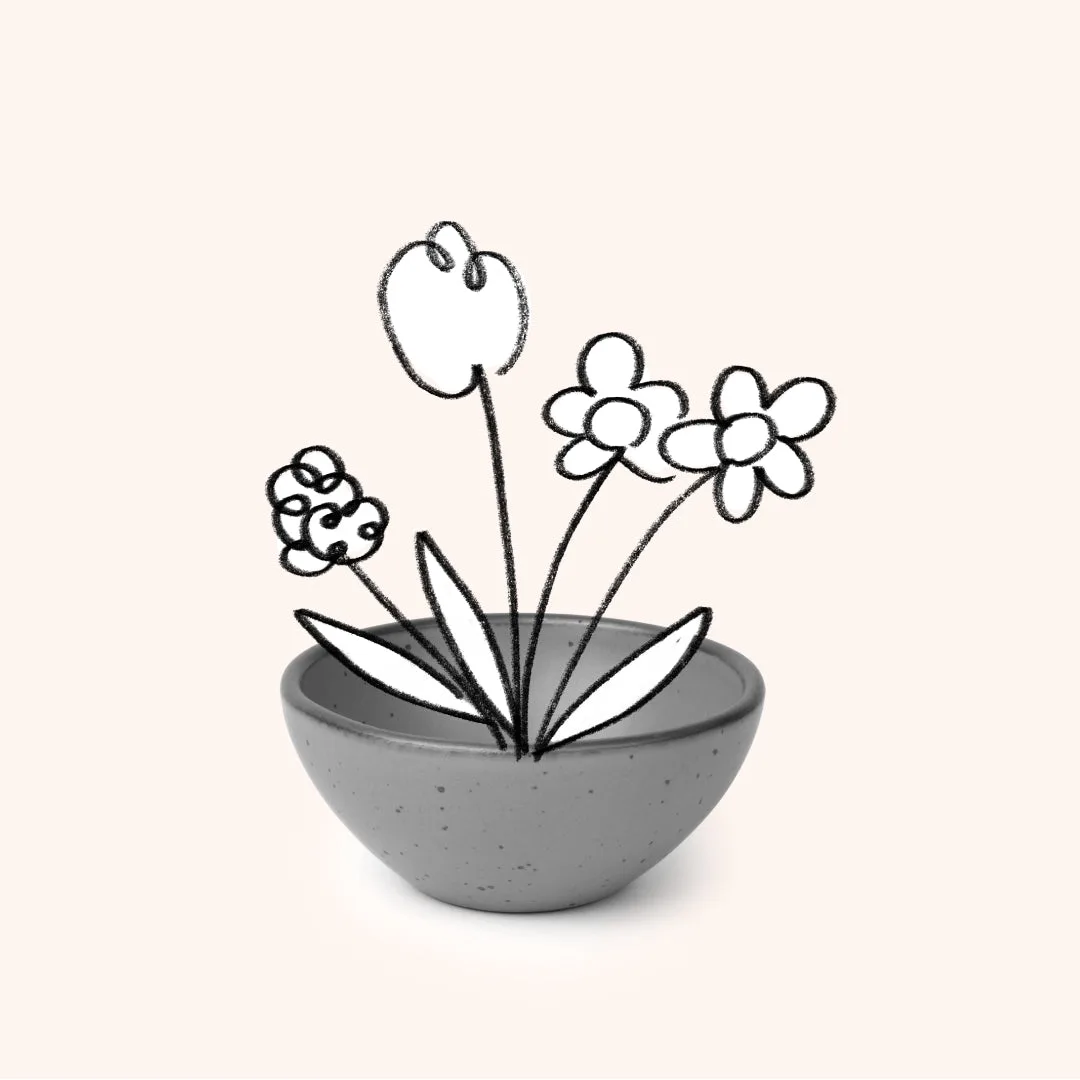
Wide-mouthed, bowl-shaped vases are perfect for lush, full arrangements with multiple flower types. They allow stems to spread naturally, creating a rounded, abundant display. These vases are excellent for peonies, hydrangeas, or mixed bouquets. For a more sculptural approach, try a vase with a narrow neck and wide body, which cradles a single large bloom or a small bundle of wildflowers.
Bullet points of common vase shapes and flower pairings:
- Tall cylindrical vases: Best for roses, calla lilies, and delphinium.
- Wide bowl vases: Ideal for hydrangeas, peonies, and mixed garden bouquets.
- Narrow-neck vases: Perfect for single stems or small clusters of tulips or daffodils.
- Unique sculptural vases: Great for dried flowers, branches, or a single dramatic bloom.
Matching Vase Size to Your Space and Flowers
Size matters when it comes to vases. A vase that is too small for a large bouquet will look cramped, while an oversized vase can dwarf delicate flowers. As a general rule, the vase should be about one-third to one-half the height of the tallest stem. For table centerpieces, choose a vase that does not obstruct sightlines across the table.
Consider the scale of the room and the surface where the vase will sit. A large, statement vase works well on a console table or entryway, while a small bud vase is perfect for a nightstand or bathroom counter. If you are arranging for a dinner party, opt for low-profile vases that allow guests to see each other. The https://astrakitchen.shop/products/cake-plate-set-in-la-sir-ne-116963Cake Plate Set in La Sirène offers a beautiful way to display small floral accents alongside desserts.
Material Matters: Ceramic, Glass, and Beyond
The material of your vase affects both aesthetics and functionality. Ceramic vases are popular for their weight, durability, and variety of glazes and textures. They provide stability for top-heavy arrangements and add a handcrafted feel to your decor. Ceramic vessels also keep water cooler, which can extend the life of some flowers.
Glass vases are transparent, allowing you to see the stems and water level. This is ideal for showcasing clean lines or adding decorative elements like pebbles or marbles. However, glass can be more fragile and may require frequent water changes to prevent algae. For a unique, artisanal touch, consider vases made from stoneware or porcelain, which offer both beauty and function.
Seasonal and Occasion-Based Vase Selection
Your vase choice can also reflect the season or the event. In spring, opt for bright, pastel-colored vases to echo the freshness of tulips and daffodils. For summer, choose wide, open vessels that can hold abundant sunflowers or zinnias. Autumn calls for earthy tones and textured ceramics that complement dried foliage and berries.
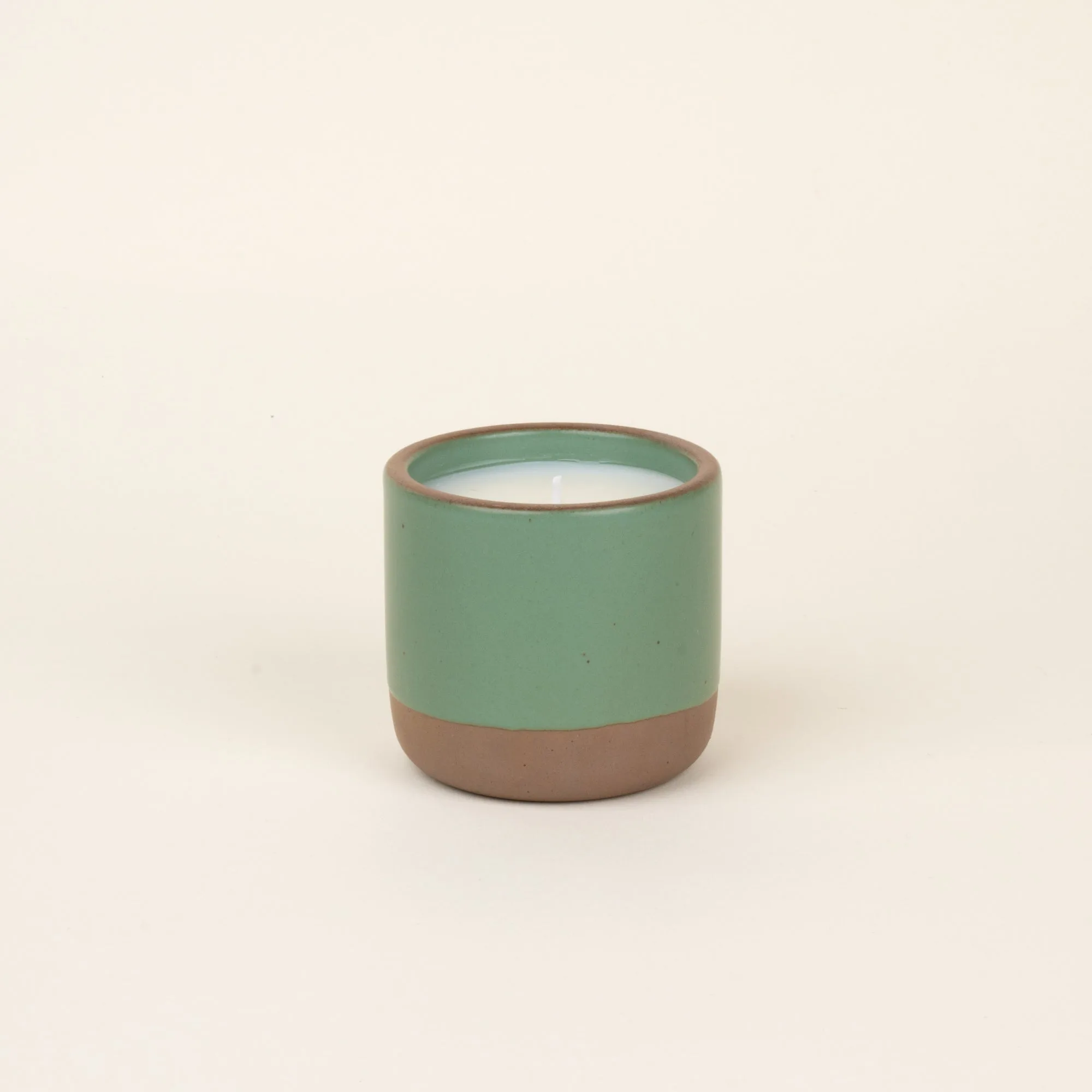
For special occasions like weddings or dinner parties, consider vases that double as decor. A Modena Cachepot can serve as both a vase and a cachepot, adding elegance to any table. Its classic shape works beautifully with seasonal blooms. For a more casual gathering, a simple ceramic pitcher can be repurposed as a charming vase for wildflowers.
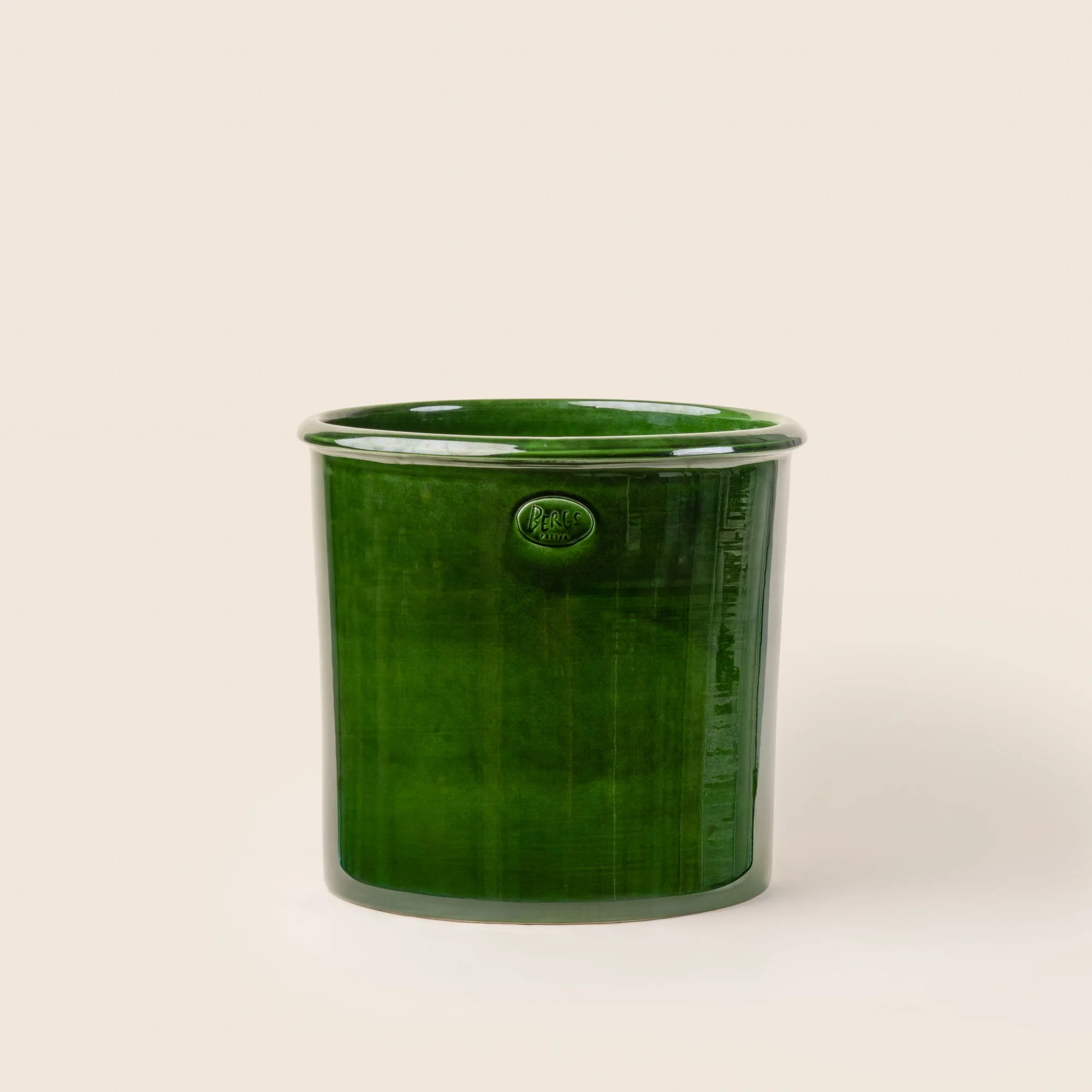
Modena Cachepot
Caring for Your Vase and Flowers
Proper care extends the life of both your vase and your flowers. Always clean your vase thoroughly between uses to remove bacteria that can shorten bloom life. For ceramic vases, hand wash with mild soap and avoid abrasive sponges. Glass vases can be cleaned with a mixture of vinegar and baking soda to remove mineral deposits.
When arranging flowers, trim stems at an angle and remove leaves that will sit below the waterline. Change the water every two days and add flower food if available. For arrangements in wide-mouthed vases, use floral tape or a frog to hold stems in place. With the right care, your vase will remain a cherished part of your home for years.
Choosing the perfect vase is about balancing form and function. By considering shape, size, material, and the occasion, you can create floral displays that bring joy to any room. Explore our collection of ceramic vases and cachepots to find the ideal vessel for your next arrangement. We invite you to browse the Modena Cachepot for a versatile, elegant option that suits any style.