Acne serums are a game-changer in any skincare routine, but with so many options on the market, it's easy to feel overwhelmed. The truth is, not every serum works for every skin type. What clears up oily skin might dry out sensitive skin, and what soothes dry skin might clog pores. That's why understanding your skin type and the ingredients in your serum is crucial.
In this guide, we'll walk you through how to choose the right acne serum for your specific skin type. We'll cover the best ingredients for oily, dry, and sensitive skin, common mistakes to avoid, and how to incorporate a serum into your routine. By the end, you'll be equipped to make an informed choice that brings you one step closer to clear, healthy skin.
acne serum
Why Your Skin Type Matters When Choosing an Acne Serum
Your skin type determines how your skin reacts to different ingredients. Oily skin produces excess sebum, which can lead to clogged pores and breakouts. Dry skin lacks moisture, making it prone to flakiness and irritation. Sensitive skin reacts easily to harsh chemicals, causing redness and discomfort. An acne serum formulated for one skin type may exacerbate issues in another.
For example, a serum with alcohol might temporarily dry out oily skin but strip dry skin of its natural oils, leading to more irritation. Similarly, a rich, oil-based serum might be too heavy for oily skin, clogging pores further. By identifying your skin type, you can narrow down your options and choose a serum that targets acne without compromising your skin's health.
- Oily skin: Look for lightweight, oil-free, non-comedogenic formulas.
- Dry skin: Seek hydrating ingredients like hyaluronic acid and glycerin.
- Sensitive skin: Avoid fragrances, alcohols, and harsh exfoliants.
Key Ingredients to Look For in an Acne Serum
The best acne serums contain active ingredients that target breakouts while supporting skin health. Salicylic acid is a beta-hydroxy acid (BHA) that penetrates pores to dissolve oil and dead skin cells, making it ideal for oily and combination skin. Niacinamide is a form of vitamin B3 that reduces inflammation, regulates oil production, and strengthens the skin barrier—perfect for sensitive and oily skin alike.
Hyaluronic acid is a humectant that draws moisture into the skin, making it essential for dry skin types. Retinol, a vitamin A derivative, speeds up cell turnover and prevents clogged pores, but it can be irritating, so it's best for non-sensitive skin. For those with sensitive skin, look for soothing ingredients like aloe vera, centella asiatica, or green tea extract to calm redness while fighting acne.
- Salicylic acid: exfoliates inside pores, great for blackheads and whiteheads.
- Niacinamide: balances oil and soothes inflammation.
- Hyaluronic acid: hydrates without clogging pores.
- Retinol: prevents future breakouts but may cause purging.
Best Acne Serums for Oily Skin
If you have oily skin, your primary goal is to control excess sebum without stripping your skin. Look for serums with salicylic acid or niacinamide, as these ingredients help regulate oil production and keep pores clear. A lightweight, gel-based serum that absorbs quickly is ideal. Avoid heavy oils and butters that can make your skin feel greasy.
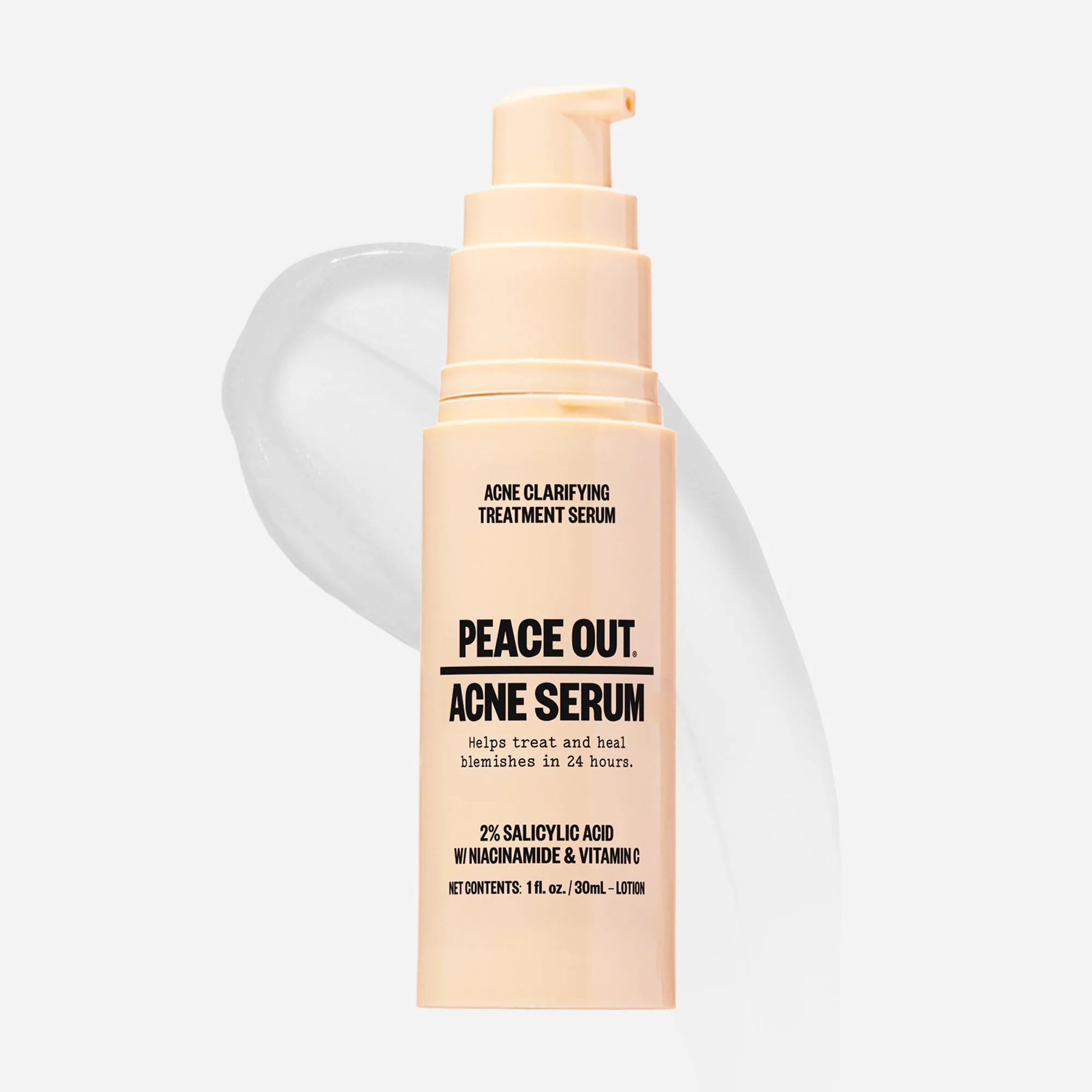
Our Acne Serum is formulated with salicylic acid and niacinamide to target breakouts while balancing oil. It's lightweight and fast-absorbing, making it perfect for oily and combination skin. Pair it with a gentle cleanser and an oil-free moisturizer like our https://subtlelivingai.shop/products/acne-gel-moisturizer-293468Acne Gel Moisturizer for a complete routine that keeps shine at bay without over-drying.
Best Acne Serums for Dry Skin
Dry skin needs extra hydration to prevent flakiness and irritation. When choosing an acne serum, look for one that combines acne-fighting ingredients with hydrating ones like hyaluronic acid or glycerin. Avoid serums with high concentrations of alcohol or strong exfoliants that can worsen dryness.
A serum that contains both salicylic acid and hyaluronic acid is a great choice—it clears pores while keeping your skin moisturized. You can also layer a hydrating serum under your acne treatment to add an extra boost of moisture. For dry skin, it's essential to follow up with a rich moisturizer to lock in hydration and maintain your skin barrier.
- Look for 'hydrating acne serum' or formulas with hyaluronic acid.
- Avoid alcohol-based toners or serums that strip moisture.
- Always follow with a moisturizer to seal in hydration.
Best Acne Serums for Sensitive Skin
Sensitive skin requires extra care when choosing an acne serum. Harsh ingredients like high-strength retinol or alpha-hydroxy acids (AHAs) can cause redness, stinging, and irritation. Instead, opt for serums with soothing ingredients like niacinamide, which calms inflammation, and gentle exfoliants like PHA (polyhydroxy acid) or low-concentration salicylic acid.
Patch testing is crucial for sensitive skin. Apply a small amount of serum behind your ear or on your jawline and wait 24 hours to see if any reaction occurs. Start by using the serum every other day to let your skin adjust. Our Acne Serum is formulated with niacinamide and low-dose salicylic acid, making it gentle enough for sensitive skin while still effective against breakouts.
- Patch test new serums before applying to your face.
- Avoid fragrances, essential oils, and denatured alcohol.
- Introduce the serum gradually to minimize irritation.
How to Incorporate an Acne Serum into Your Routine
Once you've chosen the right serum, it's important to use it correctly. Start with a clean face—wash with a gentle cleanser and pat dry. Apply a few drops of serum to your fingertips and press it into your skin, avoiding the eye area. Wait a minute for it to absorb before applying moisturizer. In the morning, always follow with sunscreen, as some acne ingredients can increase sun sensitivity.
For best results, use your serum consistently. It can take up to 8 weeks to see significant improvement, so be patient. If you experience excessive dryness or irritation, reduce usage to every other day or switch to a gentler formula. Remember, a serum is just one part of a comprehensive skincare routine—combine it with a good cleanser, moisturizer, and spot treatments for optimal results.
- Apply serum after cleansing and before moisturizing.
- Use sunscreen during the day, especially with exfoliating serums.
- Give your skin time to adjust; don't mix too many active ingredients at once.
Common Mistakes to Avoid When Choosing an Acne Serum
One common mistake is choosing a serum based on price or hype rather than your skin's needs. Another is using too many active ingredients at once, which can overwhelm your skin and cause irritation. It's also easy to skip patch testing, especially when you're excited to try a new product, but this can lead to unpleasant reactions.
Additionally, many people forget that acne serums are not spot treatments—they should be applied to the entire face to prevent breakouts, not just existing pimples. Finally, don't expect overnight results. Acne treatment takes time, and consistency is key. Avoid switching products too frequently, as this can disrupt your skin's balance.
- Don't layer multiple strong actives (e.g., retinol + AHA) without consulting a dermatologist.
- Always patch test, even if you're in a hurry.
- Apply serum to the whole face, not just active breakouts.
Choosing the right acne serum doesn't have to be complicated. By understanding your skin type and the ingredients that work best for you, you can find a serum that clears breakouts without causing new problems. Remember to start slowly, patch test, and be consistent. For a reliable option that suits various skin types, consider our Acne Serum—it's formulated to be effective yet gentle, making it a great addition to your skincare arsenal.