Quick answer
Choose cotton batting for a flat, natural look with crisp stitch definition and breathable warmth. Choose polyester or a cotton-poly blend when you want a puffier quilt, lighter weight, or a lower price. Match loft to your quilting plan: low loft for dense ruler work and free-motion quilting, higher loft for simple allover designs and a cozy, airy feel.
Batting is the layer you never see and always feel. It controls how warm the quilt sleeps, how softly it drapes over a couch, and how clearly your quilting stitches show on the surface. Pick it last and you may fight the quilt on the frame; pick it first and every other decision gets easier.
This guide skips brand hype and gives you decision rules you can apply in the store aisle or at checkout. You will learn how fiber content, loft, and machine type interact, and when a cheaper batt is genuinely the smarter buy.
Start With Fiber: Cotton vs Polyester Batting
Cotton batting is the default for heirloom and everyday quilts because it breathes, holds a flat profile, and lets stitches sink in for clean definition. It shrinks slightly after the first wash, which gives antique-style quilts that crinkled texture many quilters want. The tradeoff is weight: a cotton batt feels denser than polyester at the same loft.
Polyester batting resists shrinking, feels lighter, and springs back after washing, so it keeps a puffy look. It also tends to be less expensive. Blends sit in the middle, using a percentage of each fiber to balance drape, loft, and cost. None of these is universally better; the right pick depends on how the finished quilt will be used.
- Pre-wash or preshrink cotton batting if you want to control shrinkage before quilting.
- Read the package for fiber content rather than assuming from the brand name.
- For a wall hanging, choose the flattest batting you can find so it hangs straight.
Match Loft to Your Quilting Plan
Loft is batting thickness, and it changes what your machine can do. Low loft, roughly 1/8 inch or less, is the safe choice for dense ruler quilting and free-motion fillers because the needle and foot stay level. High loft, closer to 1/2 inch, creates a puffy quilt but can fight dense stitching and cause skipped stitches if your machine is not set up for it.
If you plan a mix of techniques, as Natalia Bonner does in the PNQ Academy courses, low loft keeps ruler work predictable while still showing off swirls and feathers. Save high loft for simple walking-foot grids, ties, or allover meandering where the quilting is not the star.
- Test a 12-inch square sandwich before committing a whole quilt to a new batting.
- Higher loft needs a slightly longer stitch length and looser top tension.
- If your quilt will be washed often, choose a batt labeled for that use.
Batting for Longarm and Domestic Machines
Longarm quilters usually want a stable, low-loft batt that advances evenly and does not stretch. Many battings are sold in wide widths specifically for longarm frames, which saves piecing a seam down the middle. Needle-punched battings tend to be stronger and less prone to bearding, where fibers work up through the quilt top.
On a domestic machine, the limiting factor is throat space. A thick batt plus a large quilt can make the roll too bulky to maneuver. If you quilt on a standard machine, choose low loft and consider a smaller project or quilt-as-you-go. The same batting can behave very differently on the two setups, so test on your own machine.
- Measure your quilt top before buying; wide battings are sold by the yard in specific widths.
- Dark backing plus light batting can show bearding, so match colors when possible.
- Store batting flat or loosely rolled, never folded tight, to avoid creases.
Warmth, Drape, and Realistic Expectations
Warmth comes from trapped air, so loft matters as much as fiber. A thin cotton batt is surprisingly warm for its weight, while a thick polyester batt feels airy but insulates well. If you sleep hot, go thinner; if the quilt is for a couch or a cold bedroom, go thicker. There is no single best batting for quilts, only a best match for the person using it.
Drape follows the same logic. Cotton falls softly and conforms to a bed; polyester holds its shape and feels springier. Wool batting, when you can find it, offers warmth with less weight, but it costs more and needs gentler washing. Decide which of these qualities matters most before you compare prices.
- Ask the recipient how they sleep before choosing loft.
- Write the batting fiber and loft on a label sewn to the quilt back for future reference.
- Keep a small sample of each batting you try so you can compare later.
Decision Rules for Buying Batting
- Rule 1: Choose by end use, not by brand: A bed quilt that will be washed weekly needs a durable, low-shrink batt; a wall hanging needs the flattest option available. Write the quilt's purpose on your shopping list before you compare labels.
- Rule 2: Match loft to quilting density: Dense ruler work and free-motion fillers call for low loft; simple allover designs can handle medium or high loft. If you cannot decide, buy low loft. It is the safer choice for machine quilting.
- Rule 3: Confirm the width before you buy: Longarm quilters should measure the quilt top and buy a batting wide enough to avoid a mid-quilt seam. Add 8 to 10 inches to both dimensions so the batting extends past the top on all sides.
- Rule 4: Test before you commit: Quilt a small sandwich with your chosen batting, thread, and needle to check for bearding, shrinkage, and stitch quality. A 30-minute test saves hours of ripping later.
Tools That Support Your Batting Choice
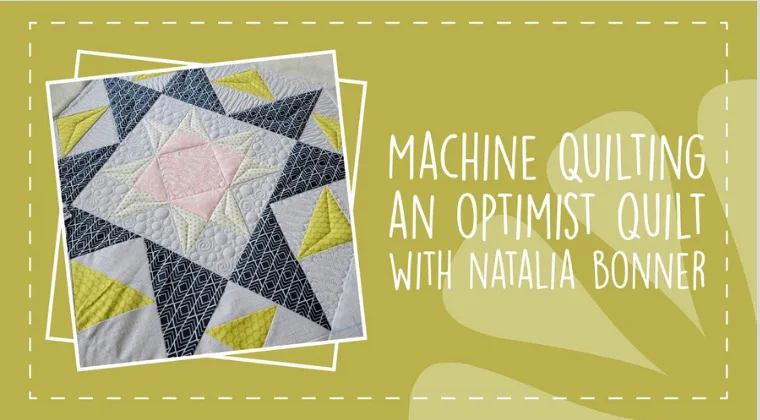
- Machine Quilting an Optimist Quilt with Natalia Bonner: Join Natalia Bonner as she custom machine quilts this fun Optimist quilt, combining free-motion and ruler quilting. Watching a full quilt come together shows how batting loft affects stitch definition and helps you match your batt to the quilting style you want.
- Machine Quilting Fillers & Feathers: In this PNQ Academy video Natalia demonstrates marking on black fabric and quilting a sashing design even though there is no actual sashing. Open areas and dark fabric reveal how batting color and loft interact with thread and marking, so you can avoid show-through and flat-looking fillers.
- Made with Love Longarm Quilting Ruler Stand: The stand holds up to 4 machine quilting rulers in the Mini 4.5 inch size or more in the Regular 7.5 inch size, keeping rulers organized and within reach. If you quilt with rulers on a low-loft batting, keeping them organized at the frame means fewer interruptions and more consistent stitches.
Who Should Choose Which Batting
Best for
- Quilters who want crisp stitch definition and a flat, traditional look
- Longarm quilters doing dense ruler work or free-motion quilting
- Everyday bed quilts that will be washed often
Not for
- Quilters who want a puffy, lightweight quilt with minimal shrinkage
- Wall hangings where a thicker batt would make the quilt hang unevenly
- Projects where the batting will not be washed and cost is the main concern
Batting is not a place to guess. Decide how the quilt will be used, choose a fiber and loft that match your quilting plan, and test a small sample before you cut into a full batt. If you quilt with rulers, keep them organized and within reach so your setup supports the low-loft, high-definition look you are after.