Quick answer
Choose a beach chair by matching three numbers to your body: seat height, weight capacity, and recline range. Taller adults usually do better with a higher, more upright seat and a longer backrest, while a low profile beach chair suits shorter frames or anyone who wants to stretch legs out near the water. If your back needs support, prioritize a firm backrest and a gentle recline rather than a deep sling.
Start with seat height, not color or price
Seat height decides how easy a chair is to get into and out of. A low seat puts your hips near the sand, which is comfortable for lounging but harder on knees and hips. A higher, more upright seat keeps your thighs closer to parallel with the ground and reduces the effort of standing up. If you are tall, a low sling chair often leaves your knees higher than your hips, which gets uncomfortable after 20 minutes. If you are shorter, a tall chair can leave your feet dangling. Measure the distance from the floor to the back of your knee while sitting in a dining chair, then look for a beach chair seat height close to that number.
Match weight capacity to your body plus gear
Beach chair weight capacity is a limit, not a target. Add your body weight plus anything you set on the chair, like a cooler bag or a child on your lap, and stay comfortably under the rated number. A chair rated at 250 lb is fine for most adults, but if you are near that number or share the seat, step up to a higher-rated model. Capacity also affects frame stiffness: a chair built for more weight usually flexes less, which can feel more supportive. Check the capacity before you fall in love with a pattern.
Back support: recline, backrest height, and mesh
If you have a bad back, the wrong beach chair can turn a good day into a painful one. Look for a backrest that reaches at least to your shoulder blades and a recline that stops before you are fully horizontal. A mesh backrest lets air through, which reduces sweat and sticking, but mesh has less structure than padded fabric. A padded, raised seat with molded armrests gives you something to push against when standing up. Avoid deep, hammock-style slings that curl your spine forward. A gentle recline with firm support beats a dramatic recline every time.
Low profile vs. elevated: pick your beach style
A low profile beach chair sits close to the sand, so you can stretch your legs out and feel the water breeze without climbing over a tall frame. It is the better choice for reading, sunbathing, and shorter adults. An elevated chair with a higher seat and a taller backrest is easier on knees and hips, and it keeps your head further from blowing sand. Neither is universally better. If you walk a long way to your spot, check the carry method too: backpack straps distribute weight across both shoulders, while a single carry strap is lighter but puts the load on one side.
Decision rules: match the chair to your body
- You are tall (over 6 ft): Choose a chair with a higher seat and a backrest that reaches your shoulder blades. Avoid low sling chairs that put your knees above your hips. If the seat height is not listed, look for an elevated frame rather than a low profile model.
- You have back pain: Pick a firm backrest with a limited recline and a padded seat. Skip deep hammock slings and rocking chairs if you need stillness to relax. Test the recline stop before you buy; a chair that flattens all the way is harder to get out of.
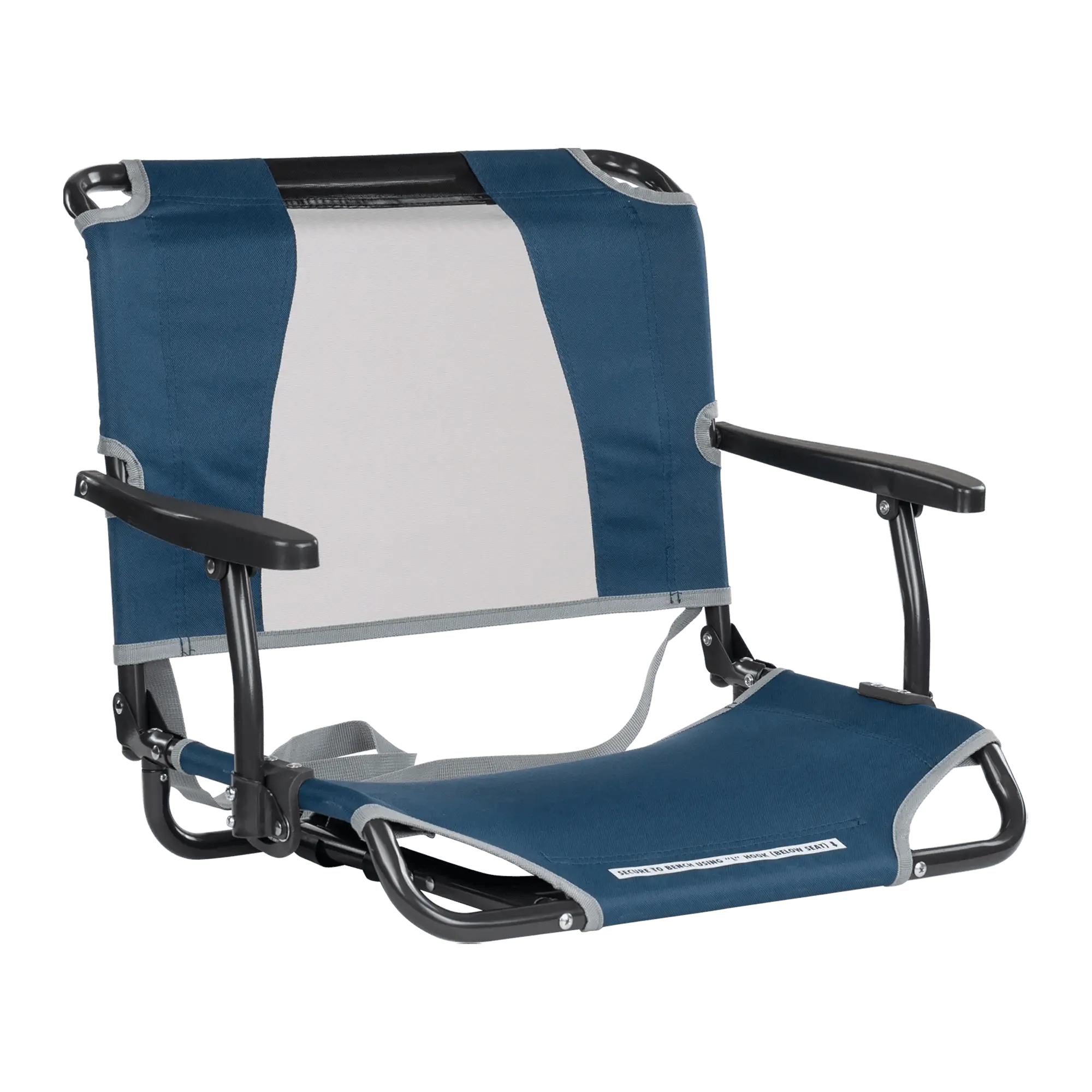
- You are near or above 250 lb: Step up to a chair rated at 330 lb, like the Big Comfort Stadium Chair with Armrests, and account for gear weight. Capacity is a ceiling, not a target. Leave a margin.
- You want to stretch out low: A low profile beach chair with a mesh back keeps you close to the sand and cool. Check that you can still stand up without help. Low is great for lounging, less great for knees.
Two GCI Outdoor chairs that fit different bodies
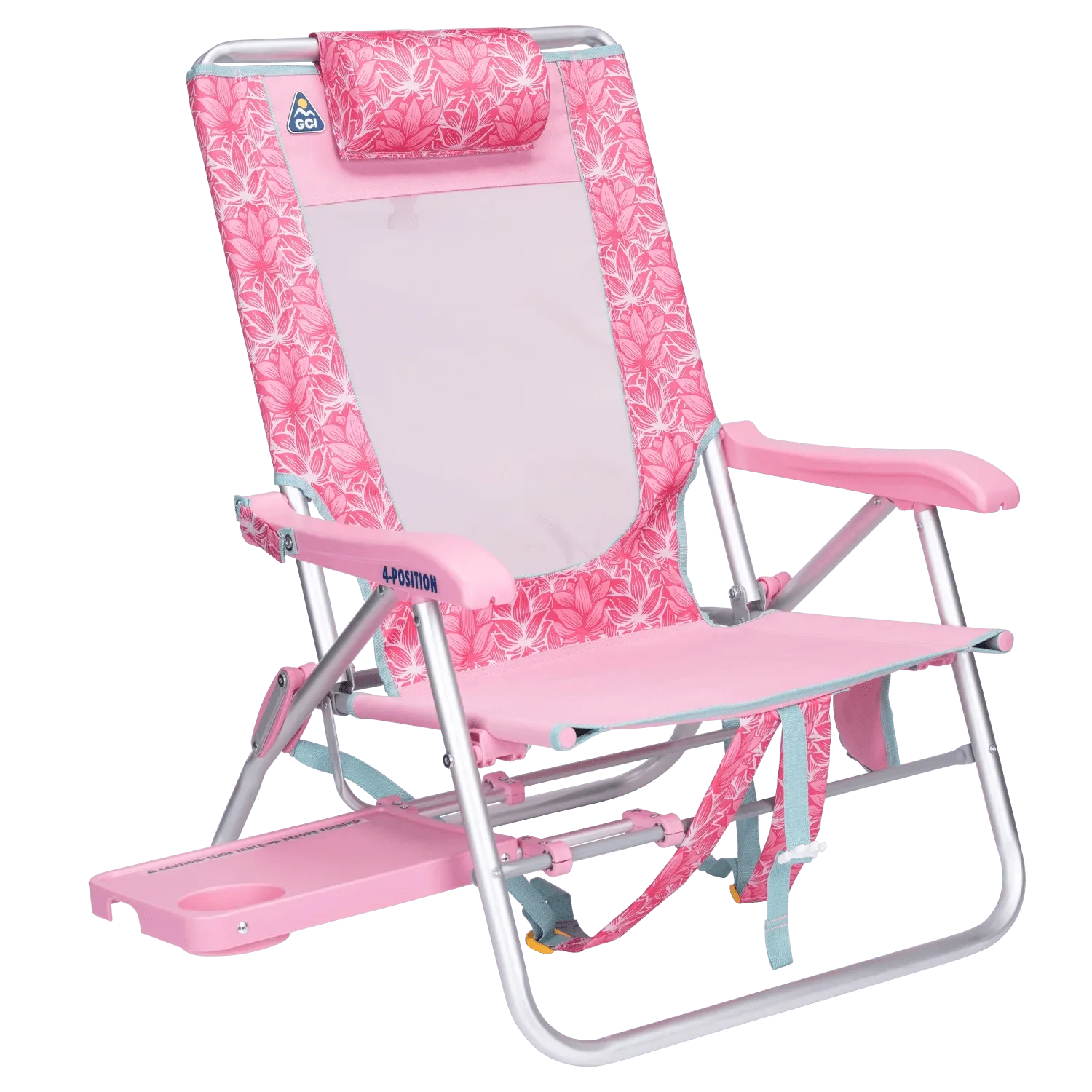
- Big Surf™ with Slide Table: Big Surf with Slide Table: aluminum and steel frame, reclining backrest, 250 lb weight capacity, backpack straps, and a slide table for snacks and drinks. The reclining backrest and slide table suit adults who want a relaxed, upright-to-reclined seat and a place for a drink without a separate table. The 250 lb capacity is the number to check if you carry gear or share the chair.
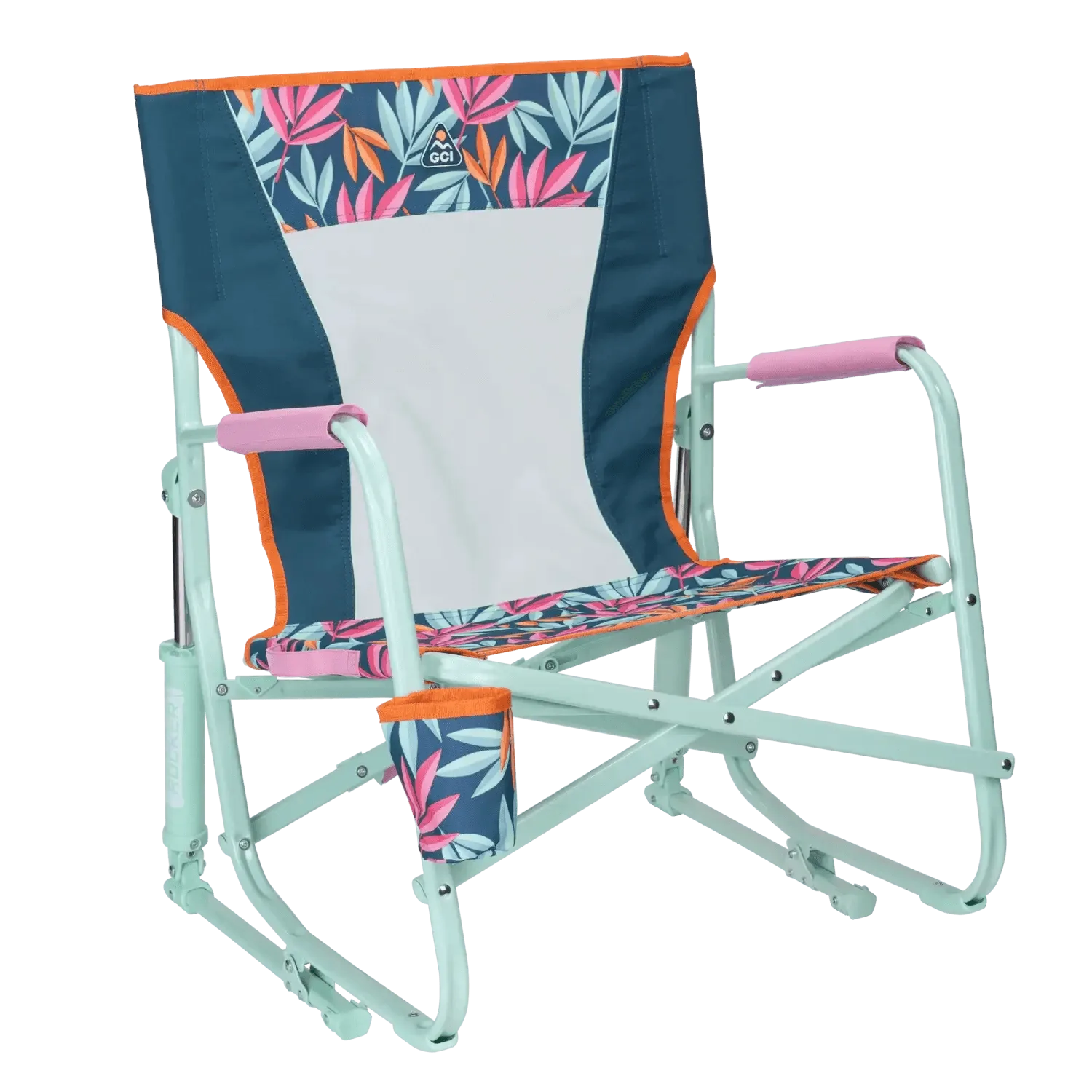
- Beach Rocker™: Beach Rocker: Spring-Action Rocking Technology, lowered seat, mesh backrest, 250 lb weight capacity. The lowered seat and mesh back make this a strong pick for shorter adults or anyone who wants a low profile beach chair with airflow. The rocking motion is gentle, but if you need a firm, still backrest for back pain, a non-rocking chair may feel more stable.
- Big Comfort Stadium Chair™ with Armrests: Big Comfort Stadium Chair with Armrests: elevated frame, steel construction, 330 lb weight capacity, L-hook attachment, carry strap. The 330 lb capacity and elevated frame give bigger bodies and taller users more room and a higher, easier-to-rise seat. It is built for bleachers, but the same elevated support logic applies if you want a beach chair that does not sit near the sand.
Who each chair is for
Best for
- Tall adults who want a higher, more upright seat and a backrest that reaches the shoulders
- Anyone who needs a beach chair weight capacity above 250 lb, such as the 330 lb Big Comfort Stadium Chair with Armrests
- People with back pain who want a firm backrest and a gentle recline rather than a deep sling
Not for
- Shorter adults who want a low profile beach chair close to the sand; a lowered seat like the Beach Rocker fits better
- Anyone who wants a rocking motion but needs a completely still backrest for back support
- Buyers who want a chair with no carry straps or backpack straps; check the carry method first