Quick Answer
Choose a bed frame that matches your mattress dimensions exactly—king for king, queen for queen—and account for frame thickness if you use a mattress pad. Measure your room and consider your sleeping style to avoid over- or under-sizing.
Selecting the right bed frame size is more than a style choice—it's about ensuring your mattress gets proper support and your bedroom feels balanced. A mismatched frame can lead to gaps, instability, or a cramped layout. This guide walks you through the key considerations so you can make a confident purchase.
Whether you're upgrading to a king or furnishing a guest room with a queen, understanding the relationship between frame and mattress dimensions is essential. We'll cover the standard sizes, how to measure your space, and the trade-offs of different frame styles—so you can enjoy both comfort and durability.
Understanding Standard Bed Frame Sizes
Standard bed frames are designed to fit standard mattress sizes: Twin, Full, Queen, King, and California King. For example, a queen mattress is typically 60 inches wide by 80 inches long, and a queen frame will have compatible dimensions. Always check the frame's stated mattress size compatibility, as some frames may have a slightly larger footprint to accommodate bed skirts or decorative trim.
When choosing a frame, consider the thickness of your mattress. A thicker mattress may require a frame with a higher side rail or a deeper bed skirt to keep proportions balanced. Also, remember that some frames are designed to work with a specific mattress type, such as innerspring or foam, so verify the weight capacity and support system.
- Measure your mattress width and length before shopping.
- Check the frame's interior dimensions to ensure a snug fit.
- Consider the overall height of the bed for ease of getting in and out.
Measuring Your Room and Planning for Comfort
A bed frame that fits your mattress but overwhelms your room can make the space feel cramped. Before purchasing, measure your bedroom's length and width. Leave at least 24 inches of walking space around the bed, and account for nightstands, dressers, and doors that need to open. For a king bed, which is 76 inches wide, ensure your room is at least 12 feet by 12 feet for a comfortable fit.
Also consider the bed's height. A tall frame may require a step stool for shorter family members or pets. Conversely, a low-profile frame can create a modern look but may be harder to get in and out of for those with mobility issues. Balance your aesthetic preferences with practical needs.
- Use painter's tape to outline the bed's footprint on the floor.
- Remember to account for a headboard's extra width if your frame includes one.
Frame Styles and Their Trade-offs
Upholstered bed frames, such as the https://sferrastore.shop/products/ashville-upholstered-bed-with-footboard-242390Ashville Upholstered Bed with Footboard, offer a soft, luxurious look and can add a layer of comfort when you sit up in bed. They often include a footboard that adds visual balance but may make the bed feel more enclosed. Platform beds have a lower profile and eliminate the need for a box spring, while sleigh beds have a classic curve that requires extra floor space.
When choosing a style, think about your room's décor and how you use your bed. If you like to read or watch TV in bed, an upholstered headboard provides a comfortable backrest. If you prefer a minimalist look, a simple metal or wood frame might be more suitable. Always ensure the frame's dimensions align with your mattress size.
- Consider a bed frame with a footboard if you want a more traditional look.
- For a guest room, a queen-size frame is versatile and fits most room sizes.
Compatibility with Mattress Accessories
Your bed frame must accommodate not just the mattress but also any accessories you plan to use, such as a mattress pad, topper, or fitted sheets. A mattress pad adds a few inches of height, so ensure your frame's side rails are tall enough to keep the mattress securely in place. For deep-pocket sheets, you'll need a frame that allows for extra fabric to tuck under the mattress.
Additionally, if you use a duvet cover or coverlet, the bed's overall appearance depends on the frame's proportions. A larger frame can make a duvet look more voluminous, while a slimmer frame keeps the bedding closer to the mattress edge. Keep these factors in mind when selecting your frame.
- Check that your fitted sheets are deep enough for your mattress and pad.
- If using a bed skirt, ensure the frame's legs allow for easy attachment.
Decision Rules for Choosing Your Bed Frame Size
- Match the mattress size exactly: Always choose a frame that specifies compatibility with your mattress size (e.g., King frame for King mattress). Check the frame's inner dimensions to ensure a snug fit. Verify the product description for 'fits King mattress' or similar.
- Measure your room's clearances: Ensure at least 24 inches of walking space around the bed. For a King bed, aim for a room of at least 12x12 feet; for Queen, 10x10 feet. Use painter's tape to mark the bed's footprint before buying.
- Consider your mattress thickness: If you use a mattress pad or topper, ensure the frame's side rails are tall enough to keep the mattress secure. Deep-pocket sheets may be required. Measure your mattress height and add any pad thickness.
SFERRA Bedding to Complement Your New Bed
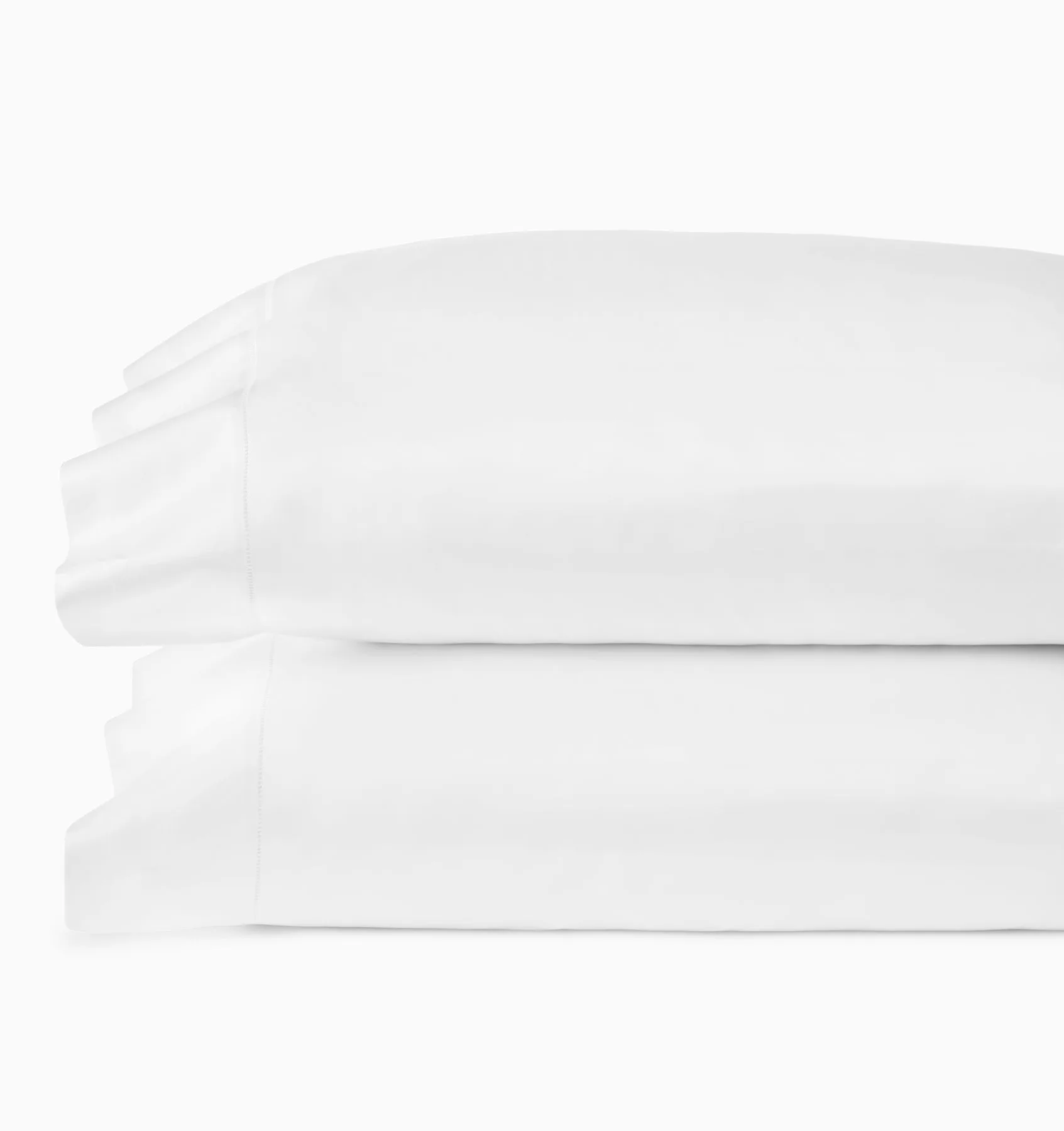
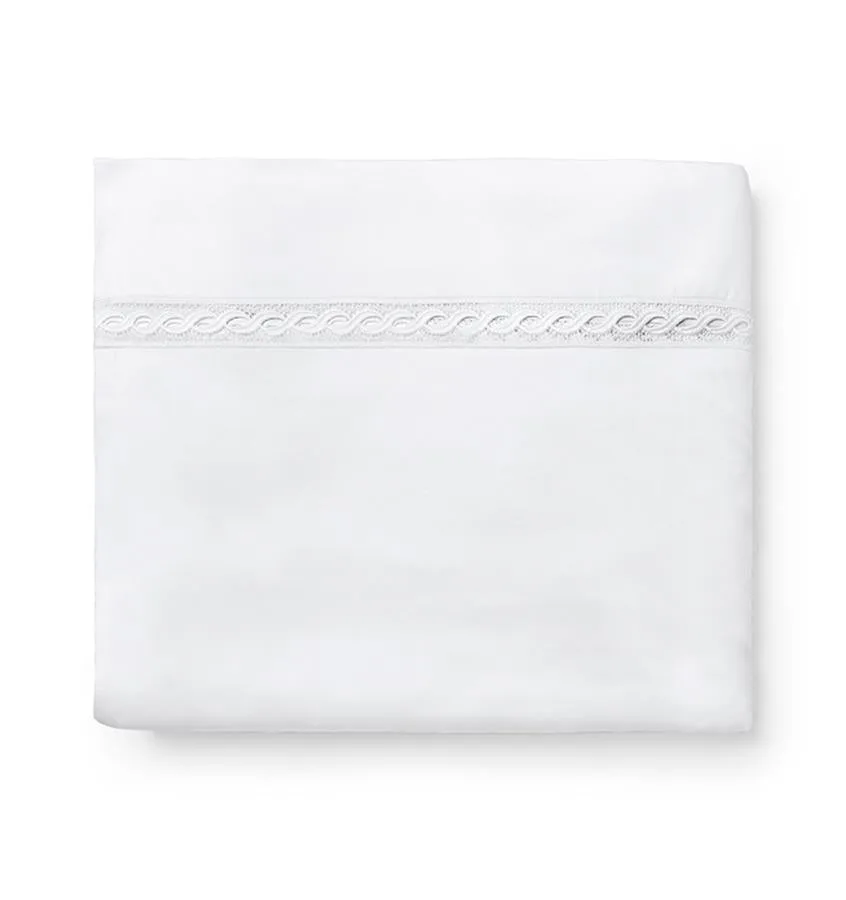
- Milos Duvet Cover: Crafted in Italy from 100% extra-long-staple cotton with a 1,020 thread count, this bedding collection has an incredibly soft hand and luminous sheen that is strong, yet supple. Once you've chosen your bed frame, a high-quality duvet cover like Milos enhances the luxurious feel and ensures a comfortable sleep environment.
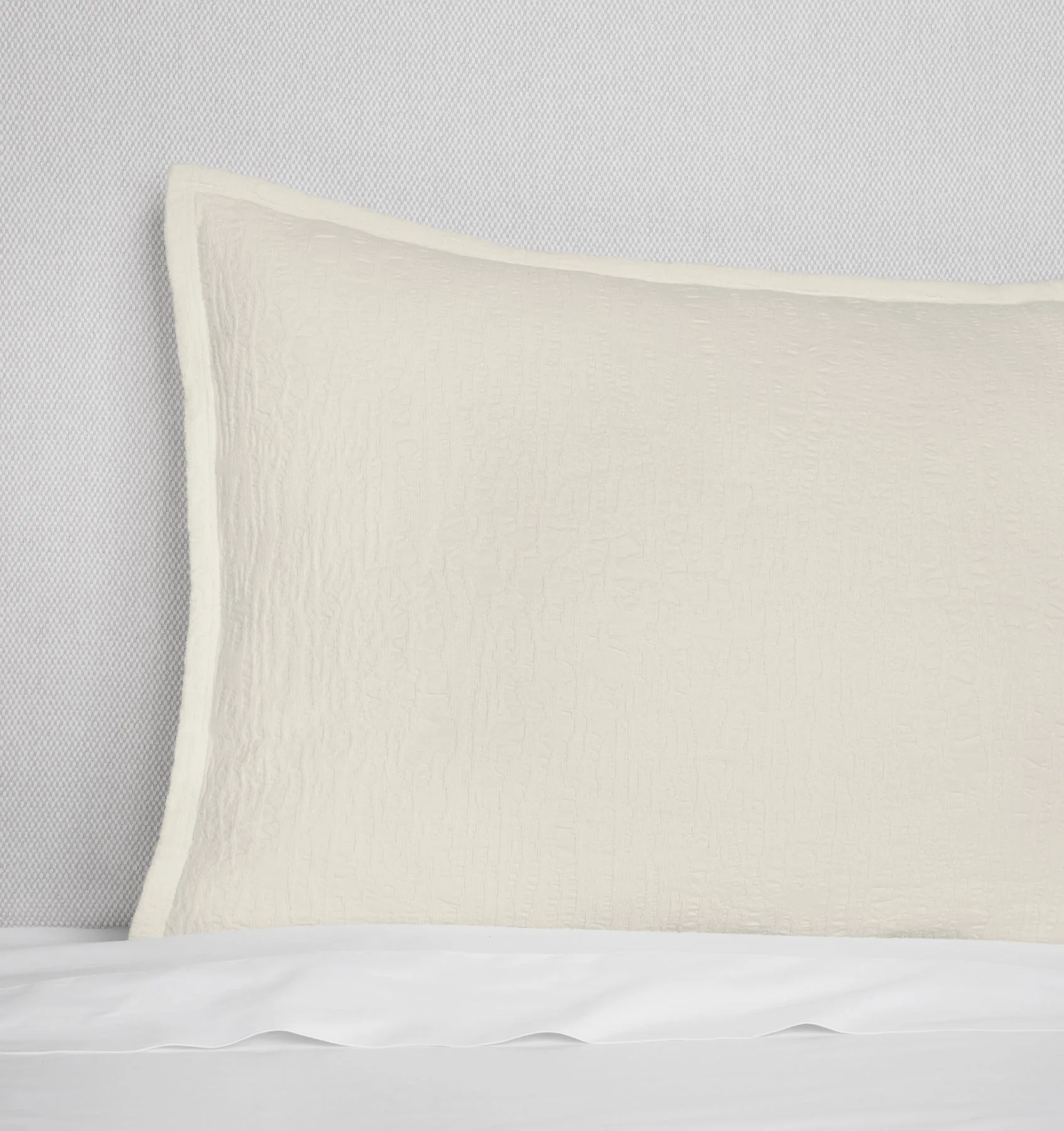
- Gaeta Coverlet: Gaeta is a piece-dyed cotton matelassé designed with an all-over braided chain motif. The supple drape and neutral color palette make Gaeta the perfect top layer over the Corda collection or any solid-colored sheeting. A coverlet adds a lightweight layer that complements your bed frame's style without adding bulk, making it easy to adjust for seasonal comfort.
Is This Bed Frame Size Right for You?
Best for
- Couples who need extra space and have a room large enough for a King bed.
- People who prefer a low-profile platform bed for a modern look.
Not for
- Small bedrooms where a Queen or Full frame would be more proportionate.
- Those who want a bed with a footboard and have limited floor space.
Choosing the right bed frame size ensures your mattress is well-supported and your bedroom feels comfortable. Measure carefully, consider your room's layout, and select a frame that matches your mattress and style preferences. With these guidelines, you'll create a restful and stylish retreat.