When it comes to range training and competition shooting, your belt is more than just a fashion statement—it's a critical piece of gear that holds your holster, magazine pouches, and other essential equipment. Choosing the right belt can make the difference between a smooth, efficient draw and a fumbling, frustrating experience. With so many options on the market, from duty belts to competition-specific designs, it's easy to feel overwhelmed. This guide will break down the key factors to consider, helping you make an informed decision that matches your shooting style and needs.
Whether you're a seasoned competitor in USPSA or a weekend warrior honing your skills at the range, the right belt provides stability, comfort, and quick access to your gear. In this article, we'll explore the differences between range belts and duty belts, the importance of belt width and material, and how to choose the perfect belt for your specific shooting discipline.
Range Belt vs. Duty Belt: What's the Difference?
The most common question shooters ask is whether they can use the same belt for both duty and range training. While some belts are versatile enough to serve dual purposes, there are distinct differences between a dedicated range belt and a duty belt. Duty belts are designed for law enforcement and military personnel who need to carry heavy gear like handcuffs, batons, and radios for extended periods. They are typically stiffer and thicker to distribute weight evenly and prevent sagging. However, this rigidity can be restrictive during dynamic movements like running, kneeling, or transitioning between targets.
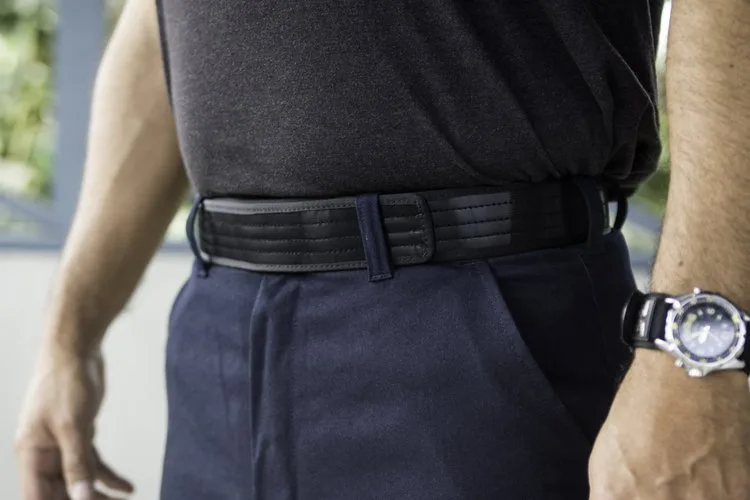
Range belts, on the other hand, are optimized for competition and training. They are often thinner and more flexible, allowing for a greater range of motion. Many competition shooters prefer a two-belt system: a stiff inner belt worn through the pant loops and a rigid outer belt that attaches via hook-and-loop. This setup provides a secure foundation for holsters and magazine pouches while remaining comfortable during long shooting sessions. For those who need a belt that can handle both duty and range use, a high-quality synthetic leather duty belt offers a balance of rigidity and comfort.
- Duty belts are stiffer and thicker to support heavy gear, while range belts prioritize flexibility and speed.
- Consider a two-belt system for competition: a rigid outer belt and a comfortable inner belt.
- If you need one belt for multiple roles, look for a hybrid design that balances rigidity with comfort.
Key Features to Look for in a Competition Belt
When selecting a belt for range training and competition, several features are essential. First and foremost is rigidity. A belt that bends or twists under the weight of a loaded holster will cause your gear to shift, leading to inconsistent draws. Look for belts made from stiff materials like reinforced nylon or high-performance synthetic leather. These materials maintain their shape while providing enough flexibility for natural movement.
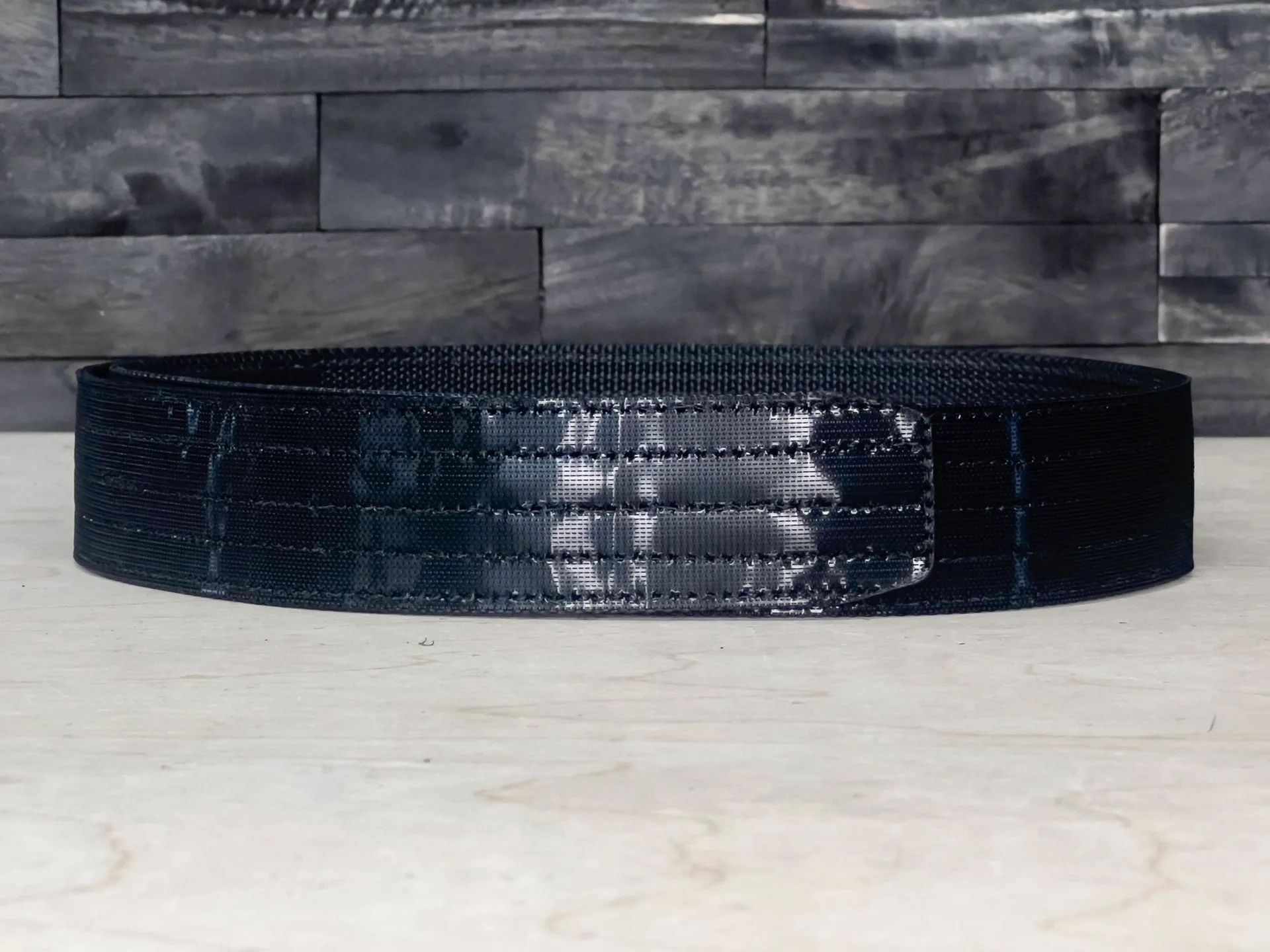
Another crucial feature is the belt's attachment system. Many competition belts use a hook-and-loop (Velcro) closure that allows you to adjust the fit precisely and attach a compatible outer belt. The inner belt should be comfortable against your skin, as you'll be wearing it for hours. For example, the PREDATOR INNER BELT - LOOP FASTENER LINED is designed to be worn inside your pants and provides a secure base for an outer belt. Additionally, consider the belt's width—most competition belts are 1.5 inches or 1.75 inches. The width affects holster compatibility and how well the belt fits through your pants' belt loops.
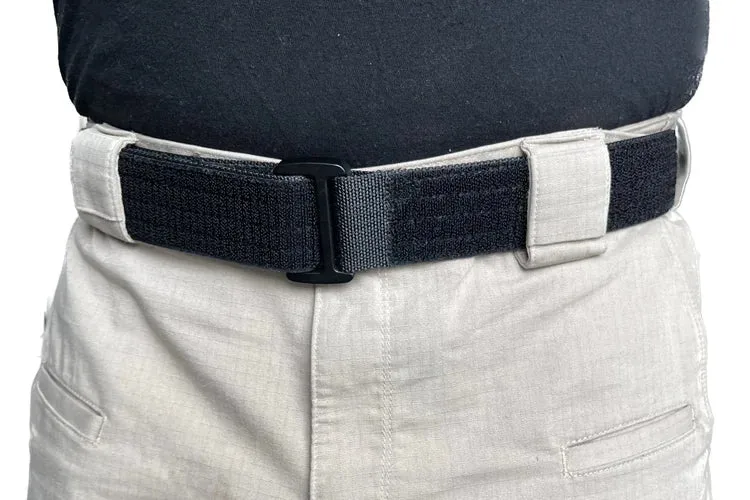
PREDATOR INNER BELT - LOOP FASTENER LINED
- Rigidity is crucial: a stiff belt prevents gear shift and ensures consistent draws.
- Hook-and-loop closure systems allow for precise adjustment and compatibility with outer belts.
- Choose a width (1.5 or 1.75 inches) that fits your holster and belt loops.
Choosing the Right Width: 1.5 vs. 1.75 Inches
The width of your belt is a critical decision that impacts comfort, holster compatibility, and overall performance. 1.5-inch belts are the most common and fit through standard belt loops on most pants. They are lightweight and ideal for concealed carry or lighter loads. However, for competition, a 1.5-inch belt may not provide enough surface area to stabilize larger holsters and multiple magazine pouches without sagging.
On the other hand, 1.75-inch belts offer a wider platform that distributes weight more evenly, making them a popular choice for competitive shooters who carry multiple magazines or heavier firearms. Many competition holsters and magazine pouches are designed to fit 1.75-inch belts, and the extra width helps keep your gear in place during rapid movements. If you're unsure which width to choose, consider the type of shooting you'll be doing. For USPSA or IPSC competitions, a 1.75-inch belt is often preferred for its stability. For more casual range training or concealed carry, a 1.5-inch belt may be sufficient.
- 1.5-inch belts are lighter and fit standard loops, but may not support heavy loads as well.
- 1.75-inch belts provide a wider platform, ideal for competition and multiple accessories.
- Check your holster's belt attachment to ensure compatibility with the belt width.
Material Matters: Nylon, Synthetic Leather, and More
The material of your belt affects its durability, comfort, and appearance. Nylon belts are lightweight, quick-drying, and affordable, making them a popular choice for outdoor and tactical use. However, they can stretch over time and may not offer the same level of rigidity as other materials. For a balance of durability and stiffness, consider a belt made from high-performance synthetic leather. This material is not only rigid but also resists moisture and wear, making it ideal for range use where sweat and dirt are common.
For those who prefer a more traditional look, the 1.75" PLAIN - HIGH PERFORMANCE SYNTHETIC LEATHER DUTY BELT offers a professional appearance suitable for both duty and training. If you're looking for a belt that can handle heavy loads and harsh conditions, a nylon belt with a reinforced core is a solid choice. Additionally, consider the belt's buckle and closure system. Some belts feature a quick-release buckle for fast adjustments, while others use a hook-and-loop system for a secure fit. The right material and closure will keep your gear stable and accessible throughout your training session.
- Nylon belts are lightweight and affordable but may stretch over time.
- Synthetic leather belts offer a balance of rigidity, durability, and a professional look.
- Consider the closure system: quick-release buckles vs. hook-and-loop for adjustability.
Accessories to Enhance Your Range Belt Setup
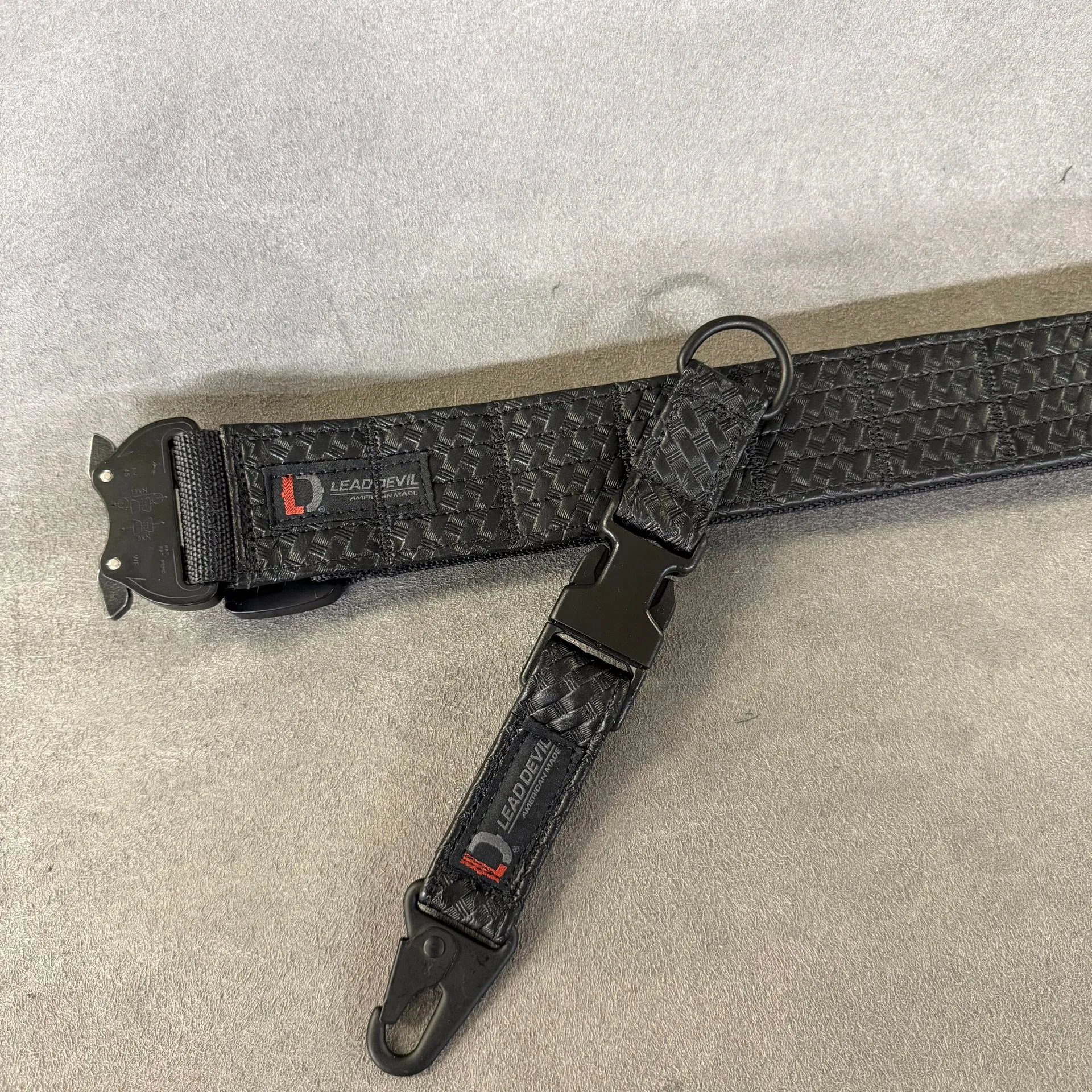
Once you've chosen the perfect belt, you can enhance its functionality with accessories. For example, the Utility Clip allows you to attach tools or keys to your belt, keeping them within easy reach. If you carry multiple magazines, consider using Gear Keepers to secure them firmly to your belt, preventing them from shifting during movement. These small additions can significantly improve your efficiency on the range.
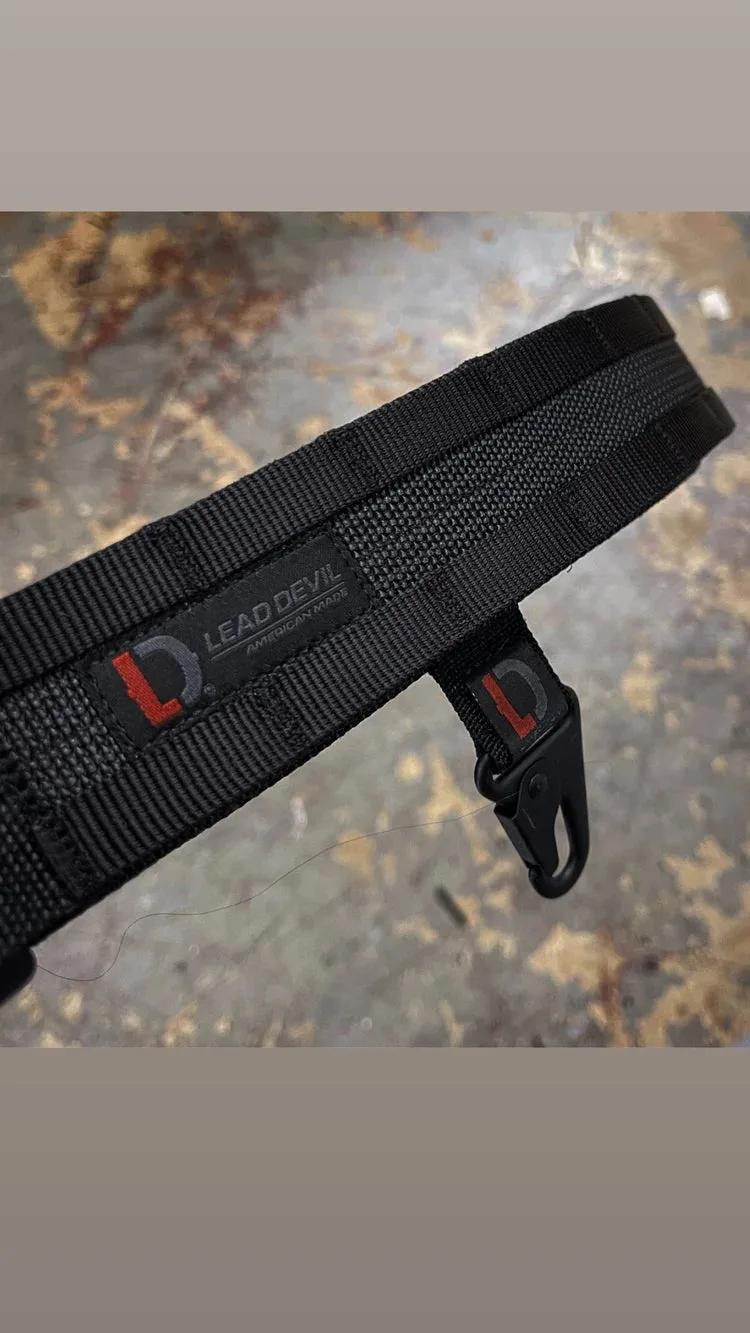
Utility Clip
Another useful accessory is a roll of hook-and-loop tape, such as the 2" Molded Hook "Velcro" (1 YARD STRIP). This can be used to customize your belt or attach patches and pouches. For those who use a two-belt system, the One Wrap, 1 yd Roll is perfect for securing cables or creating custom attachments. By investing in the right accessories, you can tailor your belt setup to your specific needs and shooting style.
- Utility clips and gear keepers help secure tools and magazines to your belt.
- Hook-and-loop tape allows for customization and attachment of accessories.
- Accessories can improve efficiency and comfort during long training sessions.
Top Picks for Range and Competition Belts
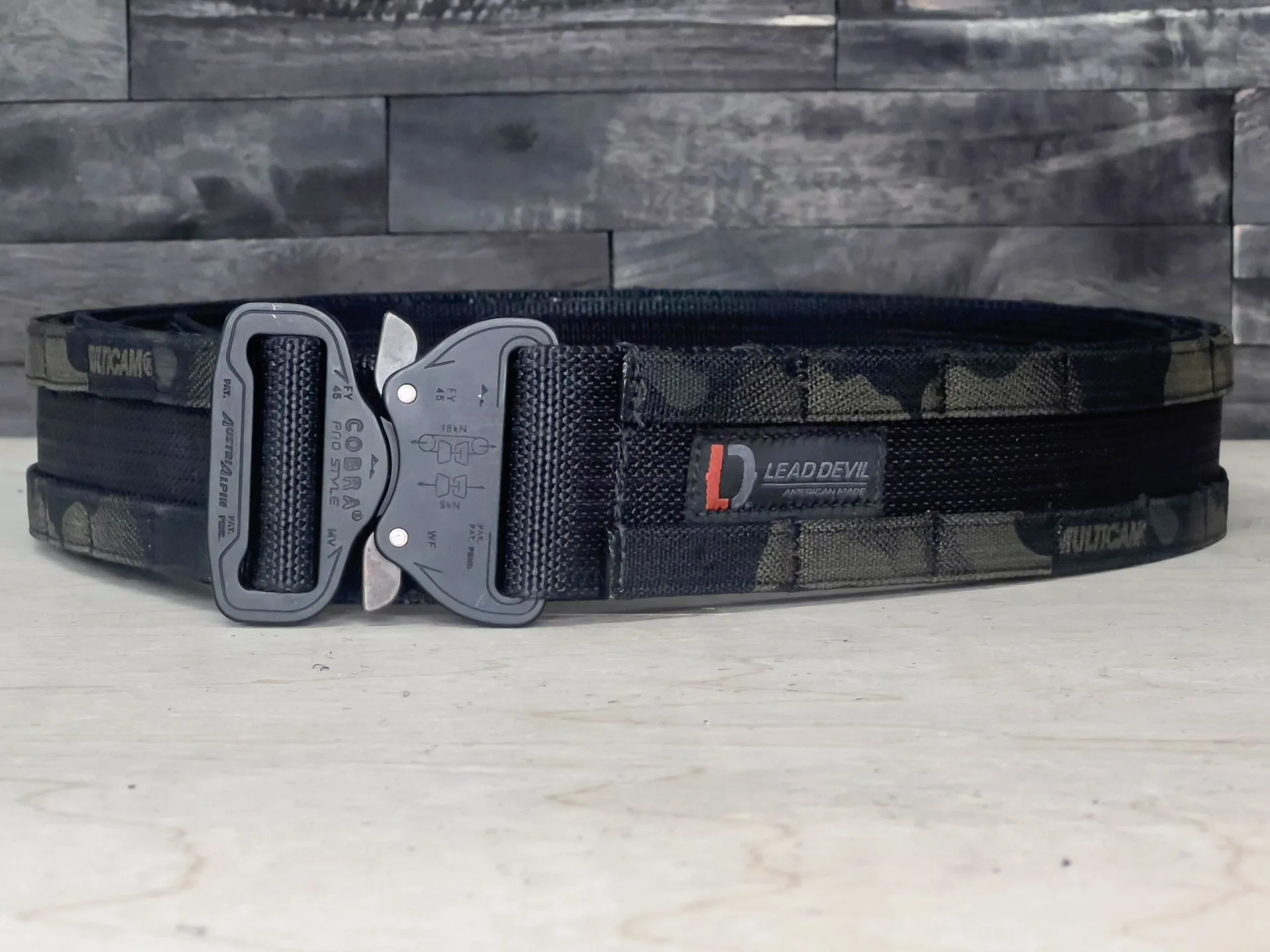
Based on the features discussed, here are some top recommendations for range and competition belts. The 1.75" Tactical Molle Camo Belts With D-Ring is an excellent choice for those who need a modular system with MOLLE compatibility, allowing you to attach pouches and accessories directly to the belt. Its D-ring adds versatility for attaching lanyards or gear. For a more discreet option, the 1.75" LOW VIZ PLAIN - HIGH PERFORMANCE SYNTHETIC LEATHER DUTY BELT offers a sleek, professional look that works well for both training and everyday carry.
If you prefer a belt that can transition from duty to competition, the 1.75" PLAIN - HIGH PERFORMANCE SYNTHETIC LEATHER DUTY BELT provides the rigidity and durability needed for heavy use. For those who need a comfortable inner belt for a two-belt system, the PREDATOR INNER BELT - LOOP FASTENER LINED is a great foundation. Remember to consider your specific needs, such as the type of shooting you do and the gear you carry, when making your final decision.
- The 1.75" Tactical Molle Camo Belt offers modularity and versatility.
- Low-viz synthetic leather belts provide a discreet yet durable option.
- Inner belts like the Predator are essential for two-belt competition setups.
Choosing the right belt for range training and competition is a personal decision that depends on your shooting style, gear requirements, and comfort preferences. By understanding the differences between range and duty belts, considering width and material, and exploring accessories, you can build a setup that enhances your performance. Whether you opt for a versatile synthetic leather belt or a modular MOLLE design, investing in a high-quality belt is a step toward improving your shooting experience. Explore our collection to find the perfect belt for your needs and take your training to the next level.