Quick answer
Match the brush shape and density to the product's texture and the finish you want. Use a dense, flat brush for foundation, a small tapered brush for concealer, a fluffy brush for blush, and a soft blending brush for eyeshadow. For clean beauty, choose synthetic brushes that are easy to wash and gentle on the skin.
Walking into a makeup brush aisle can feel overwhelming—there are dozens of shapes, sizes, and bristle types, each promising a different result. But the truth is, you don't need a huge collection to create a polished look. You just need the right brush for each product you use regularly.
This guide breaks down how to choose a brush for foundation, concealer, blush, eyeshadow, and more. We'll also cover common mistakes and how to care for your brushes so they last—and keep your skin happy.
Start with the basics: brush shapes and what they do
Before you shop, understand the three main brush shapes: flat, fluffy, and angled. Flat brushes (like a foundation brush) are dense and designed to pack product onto the skin. Fluffy brushes (like a blush or powder brush) are soft and airy, perfect for blending and diffusing color. Angled brushes are great for precise application, like defining brows or lining eyes.
Also consider the bristles. Synthetic bristles are ideal for cream and liquid products because they don't absorb product and are easy to clean. Natural bristles are better for powder products, but they can be more absorbent and require more care. For clean beauty, synthetic brushes are often a more sustainable and animal-friendly choice.
- Tip: When in doubt, choose a brush with a rounded, domed shape—it works for multiple purposes.
Match the brush to the product texture
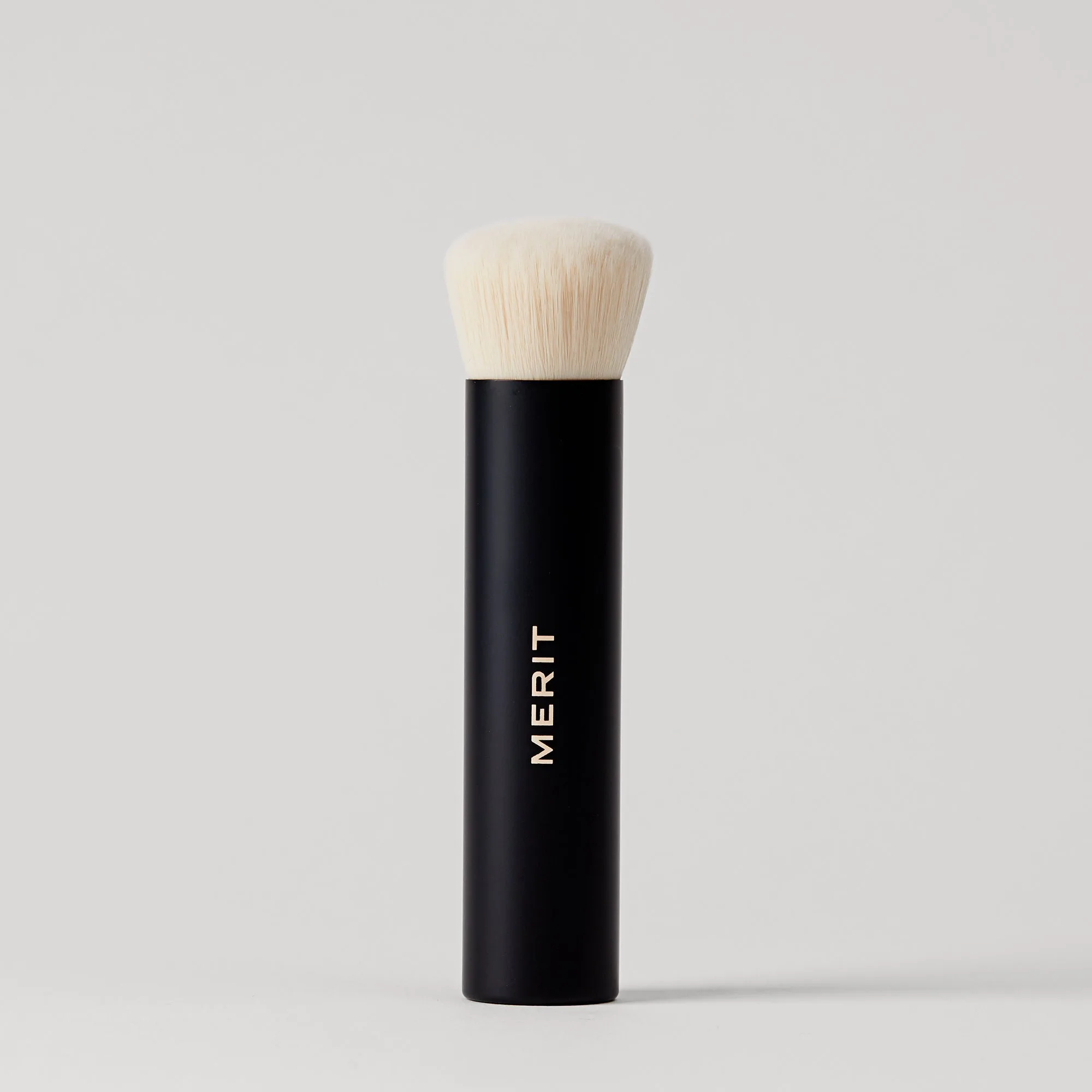
Foundation and concealer are usually liquid or cream, so you need a brush that can buff product into the skin without streaks. A dense, flat-top brush works well for foundation, while a small, tapered brush is perfect for concealer under the eyes or on blemishes. Avoid using the same brush for both—it can transfer bacteria and mix shades.
For blush, a fluffy, angled brush gives you control over placement and blends color naturally. For eyeshadow, you need two brushes: a flat shader to pack color on the lid and a soft blending brush to diffuse the edges. If you use a cream eyeshadow, a synthetic brush is best to avoid streaks.
- Checkpoint: If your foundation looks streaky, your brush is too dense or you're not blending enough—try a damp sponge instead.
Foundation brush vs. sponge: which is better?
Many people wonder whether to use a brush or a sponge for foundation. Brushes give more coverage and a smoother finish, especially with liquid formulas. Sponges are great for a sheer, dewy look and for blending in hard-to-reach areas like around the nose. But sponges can absorb product, so you may use more foundation.
If you prefer a natural, skin-like finish, a sponge might be your go-to. If you want more coverage or a more precise application, a brush is the better choice. You can also use both: apply with a brush and then blend with a damp sponge to remove any streaks.
- Tip: Clean your sponge after each use to prevent bacteria buildup—brushes need washing weekly.
How to choose a blush brush and eyeshadow brush
For blush, look for a brush that is soft and not too dense. A brush with a slight angle helps you apply blush to the apples of your cheeks and blend upward. A fluffy brush will give a diffused, natural look; a denser brush will deposit more color. If you use a cream blush, a synthetic brush is best for even blending.
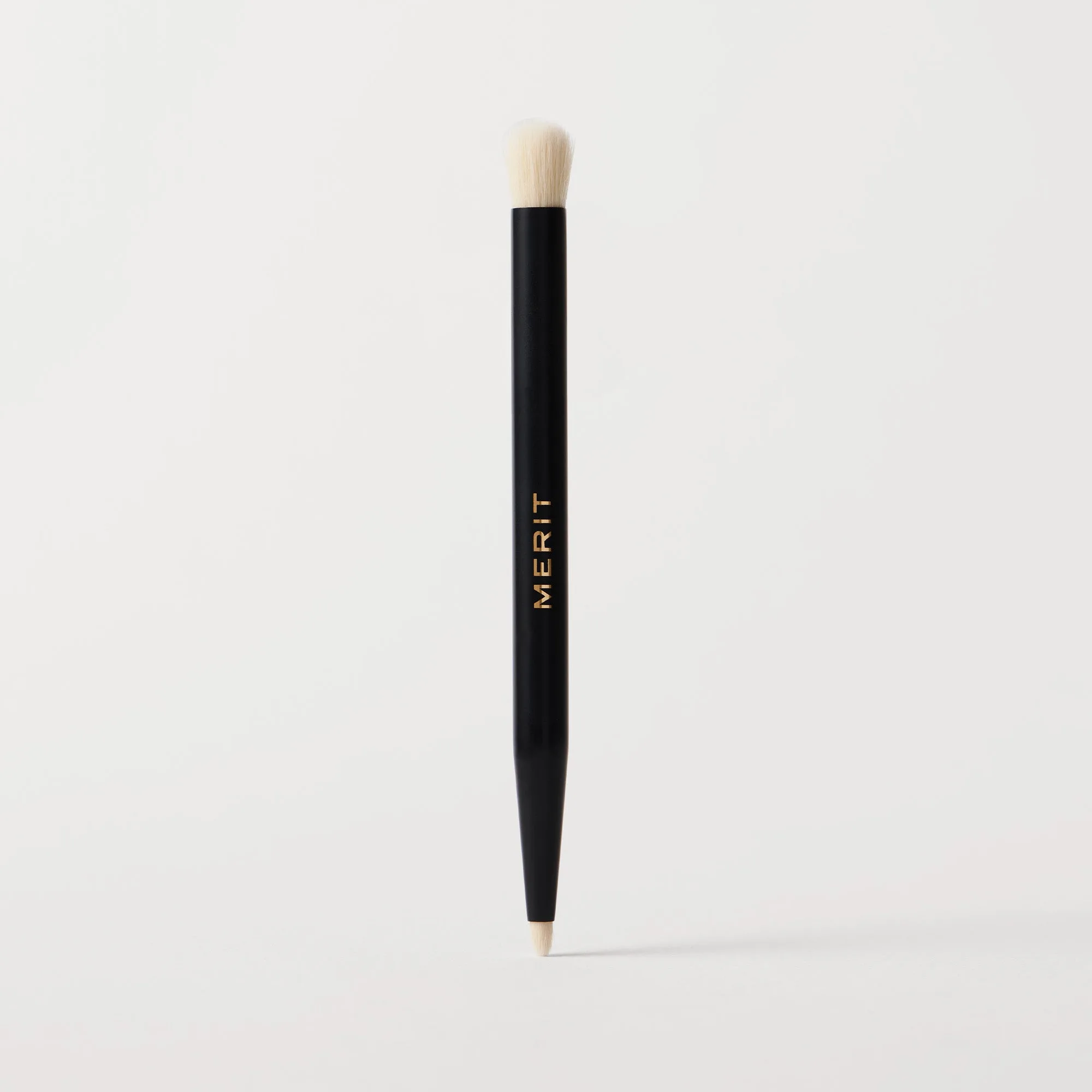
For eyeshadow, a flat, firm brush is essential for packing pigment onto the lid. A fluffy, dome-shaped brush is for blending the crease and softening edges. If you only buy two eyeshadow brushes, choose a flat shader and a blending brush. These will cover most looks, from natural to smoky.
- Checkpoint: If your blush looks patchy, your brush is too small or too dense—switch to a larger, fluffier brush.
Clean beauty brushes: what to look for
Clean beauty isn't just about the products you put on your skin—it's also about the tools you use. Look for brushes made with synthetic, vegan bristles and handles made from sustainable materials like bamboo or recycled aluminum. These are easier to clean and often last longer.
Synthetic brushes are also less likely to harbor bacteria, which is important for keeping your skin clear. When you clean your brushes, use a gentle soap or brush cleanser and let them dry flat or handle-down to preserve the glue. Avoid soaking brushes in water, as it can loosen the bristles.
- Tip: Wash your brushes at least once a week to prevent breakouts and ensure smooth application.
Step-by-step: choose the right brush for each product
- Assess your product textures: List the makeup products you use daily—foundation, concealer, blush, eyeshadow, etc. Note whether each is liquid, cream, or powder. This determines the brush shape and bristle type. Checkpoint: Liquid and cream products need synthetic, dense brushes; powders work with fluffy natural or synthetic brushes.
- Choose a foundation brush: For liquid or cream foundation, pick a dense, flat-top brush that buffs product into the skin. For a lighter finish, use a stippling brush or a damp sponge. Checkpoint: If you see streaks, switch to a sponge or use a buffing motion.
- Pick a concealer brush: Use a small, tapered brush with a pointed tip to apply concealer precisely on blemishes and under the eyes. This allows you to build coverage without disturbing the foundation. Checkpoint: Avoid using your fingers—a brush gives more even, hygienic application.
- Select a blush brush: Choose a fluffy, angled brush for powder blush, or a synthetic dome brush for cream blush. The angle helps you place color on the apples of your cheeks and blend upward. Checkpoint: If blush looks too harsh, use a clean fluffy brush to diffuse the edges.
- Get the right eyeshadow brushes: Buy at least two: a flat shader brush to pack color on the lid and a soft blending brush to soften the crease. For cream shadows, use a synthetic brush to avoid streaks. Checkpoint: A good blending brush is key to a seamless eye look—invest in quality.
- Clean and maintain your brushes: Wash synthetic brushes weekly with a gentle cleanser. Let them dry flat or handle-down to preserve the shape. Replace brushes when bristles start to shed or lose their shape. Checkpoint: Clean brushes not only last longer but also prevent breakouts.
Products that work well with the right brushes
- https://meritbeautyou.com/products/signature-lip-blush-286795Signature Lip Blush: Our Signature Lip Blush is a sheer matte lipstick with a lightweight, buildable formula that feels as comfortable as a balm. For a precise, natural lip look, use a small lip brush to apply this buildable color—especially if you want to control the intensity.
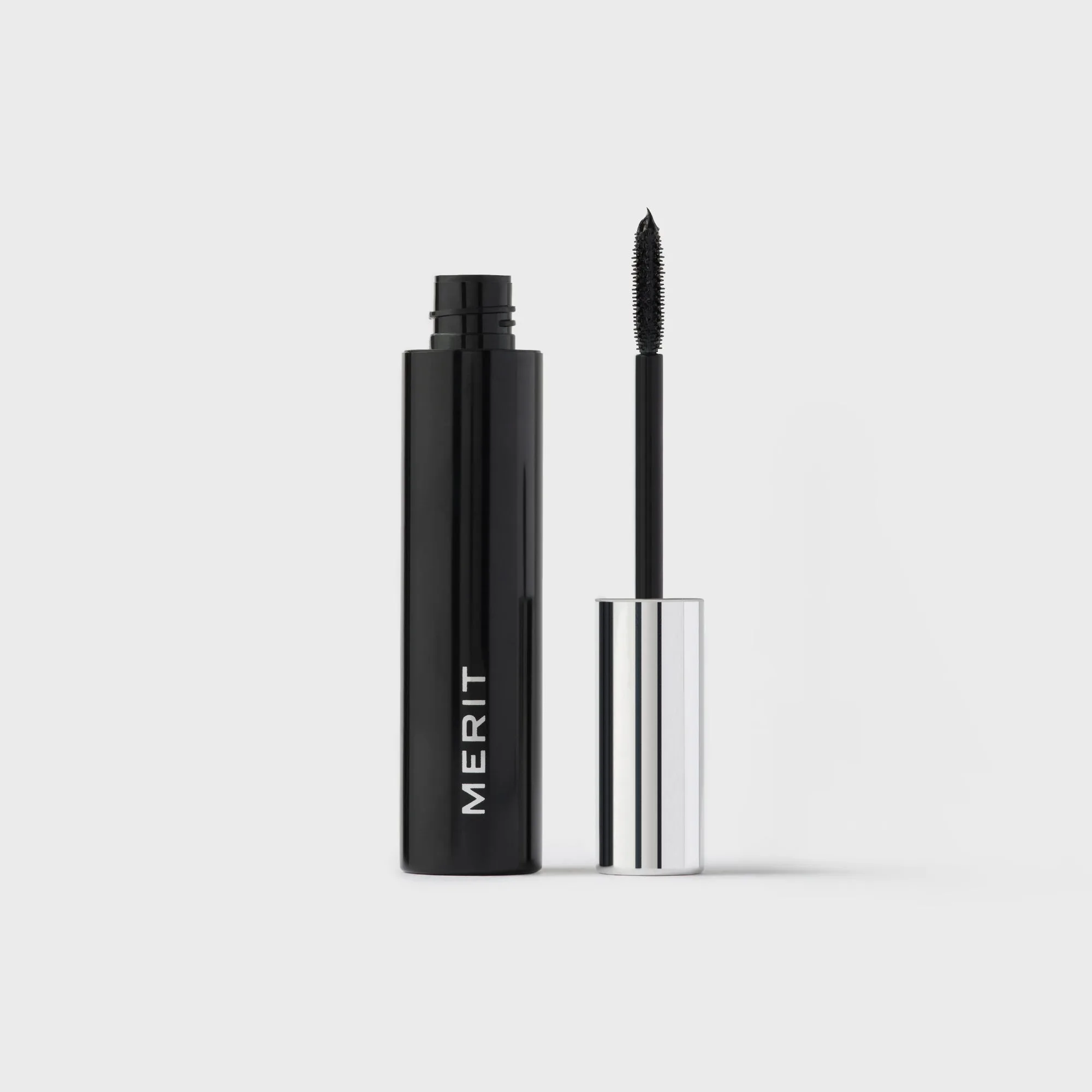
- Clean Volume: A lightweight tubing mascara that lifts and separates lashes for precise, buildable volume that lasts up to 16 hours. Use a clean mascara wand or a lash comb to separate lashes after applying—this tubing formula removes easily with warm water, so you don't need harsh removers.
Choosing the right brush doesn't have to be complicated. Focus on the product textures you use most, invest in a few versatile, high-quality brushes, and keep them clean. With the right tools, your makeup will apply more smoothly and look more natural—whether you're going for a full face or a five-minute routine.