Quick Answer
For most outdoor and indoor string light setups, LED bulbs are the better choice: they use up to 80% less energy, last far longer, and run cool to the touch. Choose incandescent only if you specifically want the warmest, most nostalgic glow and don't mind higher energy costs and more frequent replacements.
String lights can transform a patio, bedroom, or celebration space, but the bulbs you choose determine everything from the mood to your electricity bill. The two main options are LED and incandescent, and each has distinct trade-offs that matter depending on where and how you use them.
This guide breaks down the practical differences—energy use, heat, brightness, color temperature, and longevity—so you can confidently choose the right bulb for your string lights, whether you're buying new lights or replacing individual bulbs.
LED vs Incandescent: The Core Differences
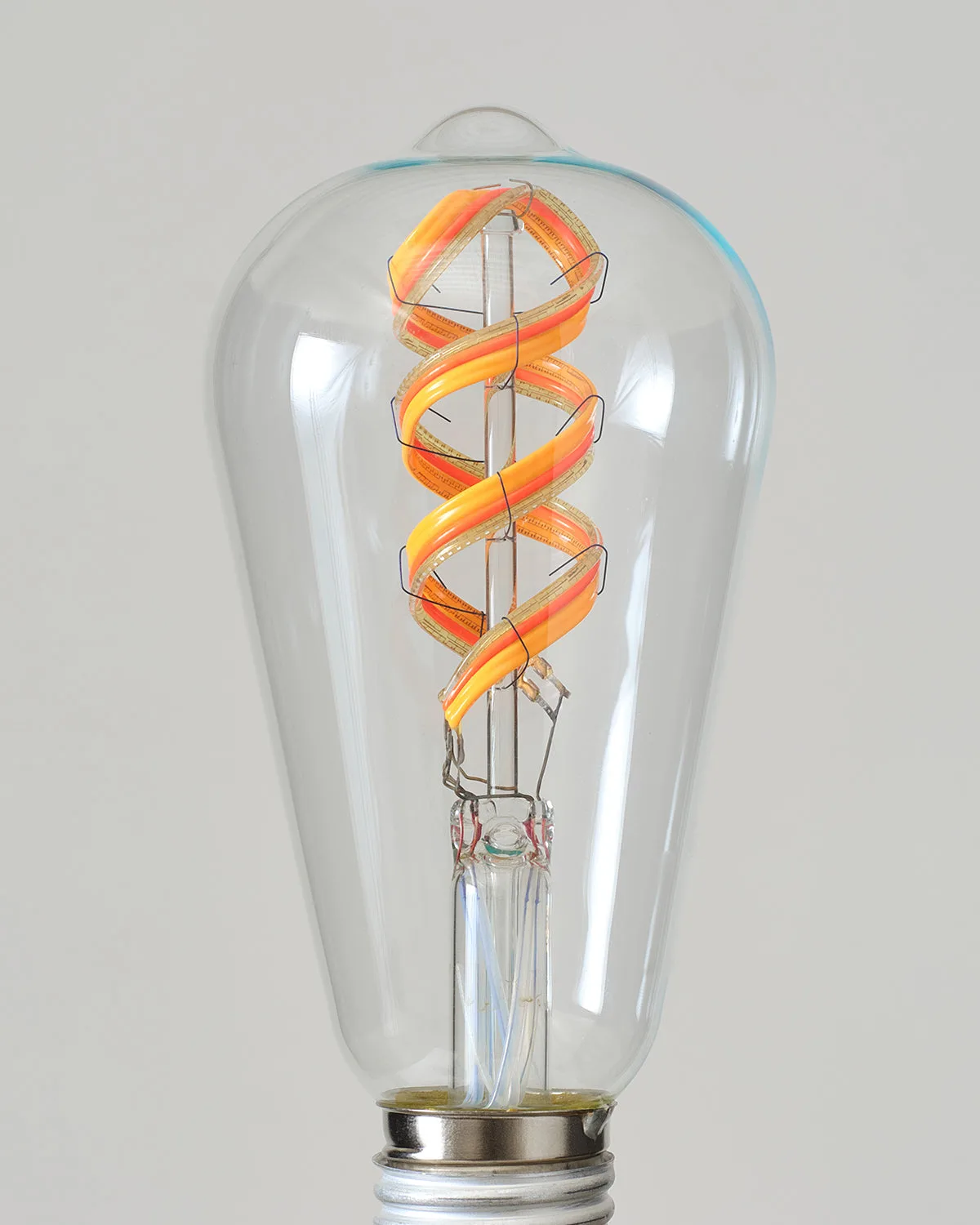
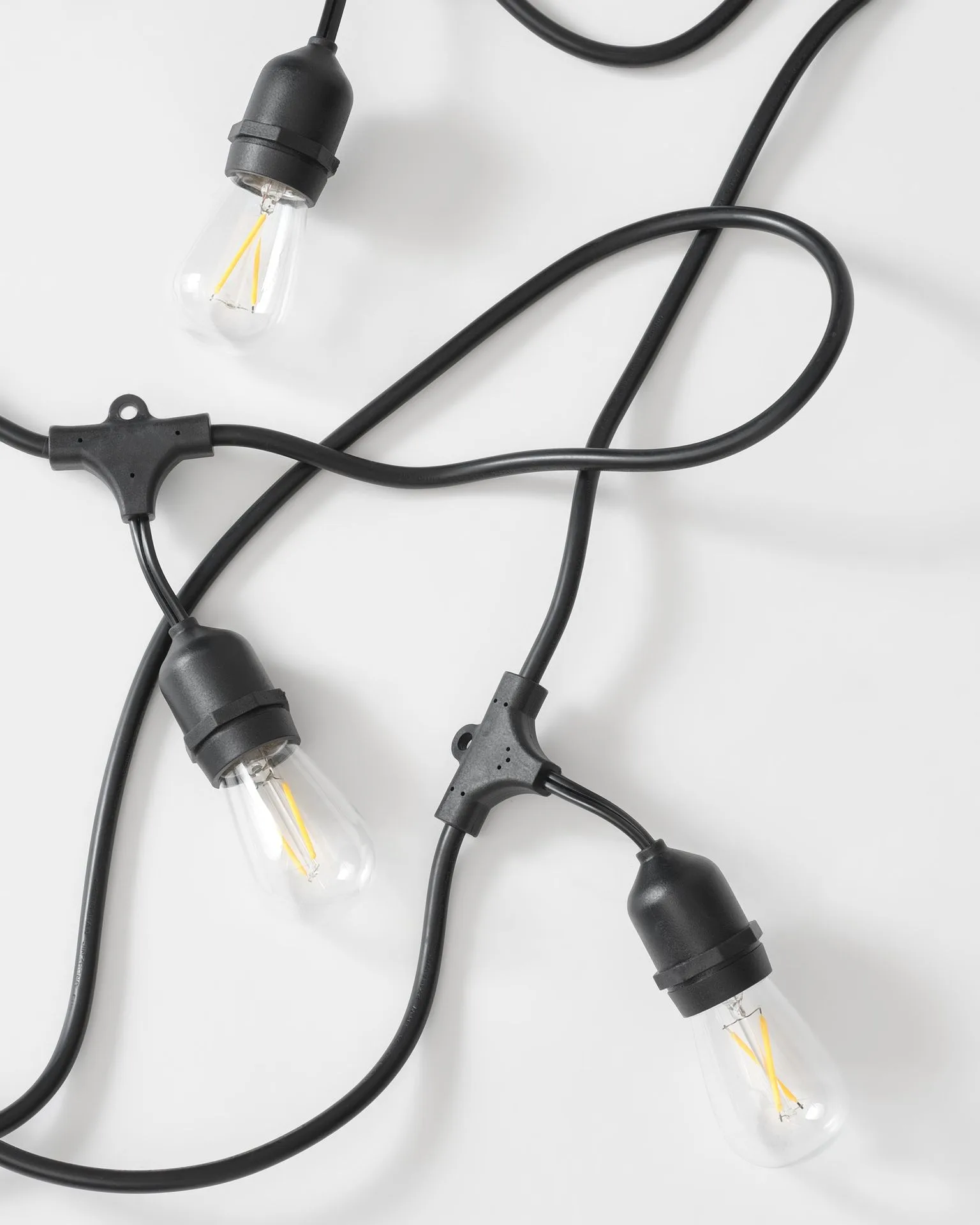
The most obvious difference is how each type produces light. Incandescent bulbs pass electricity through a thin filament, which glows when heated. That process creates a warm, familiar light but also generates significant heat—up to 90% of the energy is lost as heat rather than light. LED bulbs, on the other hand, use a semiconductor to emit light, which is far more efficient and produces almost no heat.
This efficiency translates into real numbers. LED string lights typically use about 80% less energy than incandescent equivalents, and they last 10 to 25 times longer—often 25,000 hours or more versus roughly 1,000 hours for incandescent. If you plan to run your string lights for several hours every evening, the energy savings alone can pay for the higher upfront cost of LEDs within a season.
- Check the bulb base type (e.g., E12, E17, or proprietary) before buying replacements; not all bulbs fit all string light sockets.
Brightness and Color Temperature: Warm White vs Cool White
Brightness is measured in lumens, not watts. A higher lumen count means a brighter light. Incandescent bulbs often have a lower lumen output per watt, so you may need a higher wattage to achieve the same brightness as an LED. For example, a 25-watt incandescent bulb might produce around 200 lumens, while a 2-watt LED can produce the same or more.
Color temperature is just as important as brightness. It's measured in Kelvin (K). Warm white (around 2700K) mimics the cozy glow of incandescent bulbs, which many people prefer for patios and bedrooms. Cool white (4000K and above) appears brighter and crisper, which can be better for task lighting or security. LED string lights often come in both warm and cool white versions, so you can choose the mood you want without sacrificing efficiency.
- If you love the classic incandescent look but want LED efficiency, look for LED bulbs labeled 'warm white' or '2700K'.
Heat, Safety, and Durability
Incandescent bulbs get hot—hot enough to burn skin or ignite dry leaves if placed too close to flammable materials. This makes them a poor choice for enclosed fixtures or areas with children and pets. LED bulbs run cool to the touch, which makes them safer for indoor use, especially in bedrooms or playrooms.
Durability is another factor. LED bulbs are solid-state, meaning they have no fragile filament to break. They're more resistant to vibration and shock, which is why they're often recommended for outdoor string lights that may be buffeted by wind. Incandescent bulbs, by contrast, can shatter if dropped or knocked, and they're more sensitive to temperature extremes.
- For outdoor string lights, choose LED bulbs rated for wet or damp locations to ensure they withstand rain and humidity.
Cost Considerations: Upfront vs Long-Term
Incandescent bulbs are cheaper to buy initially—often a fraction of the cost of LED bulbs. However, their shorter lifespan and higher energy use mean you'll replace them more often and pay more on your electricity bill. Over a few seasons, LEDs almost always come out ahead in total cost of ownership.
If you're on a tight budget and only plan to use string lights occasionally, incandescent might be a reasonable short-term choice. But for year-round or daily use, the energy savings and longevity of LED bulbs make them the more economical option in the long run.
- Calculate your savings: multiply your string light wattage by hours used per day and your electricity rate to estimate annual cost.
Decision Rules for Choosing Your String Light Bulbs
- If you want the lowest energy bill and longest lifespan: Choose LED bulbs. They use about 80% less energy and last 10–25 times longer than incandescent, making them ideal for daily or year-round use. Best for most households and outdoor setups.
- If you prioritize the warmest, most nostalgic glow: Incandescent bulbs produce a uniquely warm light that many people love. If you only use string lights occasionally and don't mind higher energy costs, they can deliver that classic look. Consider incandescent for occasional decorative use only.
- If you need to replace bulbs in an existing string light set: Check the base type and wattage rating of your current bulbs. LED replacements are available for most common bases, but ensure the wattage doesn't exceed the fixture's rating. Verify compatibility before purchasing replacement bulbs.
Product Facts to Consider
- RGB Hybrid Plug-in & Solar String Lights: These hybrid string lights work as fully solar-powered lights or switch to the included plug adapter during cloudy stretches and winter months, so your space stays glowing year round. With a remote that lets you choose between warm... This shows how LED string lights can offer flexibility in power source and color temperature, making them a versatile choice for year-round use without worrying about energy costs.
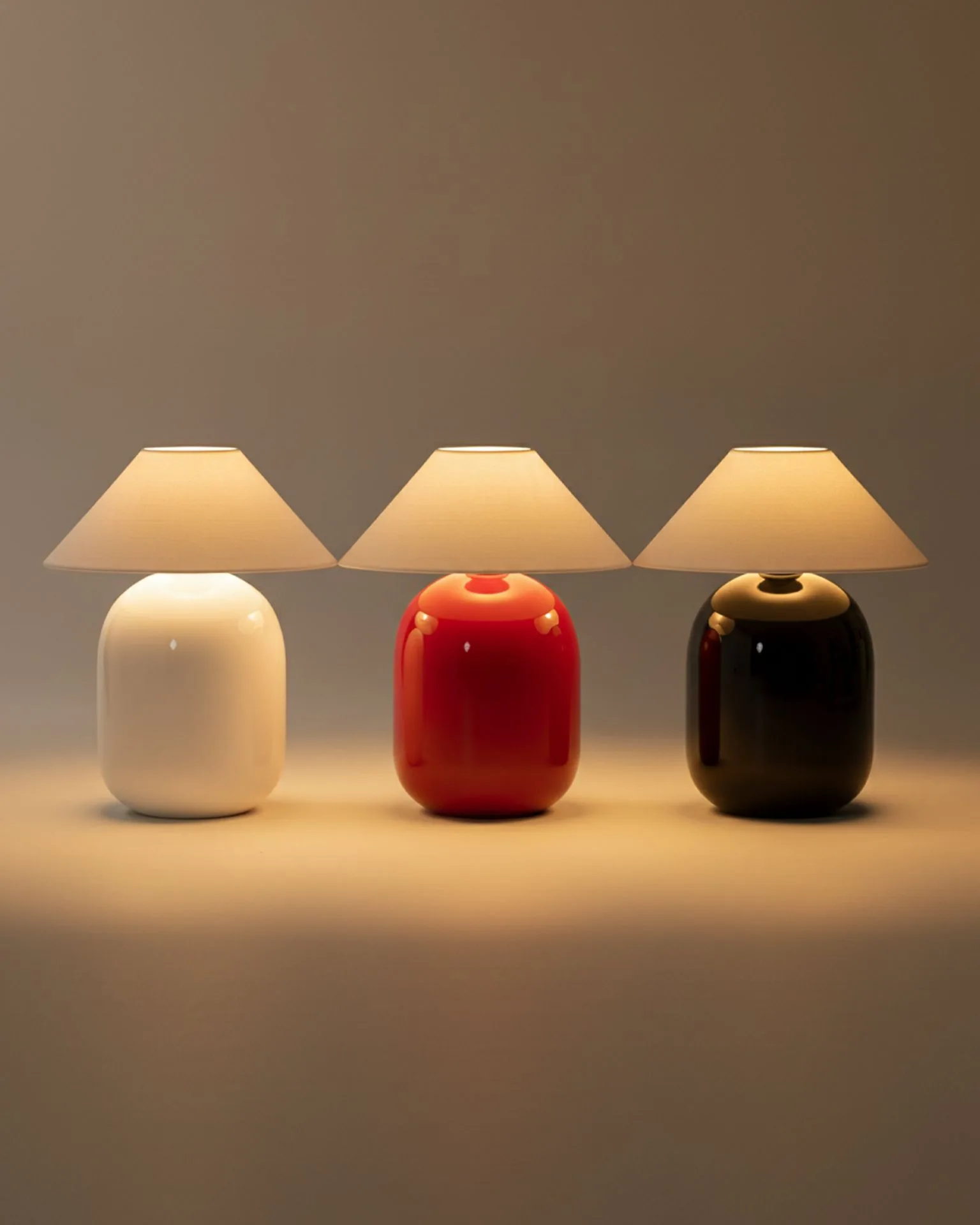
- Celia Portable Lamp: This rechargeable table lamp features smooth touch dimming and a cordless design, making it easy to move from room to room. With up to 30 hours of battery life and convenient USB-C recharging, Celia delivers reliable illumination without the clutter of cords. While not a string light, Celia demonstrates how LED technology enables portable, energy-efficient lighting—useful if you're considering LED bulbs for their low power draw in battery-operated fixtures.
Which Bulb Type Fits Your Needs?
Best for
- LED: Homeowners who want energy savings, low maintenance, and safe operation around children and pets.
- LED: Outdoor string lights that run for hours each night and need to withstand weather and vibration.
Not for
- Incandescent: Budget-conscious buyers who only use string lights a few times a year and don't mind replacing bulbs frequently.
Choosing between LED and incandescent string light bulbs comes down to your priorities: energy efficiency, longevity, and safety point to LED, while incandescent wins on upfront cost and that classic warm glow. For most people, LED is the smarter long-term investment, but if you're after a nostalgic look for occasional events, incandescent can still be a charming choice. Whichever you pick, always check the bulb base and wattage to ensure a proper fit.