Choosing the right cat bowl might seem like a simple task, but it can significantly impact your cat's eating habits, health, and overall well-being. With so many options available—from material to shape to size—it's easy to feel overwhelmed. This guide will walk you through the key factors to consider, ensuring you make an informed decision that your feline friend will appreciate.
Whether you're a new cat owner or looking to upgrade your current setup, understanding the pros and cons of different bowl types is essential. We'll cover everything from the durability of stainless steel to the aesthetic appeal of ceramic, and explain how the shape of the bowl can affect your cat's whiskers and posture. By the end, you'll know exactly what to look for when you shop for a cat bowl.
Why the Right Cat Bowl Matters
The bowl you choose affects more than just your cat's dining experience. It can influence their eating speed, digestion, and even their risk of developing certain health issues. For example, a bowl that is too deep or narrow may cause whisker fatigue—a condition where the cat's sensitive whiskers are overstimulated by touching the sides of the bowl, leading to stress and reluctance to eat.
Additionally, the material of the bowl can harbor bacteria if not cleaned properly, potentially causing chin acne or other skin irritations. By selecting the right bowl, you can promote healthier eating habits and prevent unnecessary discomfort for your cat.
- Consider your cat's age, health, and eating habits when choosing a bowl.
Cat Bowl Materials: Pros and Cons
The material of the bowl is one of the most critical decisions. The most common options are plastic, ceramic, stainless steel, and glass. Each has its own set of advantages and disadvantages that cater to different needs.
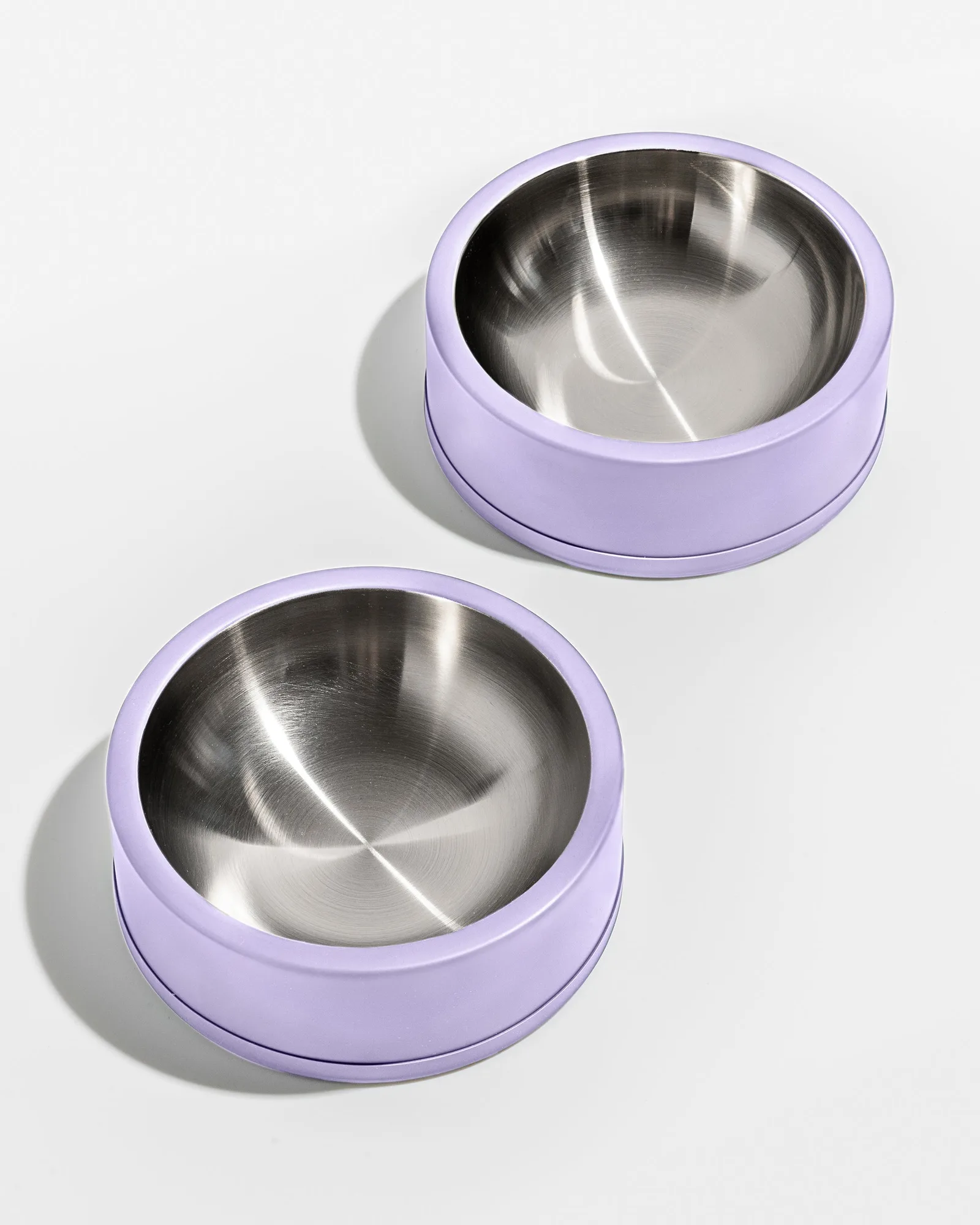
Plastic bowls are lightweight and inexpensive, but they are prone to scratching, which can harbor bacteria. They may also cause allergic reactions in some cats. Ceramic bowls are heavy and less likely to tip, and they come in a variety of designs, but they can chip or crack, and some glazes contain lead. Stainless steel bowls are durable, non-porous, and easy to clean, making them a popular choice among veterinarians. Glass bowls are also non-porous and easy to clean, but they can break easily.
For most cats, stainless steel or ceramic are excellent choices. If you prefer a bowl that is both functional and stylish, ceramic offers a wide range of options. However, if you have a cat that tends to knock over their bowl, a heavy ceramic bowl might be safer than a lightweight plastic one.
- Stainless steel is the most hygienic option, as it is non-porous and dishwasher-safe.
- Avoid plastic bowls if your cat has skin sensitivities or chin acne.
Understanding Cat Bowl Shapes
The shape of the bowl can affect your cat's comfort while eating. Shallow, wide bowls are generally recommended because they allow your cat to eat without their whiskers touching the sides, reducing whisker fatigue. This is especially important for cats with long whiskers or those that are sensitive to touch.
Some bowls are designed with a slanted or raised shape to promote better posture and reduce strain on the neck and joints. These are particularly beneficial for senior cats or those with arthritis. Additionally, there are slow feeder bowls with ridges or obstacles that encourage slower eating, which can help prevent vomiting and obesity.
When choosing a shape, consider your cat's age and health. A kitten may do well with a shallow bowl, while an older cat might benefit from a raised or slanted option. If your cat tends to eat too quickly, a slow feeder bowl can be a great solution.
- Look for a bowl with a wide, shallow design to prevent whisker fatigue.
- Consider a raised or slanted bowl for older cats or those with mobility issues.
Choosing the Right Size
The size of the bowl should correspond to your cat's size and eating habits. A bowl that is too small may cause your cat to eat from the sides, leading to mess and potential discomfort. A bowl that is too large might encourage overeating, especially if you free-feed.
As a general rule, the bowl's diameter should be at least the length of your cat's whiskers, so they don't touch the sides. For most adult cats, a bowl with a diameter of 6 to 8 inches is suitable. If you have multiple cats, you may need larger bowls or separate feeding stations to avoid competition.
Also, consider the depth. Some cats prefer to scoop food out, so a shallow bowl might be better. Others are fine with a deeper bowl. Observe your cat's behavior to determine what works best.
- Measure your cat's whiskers to ensure the bowl is wide enough.
- For multi-cat households, provide separate bowls to reduce stress.
Special Features to Consider
Beyond the basics, there are additional features that can make feeding time more enjoyable for your cat. For example, some bowls come with non-slip bases to prevent sliding, which is great for enthusiastic eaters. Others have elevated stands to raise the bowl to a comfortable height, reducing neck strain.
If your cat eats too quickly, a slow feeder bowl can be a game-changer. These bowls have obstacles that force your cat to work for their food, slowing down their eating and improving digestion. For cats that are prone to obesity, this can be a valuable tool.
When shopping for a cat bowl, consider your cat's specific needs. A cat that is a messy eater might benefit from a bowl with a wider rim or a mat underneath. A cat with dental issues might prefer a softer material. Always prioritize your cat's comfort and health.
- Non-slip bases prevent spills and reduce noise during mealtime.
- Slow feeder bowls can help prevent vomiting and obesity by slowing down eating.
Cat Bowl Maintenance and Hygiene
Proper cleaning is essential to keep your cat healthy. Regardless of the material, you should wash your cat's bowl daily with hot, soapy water. This prevents the buildup of bacteria and food residue that can cause illness. Stainless steel and glass bowls are dishwasher-safe, making them easier to maintain.
Ceramic bowls should be checked for cracks or chips, as these can harbor bacteria. Plastic bowls should be replaced regularly, as scratches can become breeding grounds for germs. Always rinse bowls thoroughly to remove any soap residue, which can be harmful to your cat.
Having multiple bowls can make rotation easier, ensuring one is always clean and ready. Additionally, consider using a placemat under the bowl to catch spills and keep your floor clean. This is especially helpful if your cat is a messy eater.
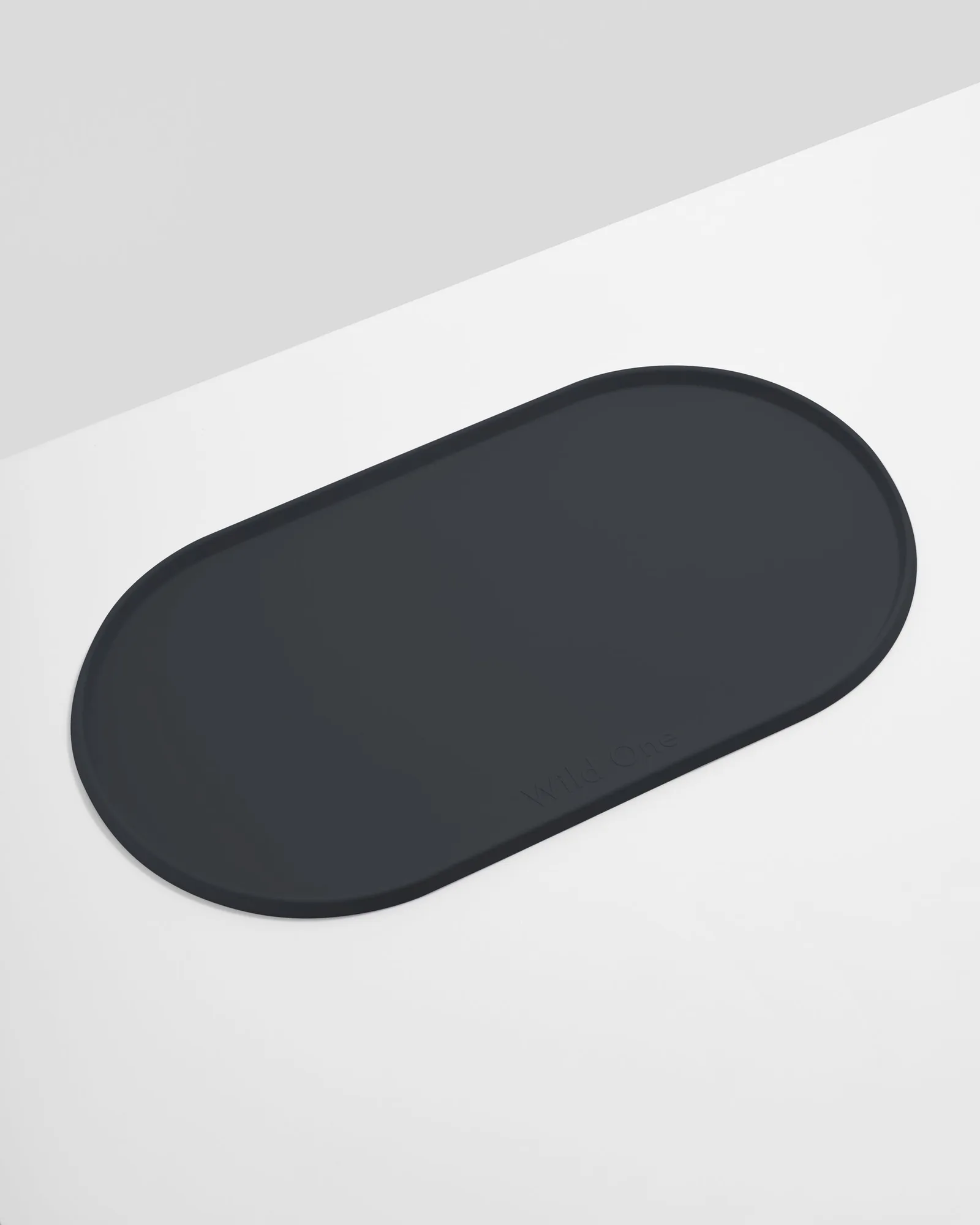
placemat
- Wash your cat's bowl daily to prevent bacterial growth.
- Inspect ceramic bowls for damage and replace plastic bowls regularly.
Choosing the right cat bowl is a simple yet impactful decision that can enhance your cat's quality of life. By considering the material, shape, and size, you can ensure that your cat enjoys mealtime without discomfort. Remember to prioritize hygiene and your cat's specific needs. With the right bowl, you'll be supporting your cat's health and happiness for years to come.