Quick Answer
Choose a cat slow feeder based on your cat's eating speed, the type of food you serve, and how easy the feeder is to clean. For most fast eaters, a silicone feeder with raised ridges and a suction base works well for both wet and dry food, but if your cat is a messy eater or you prefer dishwasher-safe options, prioritize those features.
cat slow feeder
If your cat inhales meals in seconds, a slow feeder can be a game-changer for their digestion and weight management. But with so many designs on the market, how do you pick the right one? This guide breaks down the key factors to consider, from material and design to cleaning and your cat's specific eating habits.
We'll also look at a specific product—the Cat Slow Feeder from Wildone—to see how it stacks up against common needs. By the end, you'll have clear decision rules to make an informed choice.
Understand Your Cat's Eating Habits
Before buying a slow feeder, observe how your cat eats. Do they gulp down food without chewing? Do they finish in under a minute? Fast eaters often benefit from feeders with more obstacles, as these force them to work for their food. Cats that eat moderately might only need a gentle slowdown, so a simpler design could suffice.
Also consider if your cat tends to vomit after eating or shows signs of bloating. Slow feeders can help reduce these issues, but if your cat has a medical condition, consult your vet first. Knowing your cat's baseline helps you choose the right level of challenge.
- Watch your cat during mealtime for a few days to note eating speed and any mess.
- If your cat is very young, very old, or has dental issues, a slow feeder might frustrate them—start with a mild design.
Material and Safety
Slow feeders come in various materials, including plastic, ceramic, and silicone. Silicone is a popular choice because it's flexible, BPA-free, and often dishwasher-safe. It also provides a non-slip surface when paired with a suction base, which is helpful for enthusiastic eaters who push their bowl around.
Ceramic feeders are heavier and more stable, but they can chip or break. Plastic feeders are lightweight and affordable, but some cats may be sensitive to plastic, and it can scratch over time, harboring bacteria. Choose a material that is food-safe and easy to clean thoroughly.
- Check if the feeder is dishwasher-safe for easy cleaning.
- If your cat has sensitive skin or allergies, opt for a non-porous material like silicone or ceramic.
Design and Difficulty Level
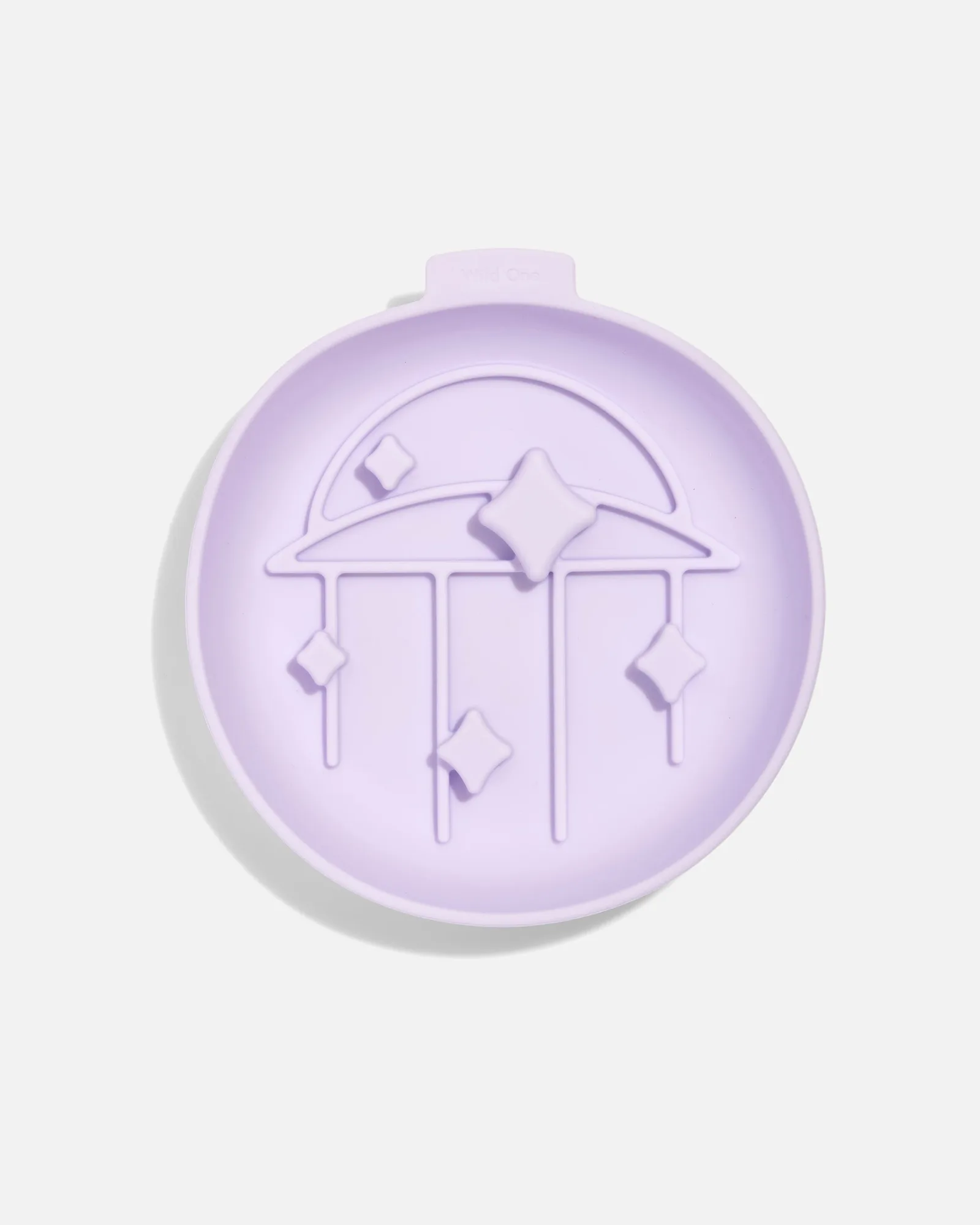
Slow feeder designs range from simple raised ridges to complex mazes. The right difficulty depends on your cat's persistence. A feeder with prominent ridges and valleys, like the Cat Slow Feeder, encourages slower eating by making your cat navigate around obstacles. This works well for both wet and dry food, though wet food may need a wider pattern to avoid frustration.
Consider the depth and width of the feeder. Shallow feeders are easier for cats with flat faces, while deeper ones might be too challenging. Also, look for a feeder that fits your cat's bowl size if you plan to use it with an existing bowl.
- Start with a moderate difficulty level and adjust if your cat gets frustrated or gives up.
- If your cat eats wet food, choose a feeder with wider channels to prevent food from getting stuck.
Cleaning and Maintenance
A slow feeder that's hard to clean will quickly become a hygiene problem. Look for feeders that are dishwasher-safe or have smooth surfaces without hard-to-reach crevices. Silicone feeders are often easier to clean because they can be turned inside out, and they don't absorb odors.
If you feed wet food, you'll need to clean the feeder after every meal to prevent bacterial growth. Dry food feeders might only need a wipe-down or weekly wash. Consider how much time you're willing to spend on maintenance.
- Rinse the feeder immediately after use to prevent food from drying on.
- Use a bottle brush to clean any narrow grooves if the feeder isn't dishwasher-safe.
Decision Rules for Choosing a Cat Slow Feeder
- Fast eater: If your cat finishes meals in under a minute, choose a feeder with pronounced ridges and valleys to increase eating time. Look for a design that forces your cat to work for food, like the Cat Slow Feeder.
- Wet food diet: For wet food, select a feeder with wider channels to prevent food from getting stuck and to make cleaning easier. Consider a silicone feeder that can be rinsed thoroughly.
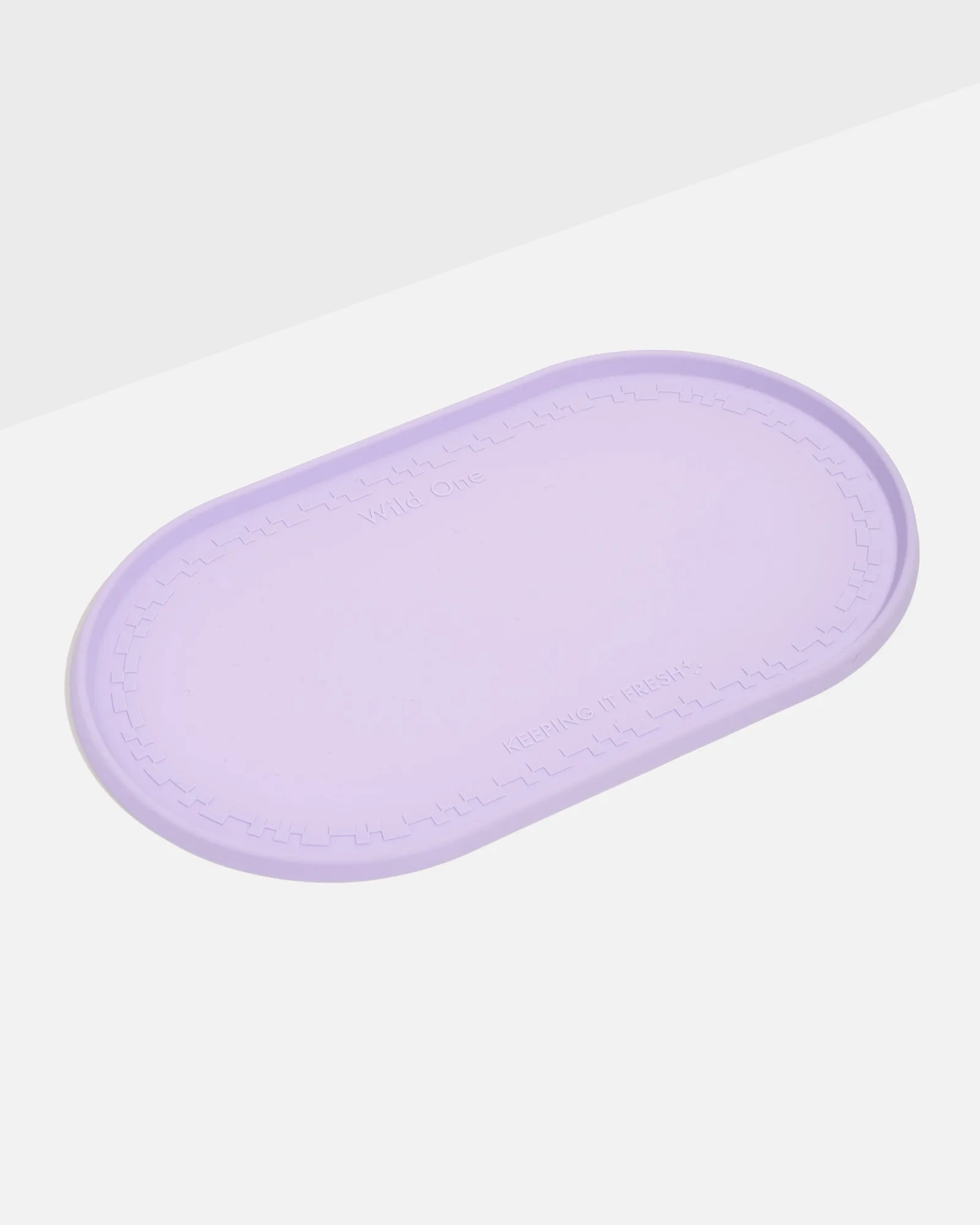
- Messy eater: If your cat scatters food, a feeder with a suction base and raised edges can help contain mess. Pair the feeder with a placemat-293796">Cat Placemat for extra spill protection.
- Cleaning preference: If you prefer low-maintenance cleaning, choose a dishwasher-safe feeder made of silicone or ceramic. Check the product description for dishwasher safety.
Product Spotlight: Wildone Cat Slow Feeder
- Cat Slow Feeder: Designed with ridges and valleys to encourage slower eating, it supports better digestion and weight management. This design is ideal for fast eaters who need a moderate challenge to slow down and eat more mindfully.
- Cat Slow Feeder: Made from BPA-free, dishwasher-safe silicone with a strong suction base to keep it securely in place during meals. The suction base prevents tipping and sliding, which is great for cats that push their bowl around. Dishwasher-safe silicone makes cleaning effortless and ensures no harmful chemicals.
Is a Cat Slow Feeder Right for Your Cat?
Best for
- Cats that eat too quickly and show signs of digestive discomfort
- Multi-cat households where one cat steals food from others
- Owners who want to manage their cat's weight by slowing down eating
Not for
- Cats with dental issues or jaw pain that make chewing difficult
- Very young kittens that are still learning to eat solid food
- Cats that become frustrated and refuse to eat from a feeder
Choosing the right cat slow feeder comes down to understanding your cat's eating speed, food type, and your cleaning preferences. Start with a design that offers a moderate challenge, and don't hesitate to try a different style if your cat doesn't take to it. With the right feeder, you can help your cat eat at a healthier pace and enjoy mealtime without the rush.