Quick answer
Choose a burr grinder over a blade model for consistent particle size, which is essential for any brewing method. Match the grind range to your brew: fine for espresso, medium for pour-over, and coarse for French press. If you brew multiple methods, look for a grinder with a wide range of settings.
Your grinder is the most important piece of gear after the coffee itself. It determines how evenly your coffee extracts, which directly affects flavor. A blade grinder chops beans unevenly, leading to bitter and sour notes in the same cup. A burr grinder crushes beans between two surfaces, giving you uniform particles and more control.
In this guide, we'll walk through the key differences between grinder types, how grind size affects different brewing methods, and the practical trade-offs to consider. By the end, you'll know exactly what to look for, whether you're a beginner or a seasoned home barista.
Burr vs Blade: The Core Decision
The first choice is between burr and blade grinders. Blade grinders use a spinning propeller to chop beans, which produces a wide range of particle sizes. This inconsistency leads to uneven extraction, making it hard to achieve a balanced cup. They're cheap and compact, but for most coffee enthusiasts, the trade-off isn't worth it.
Burr grinders, on the other hand, use two abrasive surfaces to crush beans to a uniform size. This consistency is crucial for controlling extraction and flavor. Burr grinders come in two types: flat and conical. Conical burrs are generally quieter and less prone to clogging, while flat burrs can offer even more uniformity at higher price points. For home use, a quality conical burr grinder is a solid choice.
- If you're on a tight budget, a blade grinder can work for French press or cold brew, where consistency matters less.
- For espresso and pour-over, a burr grinder is non-negotiable for good results.
Match Grind Size to Your Brewing Method
Each brewing method requires a specific grind size. Espresso needs a fine grind, almost like powdered sugar, to create the pressure needed for a rich shot. Pour-over methods like V60 or Chemex work best with a medium-fine grind, similar to table salt, which allows a balanced extraction in 2-4 minutes. French press calls for a coarse grind, like breadcrumbs, to avoid over-extraction during its long steep time.
When choosing a grinder, check its setting range. Some grinders are optimized for a narrow range, like espresso-only, while others offer a wide range from Turkish to French press. If you brew multiple methods, look for a grinder with stepless adjustment or enough steps to dial in different sizes.
- For espresso, even a small change in grind size can make a big difference in shot time and flavor.
- For French press, a consistent coarse grind prevents sludge in your cup.
Practical Considerations: Capacity, Noise, and Maintenance
Think about how much coffee you brew daily. If you're a single-cup brewer, a smaller grinder is fine. If you often brew for a group, a larger hopper and higher capacity are helpful. Also consider noise levels: some grinders are louder than others, which matters if you brew early in the morning.
Maintenance is another factor. Burr grinders need periodic cleaning to remove oil buildup, and some burrs are replaceable. Blade grinders are easier to clean but can't be sharpened. Weigh the long-term cost of replacement burrs against the initial price.
- Look for grinders with removable burrs for easier cleaning.
- A scale can help you dose consistently, but that's a separate purchase.
Decision Rules for Choosing a Grinder
- Rule 1: Choose burr over blade: For any method where you care about flavor, a burr grinder is essential. Blade grinders are only acceptable for very forgiving methods like cold brew. Invest in a burr grinder if you want consistent results.
- Rule 2: Match grind range to your brew: If you only brew espresso, get a grinder with fine settings. If you brew pour-over or French press, ensure it can go coarse enough. For all-rounders, look for a wide range. Check the grinder's settings against your primary brewing method.
- Rule 3: Consider your budget and maintenance: Higher-end grinders offer more durability and precision, but mid-range models are often enough for home use. Factor in the cost of replacement burrs. Balance upfront cost with long-term maintenance.
Equipment to Complement Your Grinder
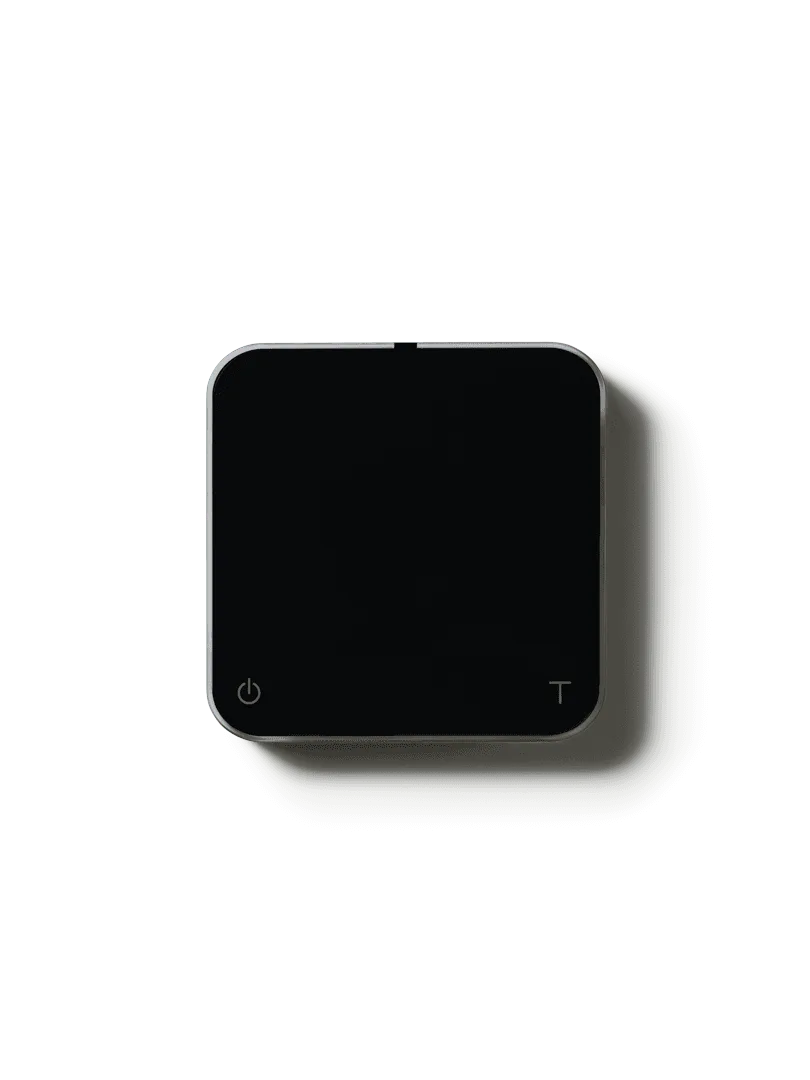
- Acaia Pearl Coffee Scales.: The award winning Acaia Pearl features dual technology, built in flow-rate indicator and USB-C charging. Each scale is hand crafted, checked and calibrated. A precise scale helps you dial in your grind by measuring dose and yield, making it easier to replicate a great cup.
- Fellow Stagg EKG Electric Kettle.: With variable temperature control, 1200 watts for a quick heat time and a number of precise features for ultimate control, this is the pour-over kettle perfected. Consistent water temperature is key to extraction, and a gooseneck kettle gives you the control needed for pour-over.
Who Should Buy What
Best for
- Home baristas who brew espresso or pour-over and want precise control.
- Coffee lovers who brew multiple methods and need a versatile grinder.
Not for
- Casual drinkers who only make French press occasionally and are on a tight budget—a blade grinder may suffice.
- Those who need a portable grinder for travel; consider a hand grinder instead.
Choosing the right grinder is about matching the tool to your brewing style. Start with a burr grinder, consider the grind range you need, and think about maintenance and budget. With the right grinder, you'll unlock better flavor in every cup.