Quick Answer
For most routines, a flat, synthetic brush with a tapered edge offers the best control for covering blemishes and under-eye areas. If you prefer a more natural finish, a fluffy blending brush is your go-to. Consider your primary use and skin type to make the right choice.
Choosing the right concealer brush can make the difference between a flawless finish and a cakey mess. With so many shapes and bristle types available, it's easy to feel overwhelmed. This guide breaks down what to look for and how to match a brush to your specific needs.
Whether you're covering dark circles, blemishes, or redness, the right brush helps you apply product precisely and blend seamlessly. We'll help you understand the trade-offs so you can pick a brush that works for your routine and skill level.
Brush Shapes and Their Uses
Concealer brushes come in several shapes, each designed for a specific purpose. Flat brushes are ideal for precise application on blemishes and small areas. They allow you to pat product exactly where you need it without disturbing surrounding makeup.
Fluffy blending brushes are perfect for under-eye concealing. Their soft, rounded bristles diffuse product for a natural, airbrushed look. Angled brushes offer a compromise, giving you the precision of a flat brush with the blending ability of a fluffy one.
- Flat brushes: best for spot concealing and precise placement.
- Fluffy brushes: ideal for blending under-eye concealer for a seamless finish.
- Angled brushes: versatile for both precision and blending.
Bristle Types: Synthetic vs. Natural
Synthetic bristles are made from nylon or polyester and are ideal for cream and liquid concealers. They don't absorb product, so you waste less and get more even application. They're also easier to clean and are cruelty-free.
Natural bristles, like goat or squirrel hair, are softer and better for powder formulas. However, they can absorb liquid products and may cause streaking. For most concealers, synthetic is the practical choice.
- Synthetic: best for liquids and creams, easy to clean, vegan-friendly.
- Natural: suited for powders, softer feel, but can absorb too much product.
Size and Density Matter
A smaller brush head gives you more control for detailed work, like covering a pimple or a small scar. Larger brushes cover more surface area but are less precise. Think about where you'll use the brush most: under-eye, blemishes, or all-over correction.
Density affects how much product the brush holds. Dense brushes pick up more product and provide fuller coverage. Fluffier brushes deposit less and give a lighter, more natural effect. Choose based on the coverage level you want.
- Small, dense brushes: for high-coverage spot concealing.
- Large, fluffy brushes: for sheer, blended looks.
Decision Rules for Picking Your Brush
- Primary Use: If you mainly cover blemishes, choose a small, flat synthetic brush. For under-eye coverage, opt for a fluffy blending brush. Match brush shape to your main concealing task.
- Formula Type: Use synthetic bristles for liquid and cream concealers. Natural bristles are only for powder formulas. Synthetic is the safe bet for most concealer routines.
- Coverage Preference: For full coverage, pick a dense brush. For a natural, light finish, go with a fluffier brush. Density controls the level of coverage you achieve.
Concealer Picks from Lacolors
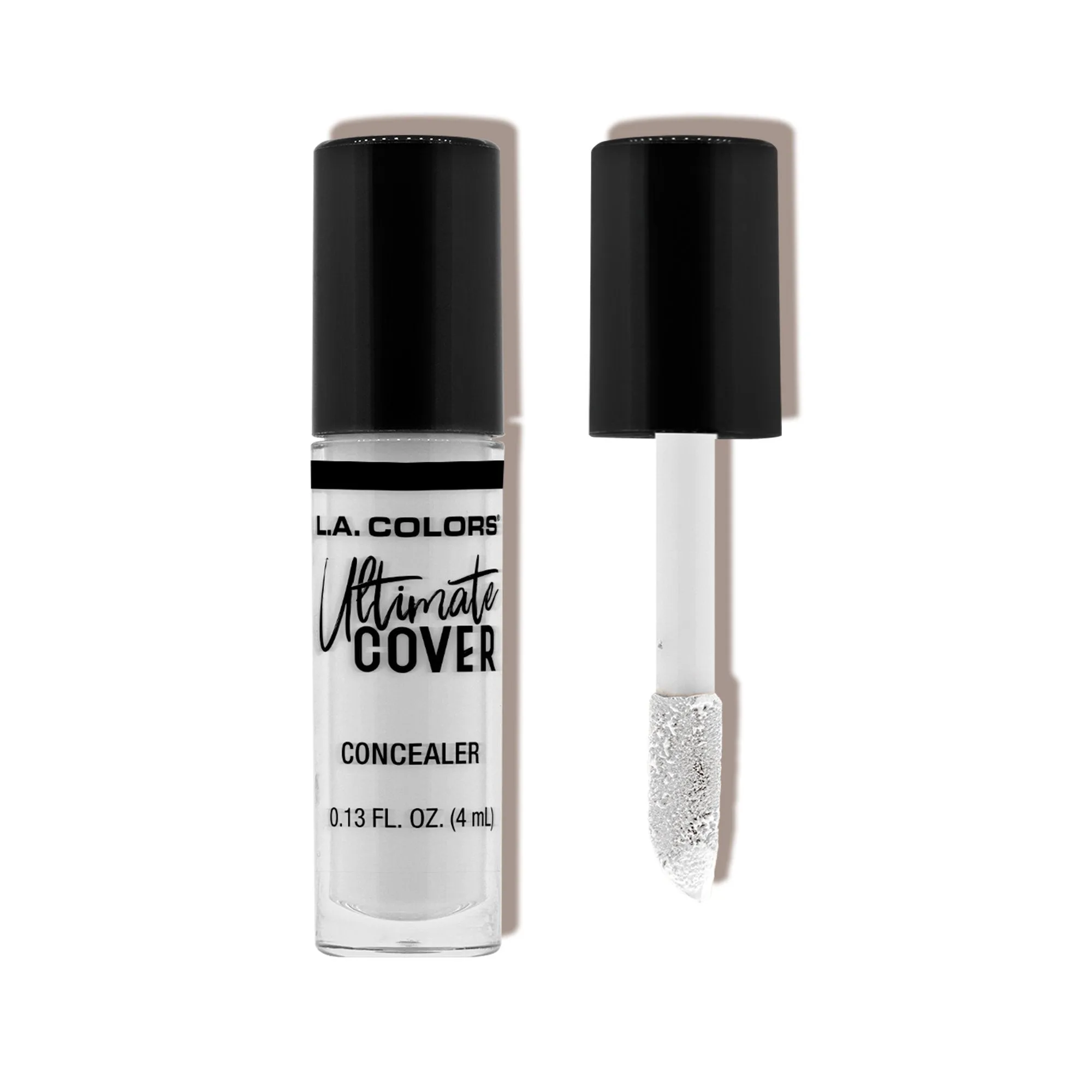
- https://lacolorsio.shop/products/ultimate-cover-concealer-265294https://lacolorsio.shop/products/ultimate-cover-concealer-265295https://lacolorsio.shop/products/ultimate-cover-concealer-265296https://lacolorsio.shop/products/ultimate-cover-concealer-265297Ultimate Cover Concealer: Provides full coverage to conceal blemishes, dark circles, and discoloration. Blends smoothly for a natural look. This formula works well with a flat synthetic brush for precise application on blemishes, or a fluffy brush for under-eye blending.
- Cover UP! Concealer Stick: Convenient stick format for precise application. Blends seamlessly for a natural finish. The stick format is perfect for on-the-go touch-ups. Use a small synthetic brush to blend edges for a seamless look.
Which Brush Fits You?
Best for
- Those who want precise, full-coverage application for blemishes.
- Makeup users who prefer a natural, blended under-eye look.
Not for
- If you only use powder concealers, natural bristles may be better.
Choosing the right concealer brush comes down to understanding your needs and the formula you use. With the right brush, you can achieve a flawless finish every time. Pair it with a quality concealer like the Ultimate Cover Concealer or Cover UP! Concealer Stick for best results.