Quick Answer
For most fitness goals, creatine monohydrate is the best choice due to its proven effectiveness, safety, and affordability. Consider your specific needs: if you're focused on muscle gain and strength, monohydrate is ideal; if you have digestive sensitivity, consider a micronized version or alternative forms like creatine HCL. Always choose a product from a reputable brand that undergoes third-party testing.
creatine
Choosing the right creatine supplement can be overwhelming with so many options on the market. Whether you're a beginner or a seasoned athlete, understanding the differences between creatine types and how they align with your fitness goals is crucial for getting the most out of your supplement.
In this guide, we'll break down the key factors to consider when selecting a creatine supplement, compare the most common forms, and provide clear decision rules to help you make an informed choice. We'll also highlight some complementary products from our store that can support your overall wellness journey.
Understanding Creatine: What It Does and Why You Need It
Creatine is one of the most researched supplements in sports nutrition. It helps regenerate ATP, the primary energy currency for short bursts of high-intensity activity, which can improve strength, power, and muscle mass. For most people, creatine monohydrate is the gold standard due to its extensive research and proven efficacy.
When choosing a creatine supplement, consider your primary goal: if you're aiming for muscle gain and strength, creatine monohydrate is ideal. If you're more focused on endurance or overall health, other forms might be more suitable. Additionally, factors like digestive tolerance and convenience play a role in your choice.
- Creatine monohydrate is the most studied and effective form for muscle gain.
- Micronized creatine mixes easier and may reduce stomach discomfort.
- Creatine HCL is more soluble and may be better for those with sensitive stomachs.
Creatine Types: Monohydrate, HCL, and More
The most common creatine forms are monohydrate, HCL, and ethyl ester. Monohydrate is the original and most researched, offering the best value per gram. HCL is more soluble and requires a smaller dose, which may be easier on the stomach. Ethyl ester is less common and has shown mixed results in studies.
Other forms like buffered creatine (Kre-Alkalyn) and creatine nitrate claim to have better absorption, but evidence is limited. For most people, monohydrate remains the top choice. If you experience bloating, try micronized creatine or start with a lower dose and gradually increase.
- Monohydrate: Best overall for muscle gain and strength.
- HCL: Good for those with digestive issues, but more expensive.
- Ethyl ester: Not recommended due to lack of evidence.
- Buffered creatine: May reduce stomach upset but has limited research.
Key Factors to Consider When Buying Creatine
Quality and purity are paramount. Look for products that are third-party tested, such as NSF Certified for Sport or Informed-Sport, to ensure they contain what they claim and are free from banned substances. Check the label for the exact creatine type and dosage instructions.
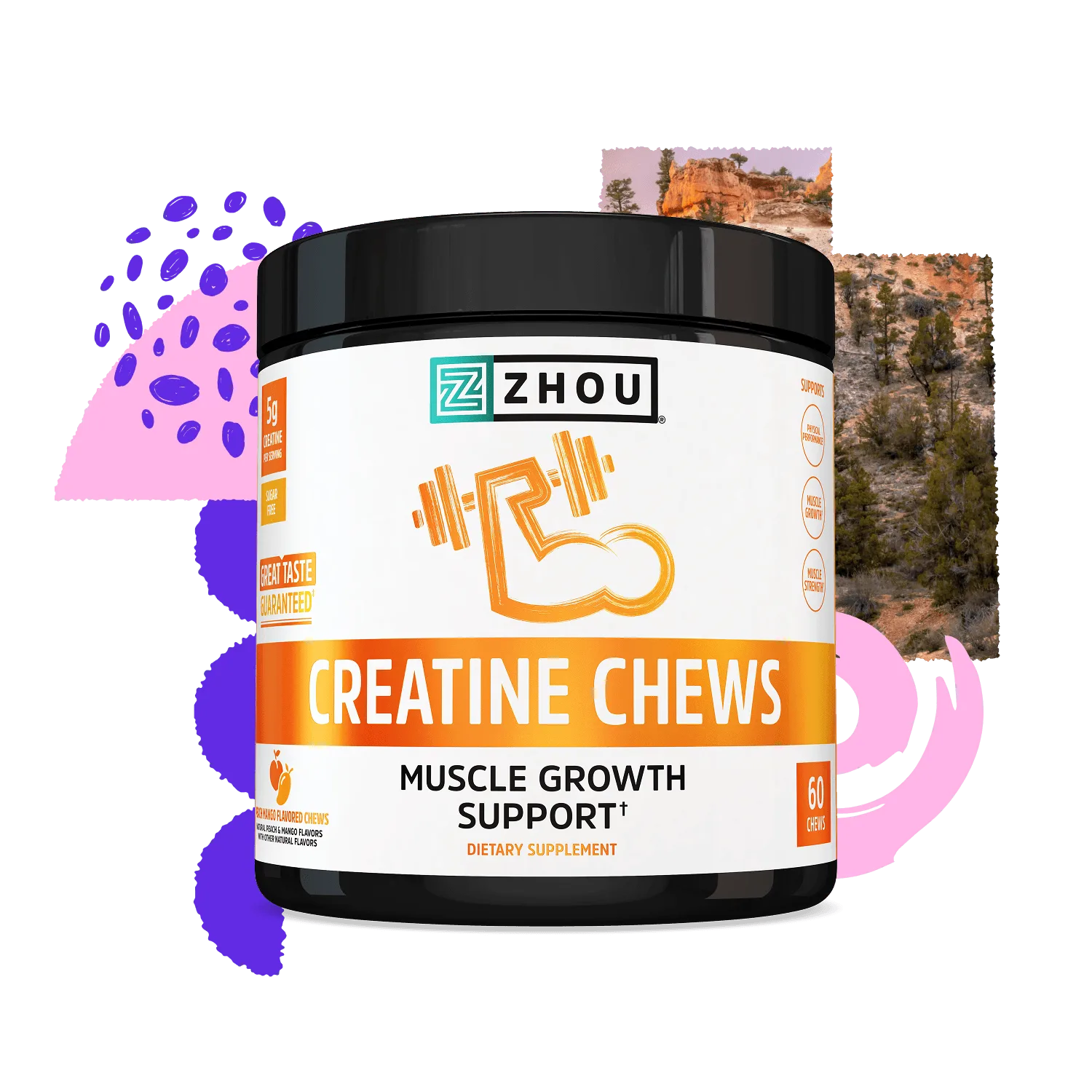
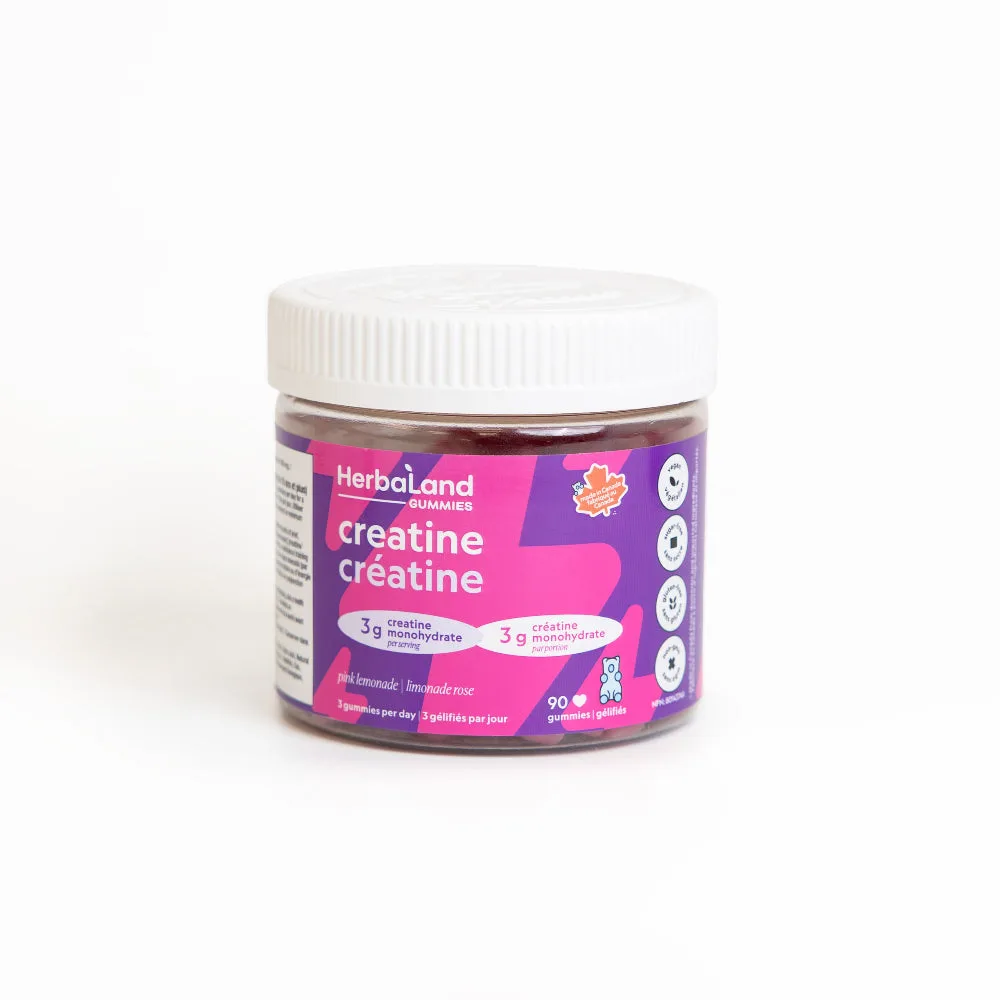
Price per serving is another consideration. Monohydrate is typically the most cost-effective. Also, consider the form: powder, capsules, or gummies. While creatine gummies are less common, some brands offer them for convenience. However, powders are usually more economical and allow flexible dosing.
- Look for third-party testing certifications.
- Compare cost per serving across brands.
- Choose a form that fits your lifestyle: powder, capsules, or gummies.
Decision Rules for Choosing Creatine
- Goal: Muscle Gain and Strength: Choose creatine monohydrate. It has the most research supporting its effectiveness for increasing muscle mass and strength. Opt for a micronized version if you experience bloating. Monohydrate is your best bet for muscle gain.
- Goal: Digestive Comfort: If you have a sensitive stomach, consider creatine HCL or a micronized monohydrate. Start with a lower dose and gradually increase to minimize discomfort. HCL or micronized forms may be gentler on digestion.
- Goal: Convenience and Portability: If you travel frequently or dislike mixing powders, look for creatine capsules or gummies. However, be prepared to pay more per serving. Capsules/gummies offer convenience but at a higher cost.
Related Products from Herbaland
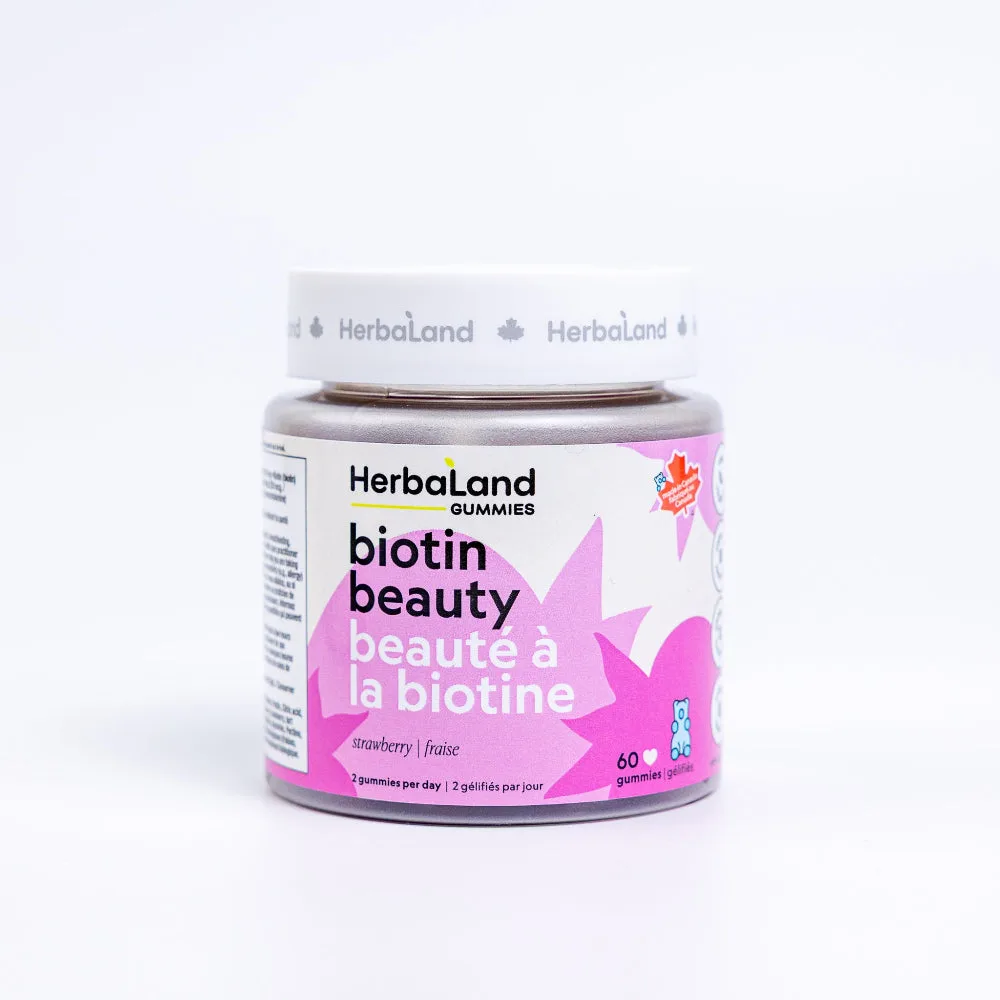
- Biotin Beauty: Helps maintain healthy hair, nails, and skin. Key ingredients: 2,500 mcg of biotin with zinc, folate, and vitamin B12. Sugar-free vegan gummies. While not directly related to creatine, this product supports overall wellness, which is important when you're training hard. Healthy hair and nails are often affected by intense workouts.
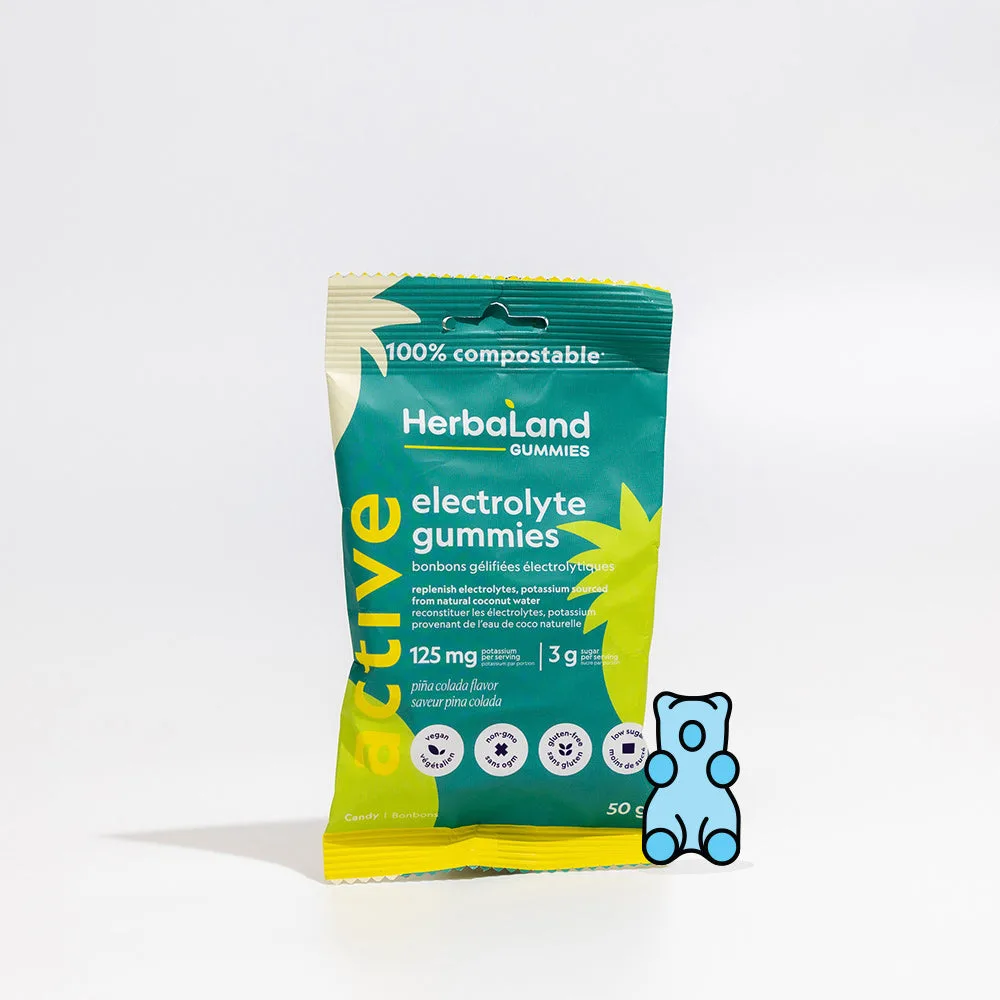
- Herbaland Gummies - Electrolyte Gummies: Replenishes essential electrolytes to support hydration and daily activity. Key ingredients: potassium from natural coconut water, magnesium, and sodium. Sugar-free vegan alternative to powders. Proper hydration is crucial when taking creatine, as it draws water into muscles. Electrolyte gummies help maintain fluid balance, especially during intense training.
Who Should Choose What
Best For
- Athletes and bodybuilders focused on muscle gain and strength – choose creatine monohydrate.
- Individuals with sensitive stomachs – choose micronized monohydrate or creatine HCL.
Not For
- Those looking for a supplement to improve endurance performance – creatine has limited benefits for aerobic activities; consider other supplements like beta-alanine.
- People with pre-existing kidney conditions – consult a healthcare professional before using creatine.
Choosing the right creatine supplement doesn't have to be complicated. Focus on your primary goal, consider factors like digestive tolerance and convenience, and prioritize quality. For most, creatine monohydrate is the reliable choice. To support your overall wellness while training, check out our Biotin Beauty and Herbaland Gummies - Electrolyte Gummies to keep your body in top form.