Whether you're setting up your first kitchen or refreshing your tabletop, choosing the right dinner plate size can make a surprising difference in how your meals look and feel. A plate that's too large can make portions look skimpy, while one that's too small can lead to overcrowding and spills. This dinner plate size guide will walk you through the key factors to consider so you can pick plates that suit your cooking style, dining habits, and table setting.
From standard diameters to material choices like ceramic, the right plate size depends on how you use it. We'll cover common dimensions, portion control tips, and how to match plates to your everyday needs—without getting bogged down in design jargon.
Standard Dinner Plate Sizes and What They Mean
Most dinner plates fall between 10 and 12 inches in diameter, with 10.5 inches being the most common for everyday use. A 10.5-inch plate works well for balanced meals with a protein, starch, and vegetable. If you often serve hearty portions or family-style dinners, an 11- or 12-inch plate gives you extra room without looking sparse.
Smaller plates—around 8 to 9 inches—are often called luncheon or salad plates. They're ideal for lighter meals, appetizers, or for children. If you're choosing a ceramic dinner plate for daily use, stick with the 10.5-inch range unless you know you prefer larger or smaller portions. You can always mix sizes within a set for versatility.
- For a balanced plate, aim for a 10.5-inch diameter—it's the sweet spot for most home cooks.
- If you entertain often, consider an 11-inch plate for main courses and a 9-inch plate for starters or desserts.
Plate Size and Portion Control
Plate size directly influences how much you serve. A larger plate can make a standard portion look small, encouraging you to add more food. Conversely, a smaller plate can help with portion control by making a moderate serving look satisfying. This is especially useful if you're mindful of calorie intake or serving sizes.
For everyday meals, a 10.5-inch plate gives you enough room for a protein, a side, and a vegetable without overcrowding. If you're serving pasta or one-dish meals, a slightly deeper plate with a rim—like a pasta bowl—can be more practical than a flat dinner plate. Keep in mind that a single dinner plate buying decision should consider your typical meal structure.
- Use a 10-inch plate if you want to naturally reduce portion sizes without feeling deprived.
- For family-style meals, a 12-inch plate gives each person room to arrange their food.
Material and Durability: Why Ceramic Matters
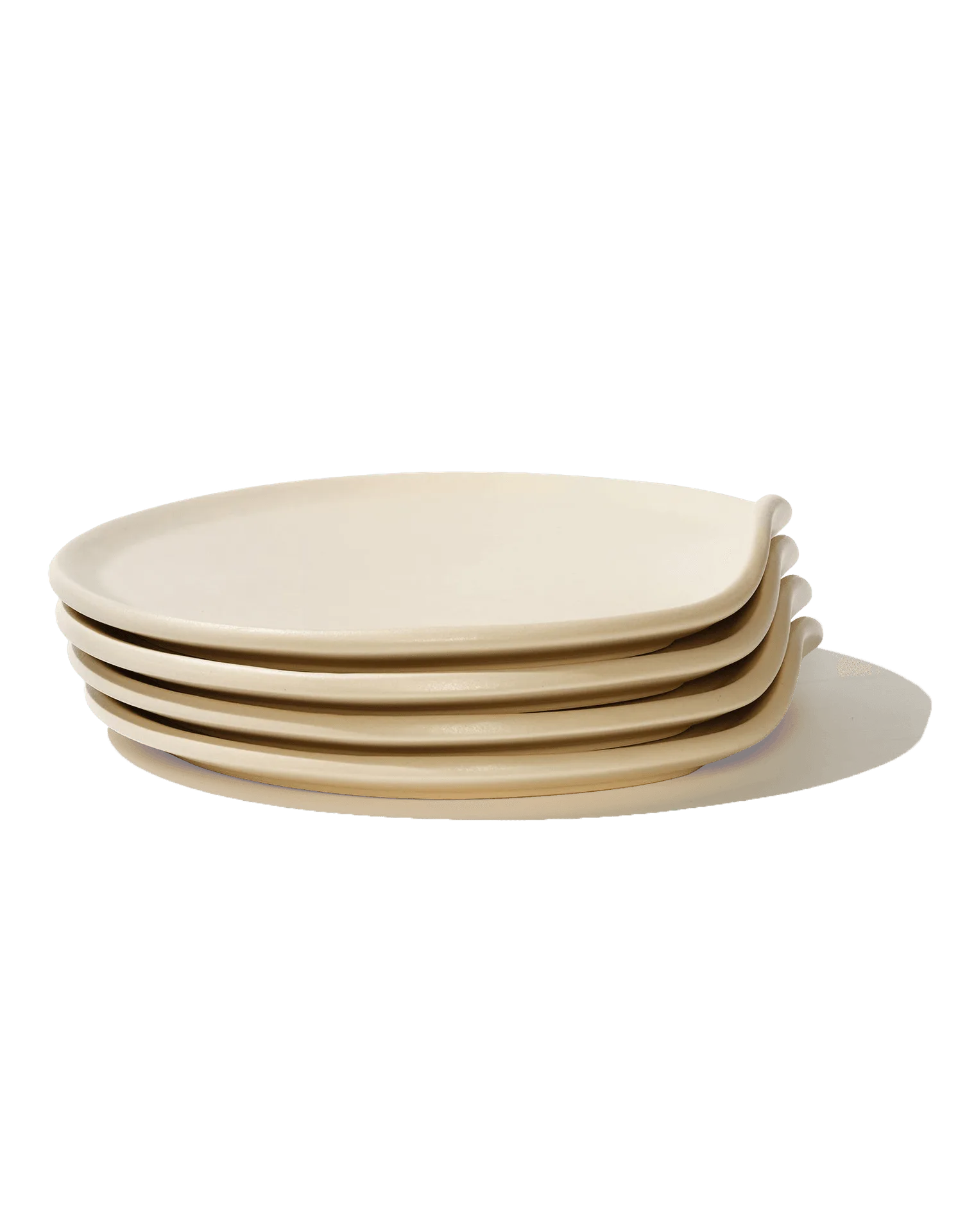
Ceramic dinner plates are a popular choice because they offer a good balance of weight, heat retention, and aesthetic appeal. A quality ceramic dinner plate feels substantial without being too heavy, and it resists chipping better than thinner materials like porcelain. When choosing plates for daily use, look for durable glaze that won't scratch easily and is microwave- and dishwasher-safe.
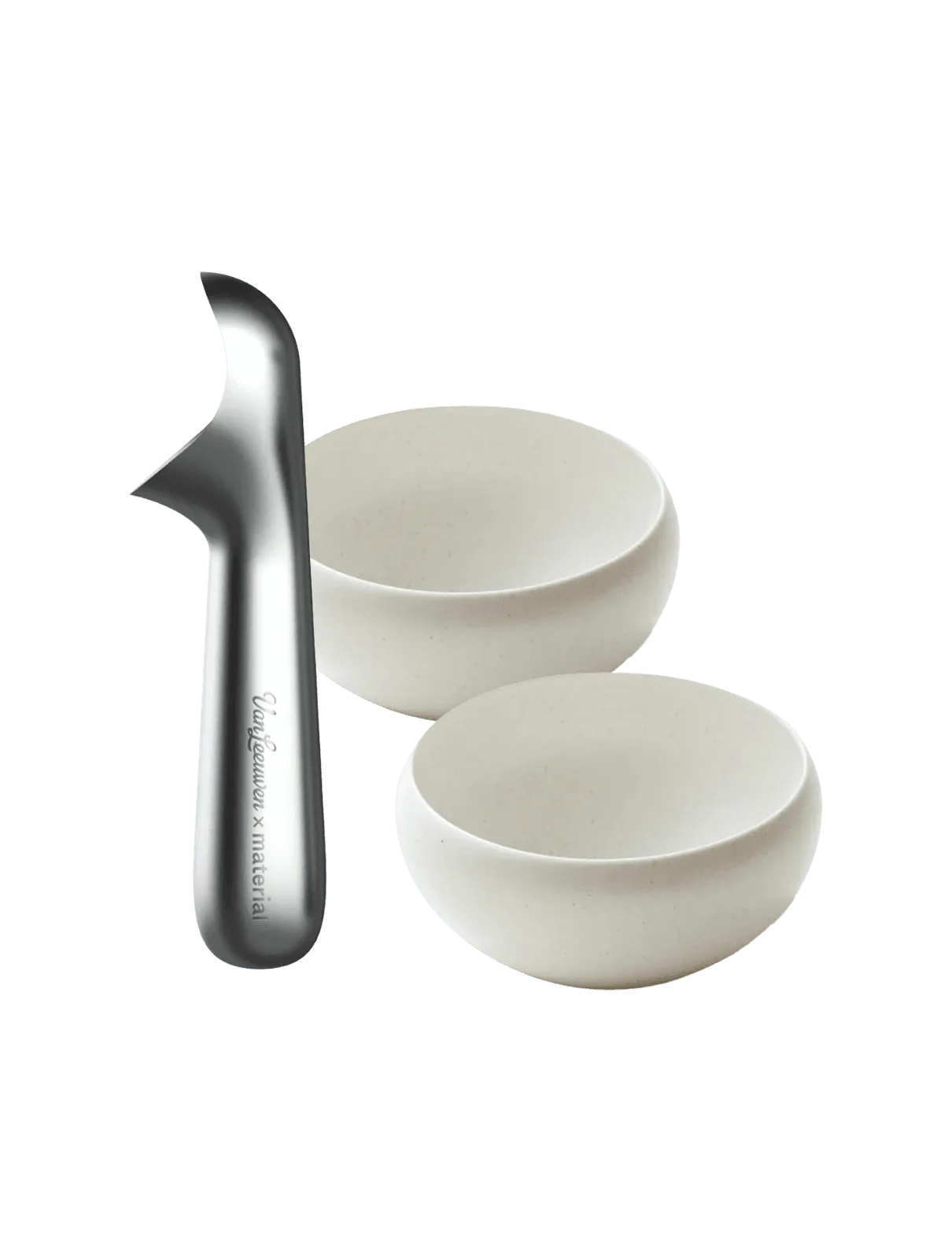
If you're building a set, consider the Dinner Plate Set of 4 from Material. These plates are designed with a classic shape that works for both casual and formal settings. Their size and weight make them comfortable to handle, and the ceramic finish holds up well to frequent use. For a more modern look, you might also explore the Goun Noodle Bowl or the Small Goun Bowl—both offer a deeper profile that's great for soups, salads, or grain bowls.
- Ceramic plates with a thick rim are less likely to chip when stacked or washed.
- Always check if the plate is oven-safe if you plan to use it for baking or reheating.
Matching Plate Size to Your Table Setting
Your dinner plate size should also work with your tabletop accessories, such as napkins, placemats, and serving dishes. A 10.5-inch plate leaves enough room for a side plate or bread bowl without crowding the table. If you use large placemats or runners, a slightly smaller plate can help maintain visual balance.
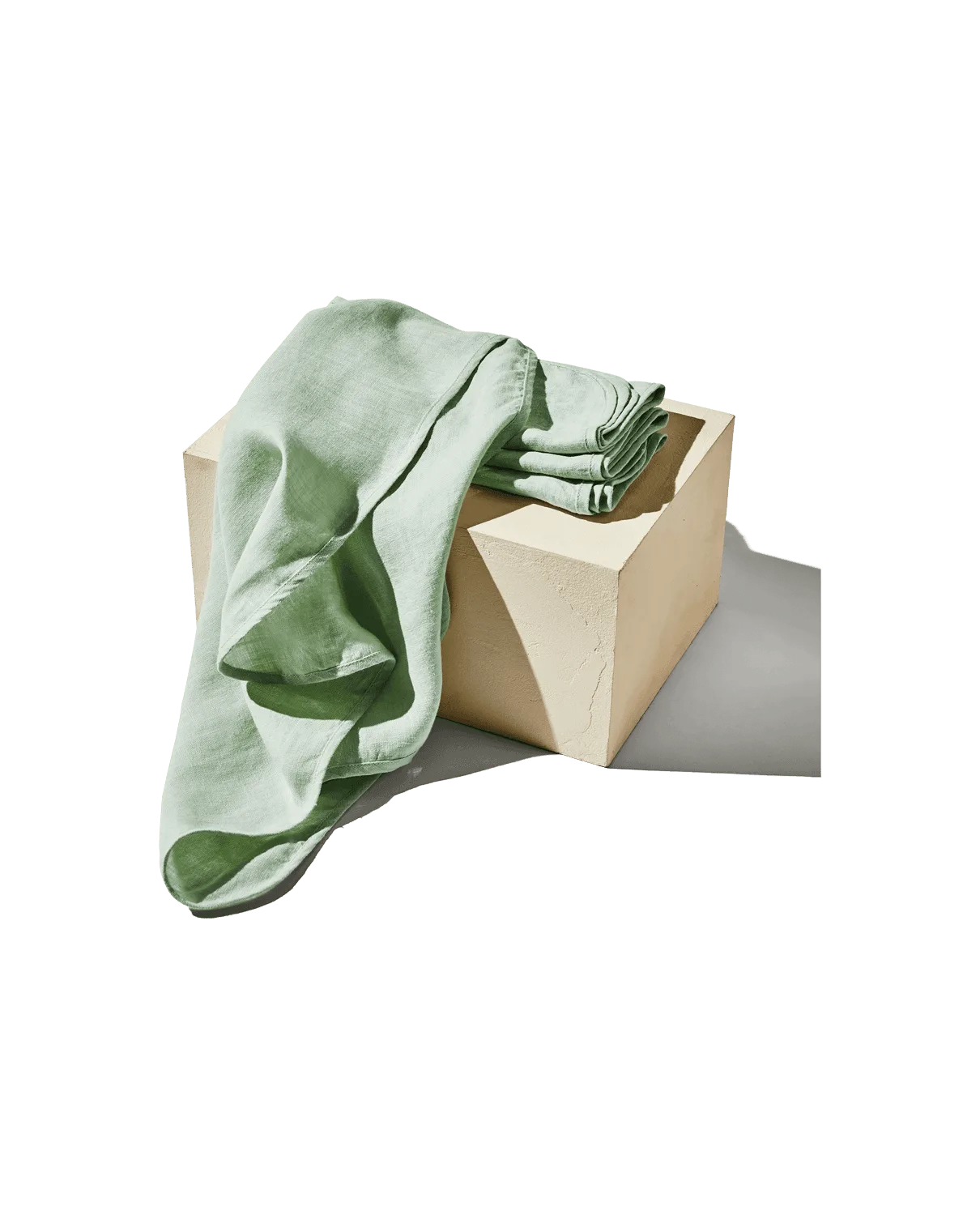
For a cohesive look, pair your dinner plates with complementary linens. The Linen Napkins - Stylux or the Dinner Napkins Double Sided Checker - Quiet Season add texture and color without overwhelming the table. And don't forget a trivet like the Artisan Felt Pom Pom Trivet - Natural & Moss to protect your table from hot dishes. A well-proportioned plate makes the whole setting feel intentional.
- Leave at least 2 inches of table space around each plate for a comfortable setting.
- If you use large chargers, choose a dinner plate that sits 1-2 inches smaller than the charger.
Choosing the right dinner plate size comes down to how you eat, what you serve, and how you want your table to look. Start with a 10.5-inch ceramic dinner plate for everyday versatility, then add smaller or larger pieces as needed. A thoughtful single dinner plate buying decision will serve you well for years, and pairing it with quality linens and accessories makes every meal feel a little more special.