Quick Answer
Choose a disposable apron based on the fluid exposure level, comfort needs, and whether you need single-use or reusable. For heavy fluid protection, go with a heavyweight plastic apron; for light tasks, a disposable polyethylene apron works well; for breathability, choose a microporous apron.
Why Apron Material Matters
The material of your disposable apron determines how well it protects against fluids and contaminants. Plastic aprons offer a solid barrier but can be less breathable. Microporous aprons allow air flow while still blocking liquids, making them more comfortable for longer wear. Cotton duck bib aprons are durable and reusable but not fluid-resistant, so they are better for dry tasks.
Length and Coverage Considerations
Apron length affects how much of your body is protected. Full-length aprons cover from chest to below the knees, ideal for tasks with splashing. Bib aprons extend higher on the chest and offer shoulder protection. For seated tasks or minimal exposure, a shorter apron may suffice. Always match the length to the task's splash risk.
Decision Rules for Choosing a Disposable Apron
- High fluid exposure (splashing, soaking): Choose a heavyweight plastic or cysto-style apron. These provide a strong, impermeable barrier that resists tearing and holds up against heavy fluids. Medline Heavyweight Cysto-Style Plastic Aprons are a top choice for OR and ER settings.
- Low fluid exposure (light splashes, dry tasks): A disposable polyethylene apron or a cotton duck bib apron works well. Polyethylene is cheap and disposable; cotton duck is reusable and comfortable but not fluid-proof. For single-use, choose Medline Disposable Polyethylene Adult Aprons. For reusable, consider Medline Long Length Bib Aprons.
- Need breathability during long use: Select a microporous apron. Its breathable film reduces sweat and discomfort while still blocking fluids. Microporous Pullover Aprons are ideal for extended shifts in warm environments.
- Budget-conscious or high-volume use: Disposable polyethylene aprons are the most affordable option per unit. They are lightweight and easy to store in bulk. Medline Disposable Polyethylene Adult Aprons offer a low-cost solution for frequent changes.
Apron Options at Medical Supply Pros
-
Medline Heavyweight Cysto-Style Plastic Aprons: Medline Heavyweight Cysto-Style Plastic Aprons are designed to shield you from heavy fluids and contaminants, offering complete protection in the OR, ER, and other demanding settings. This apron is ideal for high-splash procedures where you need a tough, impermeable barrier that won't tear easily.
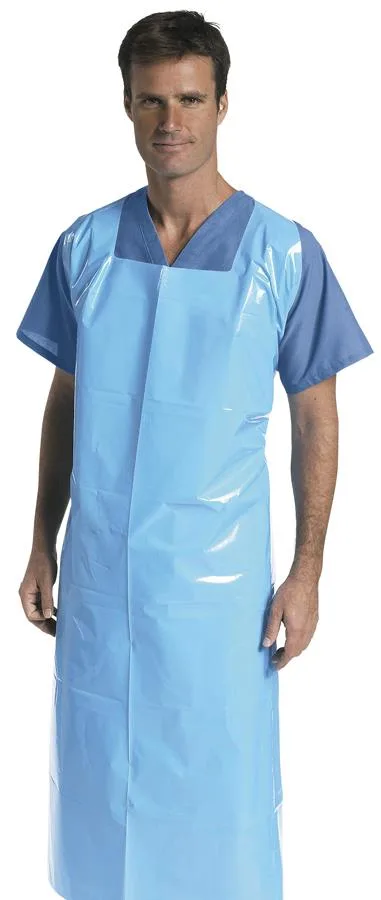
Medline Heavyweight Cysto-Style Plastic Aprons
-
Medline Long Length Bib Aprons: Medline Long Length Bib Aprons are made from premium 100% cotton duck, offering durability and a soft, breathable feel, with a clean white front and reinforced side ties. Choose this apron for dry tasks where comfort and a professional appearance matter, such as in labs or food service, but not for fluid protection.
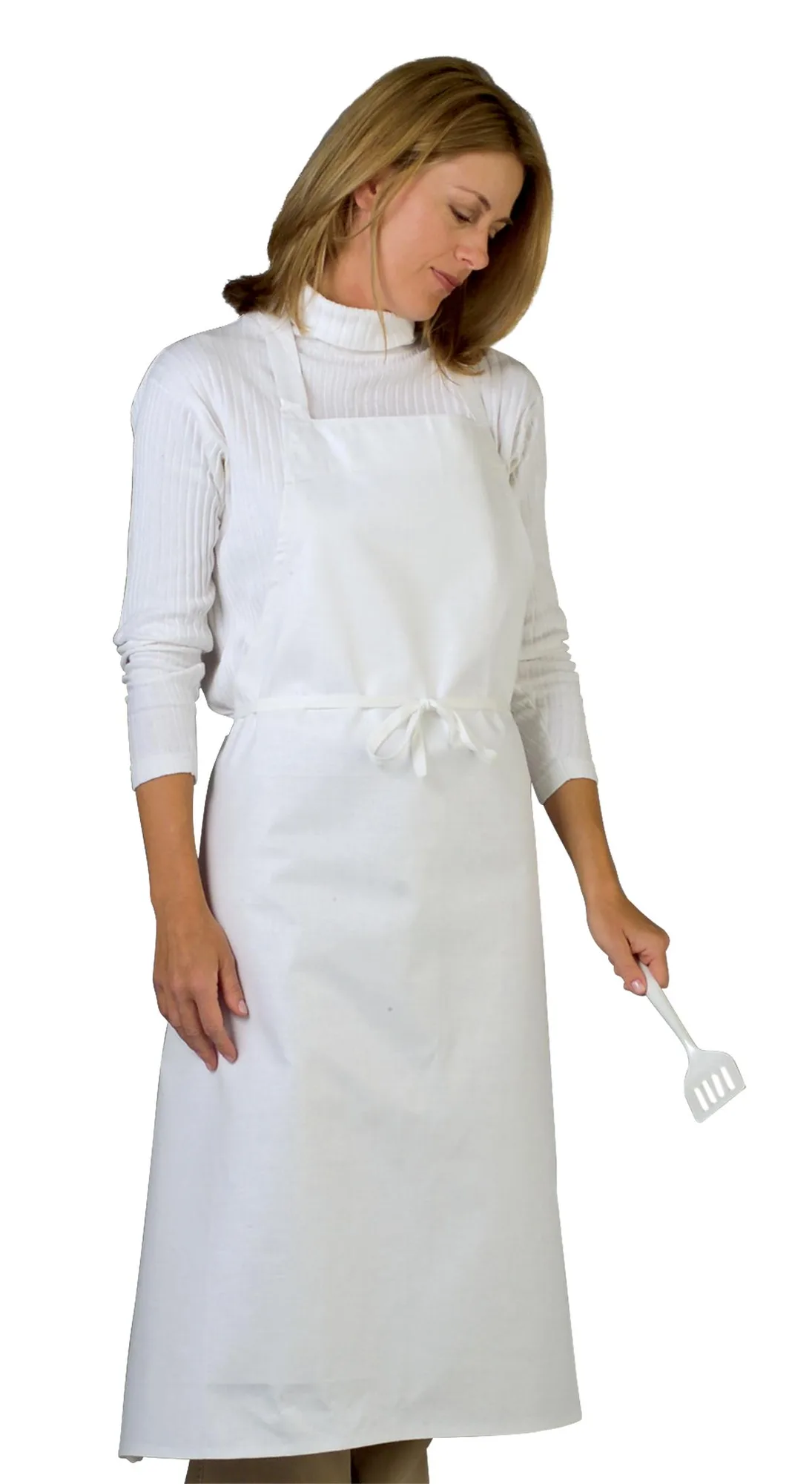
Medline Long Length Bib Aprons
-
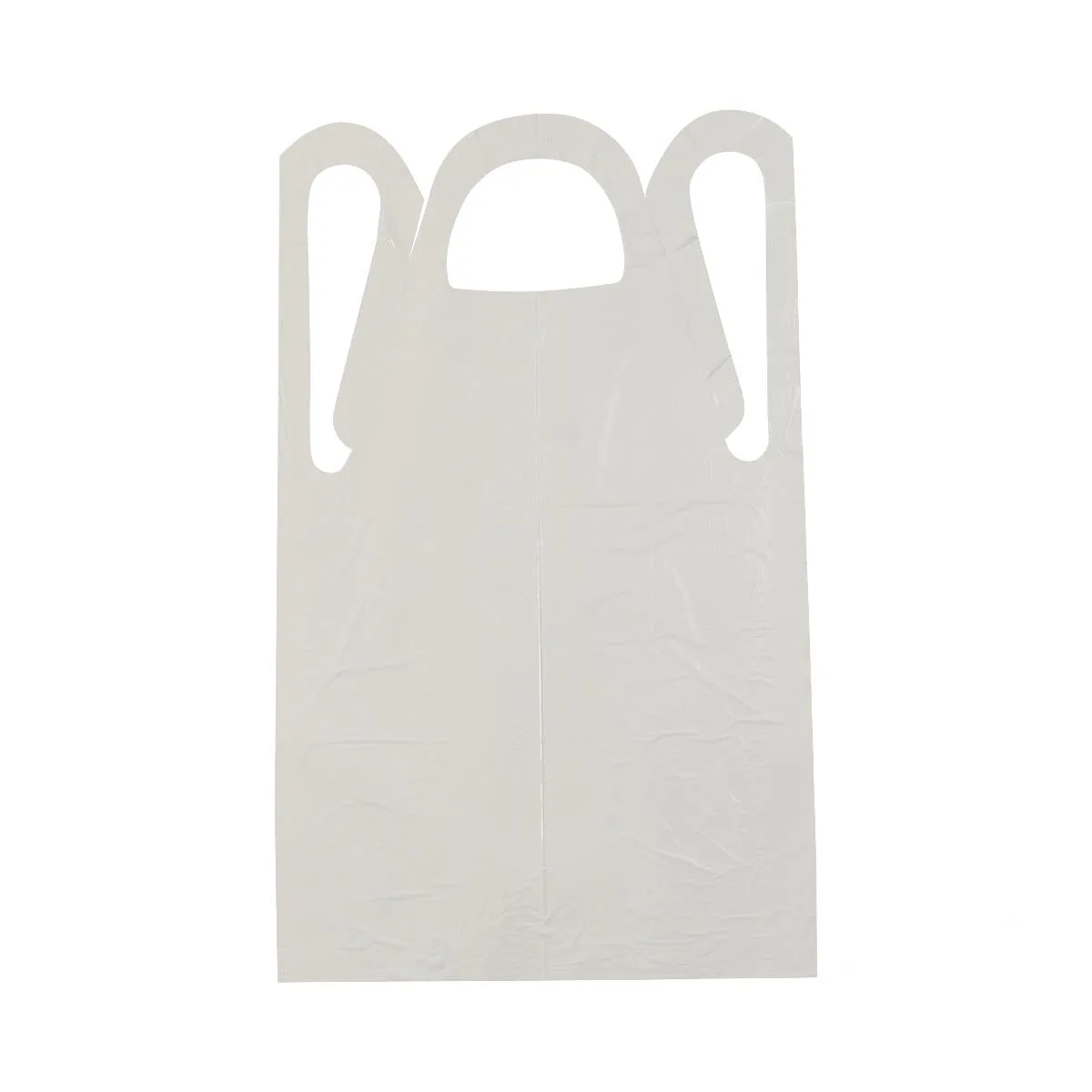
Medline Disposable Polyethylene Adult Aprons: Medline Disposable Polyethylene Adult Aprons offer reliable protection for a wide range of healthcare and non-healthcare professionals, with a convenient pullover style. These are a cost-effective choice for low-splash tasks like patient care or cafeteria work where you need quick, single-use protection.
-
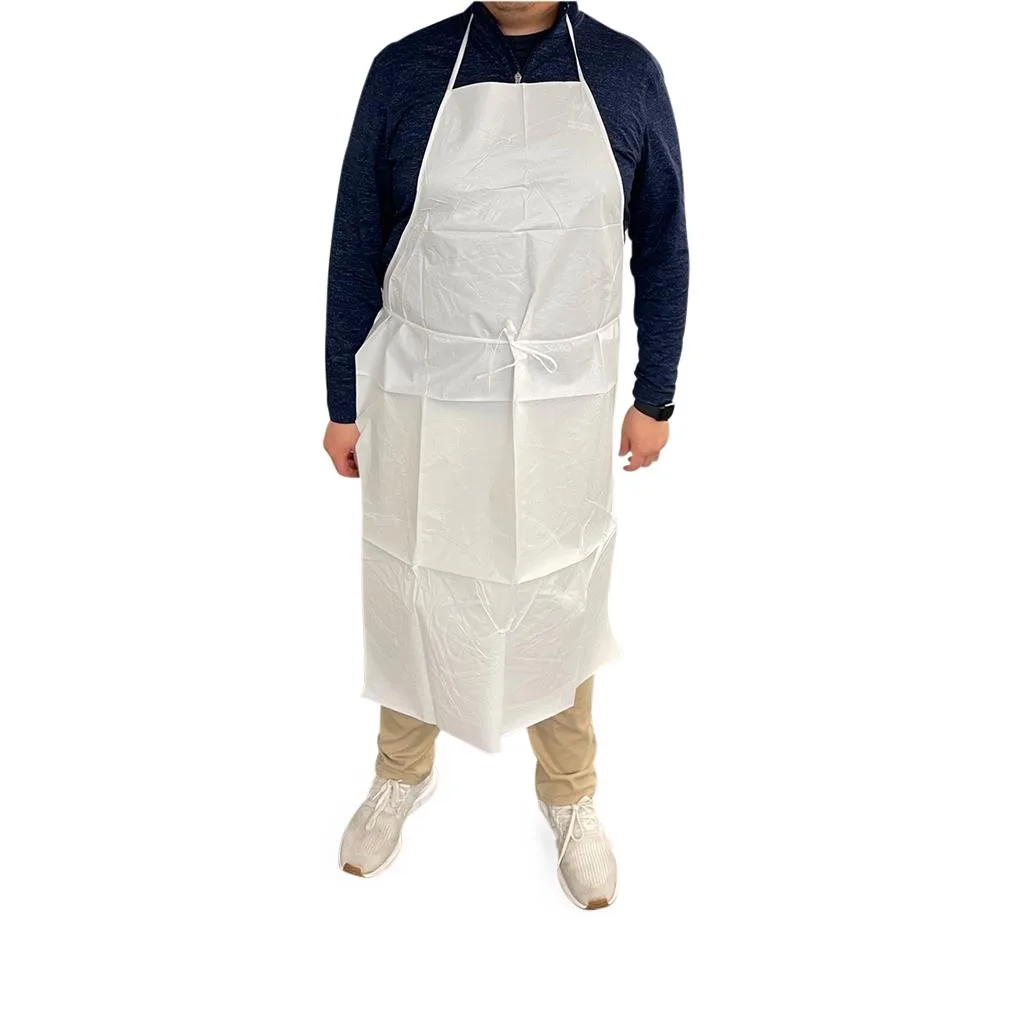
Microporous Pullover Aprons: Microporous Pullover Aprons are crafted from a breathable, microporous film material, offering superior protection without compromising comfort, with universal sizing and a tie-back design. If you need fluid protection but work in a warm environment or for long shifts, this apron's breathability reduces heat buildup while keeping you safe.
Who Should Use Which Apron?
Best For
- Heavy fluid protection: OR staff, ER personnel, lab workers handling large volumes of liquids.
- Breathable protection: Long-shift workers in warm environments, such as custodial staff or field medics.
- Light or dry tasks: Cafeteria workers, patient transporters, or administrative staff needing minimal protection.
Not Ideal For
- Cotton duck bib aprons: Not suitable for any task with fluid exposure, as they absorb liquids.
- Polyethylene aprons: Not ideal for high-splash tasks where a stronger barrier is needed.