Quick Answer
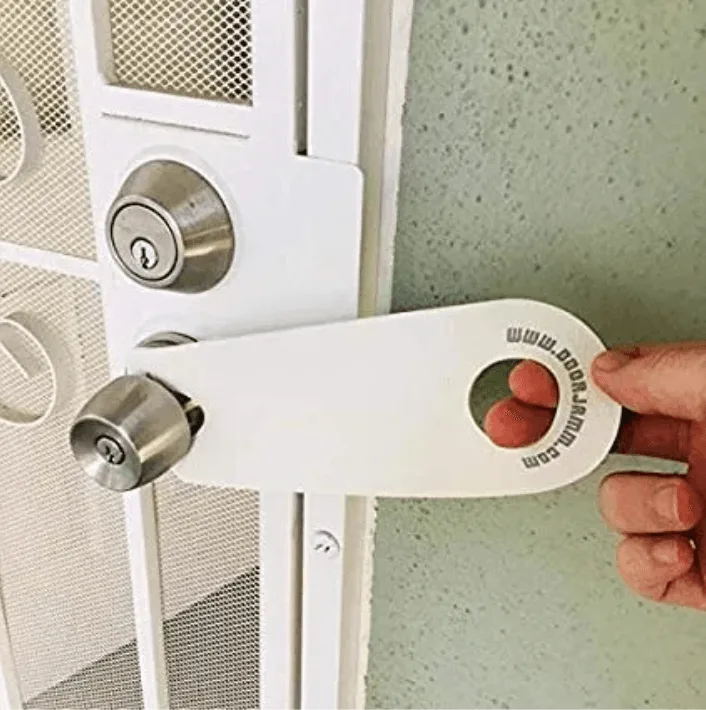
When choosing a door jamb keeper, prioritize a material that balances stretch, durability, and environmental resistance. The Door Jamm Elastic Keeper offers a versatile synthetic rubber build that stretches over 200% and withstands temperatures from -40°F to 212°F, making it a solid choice for most security setups. Consider your door gap size, climate, and whether you need to carry multiple units.
Understand Your Door Gap and Frame
Before buying a door jamb keeper, measure the gap between your door and the frame. Most keepers are designed to fit standard gaps, but some are more adjustable than others. A keeper that stretches over 200% can accommodate a wider range of gaps, so you don't need to measure precisely—just ensure it can compress to fit snugly.
Also consider the door material. Wood, metal, and fiberglass doors all work with elastic keepers, but the friction and wear may differ. If your door has a rough edge, a thicker or more durable material will last longer.
Evaluate Material and Environmental Resistance
The material of the keeper determines its lifespan and performance. Synthetic rubber is a common choice because it resists weather and chemicals. If you live in an area with extreme temperatures, check the temperature range. The Door Jamm Elastic Keeper handles -40°F to 212°F, which covers most climates.
Also check if the keeper is reusable and easy to clean. A keeper that can be removed and reinstalled multiple times without losing stretch is more cost-effective in the long run.
Consider Portability and Multi-Unit Carry
If you need to secure multiple doors or want a backup, look for a keeper that is lightweight and compact. The Door Jamm Elastic Keeper weighs about 1 ounce, so you can carry several without adding bulk. This is especially useful for tactical setups or if you travel frequently.
Think about where you'll store the keepers. Some people keep them on their person, in a kit, or near the door. A compact size makes it easy to have one within reach when needed.
Decision Rules for Choosing a Door Jamb Keeper
- Measure first, then match stretch: Measure the widest gap you need to secure. Choose a keeper that stretches at least 50% beyond that gap to ensure a snug fit. The Door Jamm stretches over 200%, so it covers most gaps. A high-stretch keeper simplifies fitting.
- Match material to your environment: If you face extreme cold, heat, or chemical exposure, choose a keeper with a wide temperature range and chemical resistance. Synthetic rubber with a -40°F to 212°F range works for most climates. Check the temperature range before buying.
- Decide on portability needs: If you need to secure multiple doors or want backups, pick a keeper that is lightweight and compact. A 1-ounce keeper lets you carry several without added bulk. Lightweight keepers are easier to carry in multiples.
Product Facts
- Door Jamm Elastic Keeper: The Door Jamm Elastic Keeper is made of synthetic rubber, stretches over 200% its original size, is reusable, easy to carry, and weather and chemical resistant. It withstands temperatures from -40°F to 212°F and weighs approximately 1 ounce. This combination of stretch, temperature resistance, and light weight makes it suitable for a wide range of door gaps and climates, and easy to store or carry multiple units.
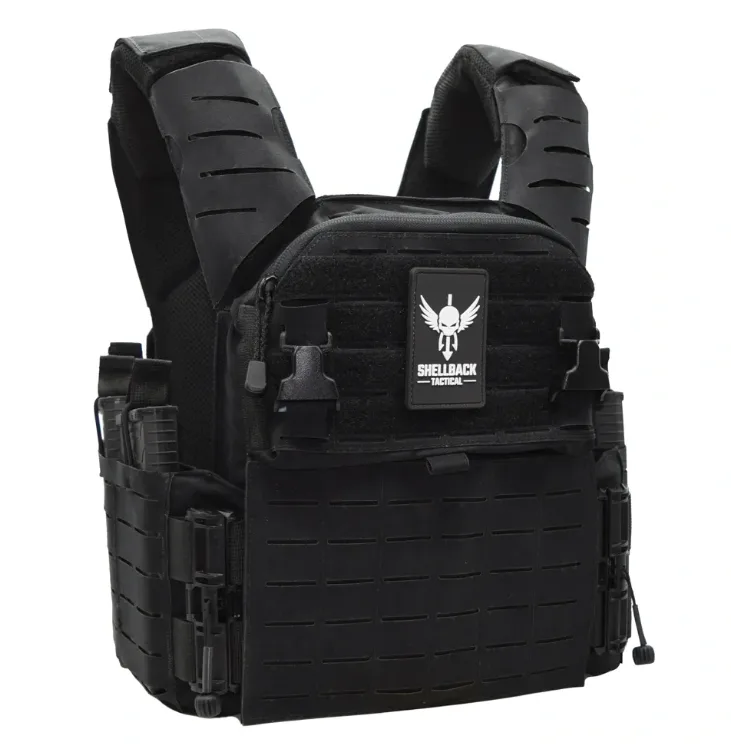
- Shellback Banshee Elite 3.0 Plate Carrier: The Shellback Banshee Elite 3.0 Plate Carrier features quick release cummerbund buckles, laser cut Molle, and an extendable drag handle. The laser cut design reduces weight and increases durability. While not a door jamb keeper, this plate carrier is relevant if you're building a complete tactical security setup and need a carrier that integrates with your gear.
Fit Guidance
Best for
- Homeowners who want a simple, reusable door security solution
- Tactical users who need a lightweight, portable keeper for multiple doors
Not for
- Permanent door reinforcement that requires drilling or hardware installation