Start With Your Dog’s Size and Mouth
The first thing to consider when choosing fetch balls is the size that fits your dog's mouth. A ball that is too small can become a choking hazard, especially for larger dogs. A ball that is too large may be difficult for a small dog to carry or pick up. Most fetch balls are sold in standard diameters, but the key is to match the ball to your dog's breed or jaw width. For example, a 4-pack of standard fetch balls works well for medium to large dogs, while smaller breeds may need a smaller diameter ball. Always check the product dimensions if available, and when in doubt, size up for safety.
What the Wilderdog Fetch Balls Offer
-
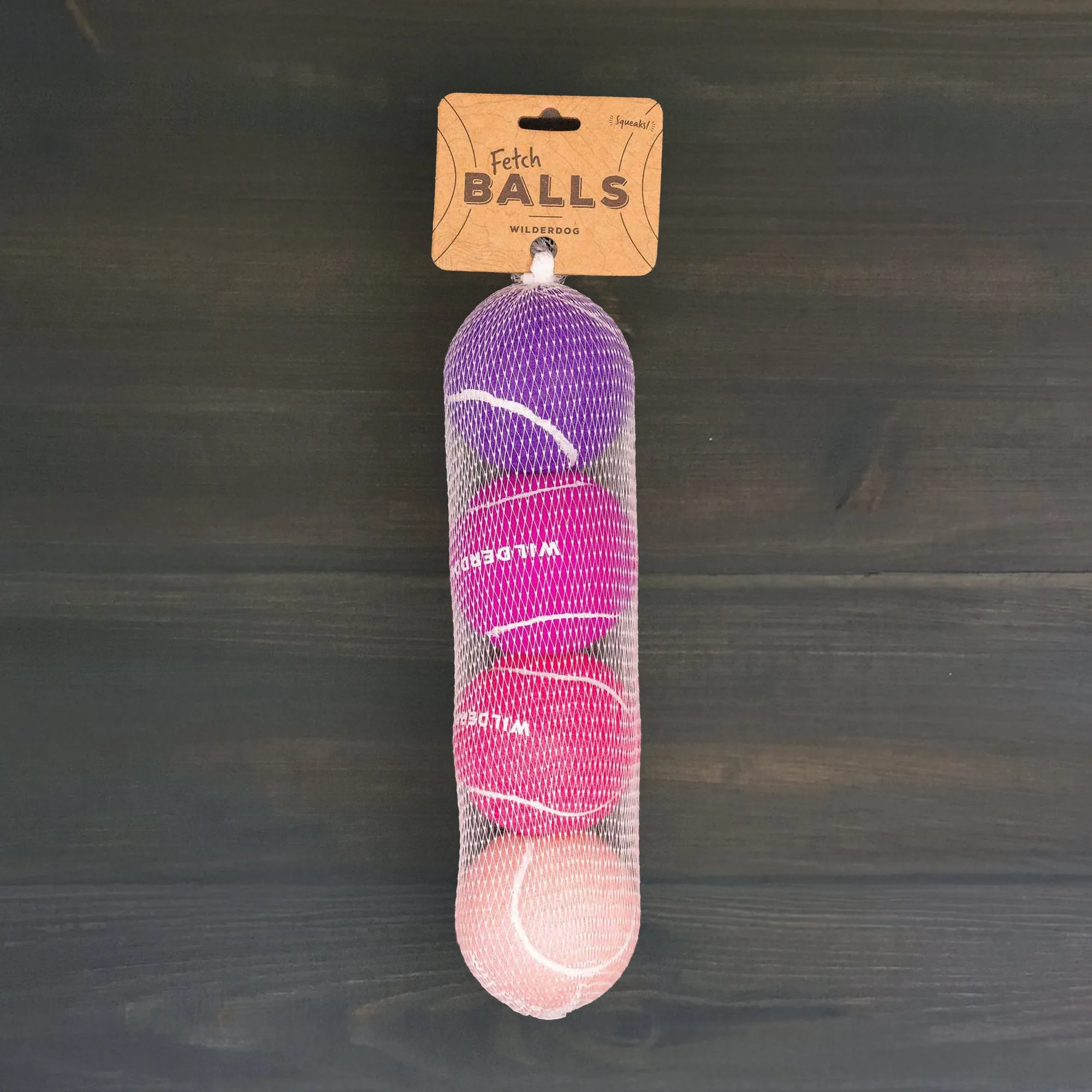
Fetch Balls: The Fetch Balls are sold as a 4-pack with a squeaker, made of non-toxic rubber. Non-toxic rubber is a safe material for play, and the squeaker adds engagement for dogs that love auditory feedback during fetch.
Fetch Balls
-
Fetch Balls: The balls are available in Pink and Blue color options. Color choice can help with visibility in grass or snow, and lets you pick a favorite for your dog.
Consider Your Dog’s Chewing Style
Not all fetch balls are built for aggressive chewers. If your dog tends to gnaw or shred toys, look for balls made from durable, non-toxic rubber that can withstand some pressure. The Wilderdog Fetch Balls are made of non-toxic rubber, which is a good middle ground for moderate chewers. However, the product record notes that chewed balls are not eligible for warranty claims, so it's important to monitor your dog during play. For dogs that are heavy chewers, you may need to consider a different style or material, such as thick rubber or nylon. The key is to match the ball's durability to your dog's chewing habits to avoid early destruction and potential ingestion of pieces.
How to Match Fetch Balls to Your Dog’s Play Style
Follow these steps to find the right fetch balls for your dog's specific play style.
- Step 1: Observe your dog's play habits: Does your dog fetch and return gently, or do they shake, chew, and drop the ball repeatedly? Gentle retrievers can use softer or hollow balls, while persistent chewers need more durable construction.
- Step 2: Choose a material that matches: Non-toxic rubber like in the Wilderdog Fetch Balls works well for moderate play. For aggressive chewers, look for thicker rubber or reinforced seams. Always avoid brittle plastics that can splinter.
- Step 3: Check for safety features: Ensure the ball is large enough not to be swallowed. Balls with squeakers can be engaging but monitor for signs of wear. Discard the ball if it becomes chewed through to prevent ingestion of small parts.
- Step 4: Consider the environment: If you play fetch in tall grass or snow, bright colors like Pink or Blue improve visibility. For indoor play, softer balls may protect floors and furniture.
Safety First: Supervision and Replacement
No fetch ball is indestructible. The Wilderdog Fetch Balls come with a clear instruction: always monitor your dog with toys and discard if chewed through. This is standard advice for any dog toy, as even durable rubber can wear down over time. Chewed balls are not eligible for warranty claims, so regular inspection is your best defense. Replace the ball as soon as you see cracks, missing pieces, or a flattened shape. Keeping a spare set on hand ensures playtime doesn't stop abruptly.
Tradeoffs: Price vs. Durability
The Wilderdog Fetch Balls are priced at a catalog price of $7.80 (compared to $12.00), making them an affordable option for a 4-pack. This is a good value for moderate chewers and households with multiple dogs. However, if your dog is a heavy chewer, you may need to replace them more frequently, which could make a more expensive, ultra-durable ball a better long-term investment. The tradeoff is clear: lower upfront cost vs. potentially shorter lifespan for aggressive chewers. For most pet owners, the balance of price and durability in these balls works well for everyday fetch.