Quick answer
To choose the right flat sheet size, match your mattress dimensions (length and width) plus your preferred tuck depth. For most mattresses, a flat sheet one size larger than your fitted sheet gives you extra coverage and a cleaner look.
Why flat sheet sizing matters
A flat sheet that's too small won't stay tucked, while one that's too large can bunch up. Getting the right size ensures a smooth, comfortable sleep surface and makes bed-making easier.
Flat sheet dimensions are usually listed as Twin, Full, Queen, King, or California King. But actual measurements can vary between brands, so always check the product details.
Flat sheet vs. fitted sheet: size differences
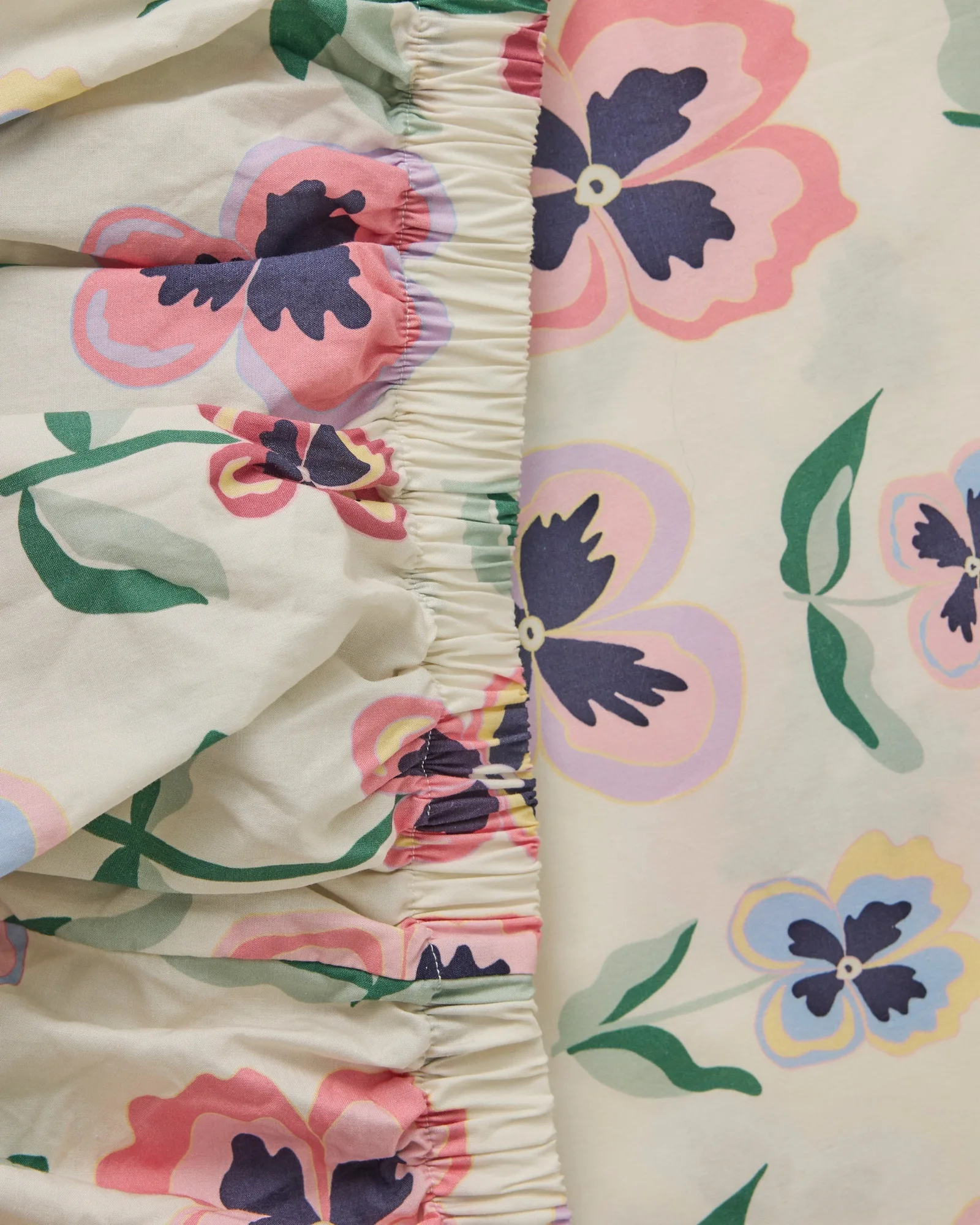
A fitted sheet has elastic corners and is sized to match your mattress depth. A flat sheet is a rectangular top sheet that drapes over you. Because it doesn't need to hug the mattress, you can often use a flat sheet one size larger than your fitted sheet for extra length and tuck room.
For example, if your mattress is Queen, a Queen flat sheet works fine, but a King flat sheet gives you more fabric to tuck in on the sides and bottom.
Mattress depth and tuck preference
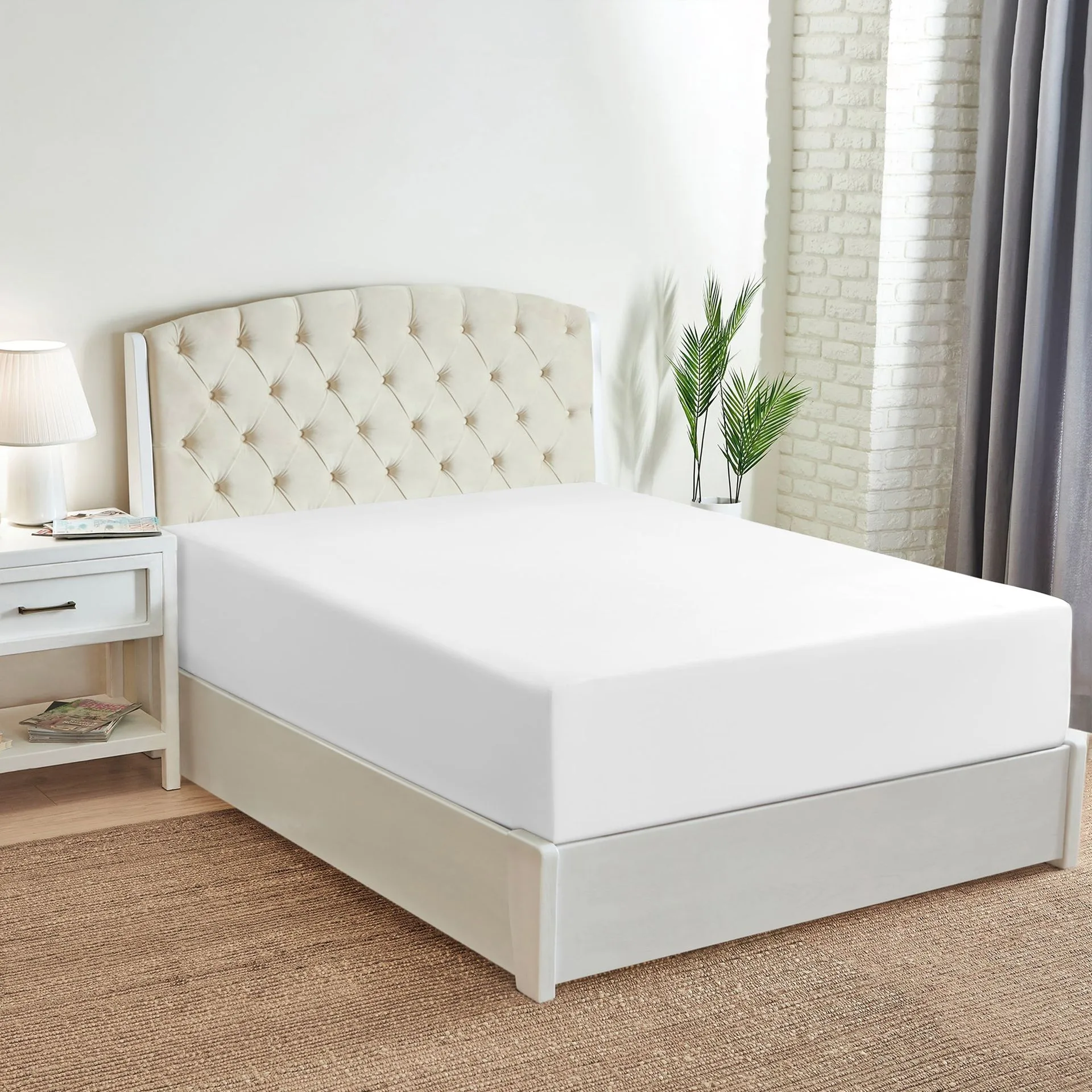
Standard flat sheets are designed for mattresses up to about 14 inches deep. If you have a pillow-top or extra-thick mattress (15+ inches), consider sizing up or looking for flat sheets labeled 'deep pocket' or 'extra deep' to ensure enough fabric for a secure tuck.
Your tuck style also matters. If you like a tight hospital corner, a larger flat sheet gives you more fabric to work with. If you prefer a loose drape, stick with the exact mattress size.
How to pick your flat sheet size
- Measure your mattress: Measure the length and width of your mattress top, plus the depth (height) from the top of the mattress to the bottom of the box spring. This gives you the exact dimensions you need to match. Write down your mattress depth—this is the most overlooked measurement.
- Match or size up: For a standard fit, choose a flat sheet that matches your mattress size (e.g., Queen for a Queen mattress). For extra tuck room or a deeper mattress, go one size larger (e.g., King flat sheet on a Queen mattress). Sizing up works best if you prefer a tight, hotel-style tuck.
- Check the product dimensions: Always look at the listed flat sheet dimensions on the product page. A 'Queen' flat sheet from one brand may be 90x102 inches, while another is 92x104 inches. Compare to your mattress length plus twice the depth for a full tuck. When in doubt, a larger flat sheet is more forgiving than one that's too small.
Flat sheet options to consider
-
Marigold Yellow Lines Embroidered Flat Sheet: 400-thread-count, 100% cotton sateen flat sheet with marigold yellow embroidered lines. The extra-long staple cotton and sateen weave make this sheet soft and durable, and the embroidered lines add a subtle decorative touch without compromising fit.
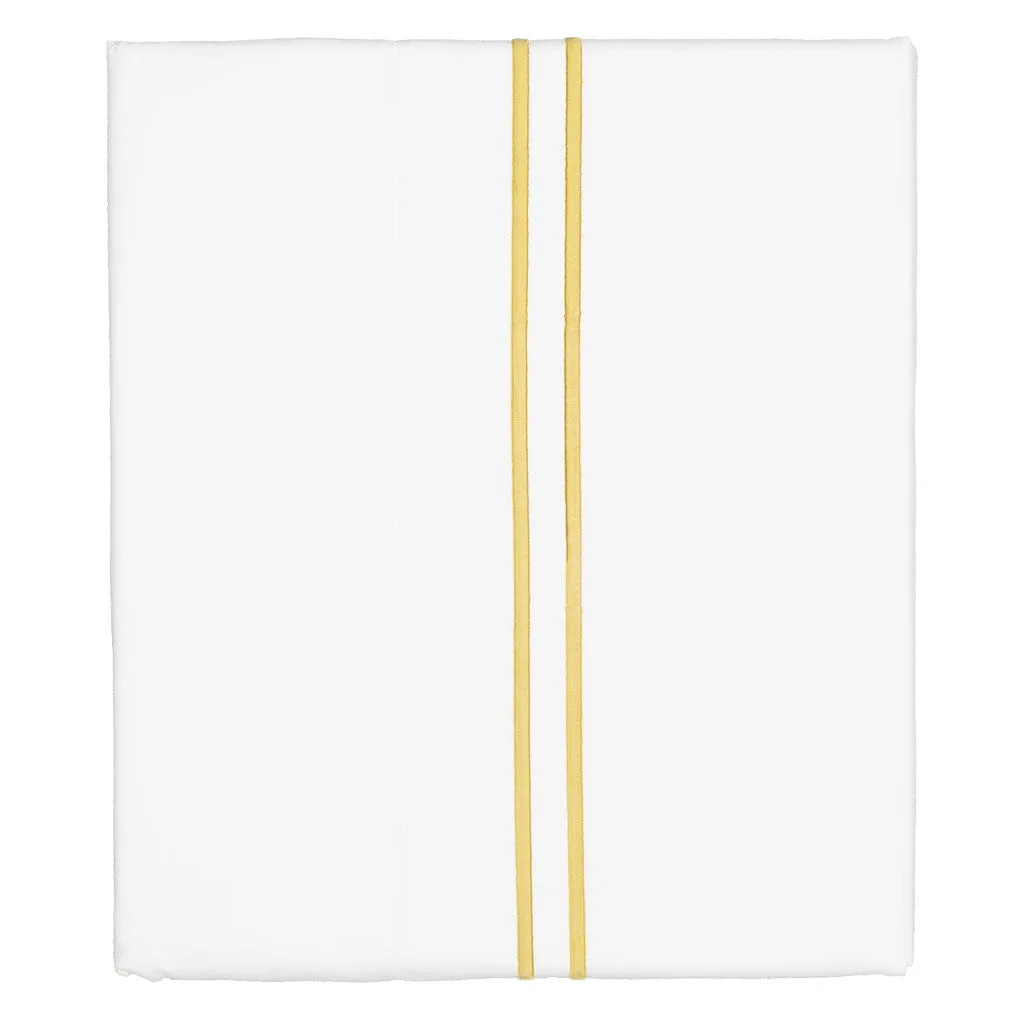
Marigold Yellow Lines Embroidered Flat Sheet
-
Gray Scalloped Embroidered Flat Sheet: 400-thread-count, 100% cotton sateen flat sheet with a gray scalloped embroidered hem. The scalloped embroidery gives a polished look that works well with neutral or patterned duvet covers, and the 400 thread count ensures a smooth feel against the skin.
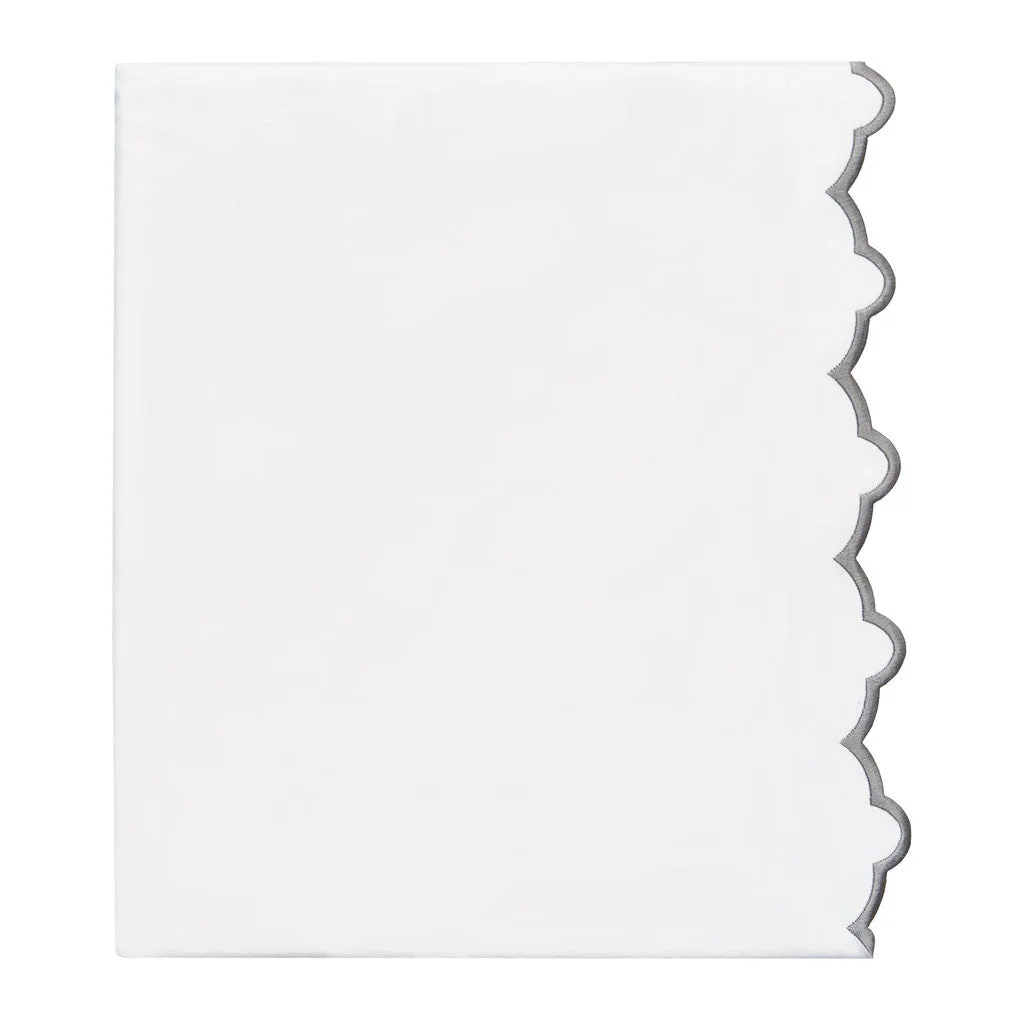
Gray Scalloped Embroidered Flat Sheet
Who should choose which size
Best for
- Sleepers who like a crisp, tucked-in top sheet and want a clean, wrinkle-free look
- Anyone with a standard-depth mattress (up to 14 inches) who prefers an exact match to their fitted sheet size
Not ideal for
- Those who prefer a loose, untucked top sheet—a larger flat sheet may feel too bulky
- Extra-deep mattresses (15+ inches) unless you size up or choose a flat sheet specifically designed for deep pockets