Quick Answer
For most workshop tasks, choose a GFCI cord with a 15-amp rating and a length that reaches your work area without excess slack. Look for a cord with a built-in ground fault circuit interrupter (GFCI) that trips quickly on ground faults. If you work in damp areas or with power tools, a portable GFCI cord is a smart investment for safety.
When you're working with power tools in a workshop, electrical safety should be a top priority. A ground fault circuit interrupter (GFCI) cord can protect you from serious shocks by cutting power when it detects a ground fault. But with so many options, how do you choose the right one? This guide will walk you through the key factors: amperage, cord length, wire gauge, and portability.
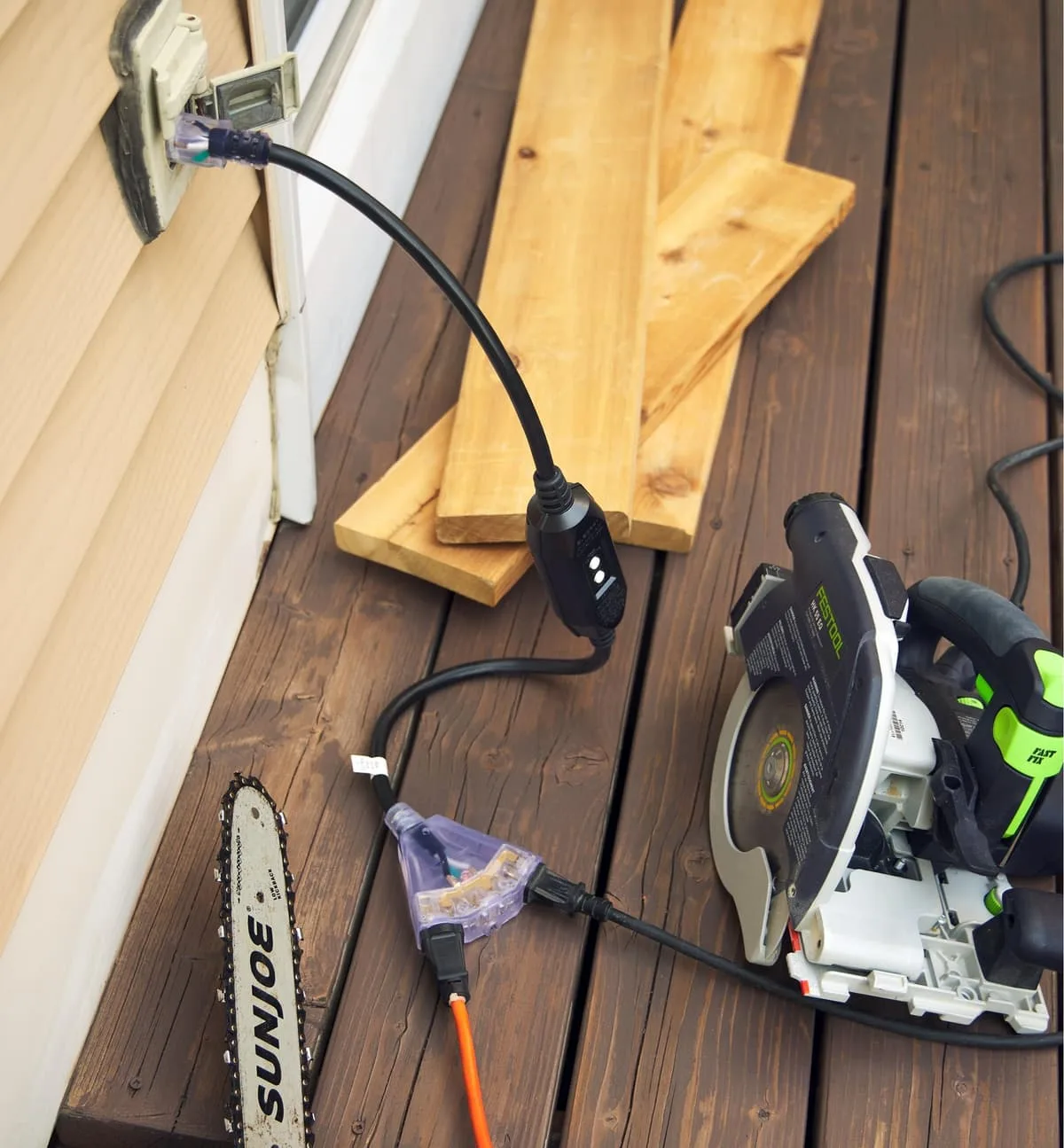
ground fault circuit interrupter (GFCI) cord
Whether you're a hobbyist or a professional, having the right extension cord with GFCI can make your workspace safer and more convenient. We'll cover the trade-offs of different features and give you clear decision rules to match a cord to your specific needs.
Understanding GFCI Protection
A GFCI (ground fault circuit interrupter) monitors the current flowing in the hot and neutral wires. If it detects an imbalance, it trips and cuts power within milliseconds, preventing potentially fatal shocks. This is especially important in workshops where water, dust, and power tools create higher risks.
Not all extension cords include GFCI protection. A standard cord only provides a path for power; it doesn't offer shock protection. For workshop use, especially near sinks, outdoor areas, or concrete floors, a GFCI cord adds a critical layer of safety.
- Always look for cords with built-in GFCI protection for workshop use.
Key Features to Compare
When choosing a GFCI cord, consider the amperage rating. Most standard outlets provide 15 or 20 amps. Match the cord's rating to the circuit and the tools you'll use. A 15-amp cord is sufficient for most portable power tools, but if you plan to run multiple tools or a heavier machine, a 20-amp cord may be necessary.
Cord length and wire gauge also matter. Longer cords have more voltage drop, so for runs over 50 feet, choose a thicker gauge (lower AWG number) to maintain performance. Also, think about portability: a cord with a compact GFCI module is easier to handle and store.
- For runs over 50 feet, choose a 12 AWG cord to minimize voltage drop.
- Check that the GFCI module has a test and reset button for easy verification.
Trade-offs and Practical Tips
A longer cord gives you more reach but adds weight and bulk. If you rarely need more than 25 feet, a shorter cord is lighter and less likely to tangle. Also, consider the environment: if you work in damp conditions, a GFCI cord with a sealed housing is more durable.
Remember that a GFCI cord is not a substitute for proper grounding or using tools with three-prong plugs. Always inspect cords for damage before use, and test the GFCI regularly.
- Test your GFCI cord monthly by pressing the test button and confirming the power cuts off.
Decision Rules for Choosing a GFCI Cord
- Assess your amperage needs: Check the amp rating of the tools you'll use. Most portable tools need 15 amps; heavier equipment may require 20 amps. Choose a cord that matches or exceeds the tool's requirement. For typical workshop use, a 15-amp GFCI cord is sufficient.
- Measure your workspace: Determine the distance from the outlet to your work area. Choose a cord length that reaches without excessive slack, which can be a trip hazard. For longer runs, consider a thicker gauge. Keep it short and safe: 25 to 50 feet is often ideal.
- Consider portability and durability: If you move between job sites or work in tight spaces, a compact GFCI module and flexible cord are easier to manage. For damp environments, look for a cord with a rugged, water-resistant housing. Prioritize a cord that is easy to handle and built for your environment.
Related Products from Lee Valley Tools
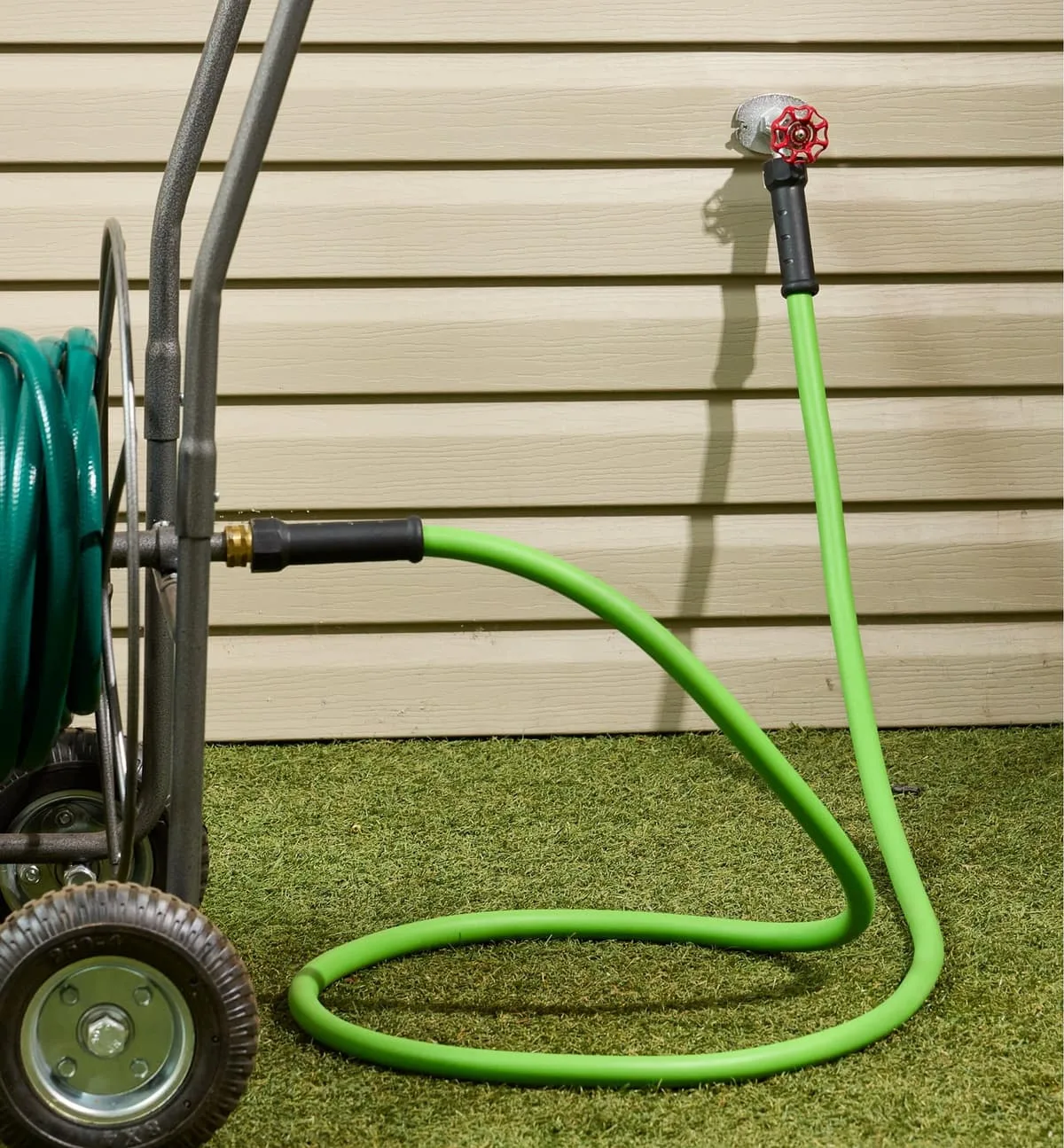
- Flexible Misting Hose: This Flexible Misting Hose offers a convenient way to deliver a gentle mist exactly where you need it. Its 66-inch PVC body is designed for flexibility, allowing you to shape it freestanding or coil it around a support to suit your space. Five fine nozzles provide a soft, even mist for plants, cooling, or other applications. While not a GFCI cord, this hose is useful for cooling or misting in the workshop, and its flexible design helps manage water near electrical equipment—reminding you to keep moisture away from power sources.
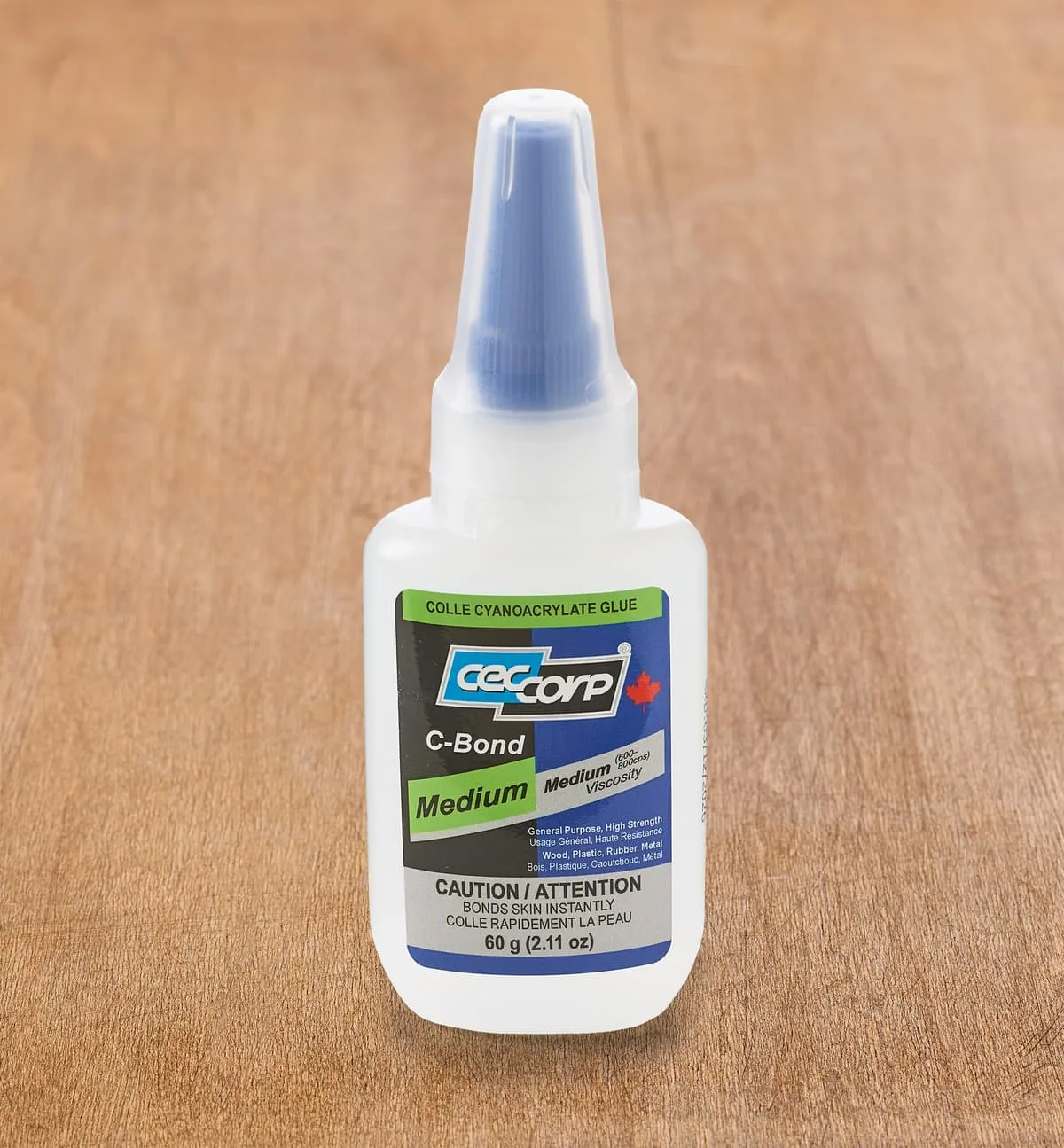
- D-Bond CA Glue Remover: CA glue remover softens cured cyanoacrylate on tools and surfaces. Apply with applicator or cloth, then rub residue away. Keeping your tools clean and residue-free is part of workshop safety, ensuring good grips and preventing slips that could lead to electrical hazards.
Who Should Choose What
Best for
- Hobbyist woodworkers who use power tools intermittently and want a simple plug-and-play safety solution.
- Professionals working in varied environments where moisture or concrete floors increase shock risk.
Not for
- Fixed, dedicated circuits in a permanent workshop where a hardwired GFCI outlet is more cost-effective.
- Users who only need occasional light-duty extension without shock protection.
Choosing the right GFCI cord for your workshop comes down to matching amperage, length, and portability to your specific tasks. A cord with built-in ground fault protection is a small investment that can prevent serious injury. Always test your GFCI regularly and keep cords away from water and damage. With these decision rules, you can work with confidence and safety.