Quick answer
Choose a kitchen tape that stays sticky in cold, damp conditions and removes cleanly without residue. For freezer use, opt for a dedicated freezer tape or a strong masking tape rated for low temperatures. For pantry labeling, a water-resistant label tape works well. Always test on a small area first.
Organizing your freezer and pantry starts with clear labeling. The right kitchen tape ensures your labels stay put, even in cold, humid environments. But with so many options—masking tape, freezer tape, washi tape, and more—how do you choose? This guide breaks down the key factors: adhesion, moisture resistance, removability, and safety.
Whether you're freezing meal-prepped portions or labeling spice jars, the tape you pick affects how easily you can identify and rotate your food. We'll help you match the tape to the job, so you avoid the frustration of peeling labels and sticky residue.
Understanding Kitchen Tape Types
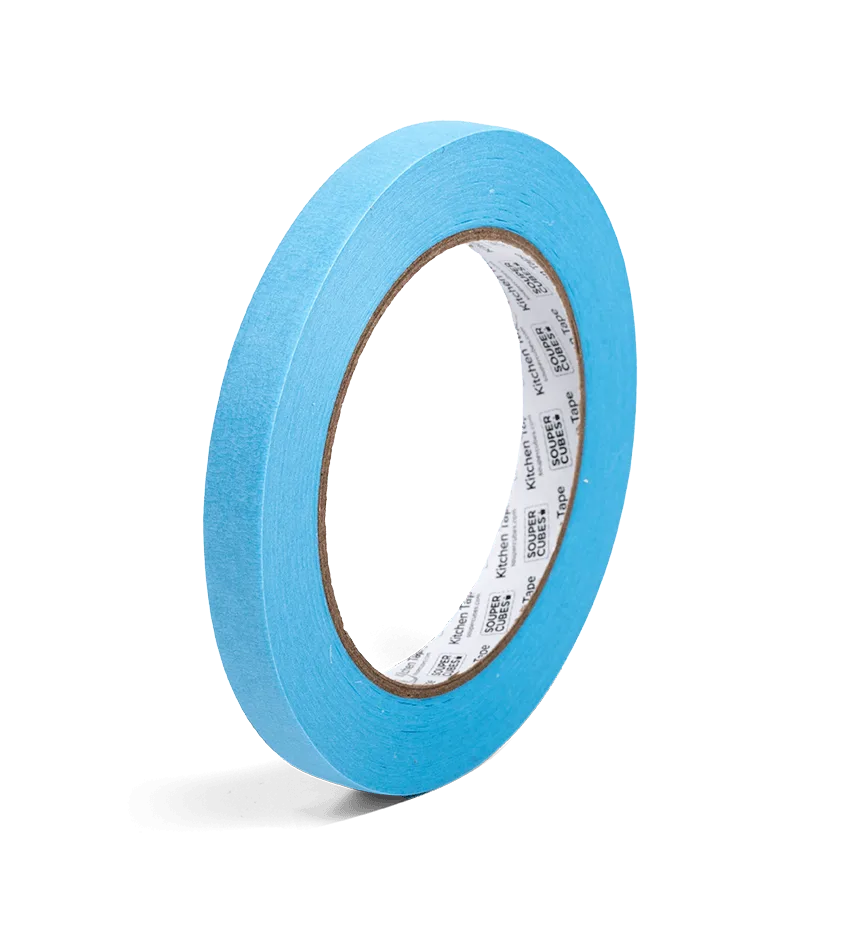
Kitchen tapes come in several varieties, each with strengths and weaknesses. Masking tape is a general-purpose option that sticks well to many surfaces but may not hold up in freezing temperatures or high humidity. Freezer tape is specifically designed to adhere at low temperatures, often with a stronger adhesive that resists peeling. Washi tape is decorative but less durable, making it better for dry pantry use. Duct tape is too strong and leaves residue, so avoid it for labeling.
Another factor is the tape's backing material. Paper tapes are breathable and tear easily, but they can absorb moisture and become soggy. Plastic or vinyl tapes are waterproof and more durable, but they can be harder to tear and may leave residue if removed after a long time. Consider what you're labeling and how long it needs to stay readable.
- For freezer use, choose a tape rated for low temperatures to ensure adhesion.
- For pantry items, a water-resistant label tape prevents smudging from spills.
- Test any tape on a small area before committing to a full label.
Key Features to Look For
Adhesion strength is crucial. A tape that doesn't stick well will fall off in the freezer, leaving you with mystery containers. Look for tapes with strong acrylic adhesive that bonds to plastic, glass, and metal. Moisture resistance is equally important—freezer frost and pantry humidity can cause paper tapes to peel or labels to smear.
Removability matters if you reuse containers. Some tapes leave sticky residue that's hard to clean. Opt for tapes that peel off cleanly, especially if you plan to wash and reuse your freezer trays. Also consider the ease of writing on the tape—some surfaces are better for markers than others.
- Check the temperature range: freezer tape should handle 0°F or lower.
- Look for tapes that are removable without residue for reusable containers.
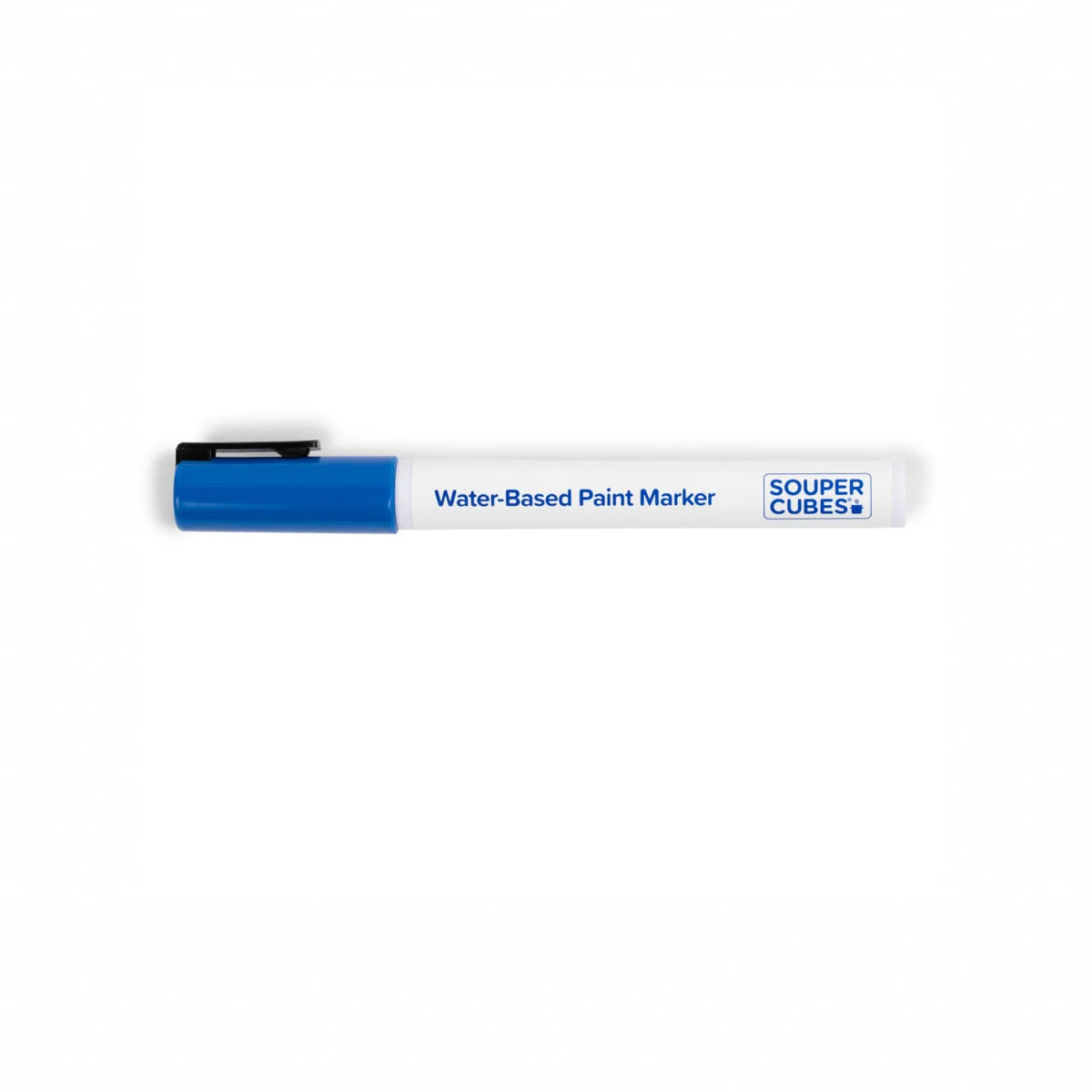
- Ensure the tape surface is writable with your preferred marker.
Matching Tape to Your Storage Needs
For freezer organization, you need a tape that sticks to plastic freezer trays and bags, even when they're cold and covered in frost. A dedicated freezer tape is your best bet. It's designed to stay put in sub-zero temperatures and often has a stronger adhesive. For pantry labeling, a water-resistant label tape works well for jars and bins that might get handled frequently.
Consider the surface you're labeling. Textured or rough surfaces may require a stronger tape. Smooth surfaces like glass or plastic are easier. Also think about how long the label needs to last—for long-term storage, a durable vinyl tape is better than a paper one.
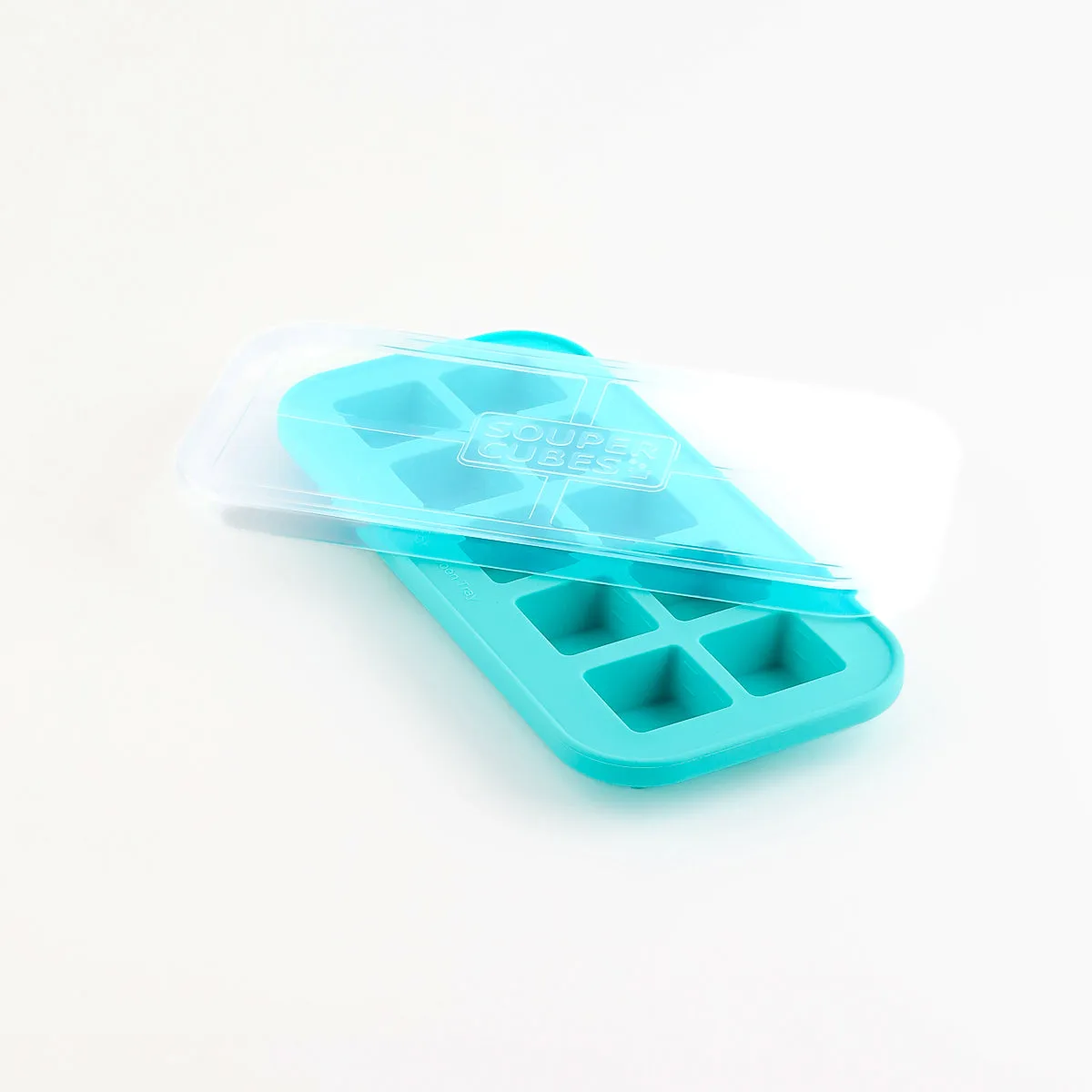
- Use freezer tape for anything going into the freezer, including Silicone Freezer Trays.
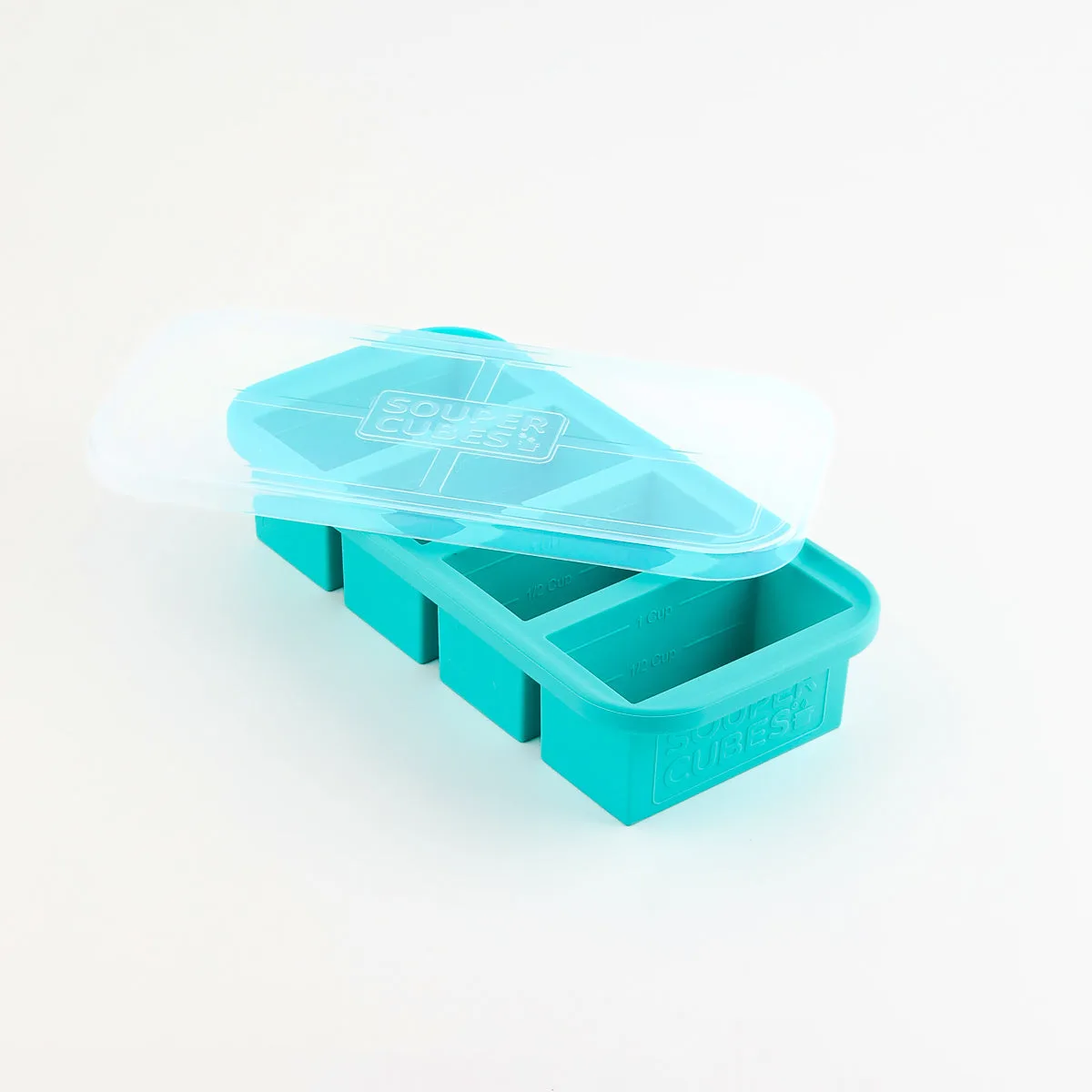
Silicone Freezer Trays
- For pantry items, a water-resistant label tape prevents smudging.
- If you reuse containers, choose a tape that removes cleanly.
Decision Rules for Choosing Kitchen Tape
- If you store food in the freezer: Choose a tape specifically rated for freezer use. It should withstand low temperatures without losing adhesion. Dedicated freezer tape is your best bet for freezer labels.
- If you label pantry items: A water-resistant label tape or strong masking tape works well. Ensure it adheres to jars, bins, and containers. Water-resistant tape prevents smudging from spills.
- If you reuse containers: Opt for a tape that removes cleanly without residue. Test on a small area first. Removable tapes save time and keep containers clean.
- If you write on the tape: Ensure the tape surface is writable with your preferred marker. Some tapes smear or don't take ink well. Test your marker on the tape before labeling everything.
Tape-Compatible Souper Cubes Products
- Silicone Freezer Trays: Freeze and store soups, stews, sauces, and other foods in ideal portions. Remove, reheat, and use the exact amount you need. These trays are perfect for portioned freezing, and clear labeling with the right tape ensures you know what's inside and when it was frozen.
- Freezer Tray - 1-Cup: Freeze and store soups, stews, sauces, and other foods in 1-cup portions. Remove, reheat, and use the exact amount you need. With 1-cup portions, labeling is essential for meal prep. Use a tape that withstands freezer conditions to keep your labels intact.
Which Tape Should You Choose?
Best for
- Freezer organization with dedicated freezer tape for long-term storage.
- Pantry labeling with water-resistant label tape for jars and bins.
Not for
- If you need a tape that leaves no residue on reusable containers, avoid duct tape or heavy-duty tapes.
- If you label items that get wet frequently, avoid paper-based tapes that can disintegrate.
Choosing the right kitchen tape ensures your freezer and pantry stay organized and your labels remain readable. For freezer storage, invest in a tape that handles cold temperatures, and for pantry, opt for water-resistant options. Pair your tape with quality storage solutions like Silicone Freezer Trays to keep your meal prep efficient and your kitchen tidy.