Quick answer
Buy lug nuts by three specs in this order: thread size, seat type, then material. Match the thread to your vehicle's studs, match the seat to the wheel's lug hole (cone, ball, or flat), and pick steel for off-road abuse. Never mix seat types on the same wheel, and never guess thread size.
Lug nuts are the cheapest part of your wheel setup and the one most likely to leave you stranded. A set that threads on but seats wrong can loosen, strip studs, or crack a wheel. The fix is boring: confirm thread size, seat type, and material before you order.
This guide walks through each decision in the order that matters, with the trade-offs spelled out. It also covers how aftermarket wheels change the math, and where accessories like center caps and beadlock rings fit into the same fitment logic.
Start With Thread Size, Not Looks
Thread size is written as diameter by pitch, like M14 x 1.5 or 1/2-20. It has to match your studs exactly. Thread a single nut on by hand before buying a full set; if it binds after a turn or two, the size or pitch is wrong. Forcing it damages studs and the nut.
Most modern trucks and SUVs use metric sizes, while older domestic vehicles often use inch sizes. Your owner's manual or a thread pitch gauge settles it in a minute. Write the size down and keep it with your wheel paperwork so future purchases are one step.
- Hand-thread one nut on one stud before buying a set.
- Count the studs per wheel and buy that many per wheel, plus a few spares.
- Do not substitute a close thread size; pitch differences are not interchangeable.
Seat Type Is the Deal-Breaker
The seat is the angled or flat face where the nut contacts the wheel. Conical (60-degree taper), ball (radius), and flat (mag) seats are not interchangeable. Using the wrong seat can feel tight while contacting only a sliver of the wheel, which is how wheels loosen and lug holes oval out.
Aftermarket wheels usually specify their seat type in the product details. If your factory wheels used ball-seat nuts and your new wheels take conical seats, you need new nuts even if the thread matches. When the seat type is not published, ask the wheel maker before ordering.
- Conical, ball, and flat seats each require a matching nut.
- Never stack washers or adapters to make a wrong seat work.
- Check whether the wheel needs a specific shank length or washer.
Material and Finish Trade-Offs
Steel lug nuts handle torque cycles and off-road vibration better than aluminum. Aluminum looks good and saves a little weight, but it galls, strips more easily, and is a poor choice for hard use. For a daily-driven truck that sees trails, steel is the safe default.
Coatings matter too. Chrome and painted finishes resist corrosion but can chip at the seat. Black oxide and zinc finishes are common on off-road sets. Whatever you choose, re-check torque after the first 50 to 100 miles and again after any hard wheeling.
- Steel for off-road and towing; aluminum only for light show use.
- Open-end nuts let you visually confirm stud engagement.
- Re-torque after the first drive and after hard off-road use.
How Aftermarket Wheels Change the Math
Aftermarket wheels often have thicker centers or different lug hole depths, which changes how much thread engages. You want full thread engagement, not just a few turns. Some wheels also require a specific shank or washer style that factory nuts do not provide.
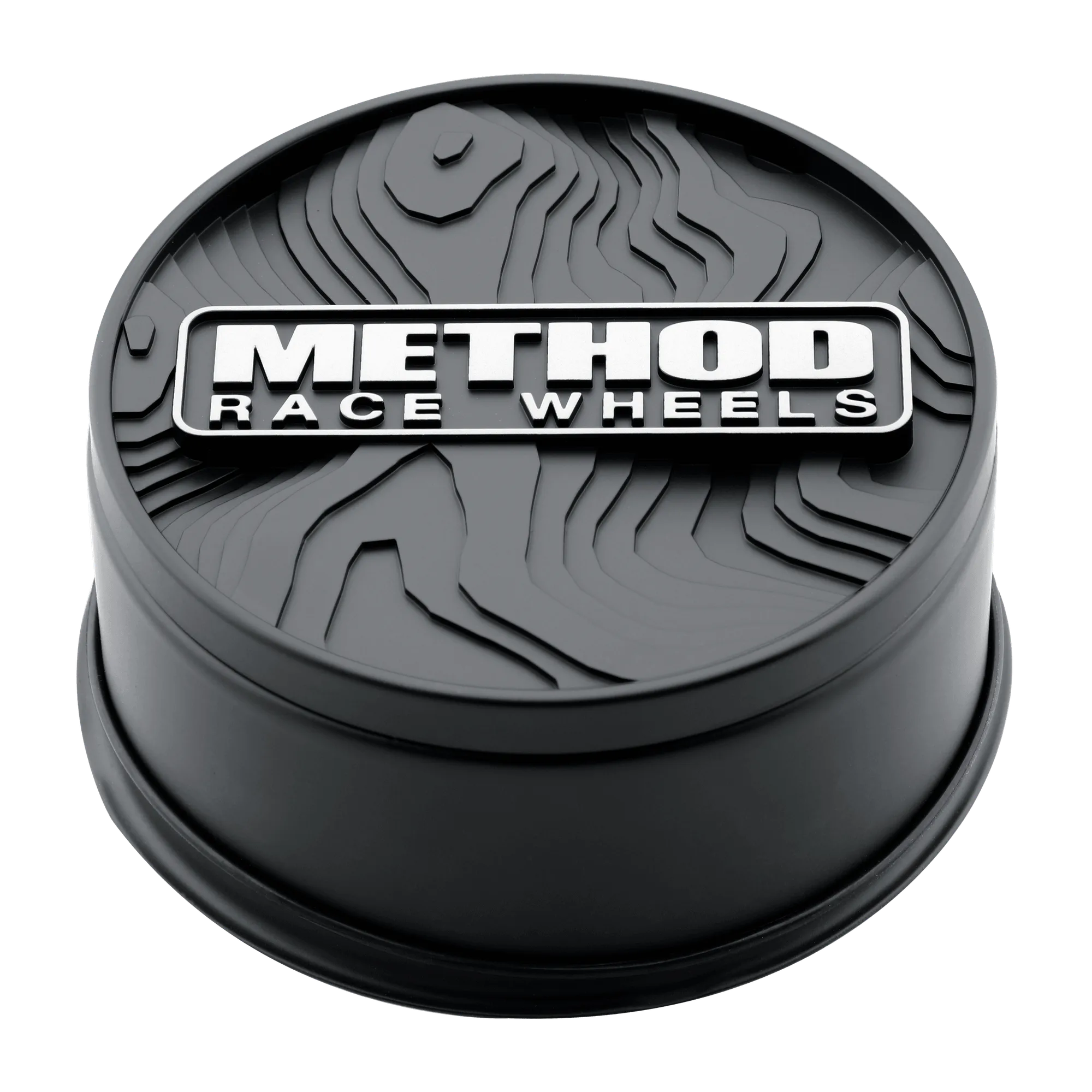
This is the same fitment logic that applies to other wheel accessories. A center cap, for example, is chosen by cap style and wheel bolt pattern, not by looks alone. Method's Center Cap | TOPO Push-Through | Black is a replacement cap that fits numerous Method wheel styles, and the push-through version gives a more flush look than a snap-in. Fitment still depends on cap style and bolt pattern.
Center Cap | TOPO Push-Through | Black
- Confirm thread engagement depth on the new wheel before final torque.
- Keep the wheel's seat type and required nut style with your records.
- Accessory fitment, like center caps, follows the same pattern-and-style rule.
When You Need More Than Nuts
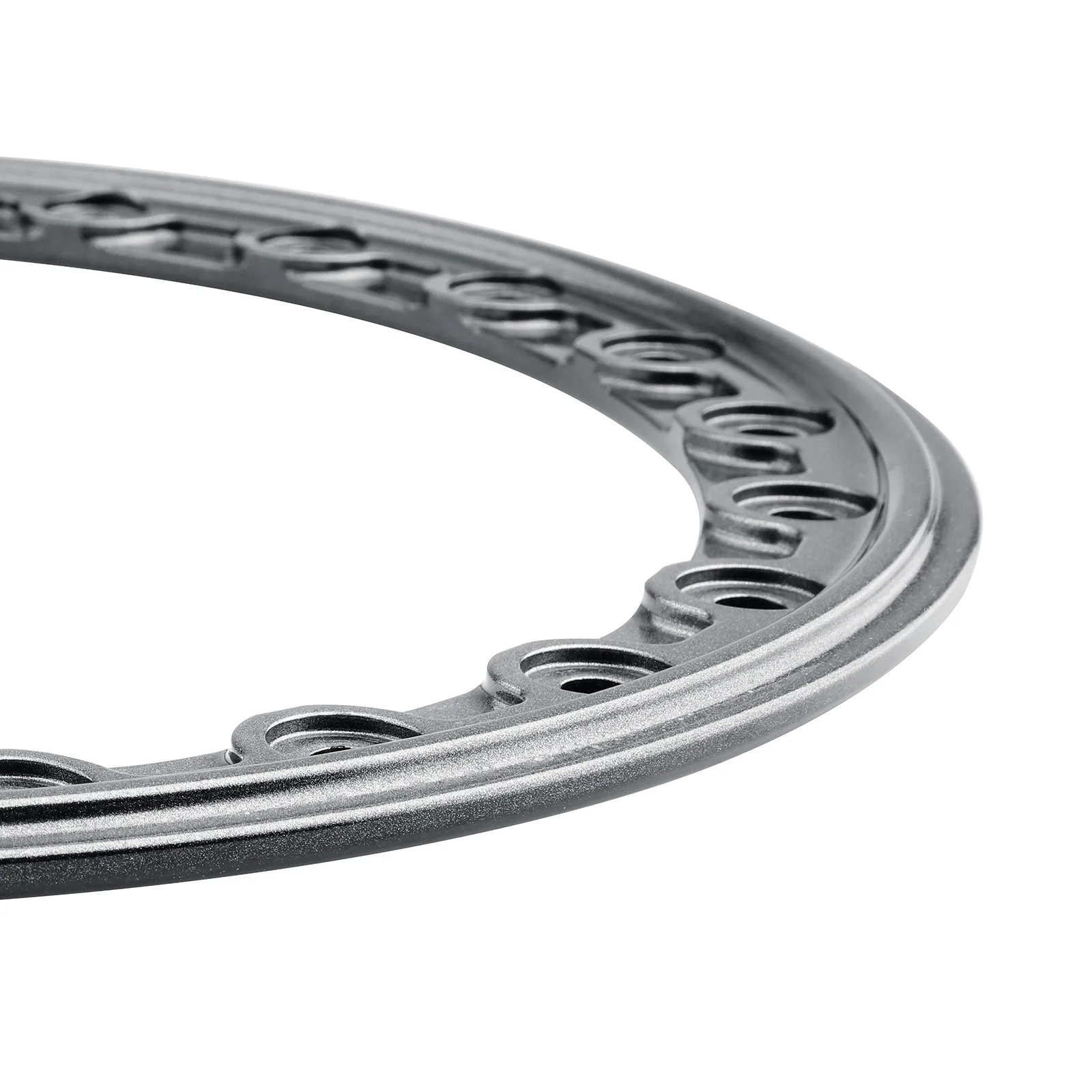
If you run beadlocks, the ring hardware is a separate system from your lug nuts. Beadlock rings are model-specific, so a ring for one wheel will not fit another. Method's V.7 Beadlock Ring | Gloss Graphite is a replacement ring originally found on the 415 UTV Beadlock, and the V.8 UTV Beadlock Ring | Machined is a replacement ring originally found on the 416 UTV Beadlock. Both are offered as accessories for compatible beadlock applications.
The takeaway is the same as with lug nuts: match the part to the wheel model and application. Buying a ring or nut that is close but not correct wastes money and creates a safety problem. Check the wheel model, then order the matching hardware.
- Beadlock ring hardware is separate from lug nut hardware.
- Match rings to the exact wheel model, not just the brand.
- If a spec is not published, ask before ordering rather than guessing.
Decision rules for buying lug nuts
- Thread size first: Match diameter and pitch to your studs exactly, like M14 x 1.5 or 1/2-20. Hand-thread one nut before buying a set. If it does not thread by hand, stop and recheck the size.
- Seat type second: Identify conical, ball, or flat seat from the wheel, not the old nuts. Aftermarket wheels may differ from factory. Wrong seat type is the most common and most dangerous mistake.
- Material third: Choose steel for off-road, towing, and daily driving. Aluminum is for light, show-oriented use only. Steel costs a little more and lasts far longer under load.
- Engagement check: Confirm full thread engagement on the new wheel, especially with thicker aftermarket centers. A few turns is not enough; aim for full stud engagement.
- Torque and recheck: Torque to the wheel or vehicle spec, then recheck after 50 to 100 miles and after hard off-road use. Loose nuts, not bad nuts, cause most wheel-off incidents.
Product facts that inform fitment
- Center Cap | TOPO Push-Through | Black: Replacement snap-in and push-through center caps with a textured topography design, offered in both styles and fitting numerous Method wheel styles. Cap style and wheel bolt pattern determine fitment and part number. Shows that wheel accessories are chosen by style and bolt pattern, the same discipline you apply to lug nut seat type and thread size.
- V.7 Beadlock Ring | Gloss Graphite: A replacement ring originally found on the 415 UTV Beadlock, offered by Method Race Wheels as an accessory for compatible beadlock applications, available in a 15-inch option. Reinforces that ring hardware is model-specific; buying the wrong ring or nut for your wheel is a fitment failure, not a cosmetic one.
- V.8 UTV Beadlock Ring | Machined: A replacement ring originally found on the 416 UTV Beadlock, in a machined finish, offered as an accessory for compatible beadlock applications and available in a 15-inch option. Confirms that even within one brand, ring fitment follows the wheel model, so always verify the exact application before ordering.
Who this guide is for
Best for
- Drivers installing aftermarket off-road wheels who need to confirm thread size and seat type
- Truck and SUV owners who tow or wheel and want steel nuts that hold torque
- UTV and beadlock owners matching lug and ring hardware to a specific wheel model
Not for
- Show-car builds where aluminum nuts are chosen purely for appearance and load is minimal
- Anyone who has not confirmed thread size and seat type and plans to guess
Get thread size and seat type right, choose steel for real use, and recheck torque after the first drive. That routine prevents nearly every lug nut problem. If a spec is missing, ask before you order rather than hoping it fits.