Quick Answer
To choose the right massage table, first decide between a portable and a stationary model based on how often you travel. Then, check the weight capacity, adjustability, and materials to ensure the table supports your clients and your style of work. For most professionals, a lightweight portable table with a high weight capacity and adjustable backrest offers the best balance of versatility and comfort.
Choosing a massage table is one of the most important decisions you'll make for your practice. The right table supports your clients' comfort and your own body, while also fitting your workflow and budget. Whether you're just starting out or upgrading your equipment, understanding the key differences between portable and stationary tables will help you make an informed choice.
In this guide, we'll walk you through the essential features to consider, from weight capacity and adjustability to portability and durability. We'll also highlight some popular options to give you a concrete starting point for your search.
Portable vs. Stationary Massage Tables
The first big decision is whether you need a portable table or a stationary one. Portable tables fold up for easy transport, making them ideal for mobile therapists who travel to clients' homes, offices, or events. They are also a great choice for part-time practitioners who don't have a dedicated treatment room. Stationary tables, on the other hand, are heavier and more stable, often featuring electric height adjustment and extra padding. They're best for a fixed clinic or spa setting where you won't need to move the table frequently.
Consider your daily routine: do you spend most of your time in one location, or are you always on the go? If you travel, a portable table is a must. If you have a permanent studio, a stationary table might offer more comfort and durability. Some practitioners even own both—a heavy-duty stationary table for their clinic and a lightweight portable one for house calls.
- Think about how often you'll move the table: weekly travel means portability is non-negotiable.
- If you have a permanent space, stationary tables often provide better stability and adjustability.
Key Features to Consider
Once you've decided on the type, focus on the features that affect your clients' comfort and your own ergonomics. Weight capacity is a critical safety factor: make sure the table can support your heaviest client. Most quality tables support at least 500 lbs, but always check the manufacturer's rating. Adjustability is also important—a backrest that tilts to multiple positions allows you to perform different modalities like facials, reflexology, or acupuncture without changing tables.
The frame material influences weight and durability. Aluminum frames are lightweight and strong, ideal for portables, while hardwood frames are heavier but offer a classic look and solid feel. Foam density and thickness affect comfort: higher-density foam provides better support and lasts longer. Finally, consider the upholstery—choose a material that is easy to clean and durable, especially if you deal with oils or lotions.
- Always verify the weight capacity before purchasing, especially if you work with larger clients.
- Look for adjustable backrests to expand the range of services you can offer.
Comfort and Ergonomics for You and Your Client
Your own body is your most important tool, so a table that adjusts to your height is essential. Many tables offer adjustable height legs, allowing you to work without bending or straining. A table that is too low or too high can lead to back pain and fatigue, reducing your career longevity. Similarly, your client's comfort depends on the padding and the face cradle. A well-padded table with a supportive face cradle allows clients to relax fully during a session.
Don't overlook accessories like bolsters and face cradle covers. Bolsters provide support for knees, ankles, and hips, improving comfort and positioning. A good face cradle cover should be easy to remove and wash, and ideally disinfectable for hygiene. These small details make a big difference in the overall experience for both you and your clients.
- Test the table's height range to ensure it fits your body and working style.
- Invest in quality bolsters and face cradle covers to enhance client comfort and hygiene.
Budget and Value
Massage tables range from budget-friendly to premium, and your choice should reflect your needs and how often you'll use it. A lower-priced table might be fine for occasional home use, but if you're a professional, durability and comfort are worth the investment. Consider the warranty and the brand's reputation—established manufacturers often offer better support and replacement parts.
Look for packages that include accessories like a carrying case or bolster, which can save you money compared to buying items separately. Remember that a table is a long-term investment in your practice, so prioritize quality over price if you can.
- Factor in the cost of accessories like cases, bolsters, and covers when budgeting.
- Check the warranty and availability of replacement parts before buying.
Decision Rules for Choosing Your Massage Table
- Portability: If you travel to clients or work in multiple locations, choose a portable table that folds compactly and is lightweight. For a fixed studio, a stationary table offers more stability and features. Assess your travel frequency: more than once a week means portability is a top priority.
- Weight Capacity: Check the manufacturer's weight limit and ensure it supports your client base. A minimum of 500 lbs is a good benchmark for professional use. If you serve a diverse clientele, opt for a table with a higher weight capacity for safety and peace of mind.
- Adjustability: Look for an adjustable backrest and height settings. These features allow you to perform different modalities and work ergonomically, reducing strain on your body. If you offer multiple services, an adjustable backrest is non-negotiable.
- Material & Durability: Aluminum frames are lightweight and strong, ideal for portables. Hardwood frames are heavier but durable and classic. Choose based on your portability needs and aesthetic preference. Consider how often you'll move the table: aluminum for frequent travel, hardwood for a permanent setup.
Products to Consider
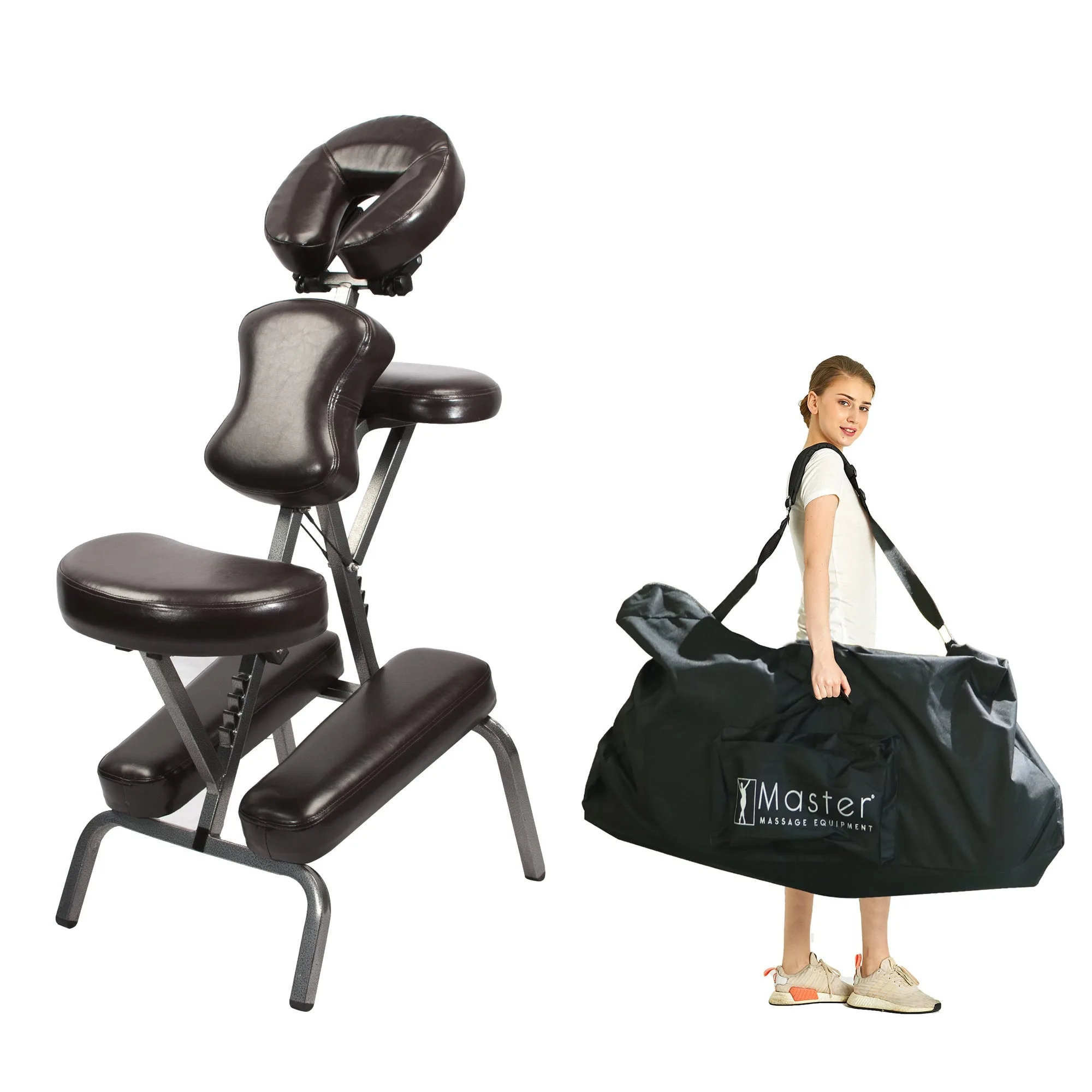
- Master Massage - The BEDFORD Portable Massage Chair Package - Starter Chair, Coffee Luster: This portable massage chair weighs only 18 lbs. (chair only) and supports up to 500 lbs., with an exclusive multi-layer small cell foam that is higher density than normal foam. If you need a lightweight, high-capacity chair for on-site work, this model makes transport easy while still accommodating a wide range of clients.
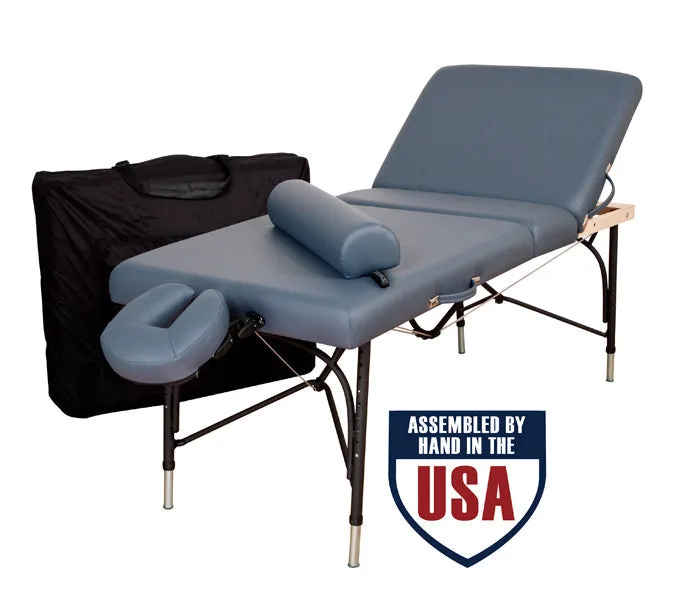
- Alliance Aluminum Massage Table - Essential Package: The Oakworks Alliance Aluminum portable massage table features an adjustable backrest that tilts to six positions up to 60 degrees, allowing for modalities like waxing, facials, reflexology, and acupuncture. This versatility is perfect for therapists who offer multiple services and want one table that can adapt to different treatments without needing extra equipment.
- Oakworks Massage Bolster, 8" Fluffy: This bolster is filled with ultra-soft material and covered with PVC-free TerraTouch upholstery, providing cradling support for hips, knees, and ankles. Adding a bolster to your table setup increases client comfort during side-lying or knee-support positions, making your sessions more relaxing and effective.
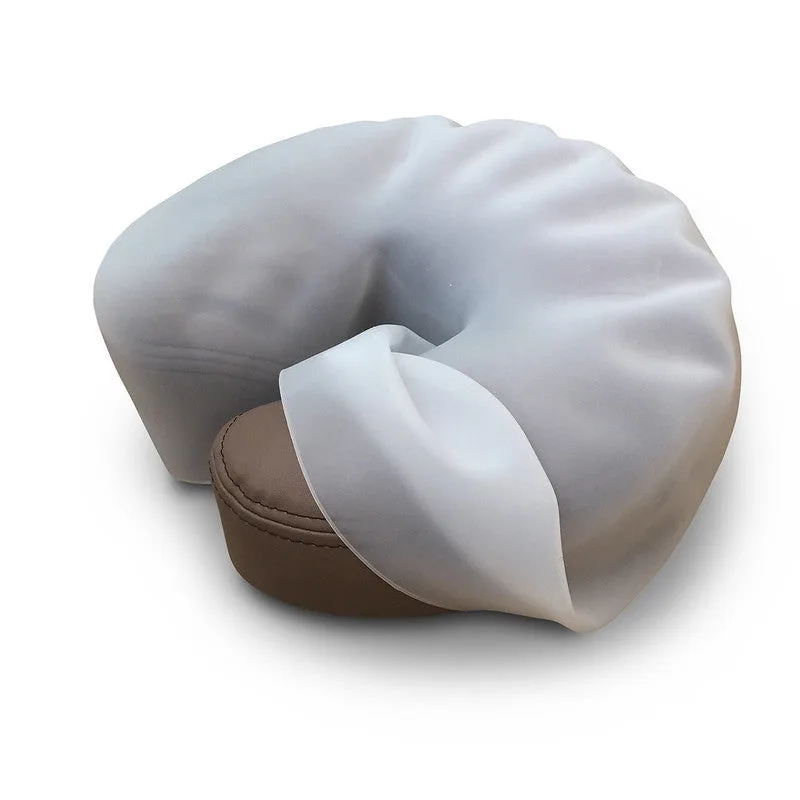
- Earthlite Stretch Guard Silicone Face Pillow Cover: This reusable face cradle cover is made of molded, seamless, chemical-resistant silicone, making it easy to disinfect and fitting most industry standard crescent cushions. Maintaining a hygienic face cradle is crucial; this cover simplifies cleaning and helps you meet health standards between clients.
Who Should Choose Which Table
Best For
- Mobile therapists who travel to clients and need a lightweight, high-capacity table
- Practitioners offering multiple modalities like facials, reflexology, or acupuncture who benefit from an adjustable backrest
Not For
- Those who only work in a fixed clinic and prefer the stability and electric height adjustment of a stationary table
Choosing the right massage table comes down to your practice style, client needs, and budget. Start by deciding between portable and stationary, then prioritize weight capacity, adjustability, and comfort. With these decision rules in mind, you'll be well-equipped to find a table that supports your work and your clients for years to come.