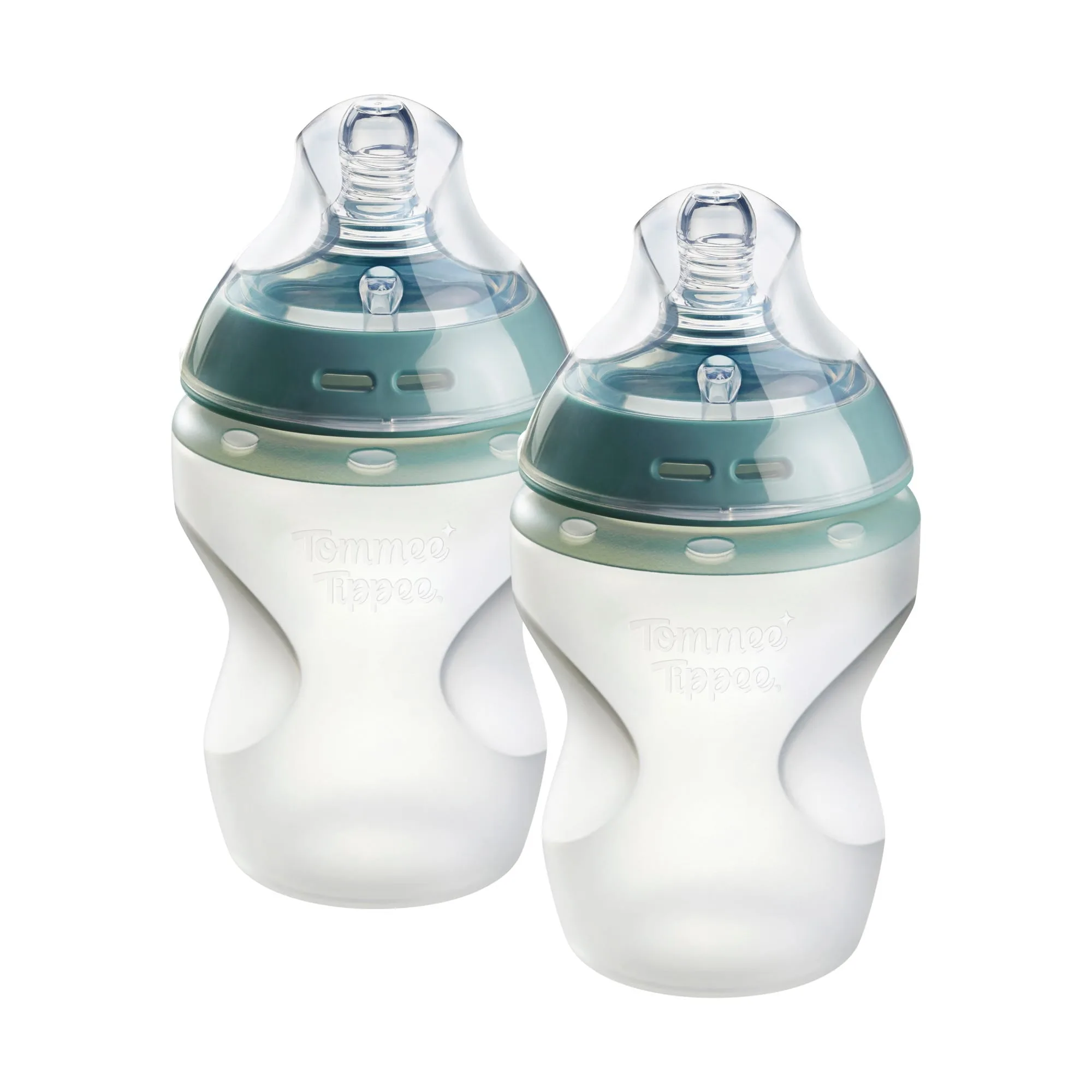
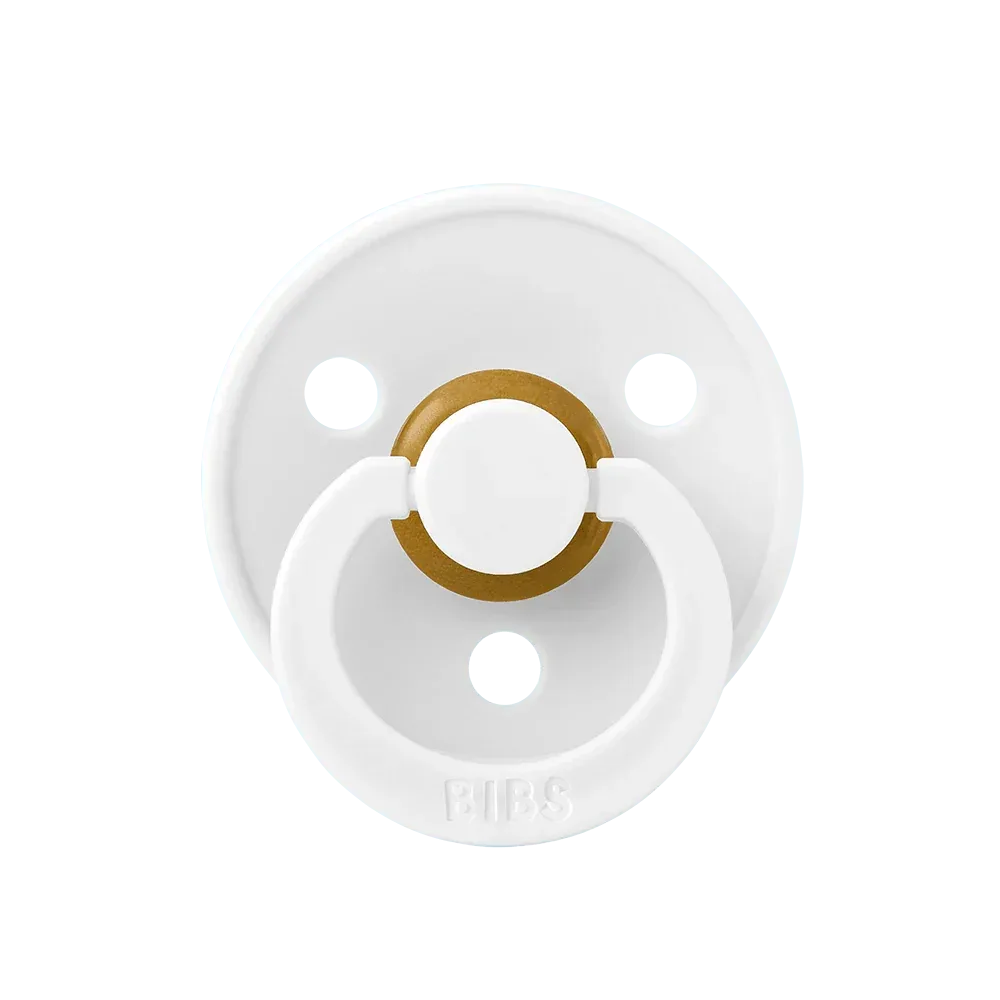
Choosing the right baby bottle nipple flow can feel like a guessing game, but it directly affects your baby's feeding comfort and safety. A nipple that flows too fast can cause choking or overfeeding, while one that flows too slow may frustrate your baby and lead to poor intake. This guide walks you through nipple flow rate options, when to switch, and how to tell if your baby is ready for the next stage.
Whether you're using newborn nipple size for a breastfed baby or transitioning to a faster flow for an older infant, understanding the differences helps you feed with confidence. We'll cover the common flow levels, signs your baby needs a change, and practical tips for making the switch without fuss.
Understanding Nipple Flow Levels
Most bottle brands offer nipple flow stages labeled by number or description. Stage 1 (slow flow) is designed for newborns and breastfed babies who need a gentle, steady pace. Stage 2 (medium flow) works for babies around 3-6 months who have stronger suck and can handle a faster stream. Stage 3 (fast flow) suits older babies who drink quickly and may need thicker liquids like oatmeal cereal mixed with formula.
Some brands, like those found in Munchkin's Flow category, offer variable flow nipples that let you adjust the flow by rotating the nipple. These can be handy if your baby's needs change during a feeding or as they grow. Always check the packaging for age recommendations, but remember that every baby develops at their own pace.
- Start with a slow flow nipple for newborns and breastfed babies to mimic the breast's natural pace.
Slow Flow vs Fast Flow Nipple: When to Switch
The key difference between slow flow vs fast flow nipples is the size and number of holes. Slow flow nipples have a single small hole that releases milk slowly, requiring your baby to work for it. Fast flow nipples have multiple or larger holes that deliver milk more quickly, which can overwhelm a newborn but satisfy an older baby who wants to finish a bottle faster.
Signs your baby might need a faster flow include: taking longer than 20 minutes to finish a bottle, falling asleep during feeds from exhaustion, chewing or gnawing on the nipple, or showing frustration like pulling away and crying. On the other hand, if milk drips out when you turn the bottle upside down, the flow may be too fast. For breastfed babies, sticking with a slow flow nipple helps prevent nipple confusion and overfeeding.
- Watch for gulping, milk leaking from the mouth, or coughing—these indicate the flow is too fast.
Matching Nipple Flow to Feeding Stage
Your baby's feeding stage nipple needs change as they grow. Newborns (0-3 months) do best with a slow flow nipple because their sucking reflex is strong but their coordination is still developing. Around 3-6 months, many babies are ready for a medium flow as they become more efficient eaters. After 6 months, when solids are introduced, a fast flow nipple can accommodate thicker liquids and quicker feeds.
If you're using formula like Munchkin Infant Formula with Original Milk, you'll want a nipple flow that matches the consistency of the prepared formula. For breast milk, which is thinner, a slow or medium flow often works well. Some parents find that using a nipple with a gradual flow increase helps their baby adjust without rejecting the bottle. Remember to replace nipples every 2-3 months or at the first sign of wear.
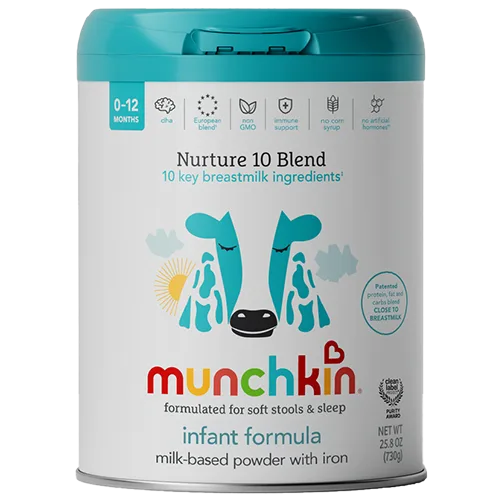
Munchkin Infant Formula with Original Milk
- Always test the flow by turning the bottle upside down—milk should drip slowly, not stream.
Practical Tips for Transitioning Nipple Flow
When you decide to move up a flow level, do it gradually. Start by offering the faster nipple during one feeding per day, ideally when your baby is calm and hungry. Watch for signs of discomfort or gulping. If your baby seems overwhelmed, go back to the slower flow for a few more days and try again. Some babies need a few attempts before they accept the change.
Keep in mind that nipple flow isn't the only factor—the shape and material also matter. Silicone nipples are durable and easy to clean, while latex nipples are softer but wear out faster. For babies with colic or reflux, a vented bottle system can reduce air intake regardless of flow rate. And if you're using a product like the Miracle 360° Trainer Cup for transitioning to open cups, remember that nipple flow rules don't apply—those cups use a different mechanism entirely.
- If your baby refuses the faster flow, try offering it when they are very hungry but not frantic.
Choosing the right baby bottle nipple flow is all about observing your baby's cues and adjusting as they grow. Start slow, watch for signs of readiness, and don't hesitate to move back a stage if needed. With a little patience and the right nipple flow rate guide, you can make bottle feeding a smooth, comfortable experience for both of you.