Quick Answer
Choose a notebook by starting with where you will use it, then match the size, paper, and binding to that setting. A5 or medium notebooks suit most everyday writing and bag carry, A6 suits pockets and quick notes, and larger sizes stay on a desk. If you want guided prompts and keepsake structure, a journal is the better format; if you want open pages for any purpose, a plain notebook wins.
Most notebook regret comes from buying for looks instead of use. A beautiful cover does not help if the pages are too small for your handwriting, the binding will not lie flat, or the paper bleeds through with your pen. The fix is to decide your purpose, carry method, and writing tool before you compare covers.
This guide walks through the decisions that actually change your experience: size, paper type, binding, layout, and the notebook versus journal question. It also shows how a few real Fox & Fallow pieces fit specific needs, so you can match a format to a job rather than guess.
Start With Purpose and Portability
Before size or paper, name the job. A notebook for meeting notes, a daily planner, a recipe keeper, and a baby memory book all demand different structures. If the notebook will travel in a bag or pocket, portability outranks page count. If it stays on a desk, you can choose a larger format with more room per page. Write down your top three uses; if they conflict, prioritize the one you do most often.
Carry method sets hard limits. Measure your bag's main compartment and your pocket before shopping. A notebook that does not fit will not get used, no matter how good the paper is. For pocket carry, A6 works; for a tote or backpack, A5 or medium is the practical default; for desk work, A4 or larger gives room for diagrams and long-form writing.
- List your top three uses before you browse.
- Measure your bag or pocket, then treat that as a hard maximum size.
- If one notebook must do everything, choose A5 and accept fewer pages.
Notebook Sizes and What They Suit
Notebook sizes are usually described in A-series or by dimensions. A6 is palm-sized and best for quick notes, lists, and pockets. A5 is the most versatile everyday size, comfortable for handwriting and easy to carry. A4 and larger suit desk work, project planning, and anything with charts or long entries. The trade-off is consistent: bigger pages mean more writing room but less portability.
Ruling matters as much as dimensions. Lined pages guide handwriting and suit notes and journals. Blank pages free you for sketches, mind maps, and layouts but offer no baseline. Dotted or grid pages split the difference and help with diagrams, tables, and planning. If you write in different ways, a mixed or flexible layout beats forcing one ruling onto every task.
- A6 for pockets and quick capture; A5 for everyday carry; A4 for desks.
- Lined for writing, blank for drawing, dotted or grid for planning and diagrams.
- Check page count, not just size; a slim A5 may not last a term.
Paper Types and Pen Compatibility
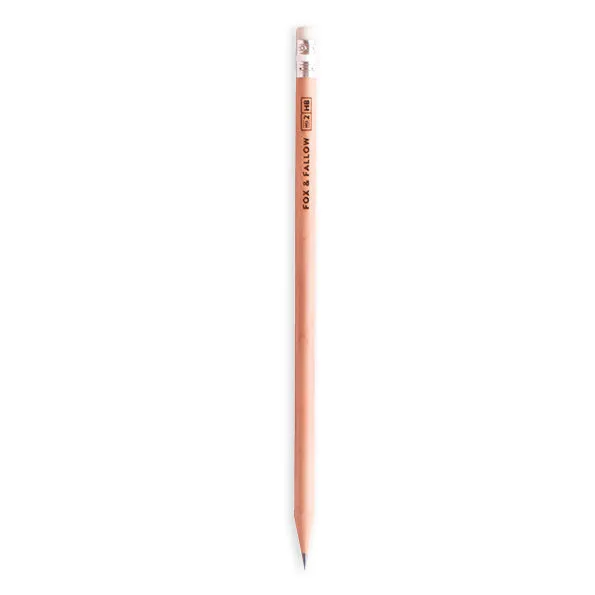
Paper type decides how your pen behaves. Heavier paper resists bleed-through and show-through, which matters for fountain pens, markers, and heavy ink. Lighter paper keeps a notebook slim and affordable, which suits pencil, ballpoint, and light gel pens. If you do not know your paper weight, test your usual pen on the first page before committing the whole notebook to a project.
pencil
Surface finish also changes feel. Smooth paper suits fine nibs and fast writing; slightly textured paper gives more feedback and can suit pencil and broader nibs. If you use highlighters or wet media, prioritize heavier stock and check whether the manufacturer lists a weight. When a specification is not published, treat that as a limitation and test before buying in bulk.
- Match paper weight to your wettest pen, not your average one.
- Test your pen on page one before starting a long project.
- If paper weight is not listed, buy one and test before stocking up.
Binding, Layout, and Features That Earn Their Place
Binding affects how a notebook opens and lasts. Sewn or stitched bindings tend to lie flatter and survive heavy use; glued spines are lighter and cheaper but can crack with constant opening. Spiral and wire bindings lie flat and fold back, which helps for note-taking at a desk but can snag in a bag. If you write on both sides of a page, prioritize a binding that lies flat.
Features should follow your habits, not a checklist. An elastic closure keeps loose pages and a pen together in a bag. A ribbon marker saves a spot without a loose bookmark. An index or numbered pages help reference-heavy work. Pocket folders suit loose receipts and cards. Skip features you will not use; each one adds bulk and cost.
- Choose a binding that lies flat if you write on both sides.
- Elastic closures and ribbon markers help most for bag carry.
- Numbered pages and an index pay off for reference-heavy notebooks.
Journal vs Notebook: Pick the Format, Not the Label
The journal vs notebook question is really about structure. A journal usually adds prompts, sections, or a guided sequence, which suits reflection, memory keeping, and milestone tracking. A notebook is open pages for whatever you need: notes, lists, sketches, or planning. If you want a record with a built-in shape, a journal saves you from designing the structure yourself. If you want freedom, a notebook is the more flexible tool.
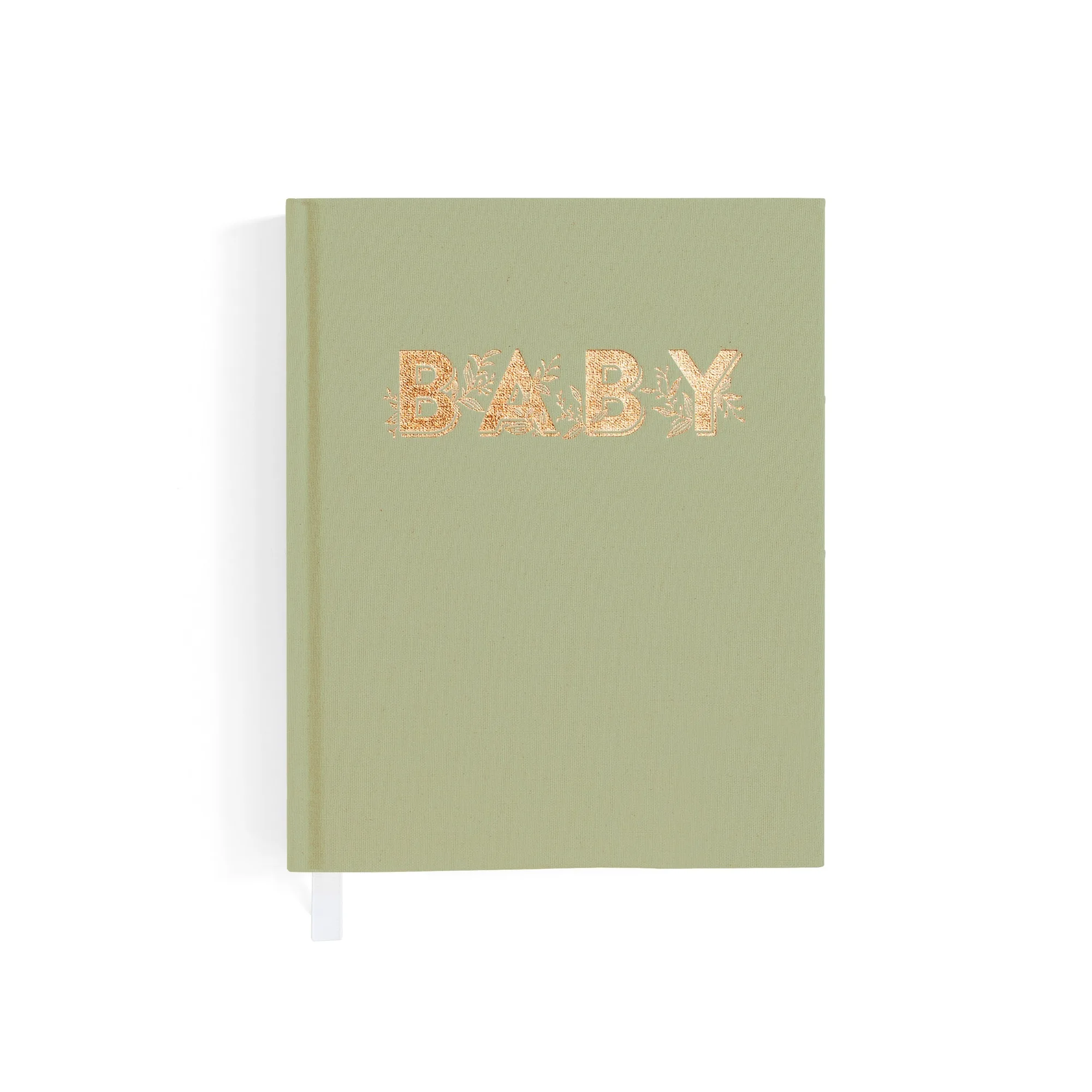
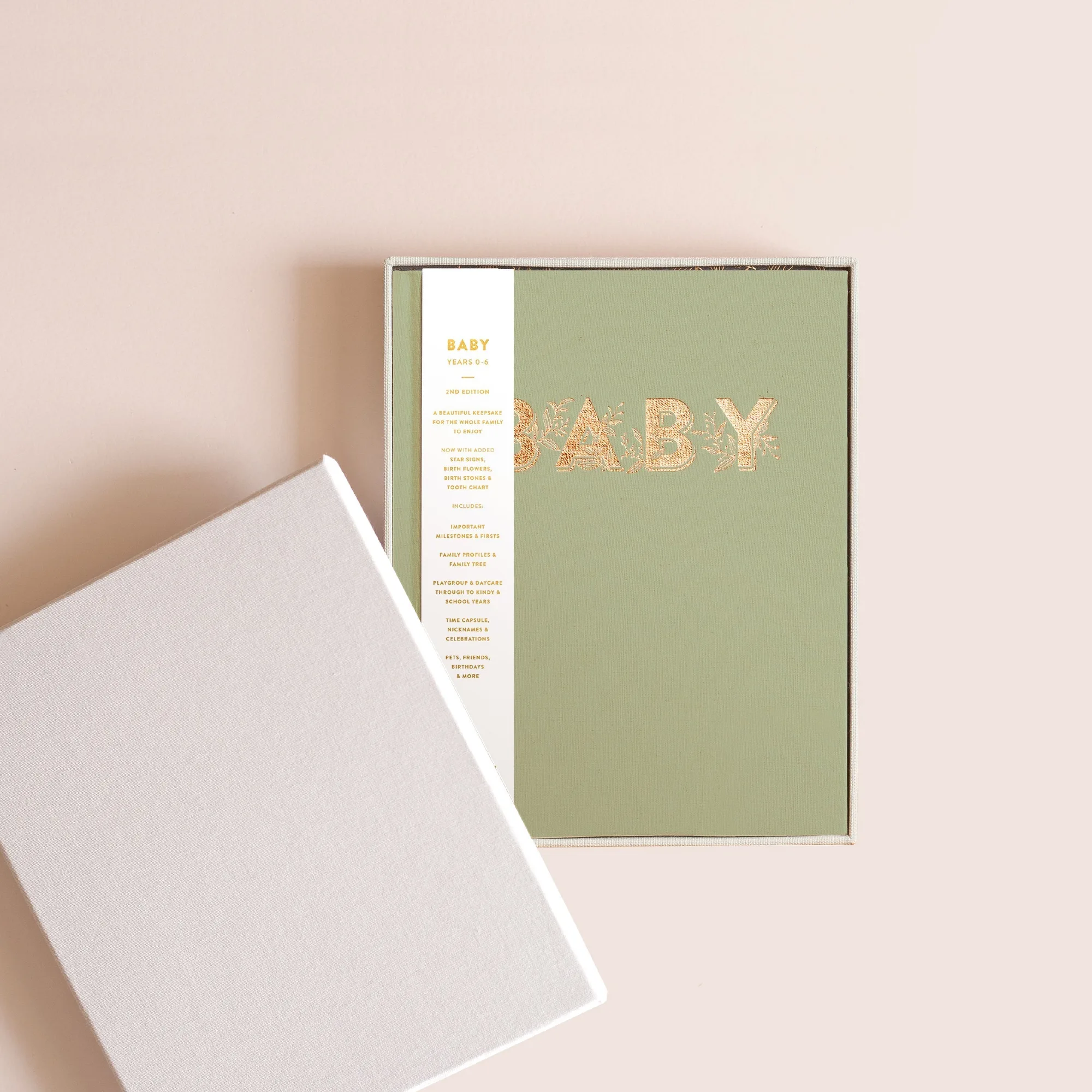
Keepsake journals often include extra reference material that a plain notebook will not. For example, the https://foxandfallows.com/products/mini-baby-book-sage-boxed-ad82cc817f694fa82eff3903-2620936Mini Baby Book Sage Boxed includes important milestones and firsts, family profiles, a family tree and travel map, and playgroup and daycare through to kindy and school years, and its second edition adds gold gilded edges plus Star Signs, Birth Flowers, Birth Stones, and a Baby Teeth Chart. That structure is the point: it tells you what to record and keeps the record consistent over years.
- Choose a journal when you want prompts and a defined sequence.
- Choose a notebook when you want open pages and full control.
- Guided journals cost more but save the effort of designing a structure.
Decision Rules for Choosing a Notebook
- If it must fit a pocket or small bag: Choose A6 and accept fewer words per page; portability beats page count when the notebook travels daily. Pocket-first buyers should not size up for capacity they will not carry.
- If one notebook must cover work and personal notes: Choose A5 with a binding that lies flat, and use an index or numbered pages to separate topics. A5 is the safest single-notebook compromise.
- If you use fountain pens, markers, or highlighters: Prioritize heavier paper and test your wettest pen on page one before starting a long project. Paper weight matters more than cover design for wet ink.
- If you want prompts, sections, or a record to keep: Choose a guided journal format instead of a plain notebook, so the structure does the planning for you. Structure is the feature you are paying for.
- If the notebook is a gift: Match the format to the recipient's habit, then pair it with a blank greeting card so you can write a personal note. Gift the use case, not just the cover.
Real Options and What They Solve
- Mini Baby Book Sage Boxed: Second edition with gold gilded edges and added pages including Star Signs, Birth Flowers, Birth Stones, and a Baby Teeth Chart; includes important milestones and firsts, family profiles, a family tree and travel map, and playgroup and daycare through to kindy and school years, in a blank ivory linen box. A guided keepsake format removes the guesswork of what to record, so a family memory book stays consistent over years rather than stalling after the first month.
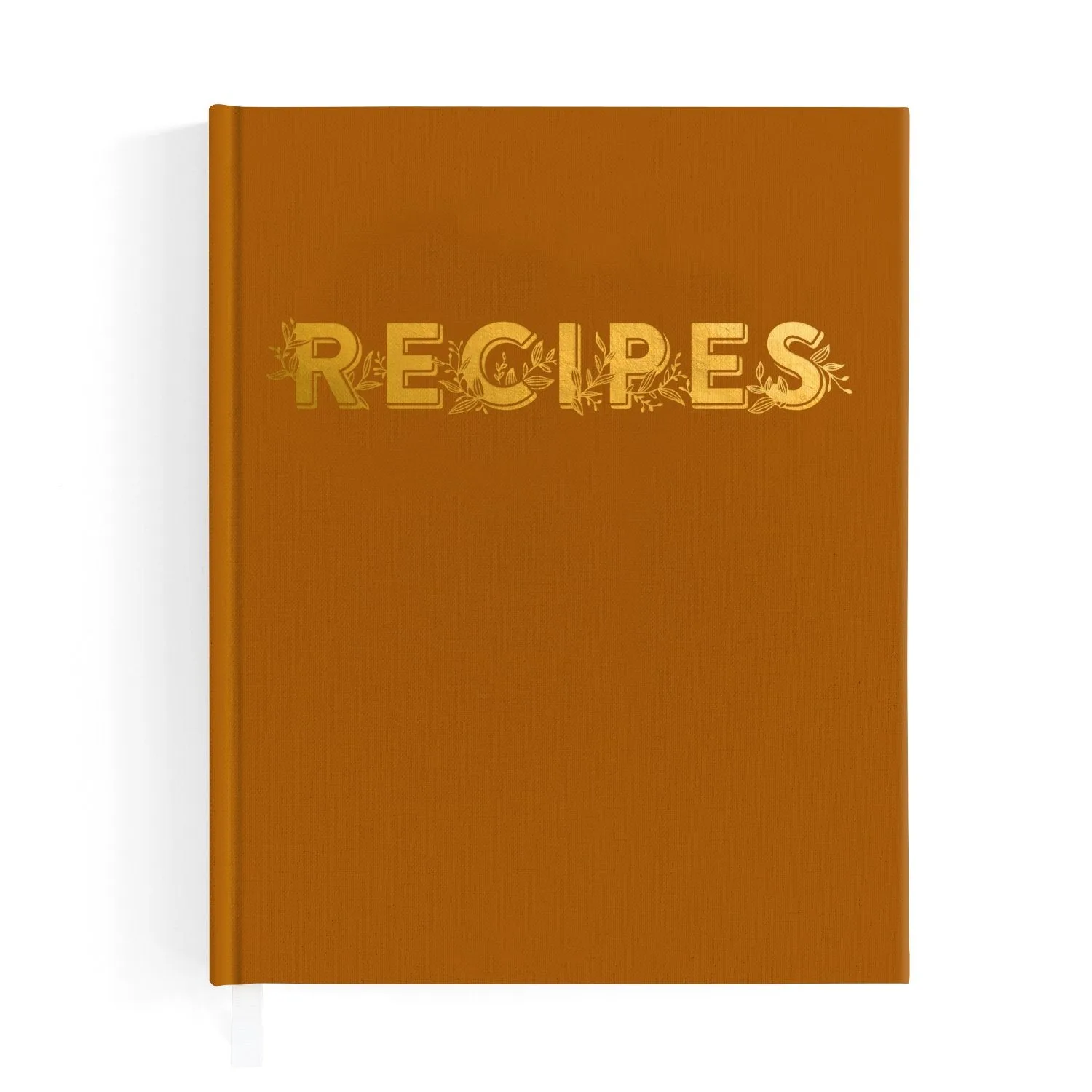
- Recipe Book Turmeric: A recipe book for family recipes with handy cooking guide charts for temperatures, volumes, weights, and cup measures, plus space for dietary notes. If your notebook's job is preserving recipes, built-in conversion charts and dietary space are more useful than blank pages you would have to rule and label yourself.
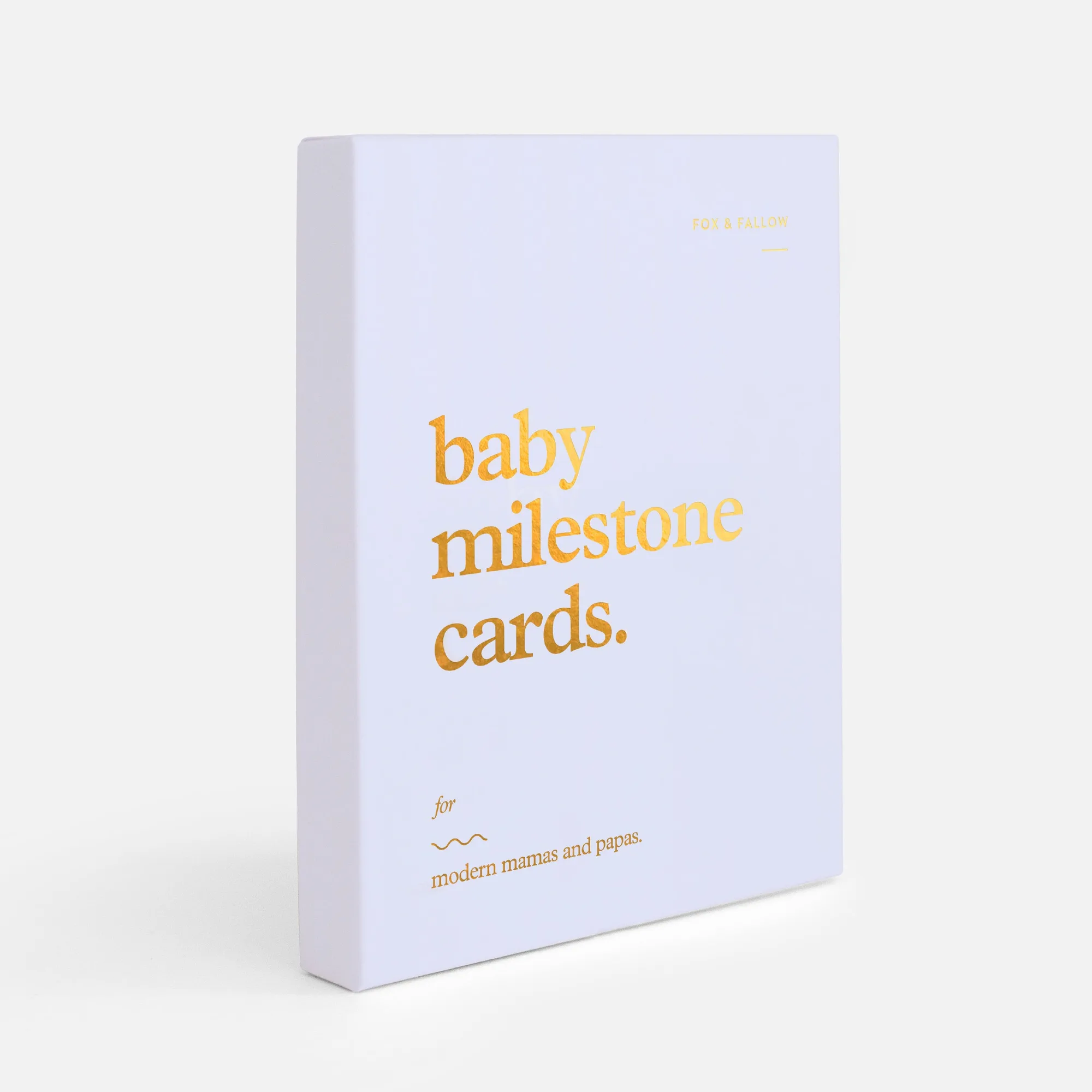
- Baby Milestone Cards Powder Blue: Includes 34 cards with rounded corners, special cards for a birth announcement and milestones from one day old to one year old and beyond, in gender neutral colours with gold foil. When the goal is capturing a moment rather than writing at length, a card format is faster than a notebook and keeps photos consistent across milestones.
- So Excited Forest Friends Peony Greeting Card: Foil greeting card sized 108 x 140mm (4.25 x 5.5 inches) on uncoated card stock with full-color and gold metallic foil, blank interior, and a cream envelope, designed and made in Australia. A blank interior lets you write a personal note to pair with a notebook or journal gift, so the presentation matches the thought behind it.
Who This Guidance Fits
Best for
- Everyday note-takers who carry one notebook between home, work, and bag
- Writers and planners deciding between a plain notebook and a guided journal
- Gift buyers matching a notebook or keepsake format to a specific recipient
Not for
- Buyers who need a dated, pre-printed daily planner rather than an undated notebook
- Artists who need heavy mixed-media paper, which most standard notebooks do not specify
Decide your purpose and carry method first, then let size, paper, and binding follow. If you want open pages, a notebook is the flexible choice; if you want prompts and a record that lasts, a guided journal earns its place. Match the format to the job and you will actually fill it.