Quick answer
Choose a pacifier designed for your baby's age range: a 0+ months size for newborns and a 6+ months size when your baby is older. The right size ensures safe, comfortable soothing.
Why age matters for pacifier size
A pacifier that's too small may not stay in place, while one that's too large can be uncomfortable or pose a choking risk. Manufacturers design pacifiers with specific age ranges—typically 0–3 months, 3–6 months, and 6+ months—to match your baby's mouth development and sucking needs.
Using the correct size also supports oral development. A properly fitted pacifier sits comfortably behind the lips and against the palate, reducing the chance of dental issues later on.
When to move up to a bigger size
Most babies outgrow their newborn pacifier around 4–6 months. Signs it's time to size up include: the pacifier falls out more often, your baby seems frustrated while sucking, or the shield presses into their cheeks. For babies 6 months and older, a pacifier like the Pigeon MiniLight Pacifier Small Twin Pack provides a larger nipple and shield that better fits a growing mouth.
Always check the manufacturer's age recommendation before switching. Some brands offer a medium size for 3–6 months, so you may not need to jump straight to the 6+ months option.
Decision rules for choosing a pacifier by age
- Check the age label first: Always look for the age range on the pacifier packaging. Use a 0+ months pacifier for newborns and a 6+ months pacifier once your baby reaches that milestone. Do not rely on appearance alone.
- Observe your baby's cues: If the pacifier frequently falls out or your baby seems to struggle keeping it in, it may be time to move to the next size. For babies under 6 months, a smaller size is usually more secure. Watch for signs of discomfort or frequent loss of the dummy.
- Consider material and design: Silicone pacifiers are durable and easy to clean. Some babies prefer a softer, more flexible nipple. Orthodontic designs can support natural jaw development, but the fit by age is the top priority.
Pacifier products to consider
-
Pigeon MiniLight Pacifier Small 0+ Months Single Pack: The Pigeon MiniLight Pacifier Small Single Pack is designed for babies from 0 months and up, with a small size for tiny mouths. It's a safe starting point for newborns, offering a gentle, age-appropriate option right from birth.
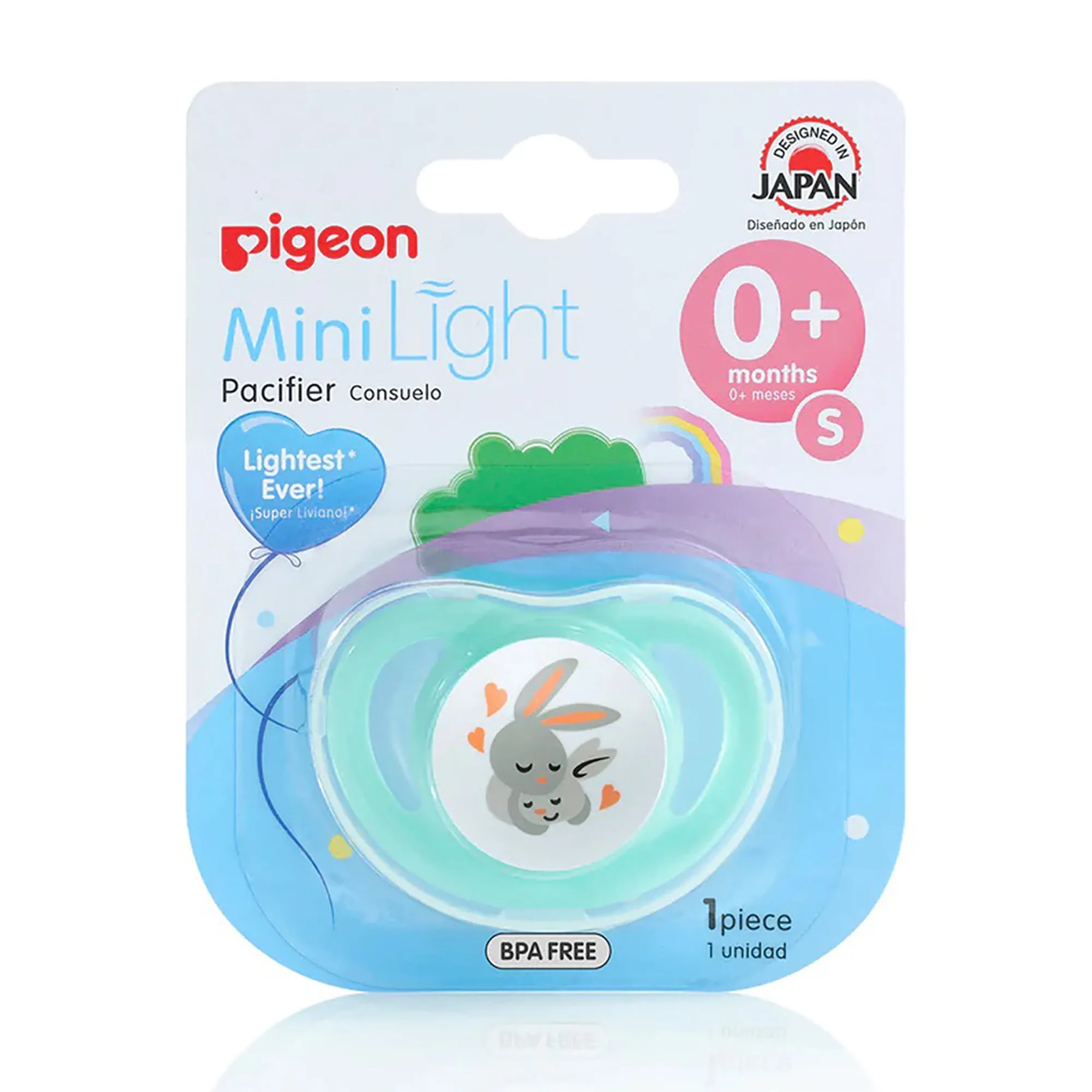
Pigeon MiniLight Pacifier Small 0+ Months Single Pack
-
Pigeon MiniLight Pacifier Small 6+ Months Twin Pack: The Pigeon MiniLight Pacifier Small Twin Pack is suitable for babies 6 months and above and comes with two pacifiers. Having a spare is convenient for cleaning and replacement, and the larger size matches your baby's oral development at this stage.
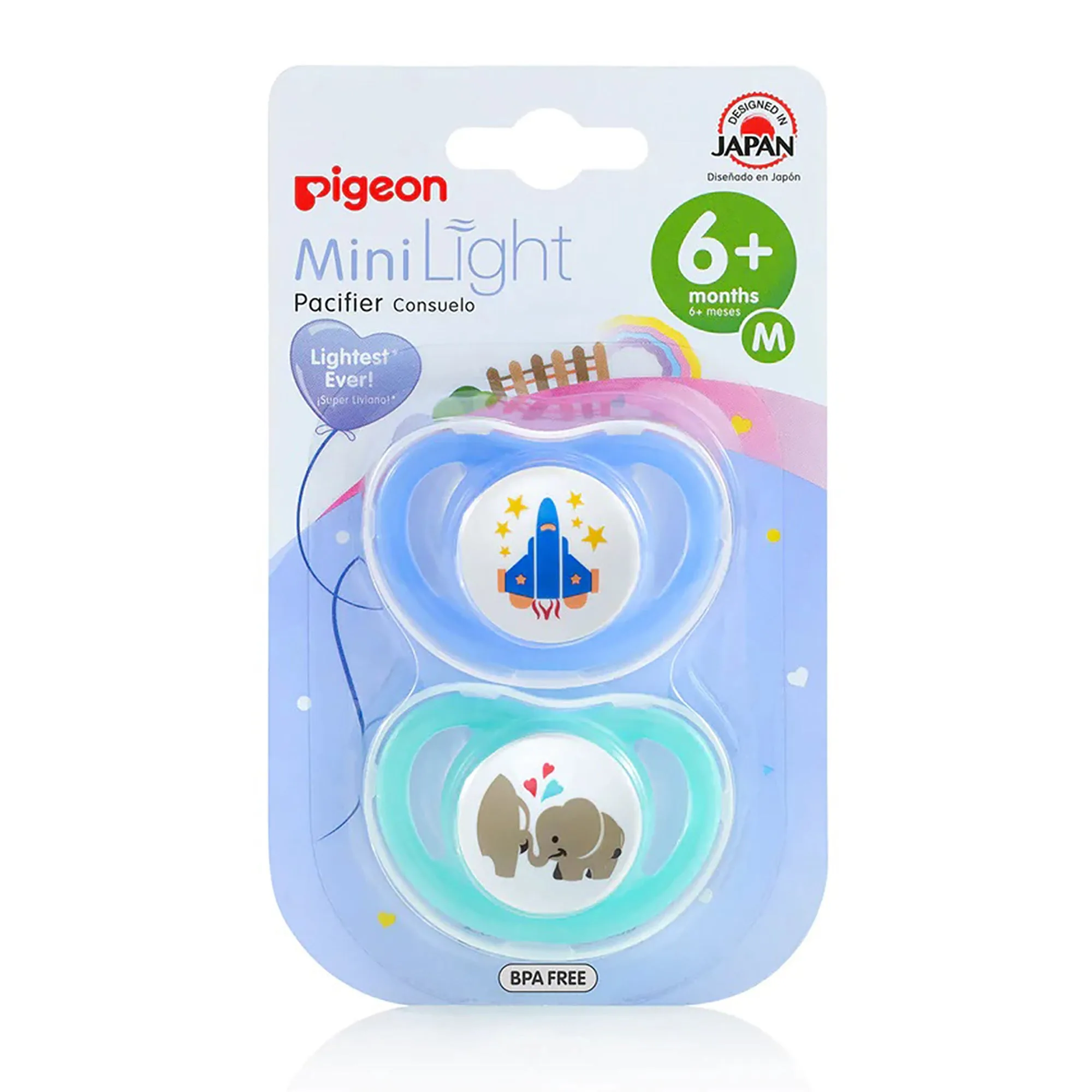
Pigeon MiniLight Pacifier Small 6+ Months Twin Pack
Who should use which pacifier
Best for
- Newborns and young infants still developing their sucking reflex
- Parents who want a simple, age-appropriate pacifier without extra features
Not for
- Babies who have already outgrown the 0+ months size and need a larger, more robust pacifier