Quick Answer
Choose a threaded adapter if your water main already has male threads; choose a solder adapter for copper pipes you can sweat; choose a weld fitting only if you have the skills and tools for torch welding. For most DIYers, the 3/4" brass threaded adapter or the 1" brass threaded adapter offers the simplest, most reliable connection.
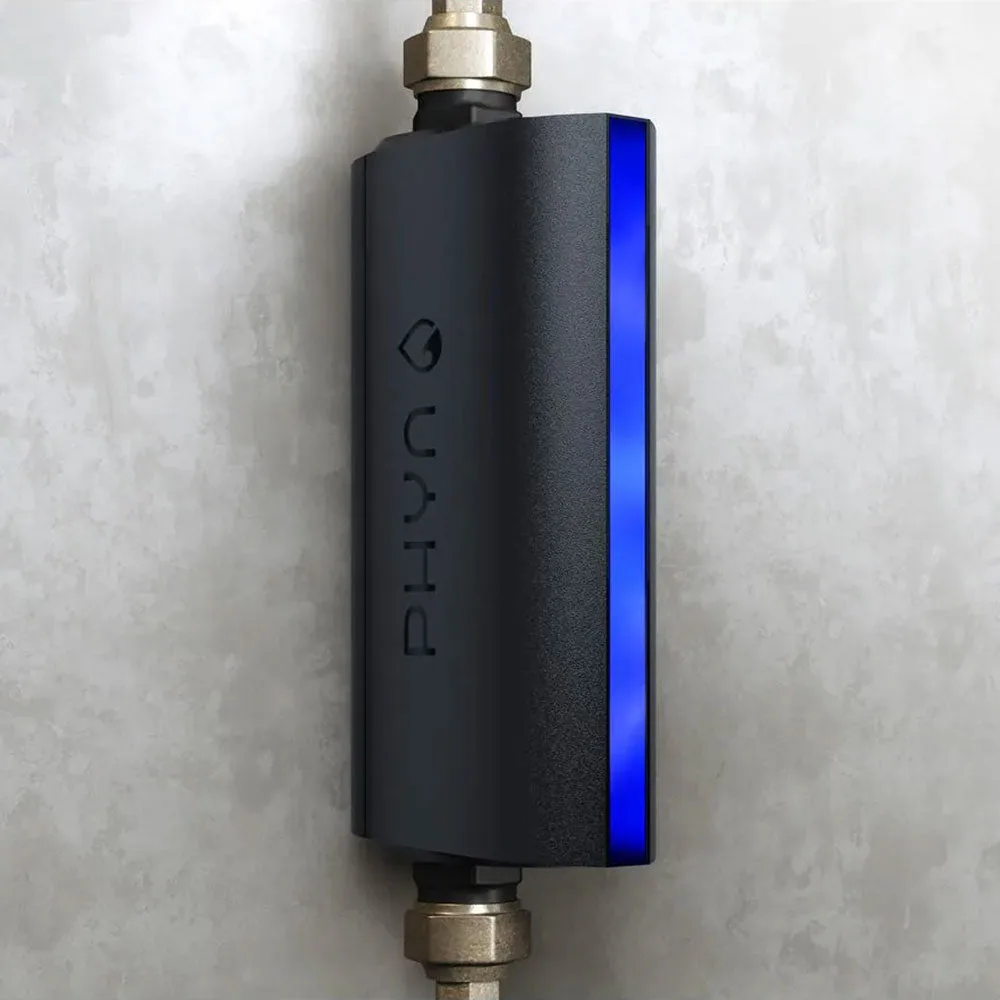
Installing a Phyn Plus smart water monitor starts with one critical decision: which adapter connects the device to your water main. Get it wrong, and you could face leaks, pressure drops, or a failed installation. Get it right, and you'll enjoy reliable leak detection and automatic shutoff for years.
This guide breaks down the three main adapter types—threaded, solder, and weld—so you can match the fitting to your plumbing and skill level. We'll cover what each adapter does, when to use it, and the trade-offs you need to know before buying.
Threaded Adapters: The DIY-Friendly Choice
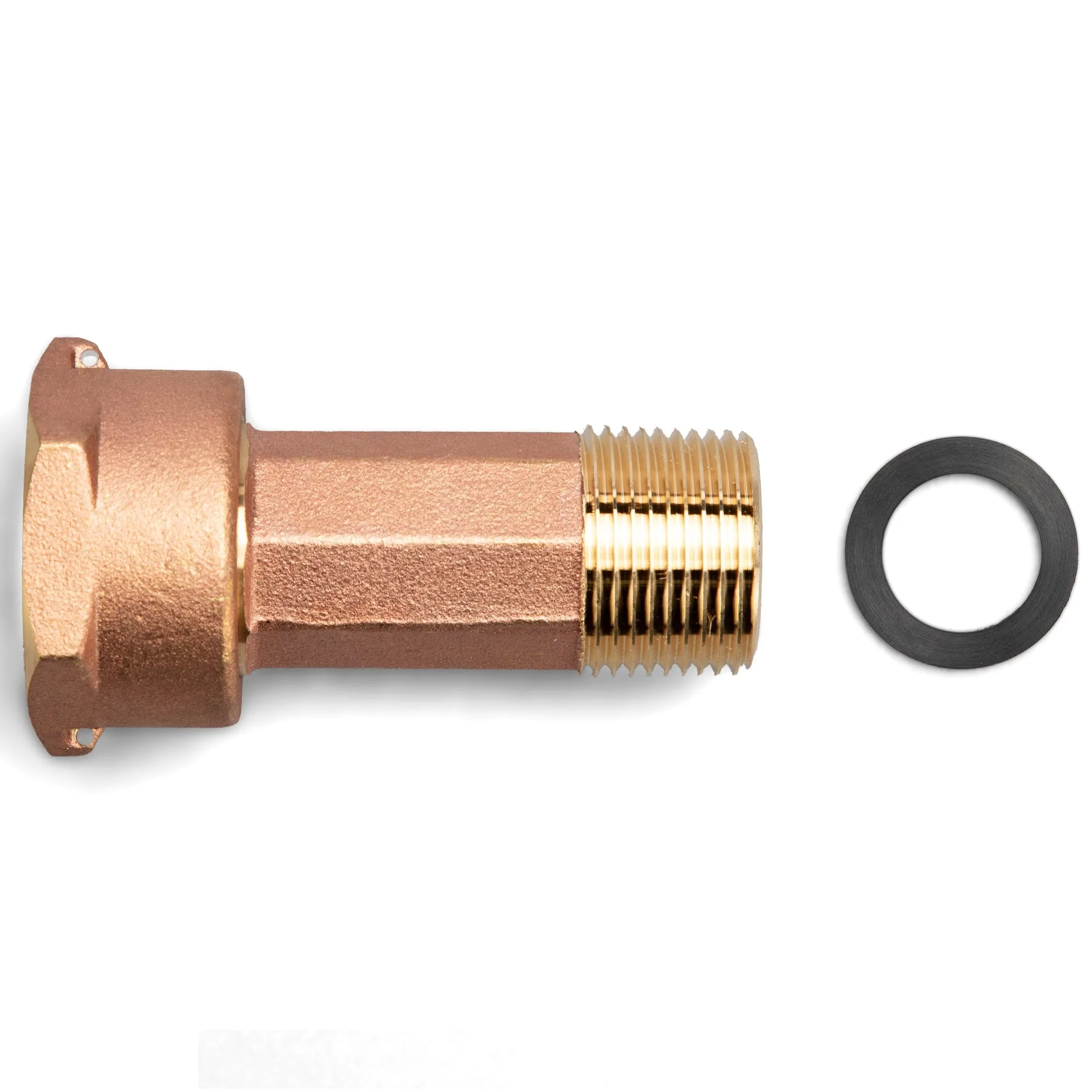
Threaded adapters are the most straightforward option for connecting a Phyn Plus monitor. They screw directly onto a male-threaded water main, using a precision nut to seal against the device. This makes them ideal for homes with existing threaded pipes, like those with galvanized steel or threaded copper adapters.
The main advantage is simplicity: no soldering, no welding, just wrench-tightening. This also means they're removable, which is helpful if you need to service the monitor or move it later. The trade-off is that they require your pipe to have compatible male threads. If your main is smooth copper, you'll need to add a threaded fitting first, which adds work.
- Check the thread size: Phyn Plus uses a 1-inch NPSM connection, so you need an adapter that matches both the device and your pipe.
Solder Adapters: A Permanent Bond for Copper Pipes
Solder adapters are designed for copper water mains. They're sweated onto the pipe using a torch and solder, creating a permanent, leak-proof joint. This is a common method in older homes where copper piping is standard.
The benefit is a rock-solid connection that won't loosen over time. However, soldering requires skill, a propane torch, and careful attention to safety. If you're not comfortable with open flames or soldering, this may not be the best DIY project. Also, once soldered, the adapter is permanent, making future removal difficult.
- Practice on scrap copper before attempting the real installation to ensure a clean, leak-free joint.
Weld Fittings: Maximum Strength, Maximum Effort
Weld fittings are similar to solder but use a higher-temperature welding process, typically for steel or brass pipes. They offer the strongest possible connection and are often used in commercial or industrial settings, but they can appear in residential homes with steel mains.
Welding requires specialized equipment and significant experience. It's not a beginner-friendly task, and mistakes can be dangerous. For most homeowners, a threaded or solder adapter is more practical. Only choose a weld fitting if you have the skills and your plumbing truly requires it.
- If you're unsure whether your pipes are steel or copper, consult a plumber before buying any adapter.
Sizing and Compatibility: Getting the Thread Right
Phyn Plus has 1-inch NPSM threaded ends, which means most installations need an adapter that goes from 1-inch NPSM to your pipe's thread type and size. Common sizes are 3/4-inch and 1-inch NPT. The 3/4" brass threaded adapter is a popular choice for standard residential mains, while the 1" brass threaded adapter suits larger lines.
It's crucial to match the thread type exactly: NPT (National Pipe Thread) is tapered, while NPSM is straight. Mixing them without the right adapter can cause leaks. Always verify your pipe's thread size and type before ordering. When in doubt, a quick consultation with a plumber can save you time and money.
- Use a thread gauge or take a clear photo of your pipe's threads to a hardware store for identification.
Decision Rules for Choosing Your Adapter
- If your main is 3/4-inch threaded: Choose the 3/4" brass threaded adapter. It's simple to install and provides a reliable seal. Order two, as you'll need one on each side of the Phyn Plus. Best for most standard homes.
- If your main is 1-inch threaded: Go with the 1" brass threaded adapter. It matches the larger pipe size and ensures proper flow and a secure fit. Best for larger homes or high-flow systems.
- If your pipes are copper and you're comfortable soldering: Consider a solder adapter for a permanent, leak-proof joint. This is a great option if you want a fixed installation and have the necessary skills. Choose solder only if you're confident in your DIY abilities.
- If you're unsure about your pipe type or thread size: Consult a plumber before buying any adapter. They can identify your pipe material and thread type, ensuring you get the right fitting the first time. A quick check saves time and prevents costly mistakes.
Adapter Options at a Glance
- 3/4" Brass Threaded Adapter for Phyn Plus - Final Sale: 3/4 INCH NPT THREAD METER COUPLING WITH 1 INCH NPS NUT. ORDER 2 PER INSTALLATION. Adapter for Copper Water Main Line Installation. Ensure a reliable, leak-proof installation of your Phyn Plus Smart Water Monitor on a 3/4-inch threaded water main. This is the go-to choice for homes with a 3/4-inch threaded main. The precision NPS nut ensures a tight seal with the Phyn Plus device, and the NPT threads make installation straightforward for DIYers.
- 1" Brass Threaded Adapter for Phyn Plus - Final Sale: 1" THREAD METER FITTING, 1" NPS NUT x 1" MNPT. ORDER 2 PER INSTALLATION. Adapter for Copper Water Main Line Installation. If your water main is 1-inch threaded, this adapter matches perfectly. It provides a durable, leak-proof connection and is ideal for larger homes with higher water flow.
- 3/4 INCH NPT THREAD METER COUPLING WITH 1 INCH NPS NUT - WS: This 3/4 inch NPT thread meter coupling with 1 inch NPS nut provides a secure connection for your plumbing system. Designed for use with standard water meters, it helps maintain a reliable flow path in your home's water line. This coupling is a versatile option if you're integrating with an existing water meter. It's a cost-effective way to connect your Phyn Plus to a 3/4-inch threaded line.
Which Adapter Fits Your Situation?
Best for
- DIY homeowners with a 3/4-inch or 1-inch threaded water main who want a simple, removable connection.
- Plumbers looking for a reliable, professional-grade fitting for threaded copper mains.
Not for
- Homes with smooth copper pipes that have no threaded fittings—these require a solder or weld adapter, or a plumber to add a threaded connection.
- DIYers without soldering or welding experience who are tempted to try these methods without proper training.
Choosing the right Phyn Plus adapter comes down to your pipe type and your comfort with plumbing work. For most homeowners, a threaded adapter is the simplest and most reliable choice. If your plumbing requires soldering or welding, weigh the effort and risk—or call a professional. With the correct adapter, you'll enjoy peace of mind knowing your home is protected from leaks.