Quick Answer
To choose the right pizza stone size, measure your oven's interior width, depth, and height, then leave at least 1 inch of space on all sides for air circulation. For most home ovens, a round stone around 14–16 inches or a rectangular stone about 16×12 inches fits well. If you're unsure, a smaller stone that fits comfortably is better than one that blocks airflow.
When you're ready to bake crispy, restaurant-quality pizza at home, a pizza stone is a game-changer. But with so many sizes and shapes available, it's easy to pick one that doesn't fit your oven or your baking style. This guide will help you measure your oven correctly and decide between round and rectangular stones, so you can get the best results without guesswork.
We'll also look at a few Emile Henry options, including the Individual Pizza Stone and the Square Pizza Stone, to show how size and shape affect performance. By the end, you'll know exactly what to look for—and what to avoid—when choosing a pizza stone.
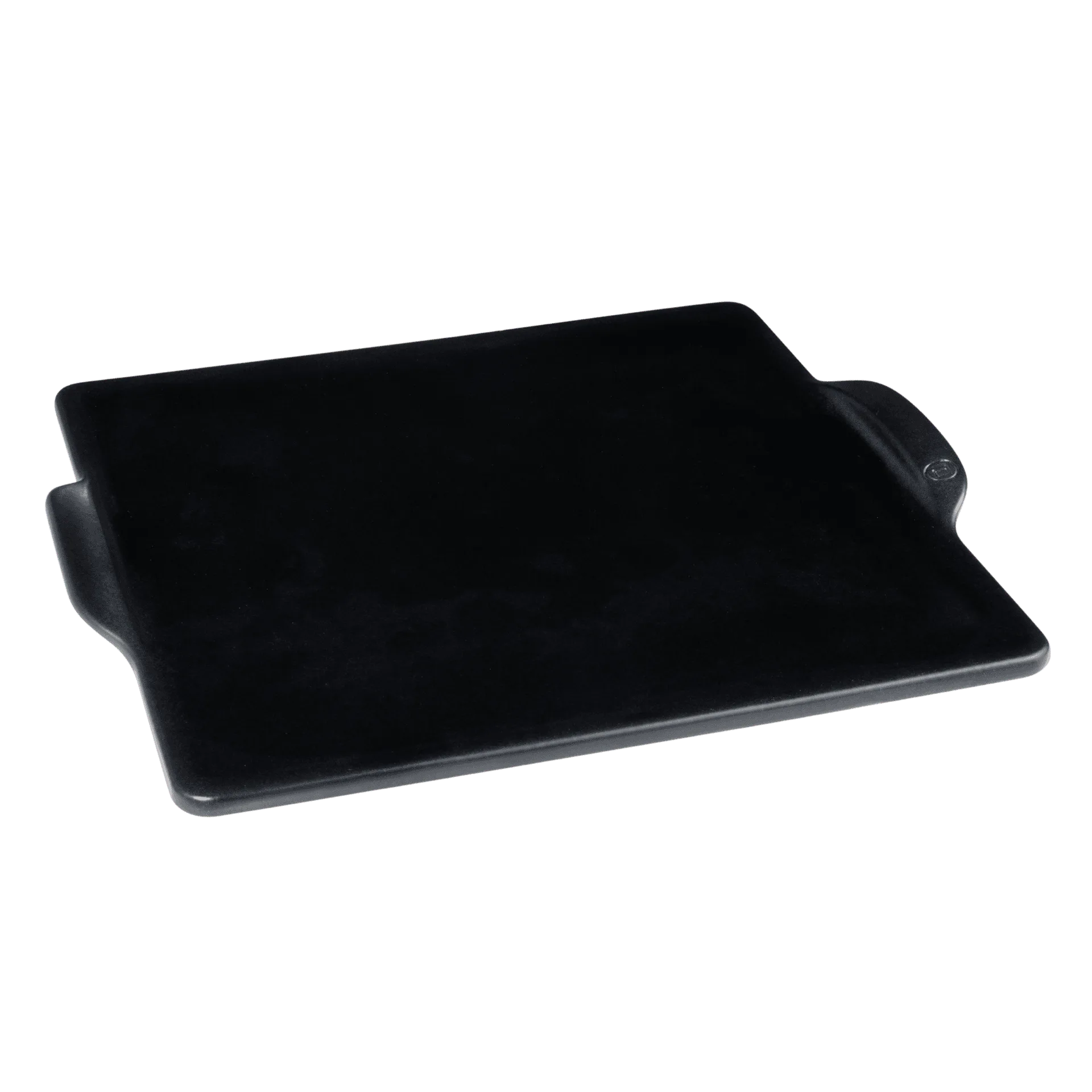
Square Pizza Stone
Why Size Matters for Pizza Stones
The size of your pizza stone affects more than just how many pizzas you can bake at once. A stone that's too large can block heat circulation inside your oven, leading to uneven baking and longer preheat times. On the other hand, a stone that's too small limits the size of pizza you can make, which can be frustrating if you love a 16-inch pie.
Beyond the stone's diameter, its thickness also plays a role. Thicker stones retain heat better but take longer to preheat and add more weight. Thinner stones heat up faster but may not give you the same crispy crust. When choosing a stone, consider your typical pizza size and how patient you are with preheating.
How to Measure Your Oven for a Pizza Stone
Before you shop, grab a tape measure and check your oven's interior. Measure the width (left to right), depth (front to back), and height (from the bottom rack to the top of the oven cavity). Also note the distance between the rack and the heating element, as you'll need clearance for the stone and your pizza.
A good rule of thumb is to leave at least 1 inch of space on all sides of the stone for proper air circulation. This allows heat to flow around the stone and prevents hot spots. If you have a smaller oven, a 12-inch round stone or a 14×10-inch rectangular stone might be your best bet. For larger ovens, you can go up to 16 inches or more.
Round vs. Rectangular Pizza Stones: Pros and Cons
Round pizza stones are the classic choice. They're great for traditional round pizzas and fit easily on most oven racks. They also tend to be more compact, making them easier to store. However, if you often bake rectangular pizzas like Detroit-style or Sicilian, a round stone might not give you enough surface area.
Rectangular stones offer more usable space for rectangular pies and can also be used for baking bread, flatbreads, or even roasting vegetables. They can be a bit trickier to fit in smaller ovens, and you'll need to check the depth carefully. Some rectangular stones come in sizes that are too long for standard ovens, so always measure before you buy.
Popular Pizza Stone Sizes and What They Fit
Most home pizza stones fall into a few common size ranges. Small stones (around 10–12 inches) are perfect for personal pizzas or small ovens. Medium stones (14–15 inches) are the most versatile, fitting standard ovens and handling a 12–14 inch pizza. Large stones (16 inches and up) are great for big pizzas and larger ovens, but they require careful measuring.
When comparing sizes, think about the pizza you usually make. If you're baking for one or two, a smaller stone will heat up faster and be easier to handle. If you often host pizza nights, a larger stone might be worth the extra space. Remember, you can always make a smaller pizza on a larger stone, but you can't make a large pizza on a small stone.
Decision Rules for Choosing Your Pizza Stone
- Measure your oven interior: Use a tape measure to get the width, depth, and height of your oven cavity, as well as the distance from the rack to the heating element. Write these numbers down before shopping. A stone that fits with at least 1 inch of clearance on all sides will ensure proper air circulation.
- Consider your typical pizza size: If you usually bake personal pizzas (10–12 inches), a smaller round stone is efficient. For larger pizzas (14–16 inches), you'll need a bigger stone, either round or rectangular. Choose a stone that can accommodate the largest pizza you'll realistically make.
- Think about shape versatility: Round stones are great for traditional pizzas and easier to store. Rectangular stones offer more surface area for rectangular pizzas and can double as baking stones for bread or flatbreads. If you bake a variety of items, a rectangular stone might be more versatile.
- Check your oven's rack size: Even if the stone's diameter fits, the rack might be narrower. Measure the actual rack width and depth to avoid surprises. A stone that's too wide for the rack can be unsafe and cause uneven baking.
Emile Henry Pizza Stone Options
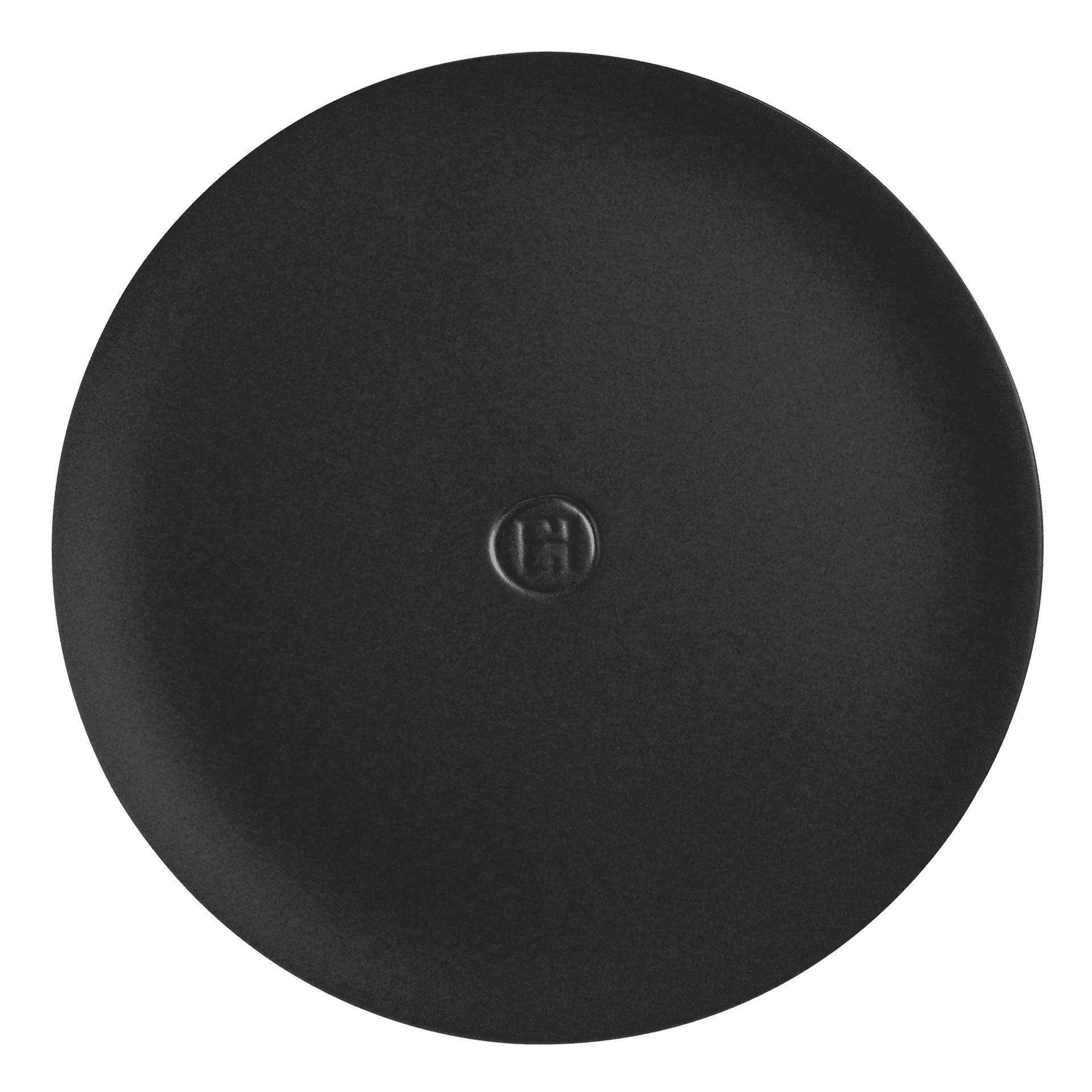
- Individual Pizza Stone, 10": Crafted from Emile Henry’s proprietary Flame® ceramic, the Individual Pizza Stone brings professional-grade performance to your home kitchen. Whether you're baking in the oven or firing up the grill, this durable stone delivers evenly cooked, crisp crusts every time—no soggy centers, no guesswork. At 10 inches, this stone is ideal for personal-sized pizzas or smaller ovens. Its compact size heats up quickly and is easy to store, making it a great choice for solo bakers or those with limited kitchen space.
- Square Pizza Stone: Ideal for pizza, bread and grilling. Made of exceptionally durable clay, yet is much lighter than a standard pizza stone. Withstands extremely high heat, distributing the temperature quickly and evenly. Oven, grill, broiler, freezer and dishwasher safe. Made in France. The square shape offers more surface area for rectangular pizzas or multiple small items at once. Its durability and high-heat tolerance make it versatile for various cooking methods, though you'll need to check your oven depth to ensure it fits.
Finding the Right Fit
Best for
- Home bakers with standard ovens who want a versatile stone for personal to medium-sized pizzas
- Those who bake both round and rectangular pizzas and want a single stone that can handle both
Not for
- People with very small ovens or limited storage who need a compact stone that heats quickly
- Those who exclusively bake large rectangular pizzas and need a stone that takes up most of the oven rack
Choosing the right pizza stone size comes down to measuring your oven, thinking about the pizzas you love, and deciding which shape fits your cooking style. Whether you opt for a compact 10-inch stone for personal pies or a larger square stone for versatility, the key is to ensure it fits safely and allows for proper heat circulation. With these tips, you'll be well on your way to perfect homemade pizza.