Quick Answer
To choose the right puzzle, match piece count and image complexity to your experience. Beginners should start with 300–500 pieces and clear, high-contrast images, while experts can tackle 1000+ pieces with busy or gradient patterns. Consider your patience and available time, and don't be afraid to start smaller than you think.
Whether you're new to puzzling or a seasoned pro, selecting the right puzzle can be the difference between a relaxing hobby and a frustrating chore. The key is to match the puzzle's difficulty to your skill level, which depends on more than just piece count.
In this guide, we'll break down the factors that determine puzzle difficulty—piece count, image complexity, piece shape, and more—and give you concrete rules for choosing a puzzle that will keep you engaged without overwhelming you. We'll also touch on some Stonemaier Games products that can enhance your puzzling experience.
Understand Puzzle Difficulty Levels
Puzzle difficulty is often equated with piece count, but that's only part of the story. A 1000-piece puzzle with a clear, distinct image can be easier than a 500-piece puzzle with a repetitive pattern or large areas of solid color. Difficulty also depends on your experience and how you approach puzzling.
As a general rule, beginners should look for puzzles with 300–500 pieces and images that have clear focal points, distinct color blocks, and varied shapes. Intermediate puzzlers can handle 500–1000 pieces with more complex images, while experts often enjoy 1000+ piece puzzles with challenging elements like gradients, dark imagery, or repetitive patterns.
- Start with a piece count that feels slightly too easy—you can always move up.
- Look for images with a variety of colors and distinct sections to make sorting easier.
- Consider the puzzle's dimensions and whether you have enough table space.
Piece Count and Your Time Commitment
Piece count directly affects how long a puzzle will take, but your available time and patience are just as important. If you have only a few hours a week, a 1000-piece puzzle might take months to finish, which can be discouraging. Instead, choose a piece count that fits your lifestyle.
A good rule of thumb: beginners often finish a 300-piece puzzle in 2–3 hours, a 500-piece in 4–6 hours, and a 1000-piece in 8–12 hours. Experts may finish those faster, but they also tend to seek out larger puzzles, like 1500 or 2000 pieces, for a longer challenge. Don't forget to factor in the image complexity—a 500-piece puzzle with a busy image can take as long as a simpler 1000-piece puzzle.
- If you're unsure, choose a puzzle with a piece count you can finish in a few sittings.
- For a quick weekend project, stick to 300–500 pieces.
- If you enjoy long-term projects, go for 1000+ pieces.
Image Complexity: The Hidden Difficulty Factor
The image on the puzzle is a major determinant of difficulty. High-contrast images with distinct objects, like a colorful illustration or a photograph with clear subjects, are easier to assemble because you can easily sort pieces by color and pattern. On the other hand, puzzles with large areas of similar colors, such as a night sky, a forest, or a gradient, are much harder because many pieces look alike.
For beginners, choose images with clear focal points and varied colors. For experts, look for images that challenge your ability to sort by shape and subtle color differences. Some puzzlers even enjoy 'gradient' puzzles that rely purely on color progression, which can be extremely difficult.
If you're buying a puzzle as a gift, consider the recipient's skill level. A beginner might appreciate a puzzle with a favorite animal or scenic landscape, while an expert might enjoy an abstract or fine-art puzzle with intricate details.
- Beginners: avoid puzzles with large areas of solid or similar colors.
- Experts: seek out puzzles with gradients or repetitive patterns for a real challenge.
- Check the puzzle image before buying—does it have enough visual variety to keep you engaged?
Other Factors: Piece Shape, Quality, and Special Features
Piece shape can also affect difficulty. Traditional puzzles have pieces with a standard grid, but some puzzles feature 'random cut' pieces that are more irregular and harder to distinguish. If you're a beginner, stick to standard grid puzzles; experts might enjoy the added complexity of random-cut pieces.
Quality matters too: well-made puzzles have sturdy pieces that fit snugly, making them easier to handle and less likely to bend. Look for puzzles with high-quality board and precise cutting. Some puzzles also offer special features like large-print images or vision-friendly designs, which can be helpful for those with visual impairments.
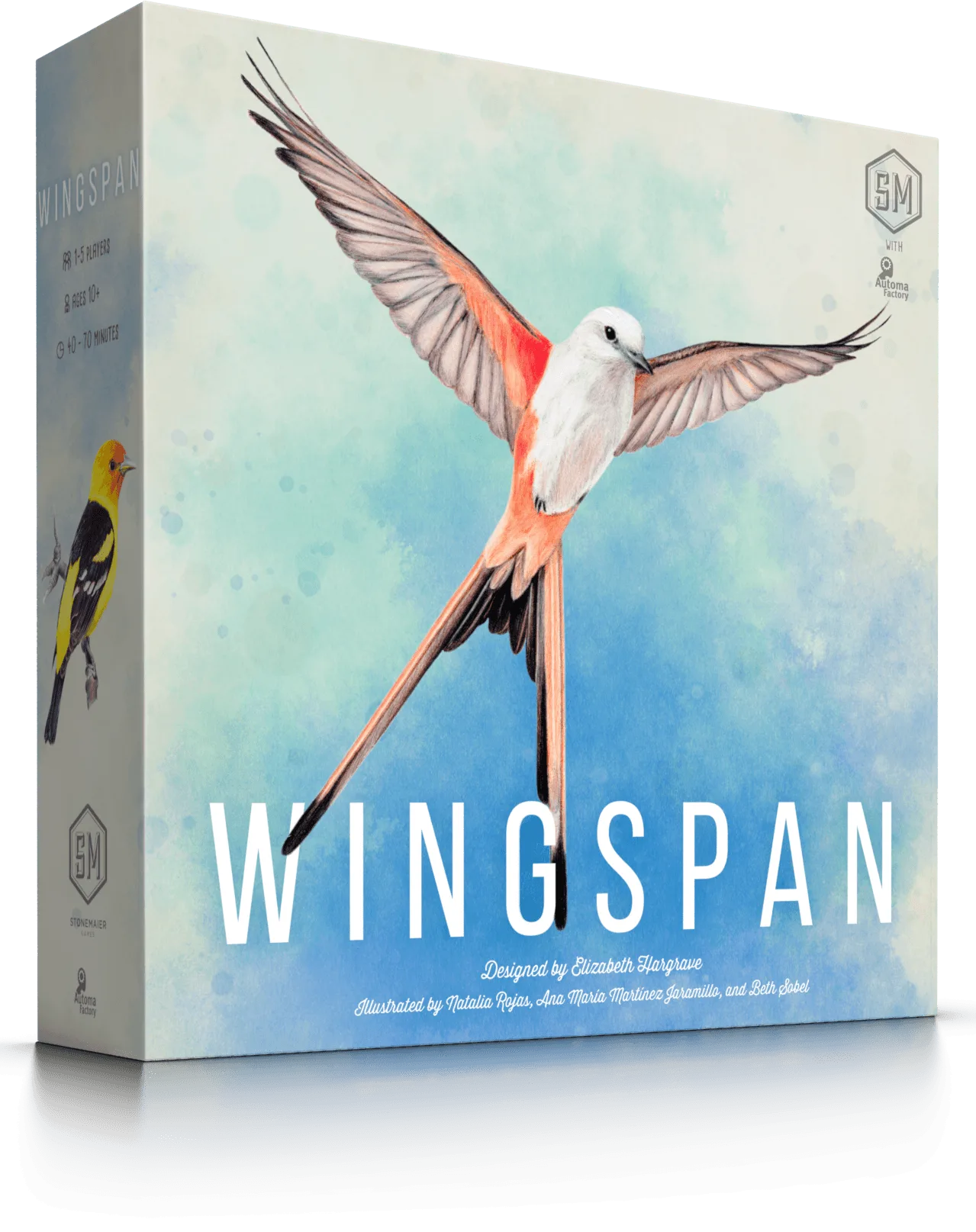
For example, Wingspan Vision-Friendly Cards are designed for easier reading, and while they are not puzzles, they show Stonemaier Games' commitment to accessibility. When choosing a puzzle, consider any special needs you or the recipient might have.
Wingspan
- Check the puzzle's piece shape: standard grid is easier, random-cut is harder.
- Look for puzzles with high-quality board and precise cutting.
- Consider special features like large-print or vision-friendly designs if needed.
Decision Rules for Choosing Your Puzzle
- If you are a beginner: Choose a puzzle with 300–500 pieces and a clear, high-contrast image. Avoid large areas of solid color or repetitive patterns. Start with a puzzle you can finish in a few sittings to build confidence.
- If you have some experience: Opt for 500–1000 pieces with moderate image complexity. Look for puzzles with a mix of distinct sections and some challenging areas. Try a 750-piece puzzle as a stepping stone to larger ones.
- If you are an expert: Go for 1000+ pieces with complex images like gradients, dark scenes, or busy patterns. Consider random-cut pieces for an extra challenge. Choose a puzzle that will take multiple sessions to complete for a rewarding long-term project.
Enhance Your Puzzle Experience with These Products
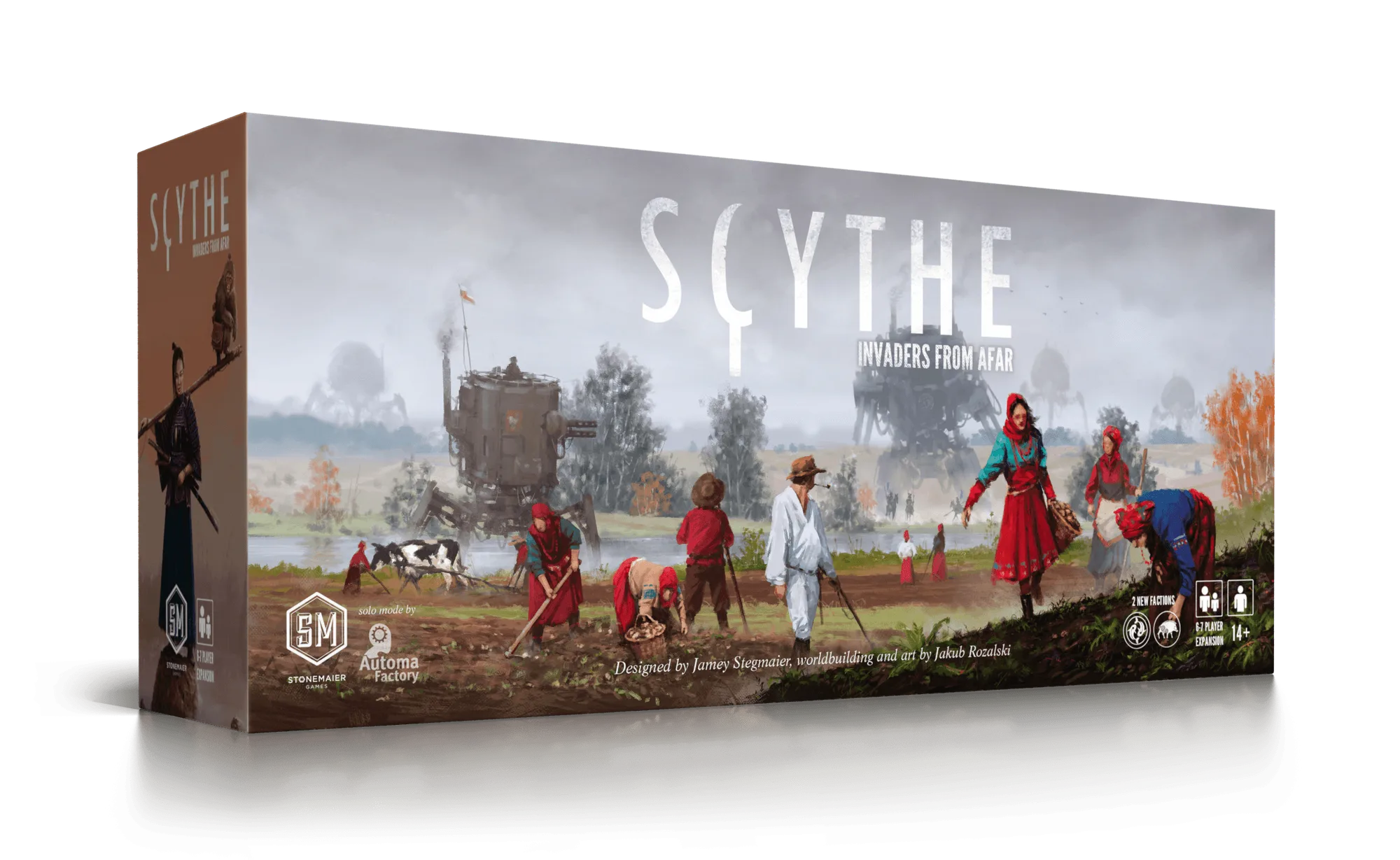
- scythe-legendary-box-51a127dcc70a7429fc336df4-898231">Scythe Legendary Box: The Scythe Legendary Box is designed to hold the Scythe core game plus all 3 expansions (components, not the boxes), the various accessories, promos, and a custom insert. While the Legendary Box does not include any game components, it contains 3 large tuckboxes to fill unused space and store tokens, cards, and other loose pieces. If you're also a board gamer, this box helps keep your Scythe collection organized, leaving you more table space for puzzling. Its sturdy design protects components, just as a good puzzle storage solution would.
- Wingspan Vision-Friendly Cards: Americas Expansion: This pack of 111 bird cards from the Americas Expansion of Wingspan are graphically designed to be more visually accessible by removing any visual clutter that isn’t absolutely necessary for comprehending a card, making icons darker (and sometimes bigger, if necessary), and reformatting the power area (larger text, different font, higher contrast, and black text on a white background overlaid on the power’s color). This demonstrates how visual clarity can make a huge difference in usability. When choosing a puzzle, look for images with clear contrast and accessible designs, especially if you have visual preferences or needs.
Who Each Puzzle Fits Best
Best for
- Beginners: 300–500 piece puzzles with clear, colorful images
- Experts: 1000+ piece puzzles with gradients or intricate patterns
Not for
- Beginners: 1000+ piece puzzles with large solid-color areas
- Experts: Simple 300-piece puzzles with basic images that may not offer enough challenge
Choosing the right puzzle is about matching piece count, image complexity, and your available time to your skill level. Start with a puzzle that feels slightly too easy, and gradually increase the challenge as you gain confidence. Remember, the goal is to enjoy the process, so don't be afraid to experiment with different types. Happy puzzling!