Quick answer
For most quilting, choose a 40-weight polyester thread for piecing and a 30-weight cotton thread for quilting when you want a matte, traditional finish. Match the thread weight to your fabric weight and needle size, and consider the project's end use.
Why thread weight and fiber matter
Thread weight determines how thick the thread is. A lower number means a thicker thread. For piecing, a 40-weight thread is a balanced choice that works with most cotton fabrics. For quilting, a 30-weight thread adds texture and definition to your stitches, making it ideal for decorative stitching or when you want the quilting to stand out.
Fiber affects strength, sheen, and how the thread behaves. Cotton thread has a matte finish and is a traditional choice for quilting with cotton fabrics. Polyester thread offers more stretch and is often stronger, making it a good option for garments or projects that will get heavy use. Both can be used for machine and hand stitching, but your needle size and tension may need adjustment.
Match thread to your project type
For piecing, you want a thread that is strong but not too thick, so seams lie flat. A 40-weight thread is a safe bet. For machine quilting, you might choose a thicker thread like 30-weight to make the quilting more visible. For hand quilting, a slightly heavier thread can be easier to handle and creates a more traditional look.
Consider the fabric weight. If you are quilting with lightweight fabrics like voile or batik, a finer thread will reduce bulk. For heavier fabrics like denim or canvas, a thicker thread provides better durability.
Decision rules for choosing quilting thread
- For piecing: Choose a 40-weight thread (cotton or polyester) that is strong but not too thick. This weight works with most fabrics and keeps seams flat. Test your thread on a scrap of your quilt fabric before starting.
- For machine quilting: If you want the quilting to stand out, choose a 30-weight cotton thread. It adds texture and definition. For a more subtle look, stick with 40-weight. Adjust your machine tension when switching thread weights.
- For hand quilting: A 30-weight cotton thread is easier to handle and creates a traditional look. Use a needle with a larger eye to accommodate the thicker thread. Use a thimble to protect your fingers when hand quilting with thicker thread.
- For durability: If your quilt will be used heavily or washed often, consider a polyester thread. It offers more stretch and strength than cotton. Polyester thread is a good choice for quilts that will get a lot of wear.
Thread options to consider
-
Madeira Cotona 30 - Premium Cotton Quilting & Sewing Thread: Madeira Cotona 30 is a 30-weight 2-ply premium cotton quilting and sewing thread made from extra-long staple, double-mercerized Egyptian cotton. This thread offers a soft, smooth feel with a lustrous sheen, making it a great choice for quilting stitches that need to be both strong and elegant.
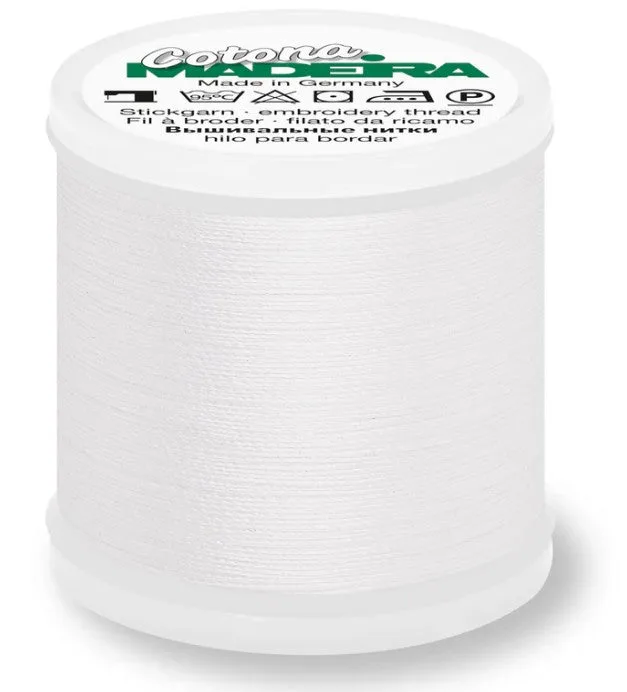
Madeira Cotona 30 - Premium Cotton Quilting & Sewing Thread
-
Aerofil 120 – Quilt Box, 40 440-yard (400m) and 22 1100-yard (1000m) Spools: The Aerofil 120 – Quilt Box includes 60 spools of 40-weight Madeira Aerofil Polyester Quilting & Sewing Thread, suitable for both machine and hand stitching. This collection gives you a wide range of colors in a versatile weight, ideal for piecing and quilting projects that need consistent performance.
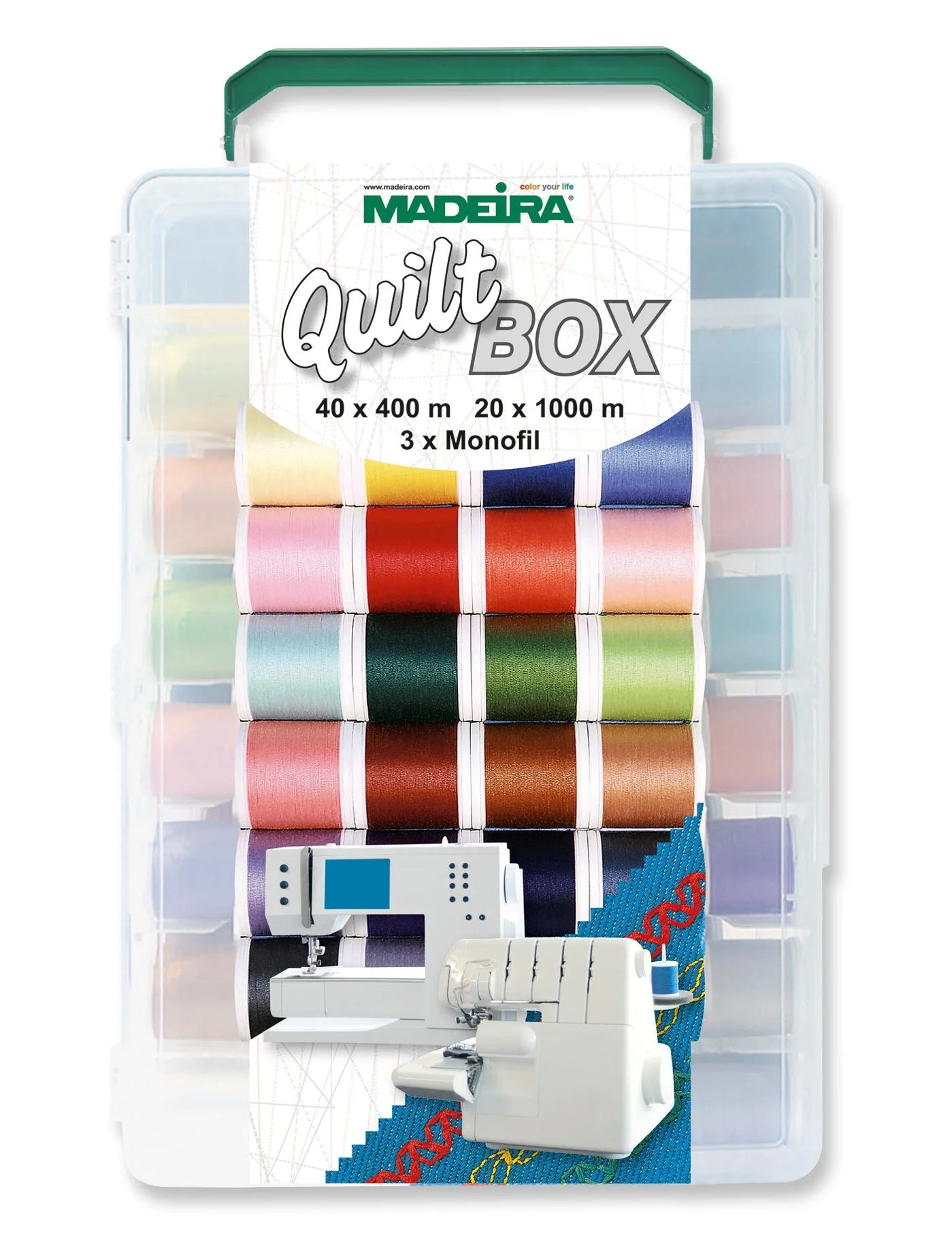
Aerofil 120 – Quilt Box, 40 440-yard (400m) and 22 1100-yard (1000m) Spools
Who should choose what
Best for
- Traditional quilters who prefer cotton thread for its matte finish and natural feel
- Quilters who want to add visible texture with a 30-weight thread for machine quilting
Not for
- Quilters who need maximum durability and stretch for everyday-use items – consider polyester thread instead