Quick Answer
Start by identifying your primary goal: skin rejuvenation, pain relief, or whole-body wellness. Then choose a device type—panels cover large areas, wraps target specific joints, and lamps offer flexibility. Consider wavelength (typically 630-660nm for skin, 810-850nm for deeper tissue), power output, and treatment area size. For most home users, a mid-sized panel offers the best balance of coverage and cost.
Red light therapy has gained popularity for its potential to support skin health, reduce inflammation, and aid muscle recovery. With so many devices on the market—from full-body panels to flexible wraps—it's easy to feel overwhelmed. This guide breaks down the key factors to consider so you can choose a device that fits your lifestyle and goals without overspending.
Whether you're an athlete looking for recovery tools, someone managing chronic pain, or simply interested in skincare, understanding the differences between device types will help you make an informed purchase. Let's explore what matters most when comparing red light therapy devices.
Understand Your Primary Goal
Your main reason for using red light therapy will determine the best type of device. For skin concerns like wrinkles or acne, devices emitting red light around 630-660nm are commonly used. For deeper tissue issues such as joint pain or muscle recovery, near-infrared wavelengths (810-850nm) penetrate further and are often preferred.
If you have multiple goals, look for devices that combine both red and near-infrared wavelengths. Many modern panels offer dual-wavelength options, allowing you to target both surface and deeper tissues in one session.
- Skin health: prioritize red light (630-660nm)
- Pain relief: choose near-infrared (810-850nm) or combined
- Whole-body benefits: consider a larger panel or full-body device
Compare Device Types: Panels, Wraps, and Lamps
Red light therapy panels are large, flat devices that can treat broad areas like the back or legs. They are efficient for whole-body sessions but require more space and a higher upfront investment. Wraps and flexible pads are designed to contour around specific body parts like knees, shoulders, or the waist, making them ideal for targeted pain relief. They are portable and often more affordable.
Lamps are smaller and offer spot treatment, perfect for facial use or small areas. They are easy to store and use while reading or working. However, they may require more time to cover larger areas. Consider your treatment area and how much time you can dedicate each session when choosing between these forms.
- Panels: best for large areas and whole-body use
- Wraps: best for targeted joints and portability
- Lamps: best for facial or small spot treatments
Evaluate Wavelengths and Power Output
Wavelength determines how deeply light penetrates the skin. Red light (630-660nm) is absorbed by the skin's surface, promoting collagen production and reducing inflammation. Near-infrared (810-850nm) penetrates deeper into muscles and joints, aiding in tissue repair and pain relief. Many devices offer both, but if you have a specific need, choose accordingly.
Power output, measured in milliwatts per square centimeter (mW/cm²), affects treatment time. Higher irradiance means shorter sessions. Look for devices with published irradiance values to compare efficacy. However, be cautious of unverified claims; check if the device has been tested by third parties.
- For skin: 630-660nm red light
- For pain: 810-850nm near-infrared
- Check irradiance (mW/cm²) for session time
Consider Coverage Area and Portability
Measure the area you plan to treat. A full-body panel might be overkill if you only need facial therapy. Conversely, a small lamp will be insufficient for back pain. Think about where you'll use the device—at home, in a clinic, or while traveling. Portable wraps and compact lamps are easier to take on the go, while larger panels are stationary.
Also consider your budget. Larger panels are more expensive but offer better value per square inch of treatment area. Wraps are mid-range, and lamps are the most affordable. Balance your needs with what you're willing to spend.
- Measure your treatment area before buying
- Consider where you'll use it (home, clinic, travel)
- Larger panels cost more but cover more area
Safety and Usage Tips
Always follow the manufacturer's instructions regarding eye protection and session duration. Most devices require you to wear goggles to protect your eyes from bright light. Start with shorter sessions (5-10 minutes) and gradually increase as your skin adapts. Consistency is key—regular use over several weeks yields the best results.
If you have a medical condition or are pregnant, consult your healthcare provider before starting red light therapy. While generally considered safe, it's always wise to seek professional advice.
- Wear protective goggles as directed
- Start with short sessions and increase gradually
- Consult a doctor if you have health concerns
Quick Decision Rules
- If your goal is skin rejuvenation: Choose a device with red light wavelengths around 630-660nm. Look for options with facial attachments or compact lamps for easy use on the face. Check for FDA clearance or clinical studies if available.
- If you need pain relief in specific joints: Opt for a flexible wrap or pad that emits near-infrared light (810-850nm). These can be secured around knees, shoulders, or back. Ensure the wrap is long enough to fit the area comfortably.
- If you want whole-body benefits: Consider a large panel or full-body device. These are more expensive but allow you to treat multiple areas in one session. Measure your space to ensure the panel fits.
Related Products to Consider
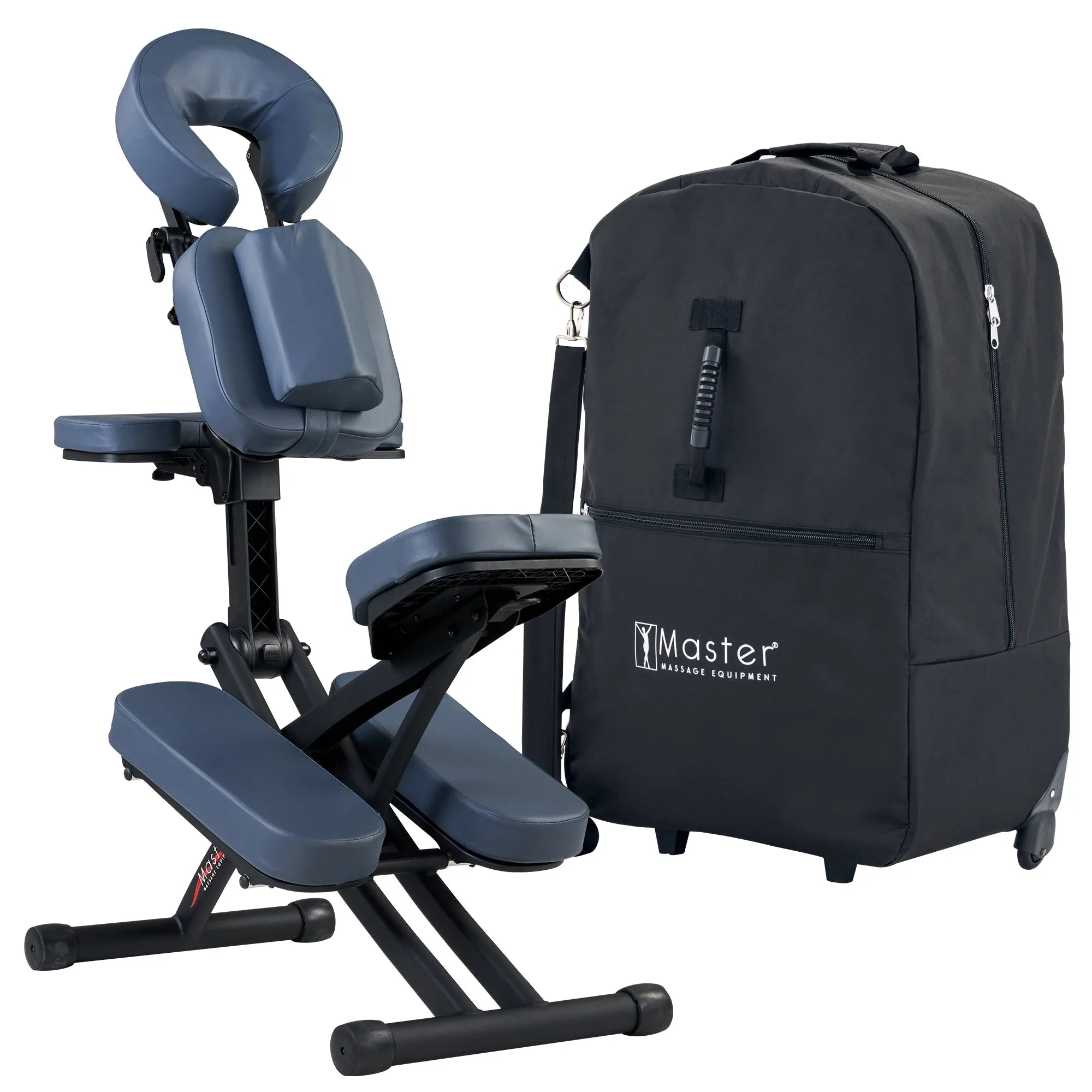
- Master Massage Rio Portable Massage Chair Lightweight Strong Deluxe Adjustable Storable with Luggage Style Carrying Case, Royal Blue: Chair Specifications: Size: 26.5" x 14.7" x 35" (L x W x H), Weight: 24 lbs. (chair only), Folding Size: 24.6" x 14.7" x 14.4" (L x W x H), Support Weight: 1200 lbs., Working Capacity: 600 lbs., Foam: 2" MEMORY FOAM & Exclusive Small CellTM Foam (Higher Density than normal foam). While not a red light device, this portable chair is ideal for professionals who offer light therapy sessions on-site. Its lightweight design and high weight capacity make it a practical addition to a mobile practice.
- Best of Nature Sesame Massage & Body Oil - 100% Pure: Discover the benefits of Sesame Oil, a powerful moisturizer that leaves your skin feeling supple, smooth, and soft. This versatile oil offers a range of benefits for both skin and hair. Key Benefits: Deep Hydration: Sesame Oil provides intense hydration, helping to repair damaged skin cells and improve skin elasticity. Detoxifying Properties: Helps remove toxins from the skin, promoting a healthy and radiant complexion. After red light therapy sessions, your skin may benefit from moisturizing. This pure sesame oil can complement your skincare routine by keeping skin hydrated and supporting overall skin health.
Who Should Choose What
Best for
- Home users wanting a versatile device for skin and minor pain relief—a mid-sized panel with dual wavelengths.
- Athletes seeking targeted recovery for joints—flexible wraps with near-infrared light.
Not for
- Travelers who need ultra-portable options—large panels are heavy and bulky.
- Those on a tight budget—full-body panels can be costly; consider a lamp or wrap instead.
Choosing the right red light therapy device doesn't have to be complicated. Define your primary goal, consider the device type that matches your treatment area, and check the wavelengths and power output. Whether you opt for a panel, wrap, or lamp, consistency and proper usage will help you get the most out of your investment. For additional comfort during sessions, consider pairing your device with supportive accessories like a massage chair or nourishing body oils.