Quick Answer
To choose the right replacement solar panel, match the voltage and connector type of your existing panel, consider the physical size to fit your light fixture, and ensure the wattage is sufficient for your battery. Check your light's manual or the old panel's label for specifications, and when in doubt, opt for a panel with the same specs or a slightly higher wattage.
Solar lights are a fantastic way to illuminate your garden, patio, or pathway without increasing your electricity bill. But like all outdoor equipment, they can wear out over time. One of the most common issues is a failing solar panel that no longer charges the battery effectively. Instead of replacing the entire light, you can often just swap out the solar panel. This guide will walk you through the key factors to consider when choosing a replacement solar panel.
From voltage and size to connector types and durability, we'll cover everything you need to know to make an informed purchase. Whether you're a DIY enthusiast or just looking to extend the life of your favorite solar lights, this guide will help you find the perfect replacement.
Understanding Solar Panel Specifications
Before you start shopping for a replacement solar panel, it's crucial to understand the basic specifications. The two most important are voltage and wattage. Voltage determines the electrical potential, and it must match your system's requirements. Most small solar lights use a 1.2V or 2V panel, while larger ones might use 5V or 6V. Using a panel with the wrong voltage can damage the battery or the LED.
Wattage indicates the power output. A higher wattage panel can charge the battery faster, but it also needs to fit physically. Always check the old panel's label or the product manual for these specs. If you can't find them, you can use a multimeter to measure the voltage.
- Check the old panel's label for voltage and wattage.
- Use a multimeter to measure the open-circuit voltage if the label is unreadable.
- Match the voltage exactly; wattage can be slightly higher for faster charging.
Physical Size and Mounting
The physical size of the solar panel is another critical factor. It must fit into the existing housing of your solar light. Measure the dimensions of the old panel and compare them with the replacement. Also, consider the mounting holes or brackets. Some panels have pre-drilled holes, while others might need adhesive or zip ties.
If the replacement panel is slightly larger, it might not fit, or it could block sunlight for other components. On the other hand, a smaller panel might look out of place and may not provide enough power. Always measure twice and order once.
- Measure the length, width, and thickness of the old panel.
- Check the mounting holes or bracket type.
- Consider the placement and orientation for maximum sun exposure.
Connector Types and Wiring
The connector type is often overlooked but is essential for a successful replacement. Common connectors include JST, DC barrel, and bare wires. If you can't find the exact connector, you can cut and splice wires, but that requires some soldering skills. Alternatively, you can buy an adapter.
Also, pay attention to the polarity. Most solar panels have a red (positive) and black (negative) wire. Ensure you connect them correctly to avoid damaging the battery or the light circuit.
- Identify the connector type: JST, DC barrel, or bare wires.
- If necessary, learn to solder or use wire connectors for a secure connection.
- Double-check polarity before connecting.
Durability and Weather Resistance
Since solar panels are exposed to the elements, they need to be durable and weatherproof. Look for panels with a waterproof rating (IP65 or higher) and a sturdy frame, usually made of aluminum or tempered glass. This ensures they can withstand rain, snow, and UV rays without degrading quickly.
Also, consider the warranty. A longer warranty often indicates better quality. Some manufacturers offer up to 5 years, which is a good sign.
- Choose a panel with an IP65 rating or higher.
- Look for tempered glass and an aluminum frame for durability.
- Check the warranty length.
Decision Rules for Choosing a Replacement Solar Panel
- Rule 1: Match Voltage Exactly: Check the old panel's voltage rating (usually 1.2V, 2V, 5V, or 6V) and choose a replacement with the same voltage. Using a higher voltage panel can damage the battery and LEDs. Always verify the voltage before purchasing.
- Rule 2: Ensure Physical Fit: Measure the length, width, and thickness of the old panel. The replacement must fit into the existing housing. Also, check the mounting holes to ensure a secure fit. Measure twice, order once.
- Rule 3: Match Connector Type: Identify the connector type (JST, DC barrel, bare wires) and choose a panel with the same connector or be prepared to adapt. Incorrect wiring can cause short circuits. If you're not comfortable with soldering, choose a panel with the same connector.
- Rule 4: Consider Wattage: A slightly higher wattage panel can charge the battery faster, but it must be compatible with the charging circuit. Avoid panels with significantly higher wattage than the original. A small increase in wattage is safe, but don't overdo it.
Product Facts: Solar Light Options from Brightech
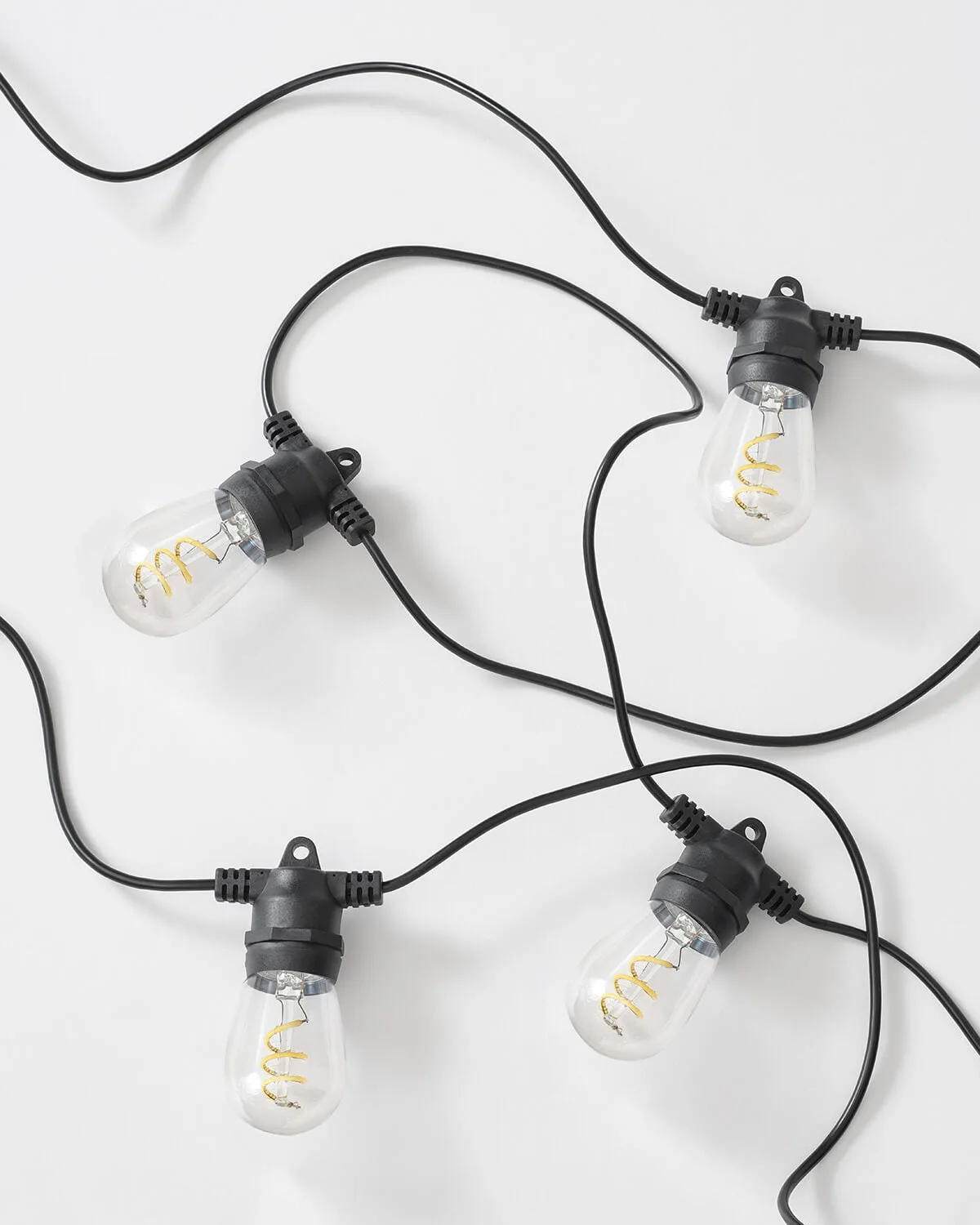
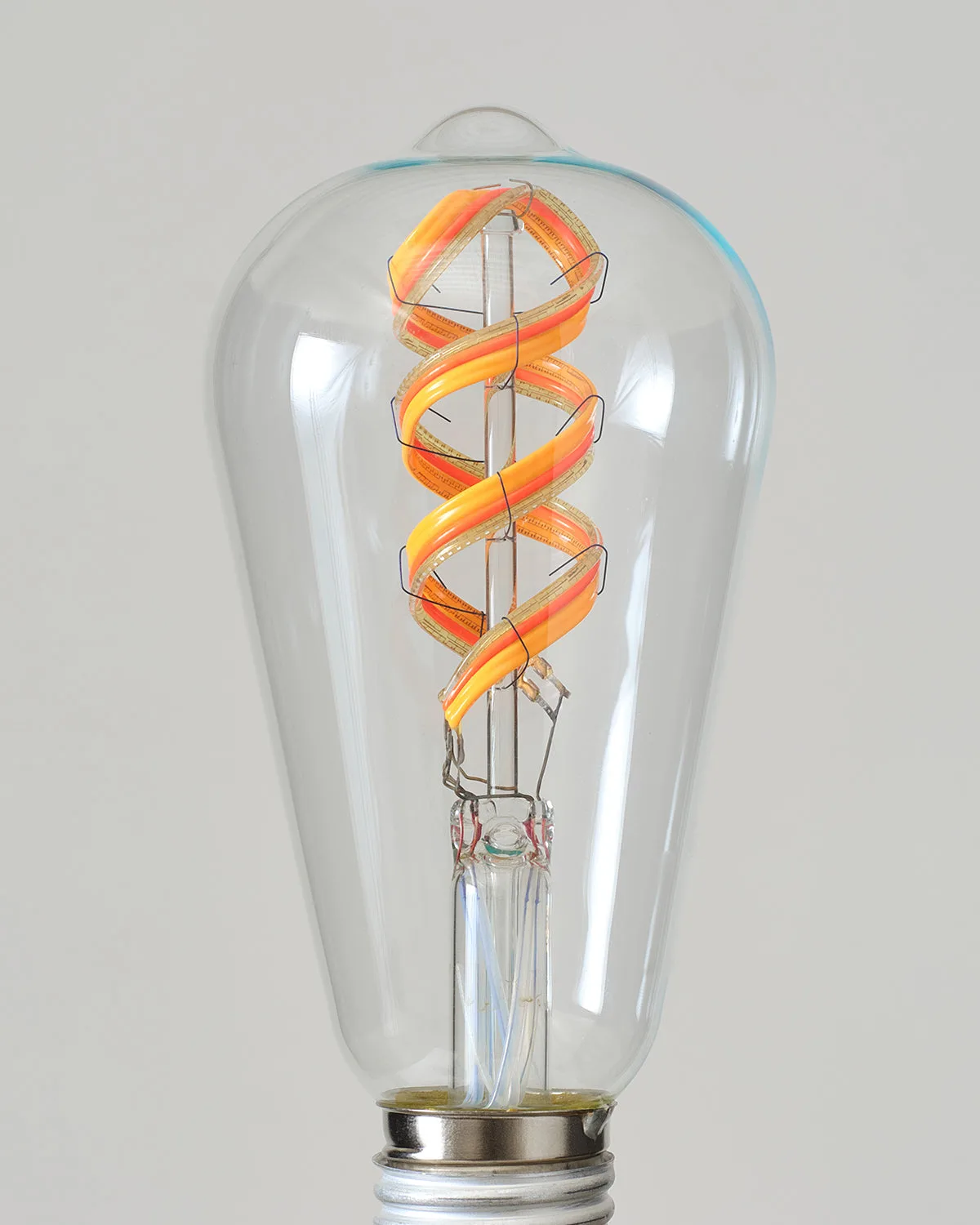
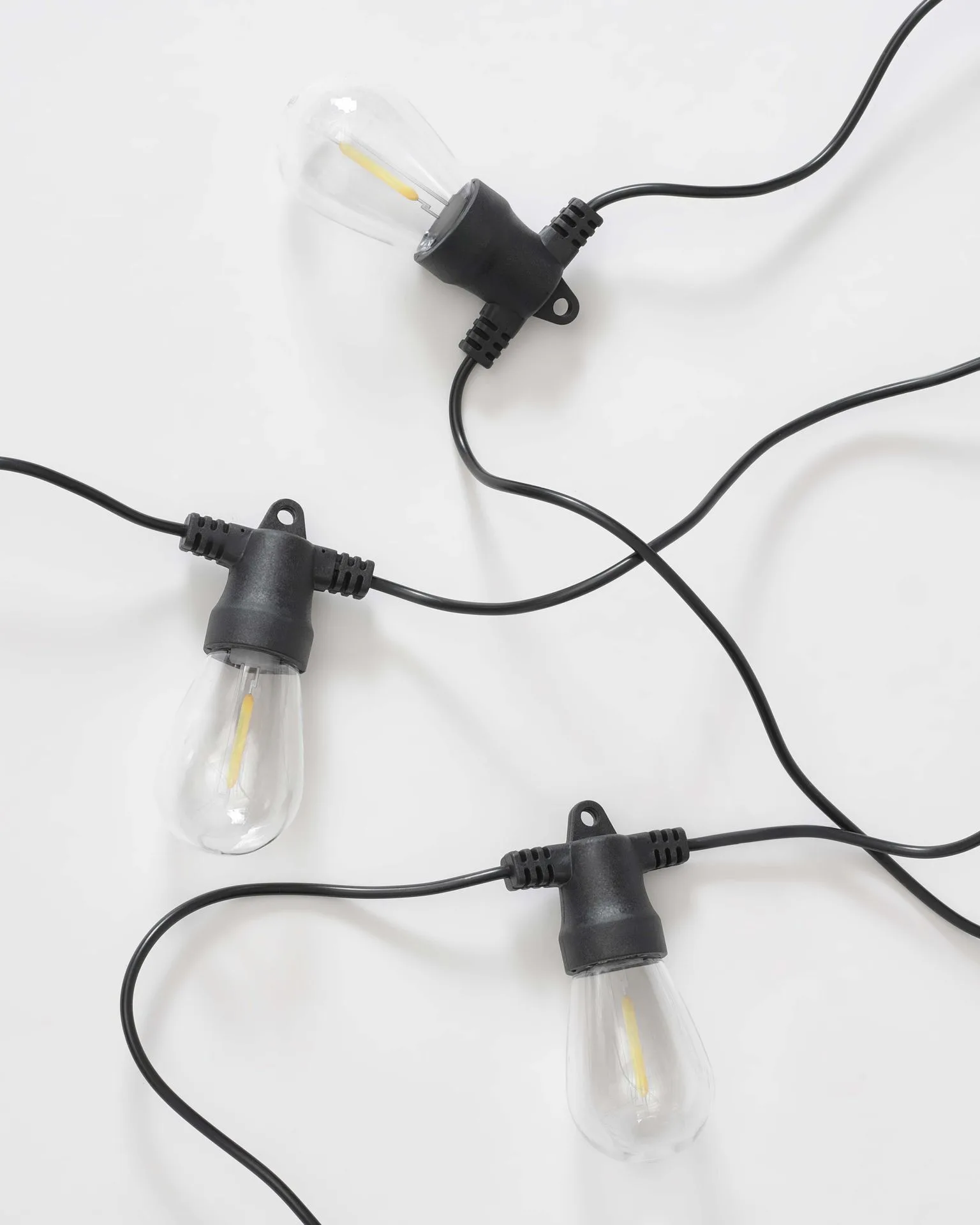
- Ambience Pro Solar Hanging: Our Solar String Lights will create a beautiful backyard atmosphere where you can sit back, relax, and enjoy the evening. These vintage Edison style bulb string lights with exposed filaments give off a warm, nostalgic glow so that you can come home after a busy day and enjoy your very own retreat. The photocell light sensor turns the lights on automatically at dusk so that you can enjoy beautiful outdoor lights... If you own these lights, you'll want to find a replacement panel that matches the original specs to maintain the automatic dusk-to-dawn feature.
- Ambience Pro Solar Non Hanging: Life’s hard. Take a break, relax, and enjoy the evening under our Ambience solar-powered patio lights. These vintage Edison-style bulb string lights with exposed filaments give off a warm, nostalgic glow, built to withstand the elements (no worries about getting rained on). Choose these solar-powered outdoor string lights to add a unique aesthetic to any exterior space with a sustainable twist. For these lights, ensure the replacement panel is weatherproof to match the built-to-withstand-the-elements design.
Who Should Buy a Replacement Solar Panel?
Best for
- DIY enthusiasts who want to extend the life of their solar lights without buying new fixtures.
- People with a basic understanding of electronics who can handle simple wiring or soldering.
Not for
- Those who prefer a plug-and-play solution; consider buying new solar lights instead.
- Individuals with complex solar systems that require specialized panels or professional installation.
Choosing the right replacement solar panel doesn't have to be complicated. By focusing on voltage, physical dimensions, connector type, and durability, you can find a panel that will keep your solar lights shining brightly for years. If you're looking for high-quality solar lights that are built to last, consider exploring Brightech's collection, including the Ambience Pro Solar Hanging and Ambience Pro Solar Non Hanging, which are designed with durable panels and automatic sensors for your convenience.