Quick answer
Choose your shift boot by working backward from the shifter: confirm the boot opening matches your console and shifter base, then match the boot's top opening to your knob or adaptor, and only then pick material. If you run a weighted knob or a short shifter kit, buy a boot that is sold for that specific setup rather than a universal trim-to-fit piece. Get fitment right first, because a beautiful boot that will not sit flat or clear the shifter is a return waiting to happen.
A shift boot is one of the few interior parts you touch every time you drive, so it should fit properly, feel right, and hold up. The problem is that most listings lead with color and stitching while burying the two measurements that actually decide whether the part works: the base opening and the top opening.
This guide walks through the decisions in the order that prevents mistakes. You will confirm fitment against your console and knob, choose between common materials based on how you use the car, and decide whether you need a retainer or adaptor to finish the install cleanly.
Start with fitment, not color
Measure three things before you shop: the console opening where the boot seats, the shifter shaft diameter at the base, and the bottom diameter of your shift knob or adaptor. The console opening determines whether the boot sits flush or bunches, while the top opening determines whether the boot grips the shaft or slides down. If your knob uses an adaptor, measure the adaptor, not the knob, since the adaptor is what the boot actually meets.
Year, model, and transmission matter more than generic sizing charts. A boot listed for a specific chassis is usually shaped to the console contour, which is why it looks factory-clean instead of stretched. Universal boots can work, but they typically require trimming and may leave gaps at the corners. If a listing does not state the base and top openings, treat that as a decision limitation and ask before buying.
- Measure with the console trim installed, not on the bench, so you capture the real seating angle.
- Photograph your current setup before removal; routing and orientation are easy to forget.
Match the boot to your shifter type
A stock shifter, a short shifter, and a reverse lockout setup all present the shaft differently. Short shifter kits often shorten the visible shaft and change the angle, so a boot cut for the factory height can sit too high or collapse. Reverse lockout mechanisms add a collar you must clear, which is why some boots are sold specifically with lockout-compatible openings. If you have already changed the shifter, buy the boot that matches that new geometry.
Automatic cars have their own constraint: the lockout button and gate. An automatic adaptor replaces the factory button with a fixed-position lockout, which changes what the boot surrounds. If you are converting an automatic to a fixed knob, plan the boot and adaptor together rather than buying the boot first and hoping the adaptor fits underneath it.
- Manual with reverse lockout: confirm the boot opening clears the collar through full travel.
- Automatic: confirm the boot works with your adaptor, not the factory button assembly.
Choose a material based on how you use the car
Alcantara and suede-style materials give the best grip and a soft, premium feel, but they collect lint and show wear where your hand rests. Leather and synthetic leather wipe clean, resist staining, and hold their shape, which suits daily drivers and cars that see sun. Cloth and mesh breathe and cost less, but they fade and stretch faster in a hot cabin. There is no single best shift boot material, only the one that matches your climate and cleaning habits.
Stitching and panel construction matter for durability. Double-stitched seams and reinforced top openings survive repeated shifting better than single-row stitching. If you park outside in strong sun, a dark material will get hot to the touch regardless of type, so weigh appearance against how often you will actually grab it.
- Daily driver in a hot climate: leather or synthetic leather is the lower-maintenance pick.
- Weekend or show car: Alcantara and suede-style materials deliver the best feel and look.
Decide whether you need a retainer or adaptor
A boot retainer holds the material tight against the base so it does not sag into the console opening. If your current boot droops or you can see the shifter mechanism through a gap, a retainer solves that without replacing the boot itself. Similarly, a shift knob adaptor lets you run an aftermarket knob on a shaft that does not match thread or spline, which then changes the top opening the boot must fit.
Buy the retainer and adaptor as part of the same plan as the boot. Adding them later often means removing the console twice, and mismatched hardware is the most common reason a boot will not sit flat. If your setup already uses a retainer, measure its outer diameter and match the boot's base to it.
- Sagging boot with good material: add a retainer instead of replacing the boot.
- New knob on a mismatched shaft: sort the adaptor first, then size the boot to it.
Premium versus standard: what you actually pay for
A premium shift boot generally buys better material, tighter stitching, and a shape cut for a specific chassis rather than a generic cone. That translates to a cleaner fit at the console corners and less trimming. What it does not buy is a guarantee of fitment on a modified shifter, because custom setups vary too much for any single listing to cover every combination.
Standard boots are a reasonable choice when your setup is close to stock or when you plan to change the shifter again soon. If you are building toward a finished interior, premium is easier to justify because the boot is visible, tactile, and hard to hide if it fits poorly.
- Stock or near-stock shifter: a standard boot is often enough.
- Modified shifter or show-level interior: premium materials and chassis-specific shaping pay off.
Decision rules for buying a shift boot
- Rule 1: Fitment before finish: Confirm the base opening matches your console and the top opening matches your knob or adaptor. If either measurement is missing from the listing, ask before ordering. No measurement, no purchase.
- Rule 2: Match the boot to the shifter you have now: Short shifter, reverse lockout, and automatic adaptor setups each change the shaft and collar geometry. Buy the boot listed for that configuration. Upgrade the shifter first, then size the boot.
- Rule 3: Pick material by maintenance, not looks alone: Alcantara and suede-style feel best but need more care; leather and synthetic leather wipe clean and hold shape in sun. Daily driver favors leather; weekend car favors Alcantara.
- Rule 4: Add a retainer if the boot sags: A retainer tightens the base against the console opening and is cheaper than replacing a boot that is otherwise fine. Sagging material is a hardware problem, not a material problem.
- Rule 5: Buy boot, adaptor, and retainer as one plan: Mismatched hardware is the most common cause of a boot that will not sit flat, and it usually means removing the console twice. One order, one install.
Catalog examples that clarify the decisions
- Billetworkz Shift Kit (Ultimate): Short Shifter Kit and Fusion Shift Knob - Subaru WRX 6-Speed 2015–2025: Combines a full short throw shifter system with a premium-weighted Fusion Shift Knob; the knob uses multi-layer construction with weighted metal wrapped in Alcantara or Leather for grip. If you install a kit like this, the visible shaft height and knob diameter change, so choose a boot sized for that geometry rather than the factory shifter.
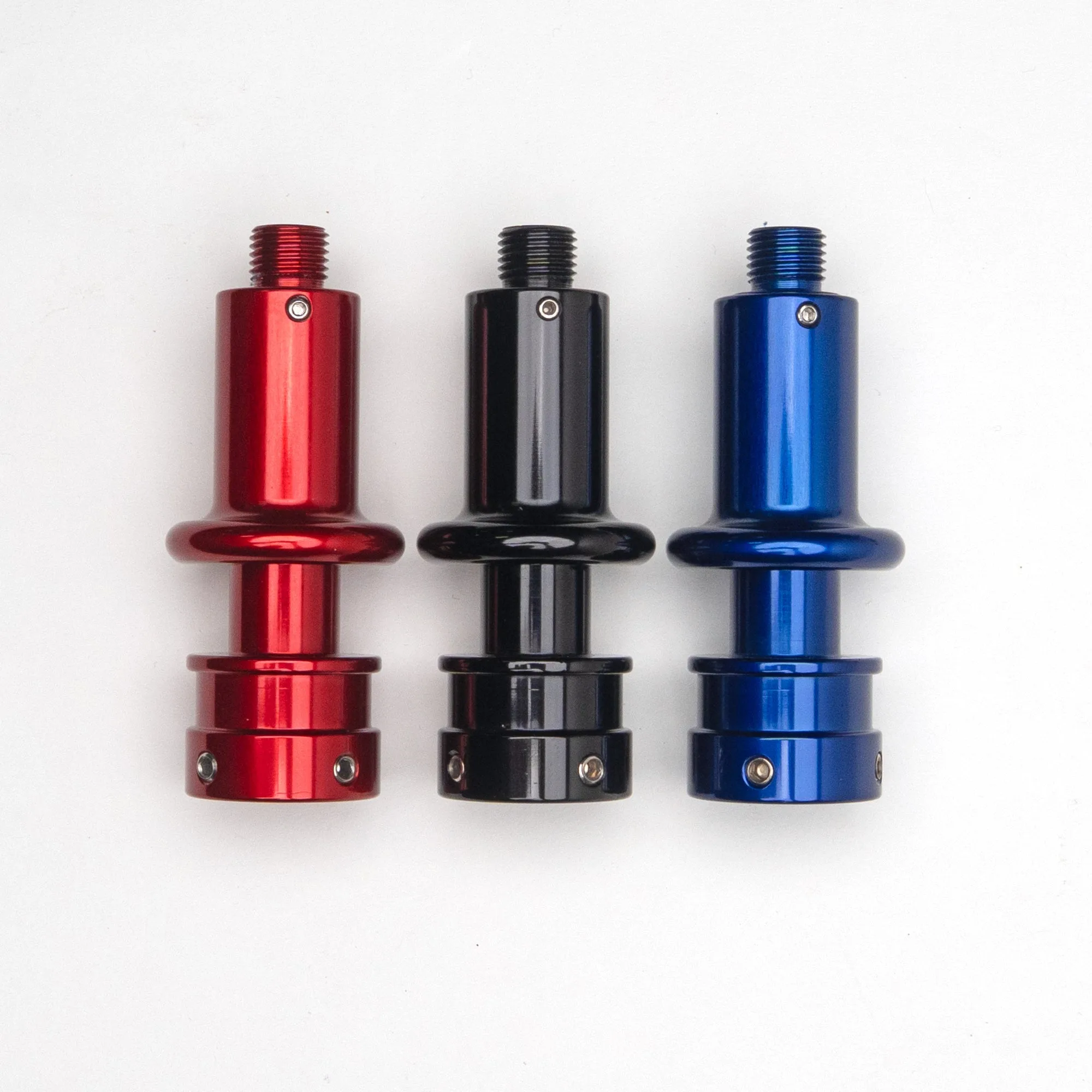
- Billetworkz Automatic Shift Knob Adapter - Dodge Challenger / Charger (2015-2023): A CNC-machined aluminum adapter that replaces the factory shift knob button with a fixed-position lockout system for a cleaner, more stable shift feel. On an automatic, the boot must clear this fixed lockout instead of the factory button, so plan the adaptor and boot together to avoid a boot that pinches or gaps.
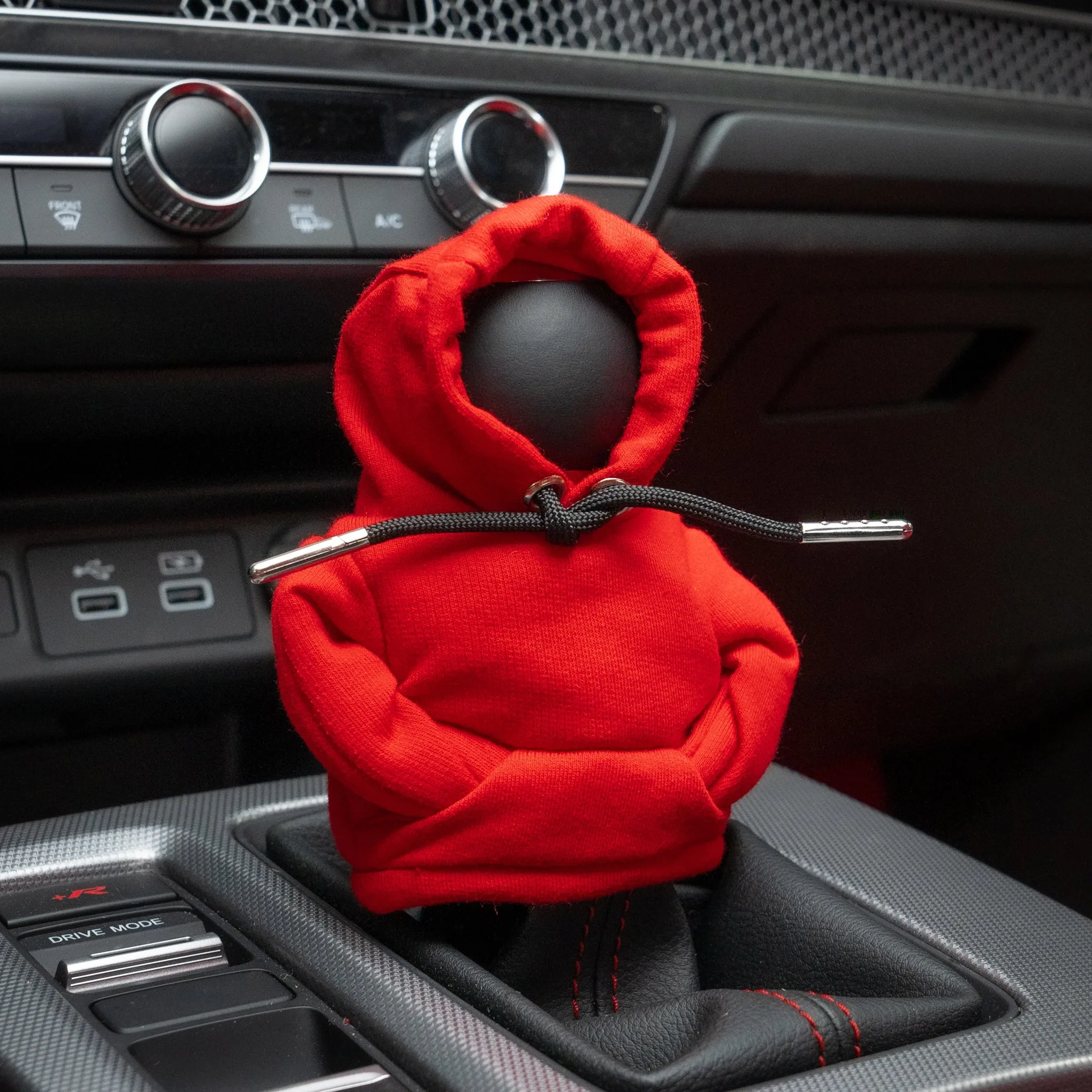
- https://billetworkzoi.com/products/shift-knob-hoodie-save-the-manuals-6d74f611d6f4732f10e12805-2706163Shift Knob Hoodie - Save the Manuals: A knit cover available in a range of colors and patterns that fits over the shift knob to manage hot and cold temperatures. If you cover the knob seasonally, keep the boot's top opening sized to the knob or adaptor underneath, not to the hoodie, so the boot still seats correctly.
Who should buy which shift boot
Best for
- Drivers with a stock or near-stock shifter who want a clean, chassis-specific fit with minimal trimming
- Enthusiasts running a short shifter or weighted knob who will confirm base and top openings before ordering
- Daily drivers in hot or sunny climates who want a wipe-clean leather or synthetic leather boot
Not for
- Buyers who cannot measure their console opening or knob diameter and want a guaranteed fit without checking
- Owners planning a shifter change in the near future, who should upgrade the shifter first and buy the boot afterward
- Anyone expecting a universal boot to look factory-clean on a heavily modified console without trimming
Measure your console opening, shifter base, and knob or adaptor before you shop, then choose material based on how often you drive and clean. Get those three decisions right and the boot installs once, sits flat, and looks like it belongs there.