Quick Answer
Choose footwear based on your primary activity: boots for rugged terrain and outdoor work, athletic shoes for urban carry and gym sessions, and minimalist trainers for range days. Prioritize a snug heel and roomy toe box, and match the shoe's profile to the pant's leg opening to avoid snagging or bunching.
Tactical pants are built for movement, storage, and durability, but the wrong shoes can undermine all three. Whether you're running drills, hiking, or just wearing them for everyday carry, the footwear you choose affects comfort, concealment, and performance.
This guide breaks down the key factors—activity, terrain, fit, and pant compatibility—so you can pick the right shoes for your tactical pants without guesswork.
Match the Shoe to Your Primary Activity
The biggest mistake is buying one pair of shoes for every scenario. Tactical pants are versatile, but your footwear should be specific to what you actually do. For outdoor work, hiking, or range training on uneven ground, a sturdy boot with ankle support and aggressive tread is non-negotiable. For urban carry, commuting, or gym sessions, a low-profile athletic shoe or trainer offers more agility and comfort on hard surfaces.
If you're at the range all day, consider a shoe with a non-marking outsole and a reinforced toe. You don't need a heavy boot if you're shooting from a bench, but you do need protection from dropped magazines and hot brass. Think about the surface you'll stand on most—concrete, dirt, or grass—and choose a sole that provides grip without trapping debris.
- Boots: best for hiking, outdoor work, and uneven terrain
- Athletic shoes: best for urban carry, gym, and hard surfaces
- Range-specific shoes: best for shooting sports with standing or kneeling
Fit Guidance: Heel Lock, Toe Room, and Sock Thickness
A good fit starts with the heel. You want a snug heel that doesn't slip when you walk uphill or brake suddenly. If your heel lifts, you'll get blisters and lose stability. The toe box should be roomy enough to wiggle your toes but not so wide that your foot slides side to side. Try shoes with the socks you plan to wear—thick merino or tactical socks change the fit significantly.
Pay attention to the instep and arch. If you have high arches, look for shoes with removable insoles so you can swap in orthotics. For flat feet, a shoe with a firm midsole and moderate arch support will reduce fatigue. Always try shoes on later in the day when your feet are slightly swollen, and walk on an incline if the store allows it.
- Heel should not slip more than a quarter-inch
- Toe box should allow full toe splay
- Test with the socks you'll actually wear
Pant Compatibility: Leg Opening and Cuff Style
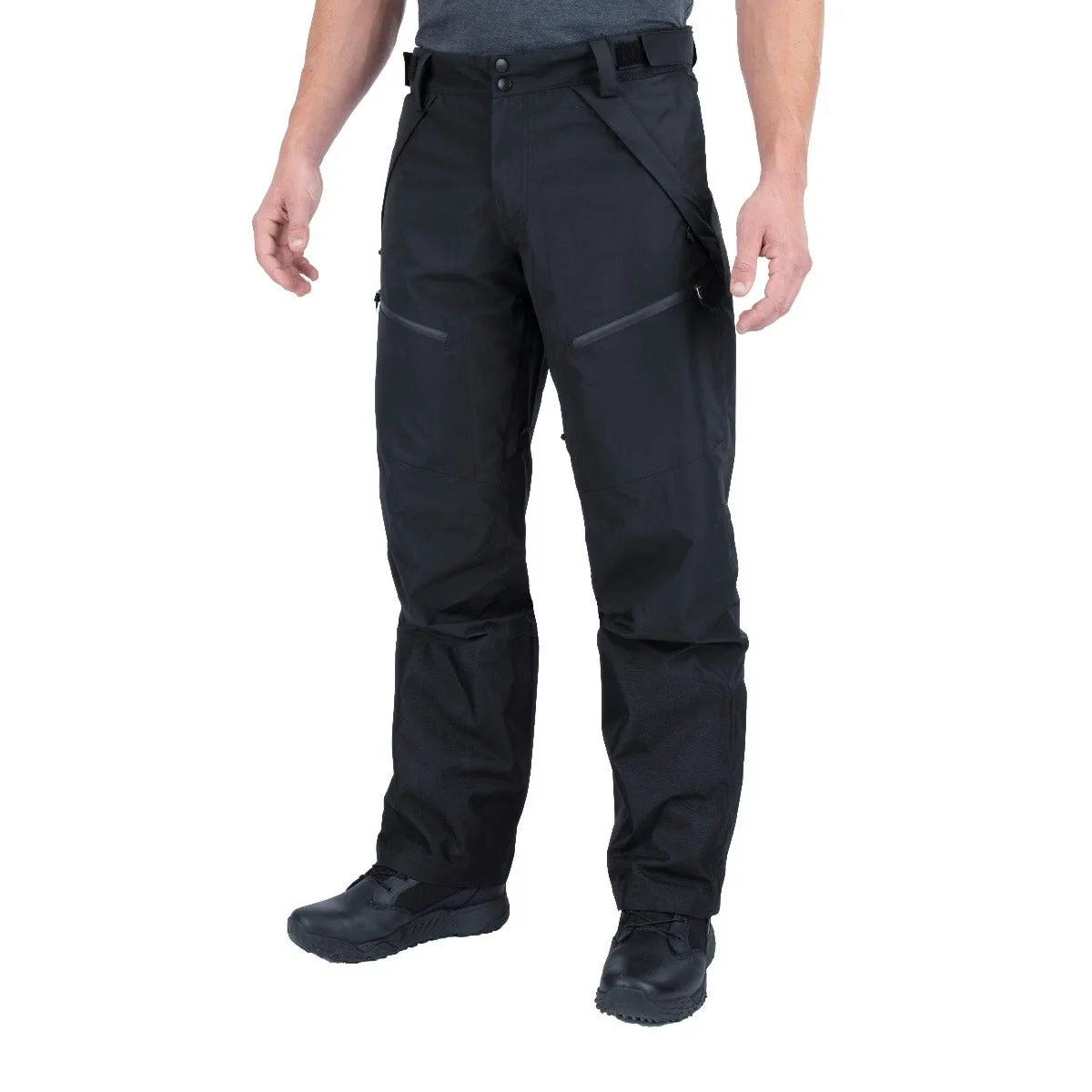
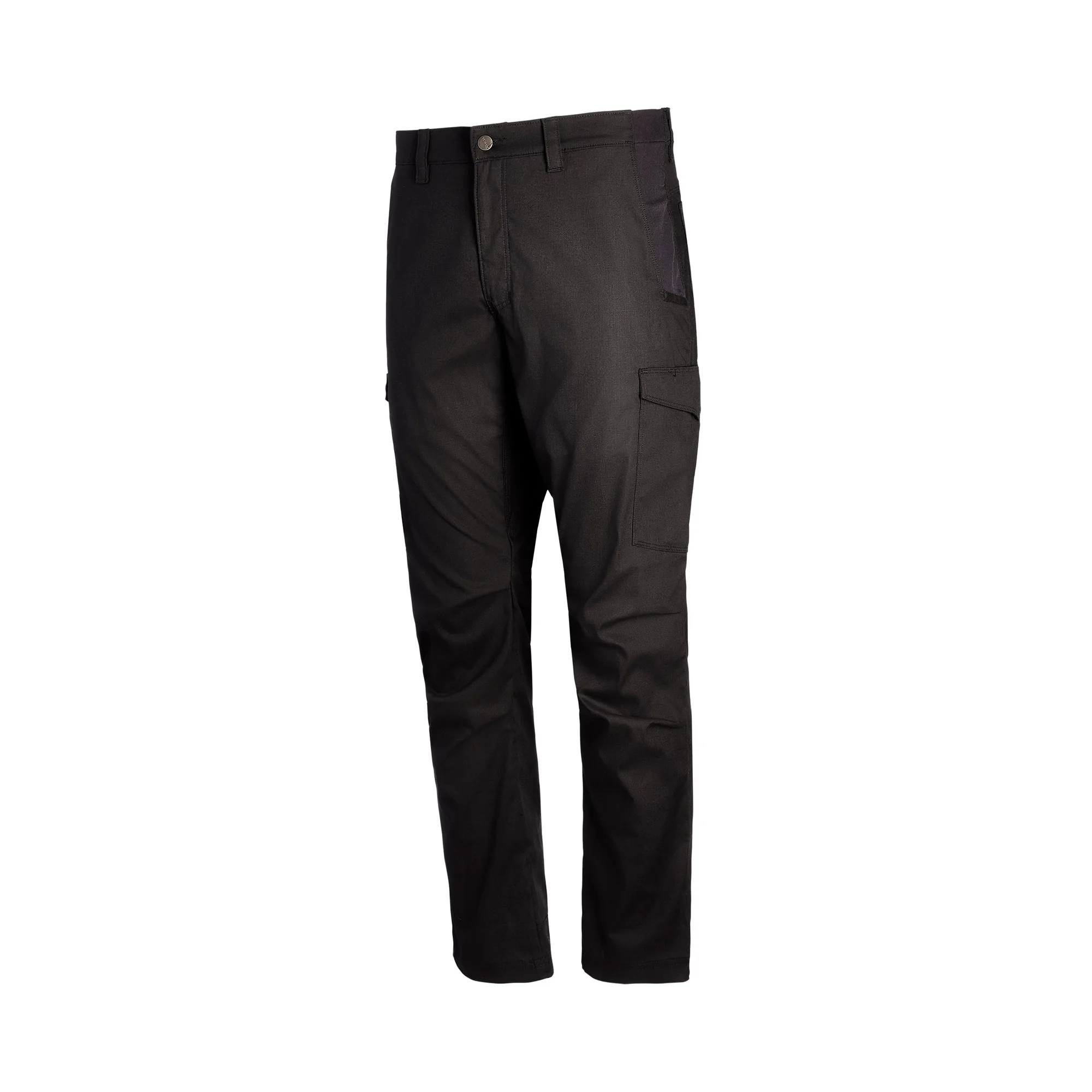
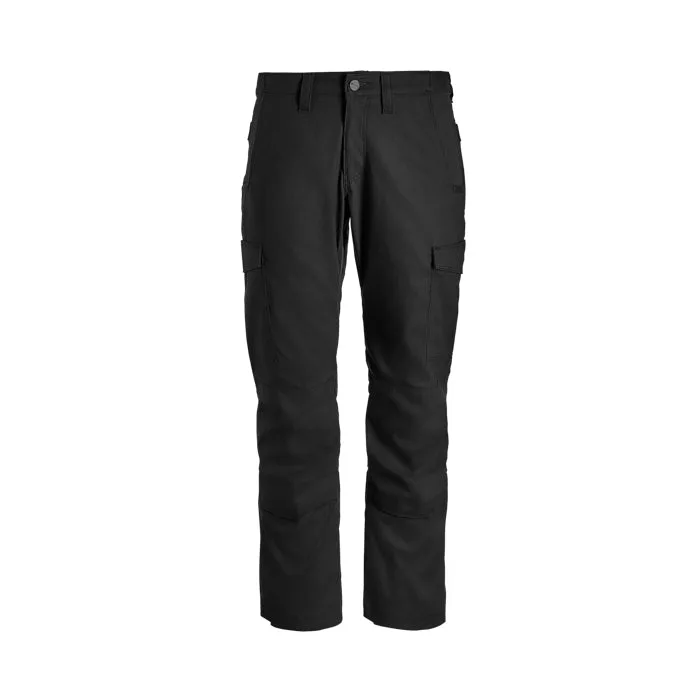
Tactical pants come with different leg openings, from tapered to straight to bootcut. The shoe you choose should complement the pant's silhouette. A bootcut or straight leg pant fits over a boot shaft easily, while a tapered pant looks better with a low-profile shoe. If you wear a boot with a tapered pant, the cuff may bunch up and print, which is a problem for concealed carry.
Also consider the pant's ankle closure. Some tactical pants have drawstrings or snap tabs that let you adjust the cuff over boots. If your pants have these, you have more freedom to wear boots. If not, stick with shoes that have a lower profile to avoid a bulky look and reduced mobility.
- Bootcut or straight leg: works with boots and sneakers
- Tapered leg: best with low-profile shoes or trainers
- Adjustable cuffs: allow you to wear boots without bunching
Terrain and Weather Considerations
The environment you operate in should dictate the outsole and material. For wet or muddy conditions, a shoe with a deep lug pattern and water-resistant upper will keep you stable and dry. For hot, dry climates, breathable mesh and a lighter sole prevent overheating. If you're in cold weather, insulation and a higher collar matter more than tread.
Don't overlook the insole. Many tactical shoes come with basic insoles that wear out quickly. Replacing them with a high-quality aftermarket insole can transform comfort, especially if you stand for long periods. Also, consider the shoe's weight—heavier boots provide more protection but can cause fatigue on long marches or all-day wear.
- Deep lugs for mud and loose dirt
- Water-resistant uppers for wet conditions
- Breathable mesh for hot climates
- Aftermarket insoles for long-term comfort
Decision Rules for Choosing Footwear
- Activity first: List your top three activities (e.g., range, hiking, urban EDC) and choose a shoe that excels in the most demanding one. A boot is better for hiking, while a trainer is better for urban carry. Don't buy a jack-of-all-trades shoe if you have a dominant activity.
- Fit test with your gear: Wear the same socks and any ankle inserts or orthotics you use. Walk on a slope and squat to ensure the heel stays locked and the toe box doesn't pinch. If the shoe doesn't feel perfect in the store, it won't improve later.
- Check the pant leg opening: Measure the hem width of your tactical pants. If it's under 7 inches, choose low-profile shoes. If it's over 8 inches, boots will fit comfortably underneath. Match the shoe profile to the pant silhouette to avoid bunching and printing.
How Vertx Pants Pair with Your Footwear
- Defiance Jeans: The Defiance Jeans are a tactical jean option with a modern fit, available in multiple waist and inseam options. Jeans have a slimmer leg profile, so they pair best with low-profile athletic shoes or trainers rather than bulky boots, keeping your silhouette clean for urban carry.
- Phantom Flex Short: The Phantom Flex Short features an updated stretch woven waistband insert for up to 2” of expansion, a modern athletic fit, and a 10” inseam. Shorts with an athletic fit and stretch waistband move with you, so you can wear them with lightweight trail runners or cross-trainers without feeling restricted during range sessions or outdoor training.
Best For / Not For
Best For
- Outdoor enthusiasts who need ankle support and rugged traction
- Urban carriers who prioritize agility and low-profile concealment
- Range shooters who stand or kneel for extended periods on hard surfaces
Not For
- Formal settings where dress shoes are required—tactical boots will stand out
- Extreme cold-weather operations without insulated or waterproof options
Choosing the right shoe for your tactical pants comes down to matching the footwear to your primary activity, getting a precise fit, and considering how the pant's silhouette interacts with the shoe. Use these decision rules to narrow your options, and remember that a well-fitted shoe is more important than any brand name.