Quick Answer
When choosing athletic socks, prioritize moisture-wicking materials like polyester or blends, match cushioning to your sport, and ensure a snug but not tight fit. For most activities, a mid-weight sock with a blend of synthetic and natural fibers offers the best balance of comfort and durability.
Whether you're hitting the gym, going for a run, or playing a casual game, the right socks can make a big difference in comfort and performance. Ill-fitting or poorly made socks can lead to blisters, discomfort, and even foot problems. This guide will help you understand what to look for in athletic socks, so you can make an informed choice that keeps your feet happy.
We'll cover the key features, materials, and fit considerations, and provide clear decision rules to match socks to your specific activity. Remember, the best socks for sports are those that meet the demands of your chosen activity and fit your foot properly.
Key Features of Performance Socks
Athletic socks are designed with specific features that enhance comfort and performance. The most important features include moisture-wicking, cushioning, arch support, and breathability. Moisture-wicking materials, such as polyester and certain blends, pull sweat away from your skin, keeping your feet dry and reducing the risk of blisters. Cushioning in the heel and toe areas provides impact absorption, which is especially important for high-impact activities like running or basketball.
Arch support helps reduce foot fatigue and provides a secure fit. Breathability, often achieved through mesh panels or ventilation zones, allows heat to escape, keeping your feet cooler. When comparing socks, look for these features and consider which are most critical for your sport.
- Check the sock's fiber content: synthetic fibers like polyester and nylon wick moisture better than cotton.
- Look for reinforced heels and toes for added durability.
- Consider socks with a seamless toe to prevent irritation.
Material Matters: Cotton vs. Synthetics
The material of your socks plays a crucial role in performance. Cotton is soft and comfortable but retains moisture, which can lead to blisters and discomfort during intense activity. For athletic use, synthetic fibers like polyester, nylon, and spandex are preferred because they wick moisture, dry quickly, and provide a better fit. Many socks use a blend, such as polyester-cotton-rayon, to combine comfort with performance.
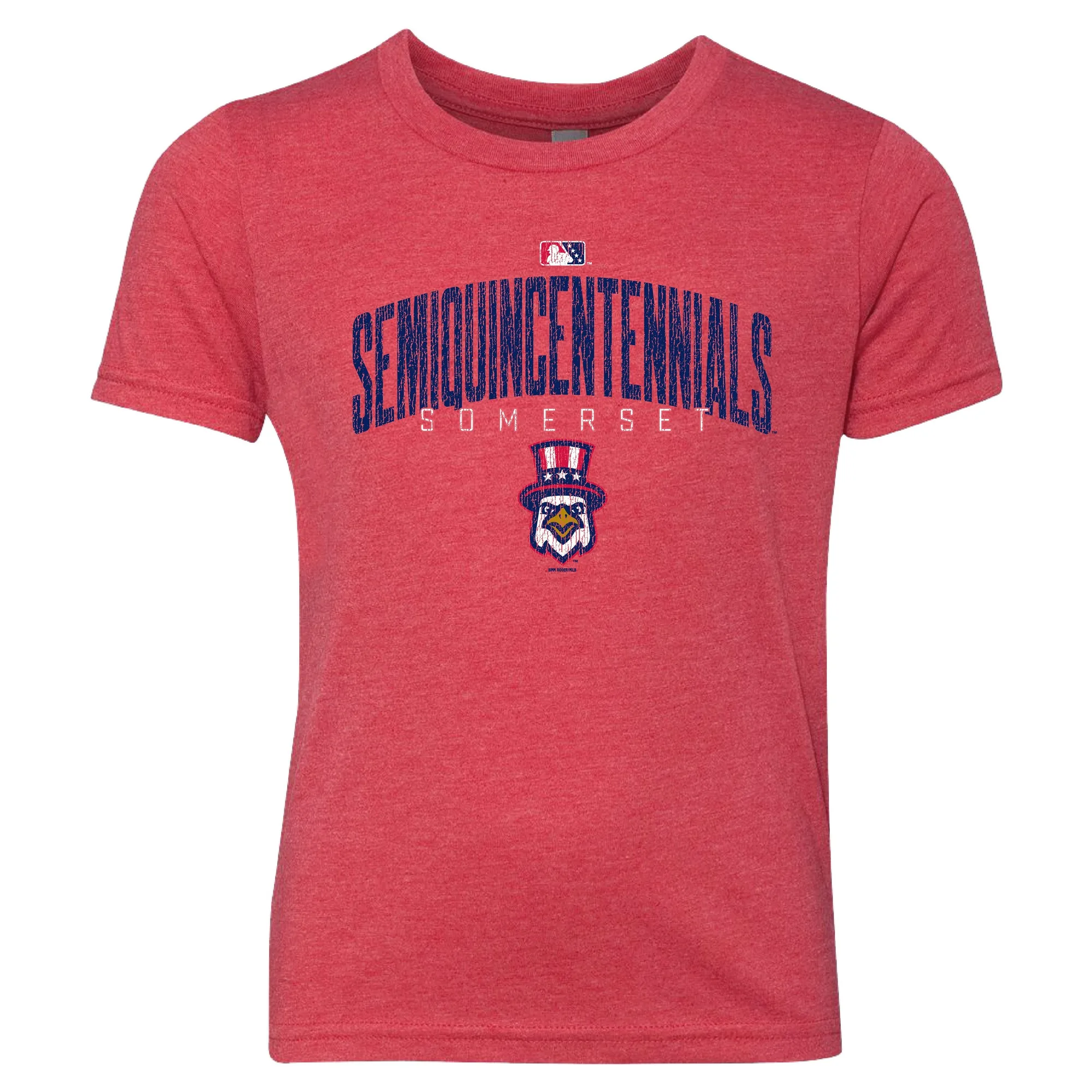
For example, the Somerset Patriots Youth Athletic Grey Triblend Jersey Diners Coffee Mug T-shirt uses a 50/25/25 polyester/cotton/rayon blend, which offers a balance of softness and moisture management. While this is a shirt, the same principles apply to socks: choose blends that offer both comfort and functionality. When in doubt, opt for socks with a higher synthetic content for intense activities.
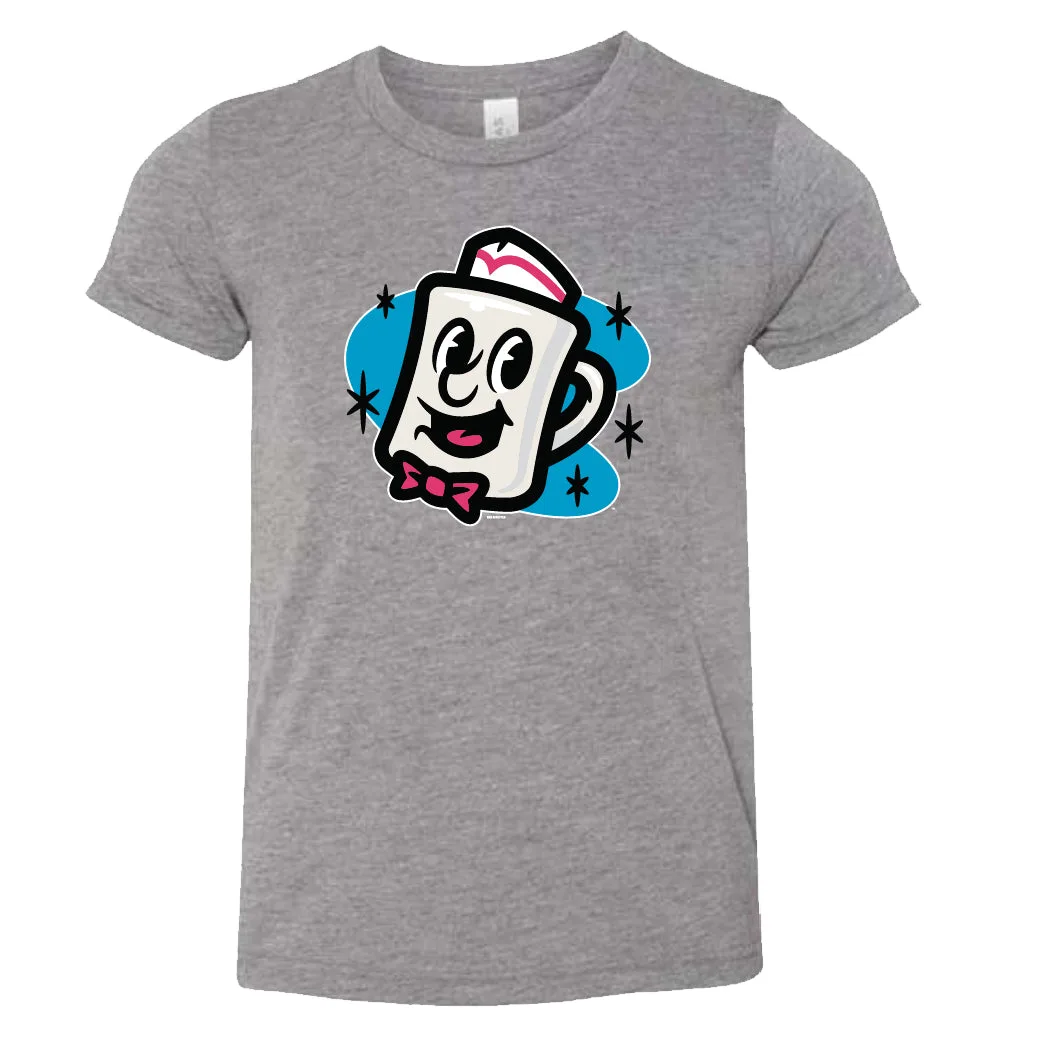
Somerset Patriots Youth Athletic Grey Triblend Jersey Diners Coffee Mug T-shirt
- Avoid 100% cotton socks for vigorous exercise.
- Look for blends that include at least 50% synthetic fibers for better moisture control.
Cushioning and Thickness
Cushioning affects both comfort and fit. Running socks often have extra cushioning in the heel and forefoot to absorb impact, while hiking socks may have thicker cushioning for protection. Thinner socks provide a closer feel and are ideal for sports that require agility and sensitivity, like soccer or golf. The right thickness depends on your activity and the fit of your shoes.
If you're wearing snug-fitting athletic shoes, a thinner sock may be more appropriate. For activities with repetitive impact, choose a sock with moderate to high cushioning. Remember, too much cushioning can make your shoes feel tight, so consider your shoe fit when choosing sock thickness.
- Match sock thickness to your shoe fit—thick socks may require shoes with more room.
- For running, select socks with targeted cushioning in high-impact zones.
Fit and Length
The fit of your athletic socks is just as important as their material. Socks that are too loose can bunch up and cause blisters, while those that are too tight can restrict circulation. Look for socks with a snug but comfortable fit, with a heel that stays in place and no excess fabric around the toes. Many performance socks feature a left/right specific design or an anatomical fit for better comfort.
Length is also a consideration: no-show and ankle socks are popular for running and gym workouts, while crew-length socks offer more protection and are common for sports like soccer or hiking. Choose a length that suits your activity and personal preference.
- Ensure the sock's heel aligns with your foot's heel to prevent slipping.
- Try socks with the shoes you plan to wear to check for proper fit.
Decision Rules for Choosing Athletic Socks
- Identify your primary activity: Running, hiking, team sports, and gym workouts each have specific sock needs. Running demands moisture-wicking and cushioning; hiking requires thicker, more protective socks; team sports often need a balance of support and flexibility. Choose socks designed for your main sport.
- Evaluate material composition: Look for synthetic fibers like polyester, nylon, or blends that wick moisture. Avoid 100% cotton for intense activities. Blends with cotton can be comfortable for casual wear but may not perform well under heavy sweat. Opt for at least 50% synthetic content for active use.
- Consider cushioning and thickness: Match cushioning to impact level. High-impact activities need more cushioning, while precision sports benefit from thinner socks. Ensure the sock thickness fits your shoes comfortably. Test socks with your athletic shoes to ensure proper fit.
- Check fit and features: A snug fit without tightness, a secure heel, and seamless toes prevent blisters. Additional features like arch support and ventilation enhance comfort. Prioritize fit and comfort features over style.
Related Gear to Consider
- Somerset Patriots Youth Athletic Grey Triblend Jersey Diners Coffee Mug T-shirt: Garment Material: 3.8 oz. 50/25/25 polyester/cotton/rayon The same triblend concept applies to socks: a polyester blend offers moisture-wicking and durability, making it a good choice for active wear.
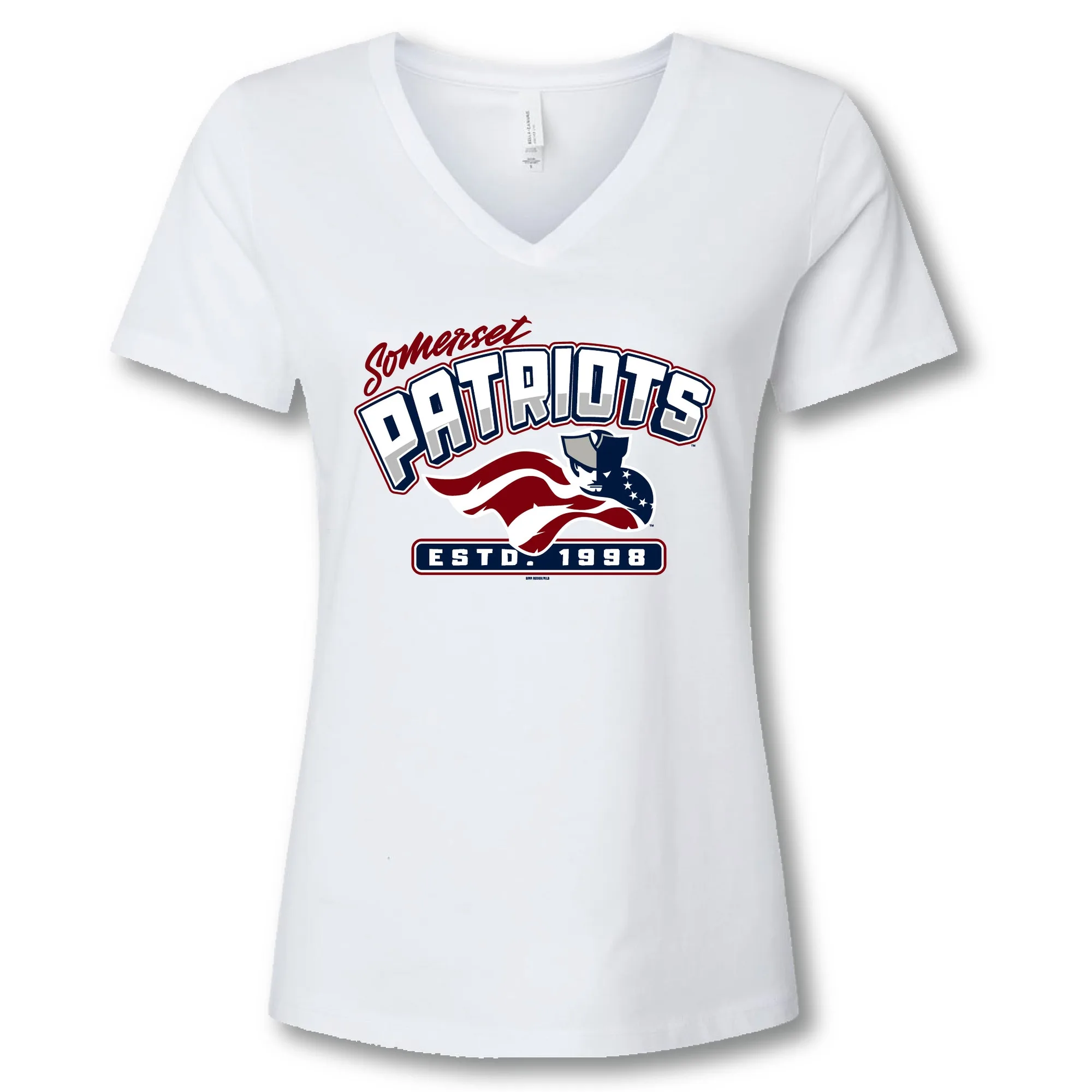
- Somerset Patriots Womens Soft Style CVC Edamame Tee: Material Description: 64001LCVC Soft Style CVC 4.6 oz 60/40 Cotton/Polyester Semi Fitted A-line shape A size up is recommended for a looser fit. Understanding fabric blends and fit guidance is crucial when selecting any athletic apparel, including socks. A cotton-polyester blend in socks provides comfort and some moisture management.
Choosing the Right Socks for You
Best for
- Runners seeking moisture-wicking and cushioning
- Gym-goers who need breathable, snug-fitting socks
- Hikers requiring thick, protective socks
Not for
- Casual wear where cotton comfort is preferred
- Formal occasions where dress socks are appropriate
Choosing the right athletic socks comes down to matching material, cushioning, and fit to your specific activity. By following these decision rules, you can avoid common foot problems and enhance your performance. Remember to prioritize function over style and try socks with your shoes before committing.