Staying hydrated is non-negotiable, whether you're tackling a mountain trail, setting up camp, or just grinding through a workday. But with shelves full of bottles promising the world, how do you pick the one that actually fits your life? The answer isn't the flashiest design or the biggest capacity—it's the bottle that matches your specific needs in material, insulation, and size.
This water bottle buying guide breaks down everything you need to consider, from the science of stainless steel to the practicality of wide-mouth openings. By the end, you'll know exactly what to look for, so your next bottle becomes a trusted companion rather than a dusty shelf ornament.
Why Material Matters: Stainless Steel, Plastic, and Glass
The material of your water bottle determines its weight, durability, and how it affects the taste of your drink. Stainless steel is the gold standard for outdoor enthusiasts because it's tough, doesn't retain flavors, and can handle both hot and cold beverages. It's also more resistant to dents and corrosion compared to aluminum, making it a top choice for rugged adventures.
Plastic bottles are lightweight and affordable, but not all plastics are created equal. Look for BPA-free options like Tritan, which are durable and don't impart a plastic taste. However, plastic can absorb odors over time and isn't ideal for hot liquids. Glass bottles offer pure taste and are easy to clean, but they're heavy and breakable, so they're better for home or office use than for the trail.
- Stainless steel: best for durability and temperature retention
- Plastic (BPA-free): lightweight and budget-friendly
- Glass: pure taste, but fragile and heavy
Insulated vs. Non-Insulated: Which One Do You Need?
If you're planning a long hike in the summer or a winter camping trip, insulation is a game-changer. Insulated bottles, typically double-walled vacuum stainless steel, keep drinks cold for up to 24 hours or hot for 12 hours. This is perfect for when you need ice-cold water after a strenuous climb or a warm beverage on a chilly morning.
Non-insulated bottles are lighter and more compact, making them easier to pack. They're also quicker to cool down or warm up to the ambient temperature, which some prefer for quick hydration. However, if you're in extreme conditions or want your drink to stay at a certain temperature for hours, insulated is the way to go. Consider your typical activities: a daily commuter might not need insulation, but a hiker definitely does.
- Insulated: keeps drinks cold/hot for hours, ideal for outdoor activities
- Non-insulated: lightweight and simple, good for everyday use
Choosing the Right Size and Capacity
Water bottle capacity ranges from small 12-ounce bottles to massive 64-ounce jugs. For hiking, a 20-32 ounce bottle is a sweet spot—it's enough water for a few hours without weighing you down. If you're camping and need to carry water for cooking and drinking, consider a larger bottle or a hydration reservoir. For daily use, a 16-24 ounce bottle fits easily in a backpack or cup holder.
Think about your hydration needs: the general rule is about 0.5-1 ounce of water per pound of body weight per day, but that varies with activity and climate. Also, consider the bottle's shape—a wide-mouth bottle is easier to fill and clean, while a narrow-mouth is better for sipping while moving. Some bottles come with measurement markings, which are handy for tracking intake.
- Hiking: 20-32 oz for balance
- Camping: larger capacity or extra bottles
- Daily: 16-24 oz for portability
Durability and Maintenance: Built to Last
A good water bottle should survive drops, scrapes, and years of use. Stainless steel and thick plastic like Tritan are highly durable, but check for features like a powder-coated finish that resists scratches. The lid is often the weakest point—look for leak-proof designs with silicone gaskets that are easy to replace. Some bottles have interchangeable lids, like the Ti-SAK Scales, which offer versatility for different activities.
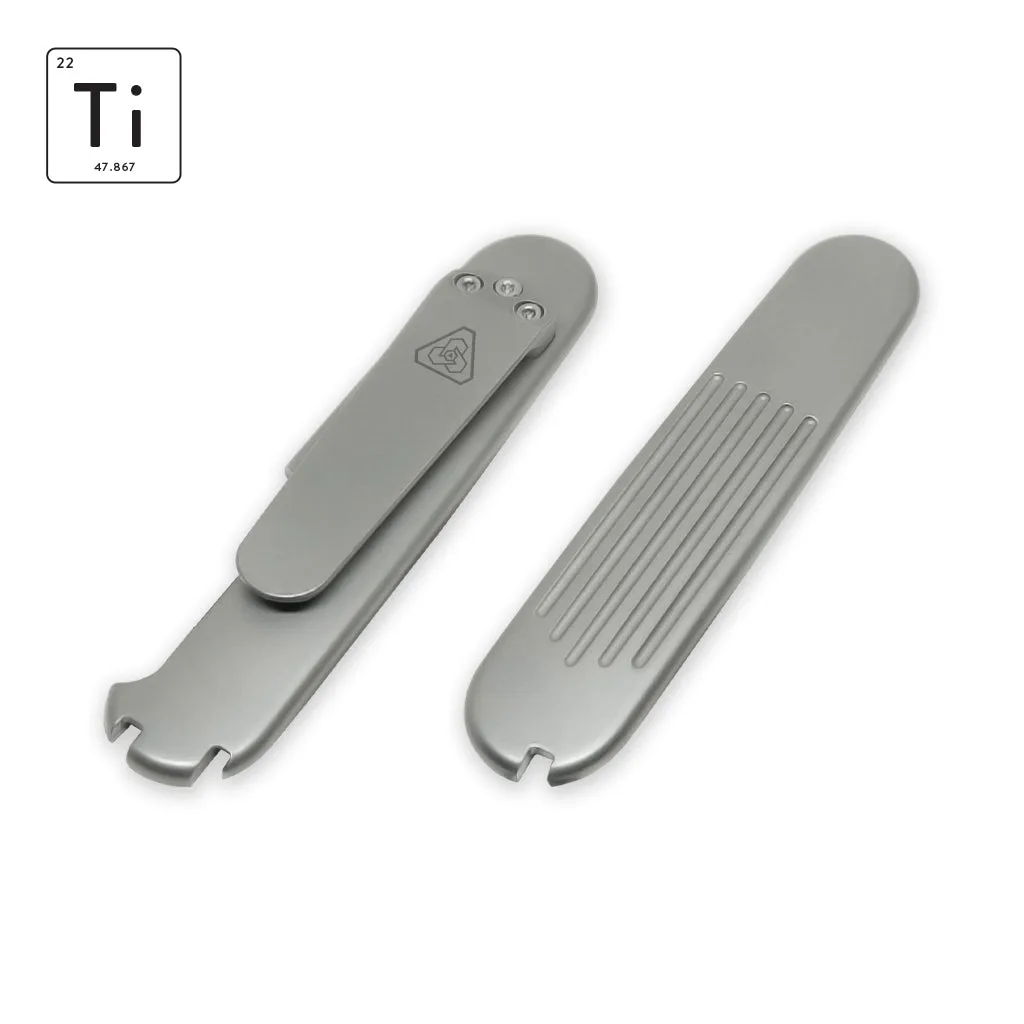
Ti-SAK Scales
Maintenance is crucial: bottles with wide mouths and few crevices are easier to clean, and many are dishwasher-safe. If you use your bottle for coffee or tea, consider one with a wider opening for thorough cleaning. Also, consider accessories like replacement gaskets or cleaning brushes to extend the life of your bottle. A bottle that's easy to care for will become a long-term companion.
- Check for leak-proof lids and replaceable gaskets
- Wide-mouth designs are easier to clean
- Powder-coated finishes resist scratches
Special Features: Filters, Infusers, and More
Some water bottles come with built-in filters, which are great for hiking where you might need to refill from streams. Infuser bottles allow you to add fruits or herbs for flavor without seeds getting in your drink. Other features include carabiner clips, paracord handles, or even built-in storage compartments. Think about what extras would genuinely enhance your experience.
For example, the PDW A6 Pocket Field Notebook is a great companion for tracking your hydration, but that's a different kind of gear. For bottles, features like a straw lid for easy sipping while driving or a wide-mouth for ice cubes can make a big difference. Don't pay for gimmicks—choose features that solve a real problem for you.
- Filters: essential for backcountry water
- Infusers: add natural flavors
- Straw lids: convenient for on-the-go
Choosing the right water bottle is about matching the bottle to your lifestyle. Whether you need an insulated steel bottle for long hikes or a lightweight plastic one for the gym, prioritize material, insulation, size, and durability. With the right bottle, you'll stay hydrated and happy on every adventure. Explore our collection of water bottles and accessories to find your perfect match.