Quick Answer
Choose wheel diameter first, then width, then offset. Match the wheel to the tire you plan to run and to the clearance your vehicle actually has. If you are unsure, stay with a diameter and width close to stock and change offset only slightly. That approach keeps gearing, speedometer readings, and suspension geometry predictable while you decide what you really need.
Wheel size is not one number. It is a combination of diameter, width, and offset, and each one changes how your vehicle drives. The right combination depends on your tire choice, your suspension, and how you use the vehicle. A wheel that looks right in a photo can rub, change your gearing, or push your tires outside the fenders.
This guide walks through the decisions in the order that matters. You will match diameter to your tire and use case, pick width based on the tire's measured width, and set offset to clear suspension and bodywork. The goal is a setup you can live with on the road and off it, not just one that fits in the driveway.
Start With Diameter, Not Looks
Wheel diameter is the measurement from bead seat to bead seat, and it must match your tire's inner diameter exactly. A 17-inch tire only fits a 17-inch wheel. Beyond that basic match, diameter changes how much sidewall you have. More sidewall absorbs impacts and gives you more room to air down. Less sidewall sharpens steering response and fits larger brake packages.
For most trucks and SUVs that see dirt, a 17-inch wheel is a common choice because it leaves enough sidewall for a 33- to 35-inch tire. If your vehicle came with 18- or 20-inch wheels, moving down a size can improve ride quality off-road but may not clear a big brake caliper. Measure before you commit.
- Match wheel diameter to the tire's stated inner diameter, always.
- More sidewall equals better impact absorption and more air-down range.
- Check brake caliper clearance before dropping to a smaller diameter.
Pick Width Based on the Tire, Not the Wheel
Wheel width is measured between the bead seats, not across the outer lips. Tire makers publish a recommended rim width range for every tire size. Stay inside that range. A tire mounted on a rim that is too narrow can crown in the center and wear unevenly. A rim that is too wide can stretch the sidewall and reduce protection for the wheel lip.
For a typical 35-inch off-road tire, a 17x8.5 or 17x9 wheel sits in the sweet spot for many applications. Wider wheels suit wide, low-profile setups and some sand or desert builds. Narrower wheels hold a bead better at low pressure and keep the tire tucked under the fenders.
- Use the tire maker's recommended rim width range as your hard limit.
- A 17x8.5 or 17x9 is a common pairing for 33- to 35-inch tires.
- Narrower wheels help keep tires inside the fenders and hold beads at low pressure.
Set Offset to Clear Suspension and Bodywork
Offset is the distance from the wheel's mounting face to its centerline. It determines how far the wheel sits in or out. Too much positive offset and the tire may contact suspension or inner fender liners. Too much negative offset and the tire may contact the fender lip or stick out past legal coverage.
Change offset in small steps and check clearance at full steering lock and full suspension compression. If you change offset significantly, expect to adjust your alignment and possibly add fender clearance. Offset also affects scrub radius, which changes steering feel and bearing load.
- Check clearance at full lock and full compression, not just at ride height.
- Large offset changes usually require an alignment check.
- Keep tires within your local fender coverage rules.
Bolt Pattern and Load Rating Are Non-Negotiable
Bolt pattern must match your vehicle's hub exactly. No adapter should be used to fix a mismatch unless you understand the added stress and legal implications. Load rating must meet or exceed your vehicle's gross axle weight rating, especially on trucks that tow or carry a camper.
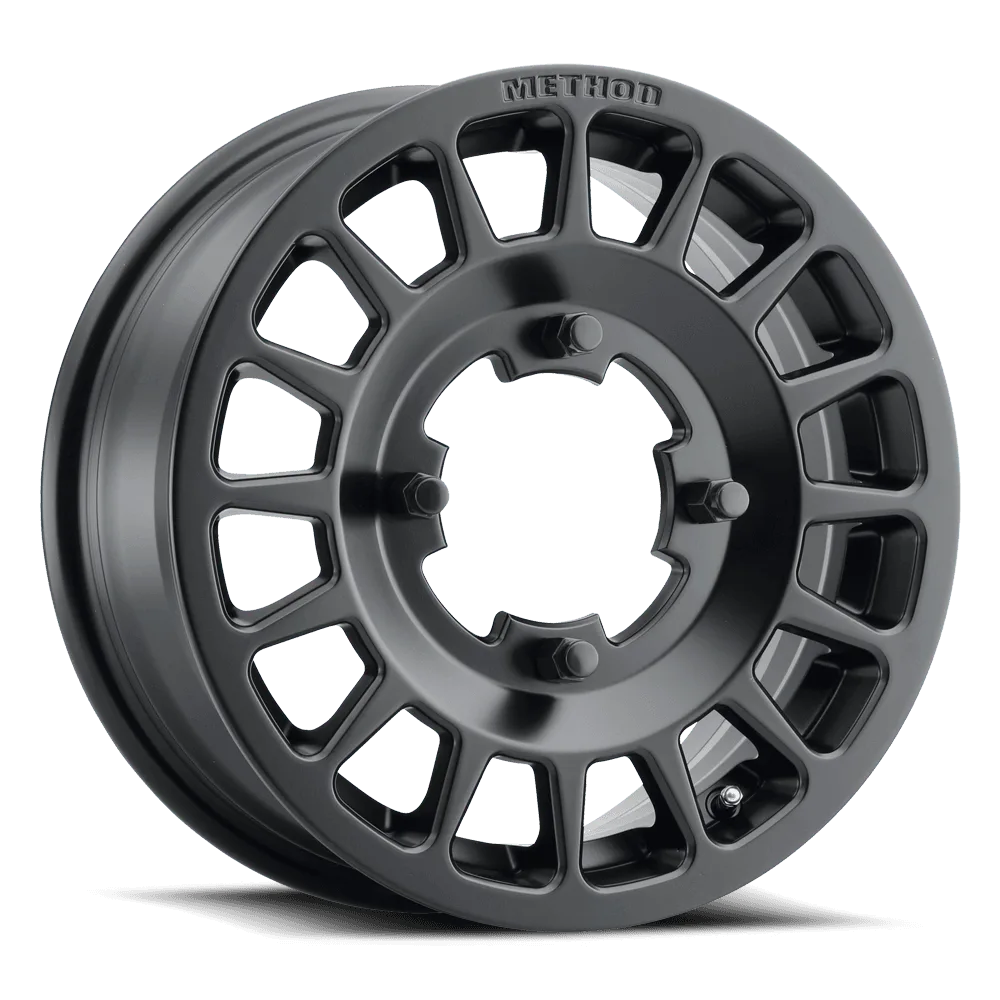
For UTVs, load ratings and weight matter just as much because these machines are light and sensitive to unsprung mass. A lighter wheel can improve acceleration and handling. The Method 407 UTV Bead Grip wheel, for example, was designed with a cut hub to reduce unnecessary material while exceeding OEM load ratings.
- Match bolt pattern exactly; avoid adapters unless you have no other option.
- Choose a load rating at or above your vehicle's axle rating.
- On UTVs, lower wheel weight can improve acceleration and handling.
How Tire Size and Gearing Interact
A larger overall tire diameter raises your effective gearing. That can cost acceleration and cause your speedometer and odometer to read low. If you go up more than a couple of inches in tire diameter, plan for a gear change or a calibration device. Otherwise you may find the vehicle feels sluggish and shifts at the wrong points.
Wheel diameter alone does not change overall tire diameter. A 17-inch wheel with a 35-inch tire has the same overall height as an 18-inch wheel with a 35-inch tire. What changes is sidewall height, weight, and brake clearance. Keep that distinction clear when you compare options.
- Overall tire diameter, not wheel diameter, affects gearing.
- Regear or recalibrate if you increase tire diameter significantly.
- Larger wheels with the same tire size mean less sidewall, not a taller tire.
UTV Wheel Sizing Works Differently
UTVs often use a smaller wheel diameter and a different bolt pattern than trucks. Front and rear widths can differ, and offset is often described as spacing. A UTV wheel and tire package can simplify the process because the wheel, tire, and hardware are matched before shipping.
Weight matters more on a UTV. A heavier wheel and tire combo can dull acceleration and steering response. Look for wheels designed for the load and use case, and confirm the bolt pattern and spacing match your machine before ordering.
- Confirm front and rear widths separately on UTVs.
- Offset is often listed as spacing on UTV wheels.
- A matched package reduces the chance of a fitment surprise.
Center Caps and Small Details
Center caps are cosmetic and protective, but they must match the wheel. Some caps are push-through and work on multiple Standard wheels, while snap-in caps are direct replacements determined by bolt pattern and wheel style. Buying the wrong style is a common and avoidable mistake.
If you are changing the look of a set of wheels, a different cap can do it without new wheels. Check the size and mounting style before ordering, and use the vehicle finder when one is available.
- Push-through and snap-in caps are not interchangeable.
- Snap-in cap fitment depends on bolt pattern and wheel style.
- A cap change is a low-cost way to refresh a wheel's appearance.
Decision Rules for Wheel Size
- If you mostly drive on pavement: Stay close to stock diameter and width. Choose offset within a few millimeters of stock to preserve ride, steering feel, and tire wear. Prioritize fitment and comfort over appearance.
- If you drive trails and fire roads: A 17-inch wheel with a 33- to 35-inch tire and a width in the tire maker's recommended range gives a good balance of sidewall and clearance. More sidewall helps when you air down.
- If you tow or carry heavy loads: Confirm the wheel load rating meets or exceeds your vehicle's gross axle weight rating before anything else. Do not trade load capacity for looks. Load rating is a safety limit, not a suggestion.
- If you run a UTV: Check front and rear widths, bolt pattern, and spacing separately. Consider a matched wheel and tire package to avoid mismatched parts. Weight savings matter more on lighter machines.
- If you are unsure about offset: Change offset in small steps and test clearance at full steering lock and full suspension compression before committing. Measure twice, order once.
Product Facts That Help You Decide
- 407 | UTV Bead Grip® | Matte Black: The 407 Bead Grip UTV wheel was developed for cross country rallies and desert races. Its hub was cut to reduce unnecessary material, and it has load ratings that exceed OEM and competitor wheels while being equal or lower in weight. If you race or ride a UTV hard, a lighter wheel with a high load rating can improve acceleration, handling, and fuel efficiency without giving up strength.
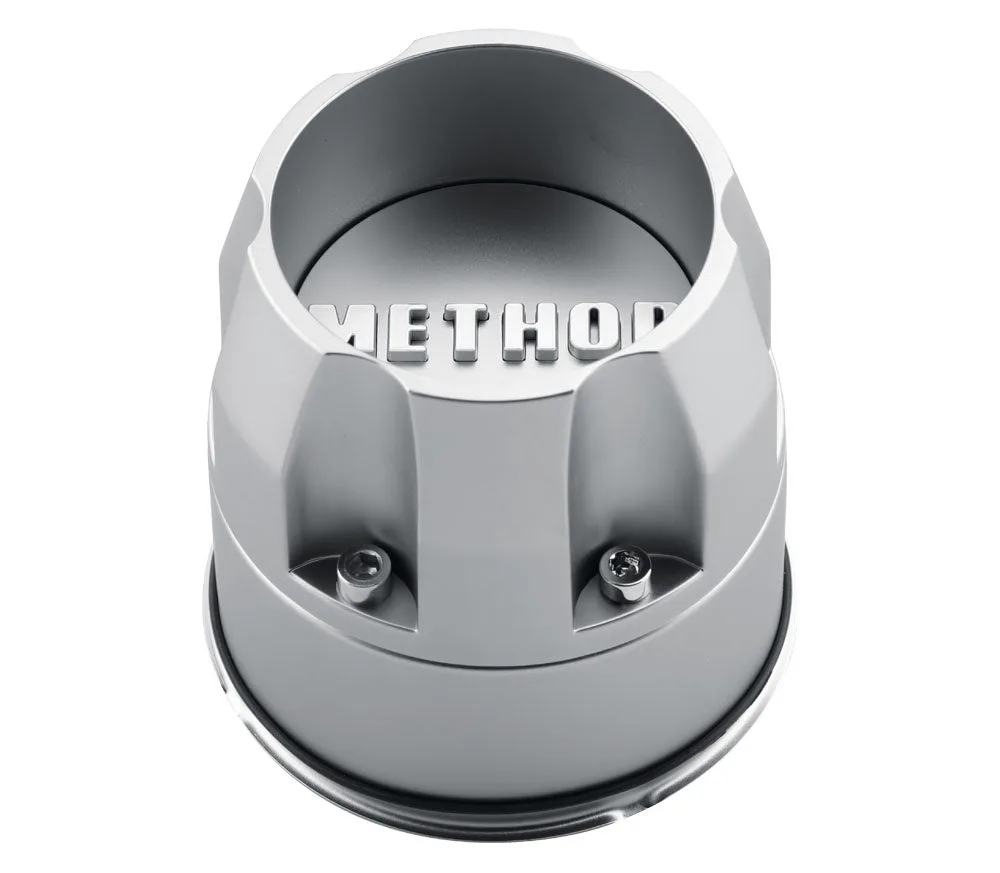
- Center Cap | Push Through | Brushed: This push-through center cap changes the look of select Method Standard wheels and works on numerous other Standard wheels. If you want a different look without buying new wheels, a compatible push-through cap is a simple, low-cost change. Confirm it fits your wheel style first.
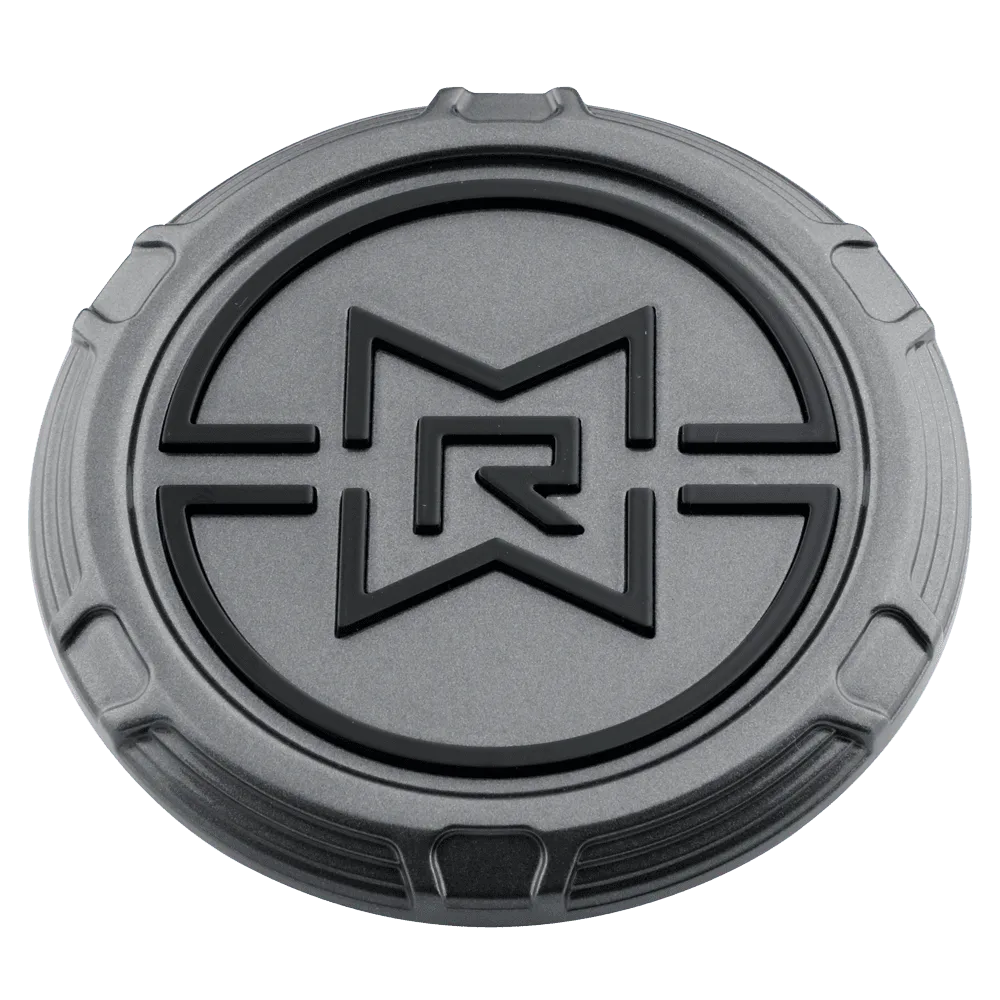
- Center Cap | RAISED® MRW Snap-In | Gloss Titanium: The RAISED MRW Snap-In cap is a single-unit direct replacement for the OE cap. The proper cap is determined by both bolt pattern and wheel style, and 8-lug fitments are available in three options. Snap-in caps are not universal. Matching bolt pattern and wheel style prevents a return and ensures the cap seats correctly.
Who This Wheel Size Approach Is For
Best for
- Drivers who want a practical, low-risk wheel and tire setup for a truck, Jeep, or SUV
- UTV owners who need to match wheel size, bolt pattern, and spacing to their machine
- Buyers who want to understand diameter, width, and offset before ordering
Not for
- Builders who already know their exact fitment and only need a specific part number
- Anyone looking for a stance-only setup with no regard for clearance or load rating
- Vehicles with custom suspension or brake conversions that require professional measurement
Wheel size comes down to three decisions: diameter to match your tire, width to match the tire's recommended range, and offset to clear your suspension and bodywork. Get those right and the rest, including center caps and appearance, is easy. Measure your vehicle, check your load rating, and choose a wheel that fits how you actually drive.