Thin or Fleece Lined: Which Thermal Tights Keep You Warmest?
When the temperature drops, thermal tights are a wardrobe essential. The main decision you face is thickness: a thin version offers light warmth and a sleeker look, while a fleece-lined version provides extra insulation for colder days. Pelie's Thermal Tights come in both options, so your choice depends on how much warmth you need and the activities you have planned.
Pelie Thermal Tights at a Glance
-
Thermal Tights Polar Fleece Lined: Available in a thin version and a polar fleece-lined version for extra warmth. This lets you choose the level of insulation based on the weather and how long you'll be outside.
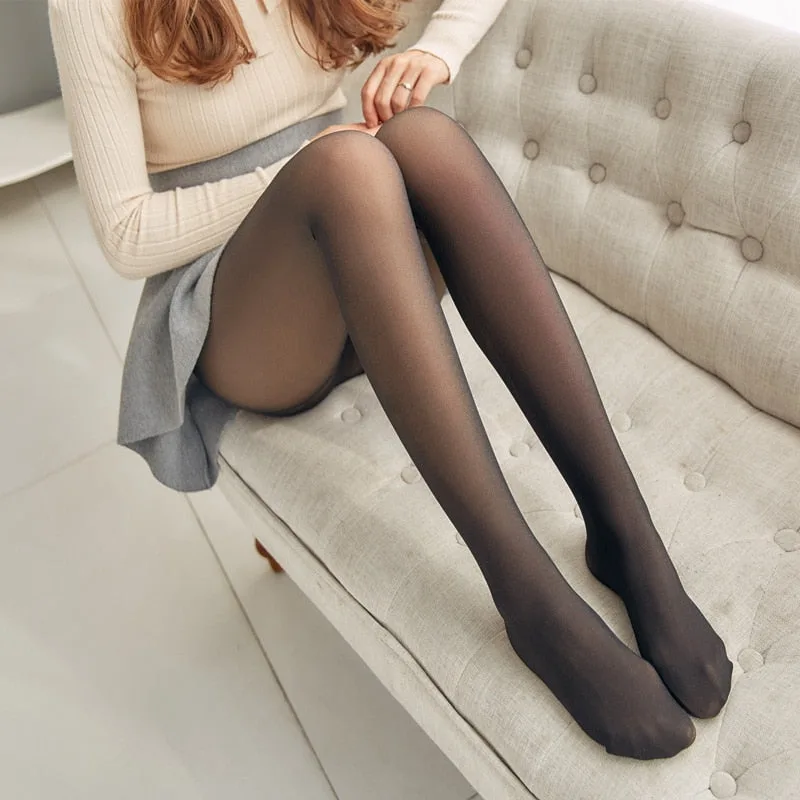
Thermal Tights Polar Fleece Lined
-
Thermal Tights Polar Fleece Lined: Comes in 5 color options: Black, Brown, Gray, Black 2, and Nude. You can match them with your winter wardrobe, from dark neutrals to skin tones for a seamless look.
When to Choose Thin vs. Fleece Lined
Thin thermal tights work well for mild winter days, layering under trousers, or indoor events where you want a bit of warmth without bulk. They offer a smoother silhouette under skirts and dresses. Fleece-lined tights are better for outdoor activities like walking, commuting, or standing at outdoor markets, where the added insulation makes a noticeable difference in comfort. Consider your local climate and how much time you spend outside to decide.
Key Considerations for Your Purchase
- Warmth needs: If you run cold or live in a region with harsh winters, the fleece-lined version is likely the better choice. For milder cold or indoor wear, thin tights may suffice.
- Color and outfit pairing: With 5 colors available, you can choose a shade that blends with your boots or shoes (like black or brown) or a nude tone for a bare-leg look.
- Versatility: Thin tights can be worn across seasons, while fleece-lined tights are best reserved for colder months. Think about how often you'll use them.
Making Your Choice
To choose the right thermal tights, start by assessing your typical winter activities and cold exposure. For all-day outdoor wear, go with the polar fleece-lined version. For occasional warmth or layering, the thin version is a practical, year-round staple. Both options offer the same color range, so your final decision rests on how much insulation you truly need.