What Makes Toric Lenses Different
Toric contact lenses are designed specifically for astigmatism, a condition where the cornea or lens is shaped more like a football than a sphere. Unlike standard spherical lenses, toric lenses have different powers in different meridians to correct the uneven curvature. They also include a stabilisation feature—often a thin zone or prism ballast—to keep the lens oriented correctly on the eye. This means fit and rotation are critical: a toric lens that rotates out of position won't give you clear vision.
When you're choosing toric lenses, you're not just picking a colour or a brand. You need a lens that matches your prescription, base curve, and diameter, and that stays stable during blinking and eye movement. Many toric lenses are available in custom designs, which can be especially helpful if your astigmatism is more pronounced or if standard toric options don't fit well.
Key Factors to Consider
Prescription accuracy is the first checkpoint. Your optometrist will provide a prescription that includes sphere (power), cylinder (amount of astigmatism), and axis (orientation). Toric lenses must match all three numbers. If your cylinder is above -0.75, you'll almost certainly need toric lenses rather than spherical ones.
Base curve and diameter affect how the lens sits on your eye. A poor base curve can cause the lens to move too much or feel uncomfortable. The diameter influences coverage and, for coloured toric lenses, how much of your natural iris is covered. For example, NEO Vision's Extra Dali series has a graphic diameter only 0.3 mm larger than the regular Dali, but that small increase creates a noticeable enlargement effect without looking unnatural.
Stabilisation design varies by brand. Some use a thin zone (a thin area at the top and bottom), others use a prism ballast (a thicker bottom edge). Both work, but your eye's natural blink pattern and lid pressure can affect which type stays put. Your eye care professional can help you test the fit.
NEO Vision Toric Options at a Glance
-
NEO Vision Extra Dali Grey (Custom Toric for Astigmatism): NEO Vision Extra Dali Grey Circle Lenses for Astigmatism feature a brown limbal ring that blends into dark eyes, with a light grey inner splash for a contouring effect. They are a yearly wear lens sold as a pair. If you want a dramatic enlargement effect with a natural blend, this custom toric lens gives you both correction and a cosmetic upgrade. The yearly wear cycle also makes it cost-effective.
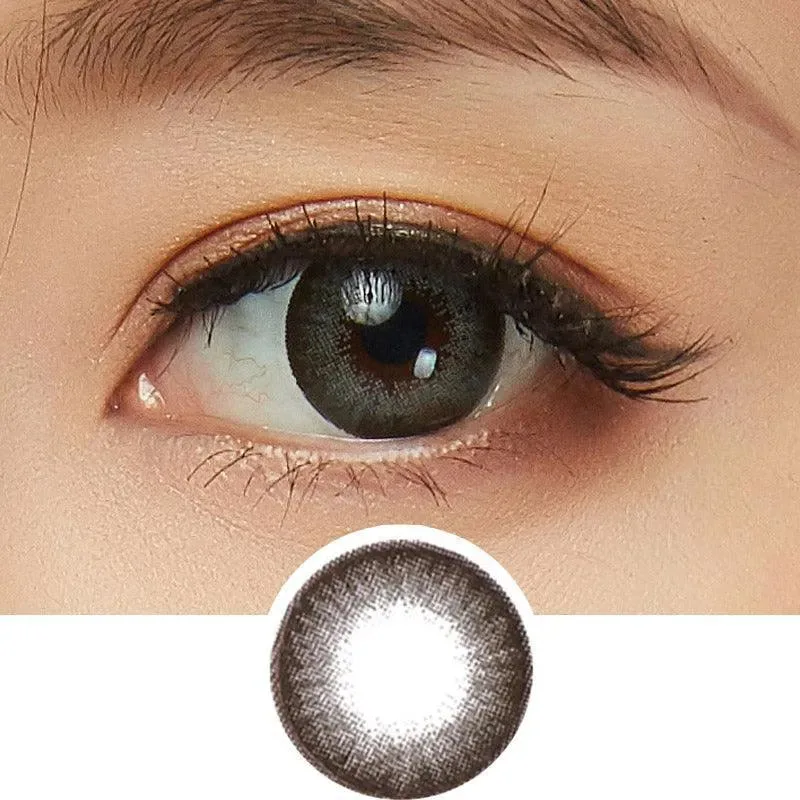
NEO Vision Extra Dali Grey (Custom Toric for Astigmatism)
-
NEO Vision Ruby Queen Brown (Custom Toric for Astigmatism): NEO Vision Ruby Queen Brown Prescription Colored Contacts for Astigmatism have a multi-faceted diamond-inspired cut and a topaz shade that complements light makeup. For a sophisticated, sparkly look that still corrects astigmatism, this lens offers a unique aesthetic without sacrificing vision quality.
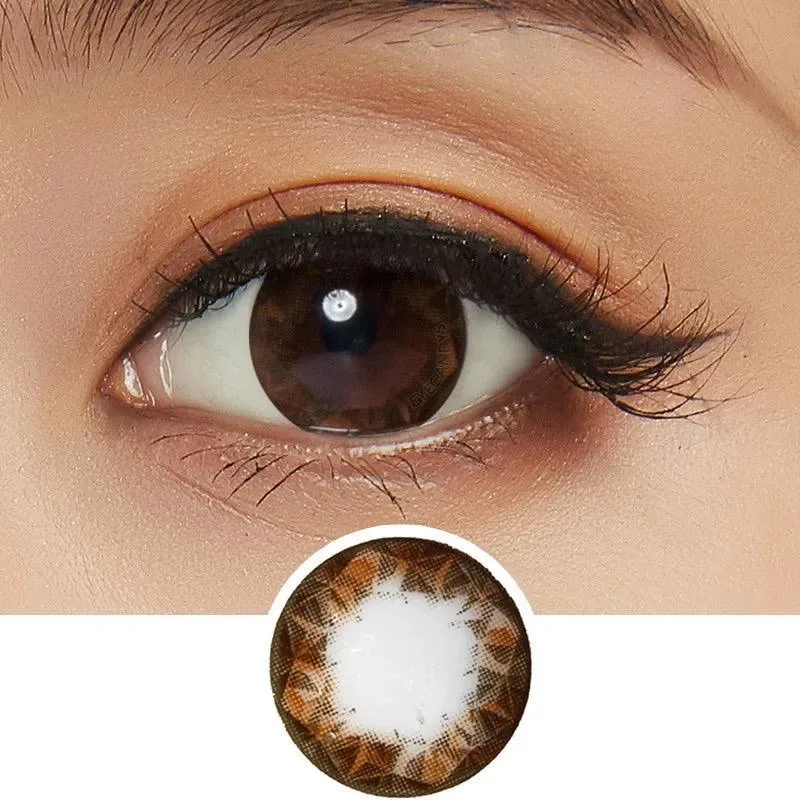
NEO Vision Ruby Queen Brown (Custom Toric for Astigmatism)
-
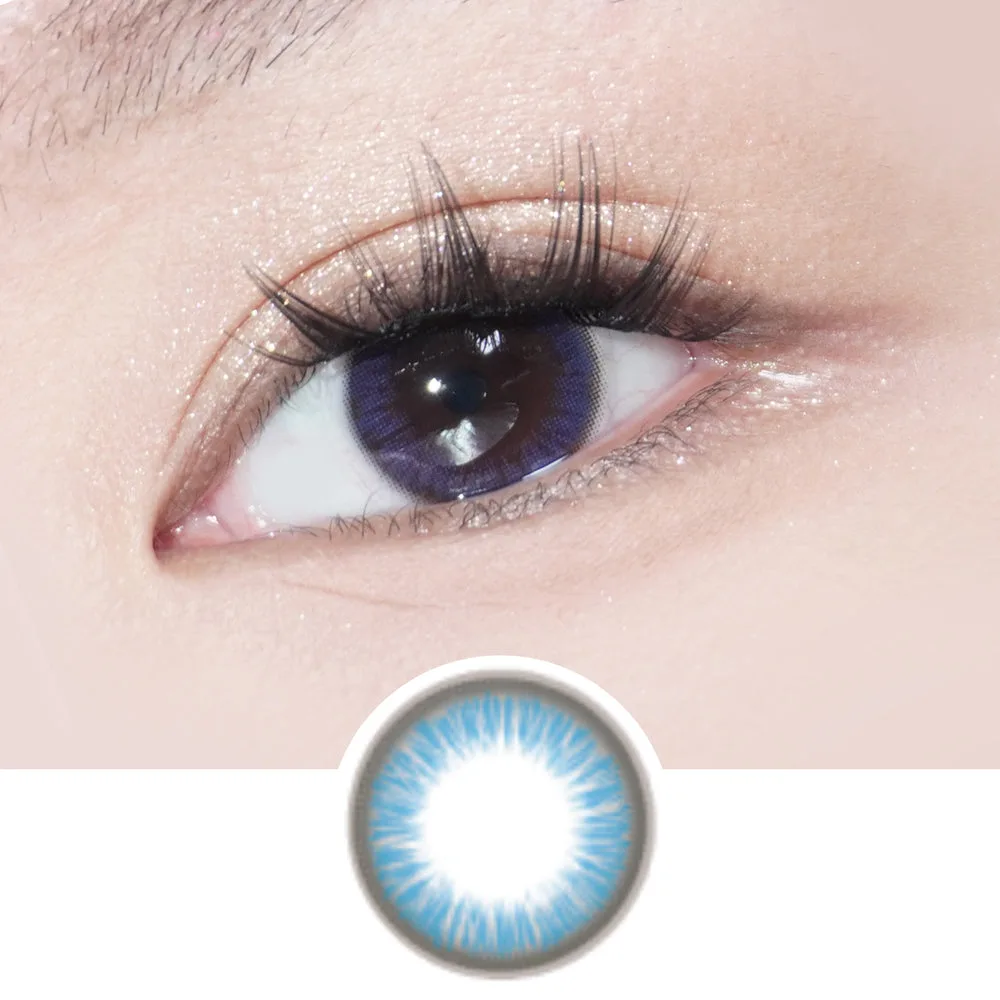
NEO Vision Monet Blue (Custom Toric for Astigmatism): NEO Vision Monet Blue Circle Lenses for Astigmatism have a 2mm thick dark grey limbal ring that adds definition with a subtle blue tint, aiming for a 100% natural look. If you prefer a subtle, everyday enhancement that still corrects astigmatism, this lens provides a natural definition without being flashy.
How to Choose Your Toric Lenses Step by Step
Follow these steps to narrow down your options and find a toric lens that fits your eyes and your lifestyle.
- 1. Get a current toric prescription: Visit your eye doctor for a comprehensive exam and a contact lens fitting. Your prescription must include sphere, cylinder, axis, base curve, and diameter. Never order toric lenses without an up-to-date prescription.
- 2. Decide on wear schedule and material: Toric lenses come in daily, bi-weekly, monthly, and yearly disposables. Yearly lenses, like the NEO Vision toric options, are budget-friendly if you wear them consistently, but require diligent cleaning and storage. Daily disposables are more hygienic but cost more per day.
- 3. Consider cosmetic features: If you want coloured toric lenses, look at the design and limbal ring. A thicker ring (like the 2mm ring on Monet Blue) adds definition; a blended ring (like Extra Dali's brown ring) creates a natural enlargement. Choose a shade that complements your skin tone and makeup style.
- 4. Check stabilisation and comfort: Ask your eye doctor about the stabilisation method used in the lenses you're considering. Some people find prism ballast more comfortable; others prefer thin zone. You may need to try a couple of brands to see which stays in place best.
- 5. Order a trial pair: Once you've selected a lens, order a single pair to test. Wear them for a few days to assess comfort, vision clarity, and how well they stay oriented. If they rotate or feel uncomfortable, try a different design or brand.
Care and Hygiene for Toric Lenses
Toric lenses require the same hygiene as any contact lens, but because they are often thicker or have a stabilisation feature, they can trap debris more easily. Always wash your hands before handling lenses, use fresh solution each time, and clean the lens case regularly. For yearly toric lenses, the manufacturer recommends replacing them every six months if worn consistently for optimal hygiene. Carry lubricating eye drops and a lens case with you, especially when wearing coloured toric lenses, as they can sometimes feel drier than clear lenses.
Never sleep in toric lenses unless they are specifically approved for overnight wear. The stabilisation design can increase the risk of corneal complications if the lens is not removed as directed.
When Custom Toric Lenses Make Sense
Custom toric lenses, like the NEO Vision toric options, are designed for astigmatism that doesn't fit standard parameters. They are also useful if you have a high cylinder (over -2.00) or an unusual axis. Custom lenses may take longer to order and cost more, but they provide a precise fit that standard toric lenses cannot. If you've tried standard toric lenses and they rotate or feel uncomfortable, a custom design might be the solution. Always discuss custom options with your eye care professional to ensure they are appropriate for your eyes.