Quick Answer
For bathroom vanities, mount sconces at eye level (about 60–66 inches from the floor) and flank the mirror rather than hanging a single fixture above it. For hallways, place wall lights 60–66 inches high and space them 8–10 feet apart so the pools of light overlap. Choose a damp-rated fixture for bathroom zones and a multi-bulb design for wider vanities.
Start With the Room's Job, Not the Style
A bathroom sconce has to light a face for grooming; a hallway sconce has to guide movement and add depth. That difference decides almost everything else. In a bathroom, the light should come from the sides of the mirror at face height so it doesn't cast shadows under the eyes or nose. In a hallway, light is mostly about safe passage and rhythm, so you want fixtures that spread light along the wall rather than a narrow spot aimed at one point.
- Bathroom: prioritize side lighting at face height, damp-rated construction, and enough output for grooming.
- Hallway: prioritize even spacing, wall-washing light, and a fixture depth that won't snag shoulders or bags.
- Dressing table: treat it like a vanity — side lights at eye level beat a single overhead fixture.
Use the Wall Sconce Height Guide Before You Drill
Height is the most common mistake. For a bathroom or dressing table, the center of the fixture should sit at roughly eye level — 60 to 66 inches from the floor — so the light reaches your face, not the top of your head. For a hallway, the same 60–66 inch range works for standing sightlines, but if the hallway is narrow (under 4 feet wide), keep the fixture projection under 7 inches so people don't brush against it.
- Vanity or dressing table: 60–66 inches to fixture center; place sconces 24–36 inches apart if flanking a mirror.
- Hallway: 60–66 inches high, spaced 8–10 feet apart for overlapping light.
- Stairwells: keep the fixture at least 6 feet 8 inches above the tread nose to avoid head contact.
Match the Bulb Count to the Mirror Width
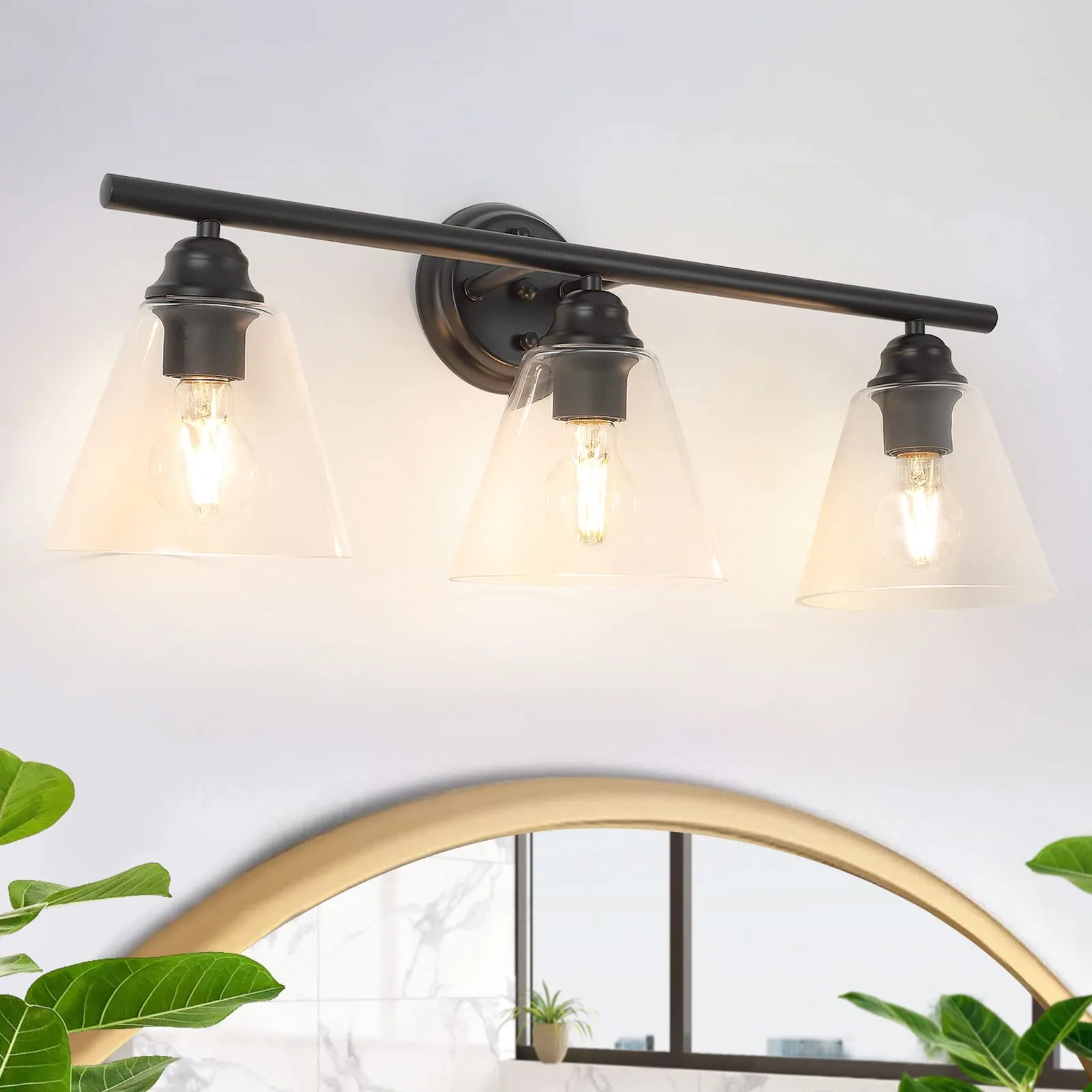
A single-bulb sconce is fine for a small powder room or a narrow hallway, but a wide vanity mirror needs more than one light source. A 3-bulb fixture on each side of a 36–48 inch mirror gives even, shadow-free light. If you only have room for one fixture per side, choose a 3-light design rather than a 1-light. For a hallway, one 2- or 3-bulb fixture every 8–10 feet is usually enough; more bulbs per fixture means fewer fixtures to wire.
- Mirror under 24 inches wide: one 1- or 2-bulb sconce per side is workable.
- Mirror 36–48 inches wide: use 3-bulb sconces on each side.
- Long hallway: fewer fixtures with 3 bulbs each can be cheaper to install than many single-bulb units.
Damp Rating, Shade Material, and Real Trade-Offs
Bathrooms are humid, so a damp-rated fixture is the safe choice for zones near the sink and shower. If the sconce is more than 3 feet from a water source and the room has good ventilation, a dry-rated fixture can work, but you accept more risk of finish wear. Metal shades with glass diffusers, like a black metal wall sconce, handle humidity better than fabric shades and are easier to wipe clean. The trade-off: metal and glass read more industrial or vintage, while fabric adds softness but needs more care.
- Damp-rated: required within 3 feet of a sink, shower, or tub.
- Dry-rated: acceptable farther away in a well-ventilated bathroom, but not ideal.
- Glass or metal shades: easier to clean and more humidity-tolerant than fabric.
Placement Rules for Hallways and Dressing Tables
In a hallway, don't put a single sconce at the dead center of a long wall — it creates a bright spot and dark ends. Instead, treat the wall as a series of bays: measure the length, divide by the number of fixtures you can afford, and center one in each bay. For a dressing table, the goal is symmetrical side lighting. If the table is against a wall with no room for sconces, a clip-on light can work as a temporary or secondary solution, but it won't replace proper wall-mounted side lights for color-accurate makeup.
- Hallway: center a fixture in each bay, not at the midpoint of the whole wall.
- Dressing table: place sconces at eye level on both sides, 24–36 inches apart.
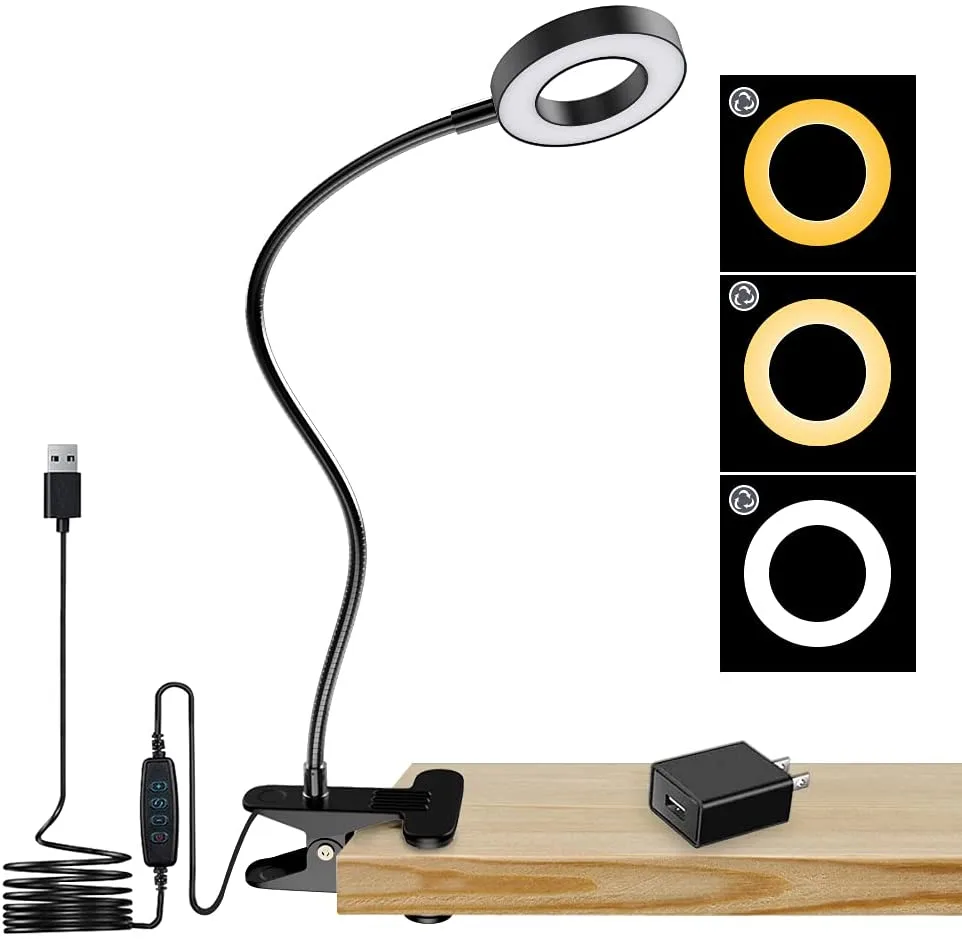
- Renters or dorms: a clip-on lamp can supplement, but wall sconces give better side light.
Decision Rules for Bathroom vs. Hallway Sconces
- If the sconce is within 3 feet of water: Choose a damp-rated fixture with a glass or metal shade. Avoid fabric shades and dry-rated fixtures. Safety and finish durability come before style.
- If the mirror is wider than 36 inches: Use 3-bulb sconces on both sides at eye level (60–66 inches) rather than a single fixture above the mirror. Side lighting prevents shadows for grooming.
- If the hallway is long and narrow: Space fixtures 8–10 feet apart at 60–66 inches high, and keep projection under 7 inches. Overlapping light pools and clearance matter more than fixture count.
- If you can't hardwire a dressing table: Use a clip-on LED as a temporary supplement, but plan for wall sconces if you need color-accurate makeup light. Clip-on lights are a stopgap, not a permanent vanity solution.
Products That Fit These Rules
- DLLT Indoor Vintage Wall Light Bathroom Dressing Table Black with 3 Bulbs Metal Glass Wall Spotlight Retro Lamp for Bathroom Bedroom Hallway Kitchen: 3-light wall sconce with glass lamp shade, adjustable bracket, and vintage taper shape; designed for bathroom, bedroom, hallway, kitchen, and powder room. The 3 bulbs and adjustable bracket make it a strong choice for flanking a bathroom mirror or dressing table where you need side light at face height.
- Depuley DLLT Dimmable Clip-on Reading Light, 48 LED USB Book Lamp, 3 Colors Changeable Night Light Clip on for Desk, Bed, Headboard, Makeup Mirror, Dorm Room, Computer, Piano Lighting, 15 Brightness Levels, Black or Sliver: 6W dimmable LED USB clip-on reading light with 3 color temperatures (warm, natural, cool) and eye-caring, flicker-free design. Useful as a temporary or secondary dressing table light when wall mounting isn't possible, though it won't replace permanent side sconces for grooming.
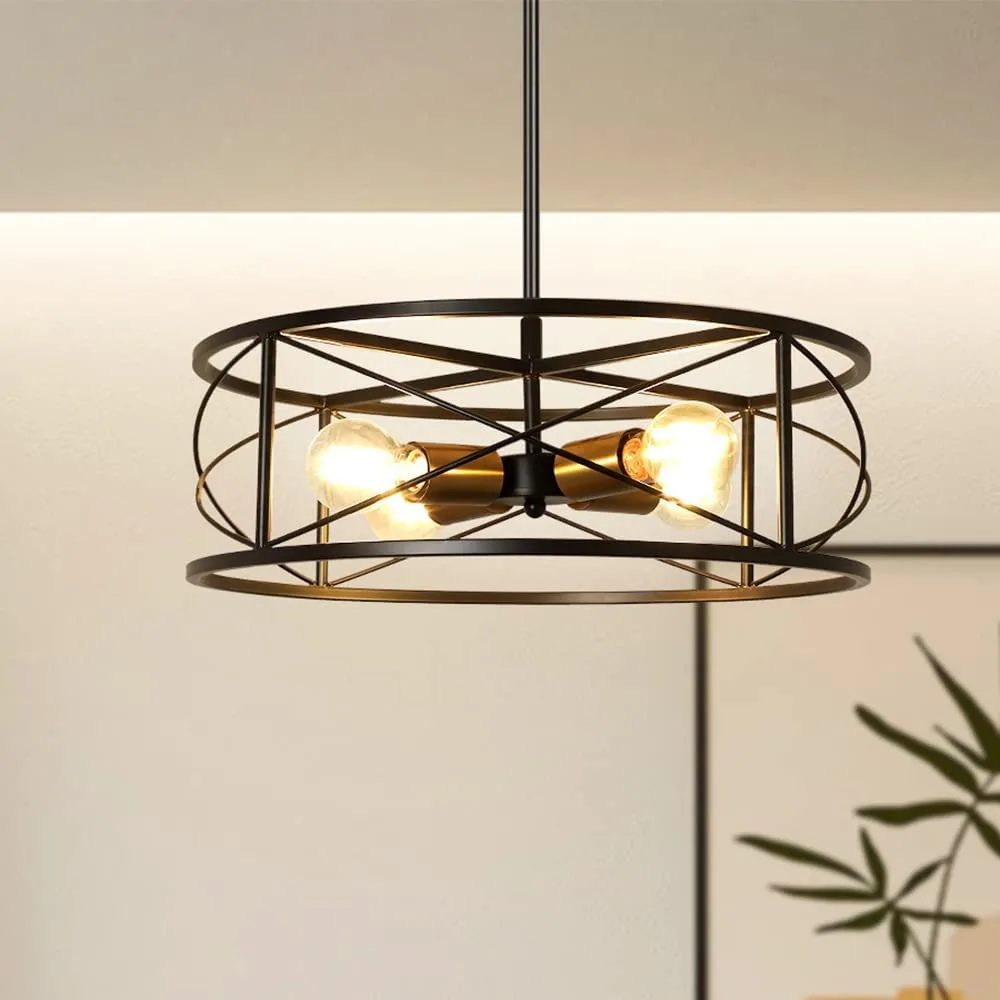
- DLLT 4-Light Black Round Pendant Lighting, 18'' Industrial Metal Drum Cage Chandelier, Farmhouse Hanging Light Fixture for Dining Room, Kitchen, Living Room, Bedroom, Hallway: 4-light black metal pendant with round hollow-out shade and adjustable hanging; suitable for dining room, kitchen, living room, bedroom, hallway. In a hallway with a high ceiling, this can supplement wall sconces and add ambient light, but it doesn't replace the wall-level guidance sconces provide.
Who These Sconce Rules Fit
Best for
- Homeowners updating a bathroom vanity or dressing table who need even, shadow-free side light
- Renters or dorm residents who can use a clip-on light as a temporary supplement
- Anyone choosing a vintage wall spotlight or black metal wall sconce for a hallway or bathroom
Not for
- Bathrooms with no nearby outlet or hardwiring option — consider a battery or plug-in fixture instead
- Hallways under 3 feet wide where any wall projection would block traffic
- Spaces where you need a single central ceiling light rather than wall-mounted side lighting