Quick Answer
For mud terrain use, prioritize a wheel that holds a bead at low pressure, clears mud from the tire sidewall, and resists rock damage. A beadlock wheel is the strongest choice for dedicated mud rigs, while a bead grip wheel suits mixed daily and trail use. Match wheel width to your tire's recommended range and choose an offset that keeps the tire clear of suspension and bodywork.
Mud changes what a wheel needs to do. Instead of prioritizing light weight or a smooth highway ride, you want a wheel that keeps the tire seated when you air down, sheds mud rather than trapping it, and survives impacts from hidden roots and rocks. That shifts the decision away from looks and toward bead retention, width, offset, and material strength.
This guide walks through the choices that actually matter for a mudding wheel setup, from beadlock versus bead grip to width and offset, and explains where each option makes sense. It also covers how to pair off-road wheels for mud with a mud terrain tire without creating clearance or wear problems.
Beadlock vs. Bead Grip vs. Standard: Pick by How You Ride
The single biggest decision is how the tire stays on the wheel at low pressure. A beadlock physically clamps the tire bead between the wheel and a ring, which is the most secure option for very low pressures in deep mud. That security comes with maintenance: beadlock bolts need periodic torque checks and the rings can be damaged on rocks. A bead grip wheel uses a specially shaped bead seat to add retention without a clamping ring, so it needs less upkeep and suits rigs that see street miles between trail days.
A standard wheel is the simplest and lightest option, but it offers the least protection against debeading when you air down aggressively. If you run moderate pressures and mud is only occasional, a standard wheel can work. If you routinely drop to single-digit pressures to float over soupy ground, the retention advantage of a beadlock or bead grip wheel is worth the cost and complexity.
- Choose beadlock if mud is the primary use and you air down hard.
- Choose bead grip if you split time between street and trail.
- Choose standard only if you rarely air down below moderate pressures.
Width: Match the Wheel to the Tire, Not the Other Way Around
Mud terrain tires often run wide, and a wheel that is too narrow pinches the sidewall and reduces the contact patch you paid for. A wheel that is too wide stretches the tire, exposes the sidewall to trail damage, and can make the bead easier to unseat. Start with the tire manufacturer's recommended wheel width range and pick a width in the middle of that range for the most predictable fit.
As a rule, a slightly narrower wheel within the approved range gives the sidewall more bulge, which protects the rim and helps the tire conform to ruts. A slightly wider wheel within range gives a flatter tread face and steadier highway manners. Decide which matters more for your mix of mud and road miles.
- Always check the tire's approved wheel width range before buying.
- Mid-range width is the safest all-around choice.
- Narrower within range favors sidewall protection in ruts.
Offset and Backspacing: Clearance First, Stance Second
Offset determines how far the wheel sits in or out relative to the hub, and it drives both tire clearance and how much stress you put on wheel bearings and ball joints. For mud, you generally want enough positive clearance to keep the tire off suspension components and bodywork at full articulation, without pushing the track width so far out that you overload the front end or fling mud down the side of the truck.
If you are adding a lift or larger tires, measure clearance at full steering lock and full suspension compression before committing to a specific offset. A wheel that fits in the driveway can still rub when the suspension is crossed up in a rut. When in doubt, favor the offset that keeps the tire inside the fender line and clears the suspension, then adjust stance with other parts if needed.
- Check clearance at full lock and full compression, not just at ride height.
- Excessive negative offset adds bearing and ball joint stress.
- Keep tires inside the fender line where local rules require it.
Material, Weight, and Bead Protection Details
Mud trails hide rocks, and a wheel that survives one season of hard use is worth more than one that saves a few pounds. Look at how the wheel handles impact at the outer lip and how the valve stem is positioned. A valve placed between spokes is less likely to be sheared off by branches or debris than one sitting exposed on the rim edge.
Weight matters, but for mud the tradeoff usually favors durability over minimum mass. Heavier wheels can dull acceleration and ride quality slightly, while lighter wheels can be more fragile in rocky mud. Be honest about how hard you actually wheel before chasing the lightest option.
- Protected valve stems reduce trail-side flats.
- Prioritize impact resistance at the outer lip.
- Accept a small weight penalty for durability if you wheel hard.
Pairing Wheels With a Mud Terrain Tire
A mud terrain wheel and tire combo works best when the two are chosen together rather than separately. Confirm the tire's approved wheel width, load rating, and intended rim diameter, then pick a wheel that meets or exceeds the load rating you actually need. If you tow or carry heavy loads, a higher load rating matters more than saving weight.
Buying as a package can simplify fitment because the wheel and tire are matched before shipping, which reduces the chance of a width or offset mismatch. If you buy separately, write down the tire's spec sheet numbers and compare them against the wheel's stated width and offset before ordering.
- Match load ratings between wheel and tire.
- A matched package reduces fitment guesswork.
- Record tire specs before ordering wheels separately.
Decision Rules for a Mudding Wheel Setup
- If you air down below about 10 psi regularly: Choose a beadlock wheel so the tire bead is mechanically clamped and less likely to unseat in deep mud. Accept the periodic bolt torque checks as part of ownership.
- If the rig sees significant street miles: Choose a bead grip wheel for added retention without the maintenance and rotating mass of a beadlock ring. Verify the wheel's load rating covers your towing or payload needs.
- If you are unsure about width: Pick the middle of the tire maker's approved wheel width range rather than the extremes. Confirm the tire's spec sheet before ordering.
- If clearance is tight after a lift or larger tires: Measure at full steering lock and full suspension compression, then adjust offset to clear suspension and bodywork. Avoid pushing the track width out further than needed.
- If you tow or carry heavy loads: Prioritize a wheel and tire combination whose load ratings meet or exceed your actual requirements. Do not trade load capacity for lighter weight.
Product Facts That Matter for Mud
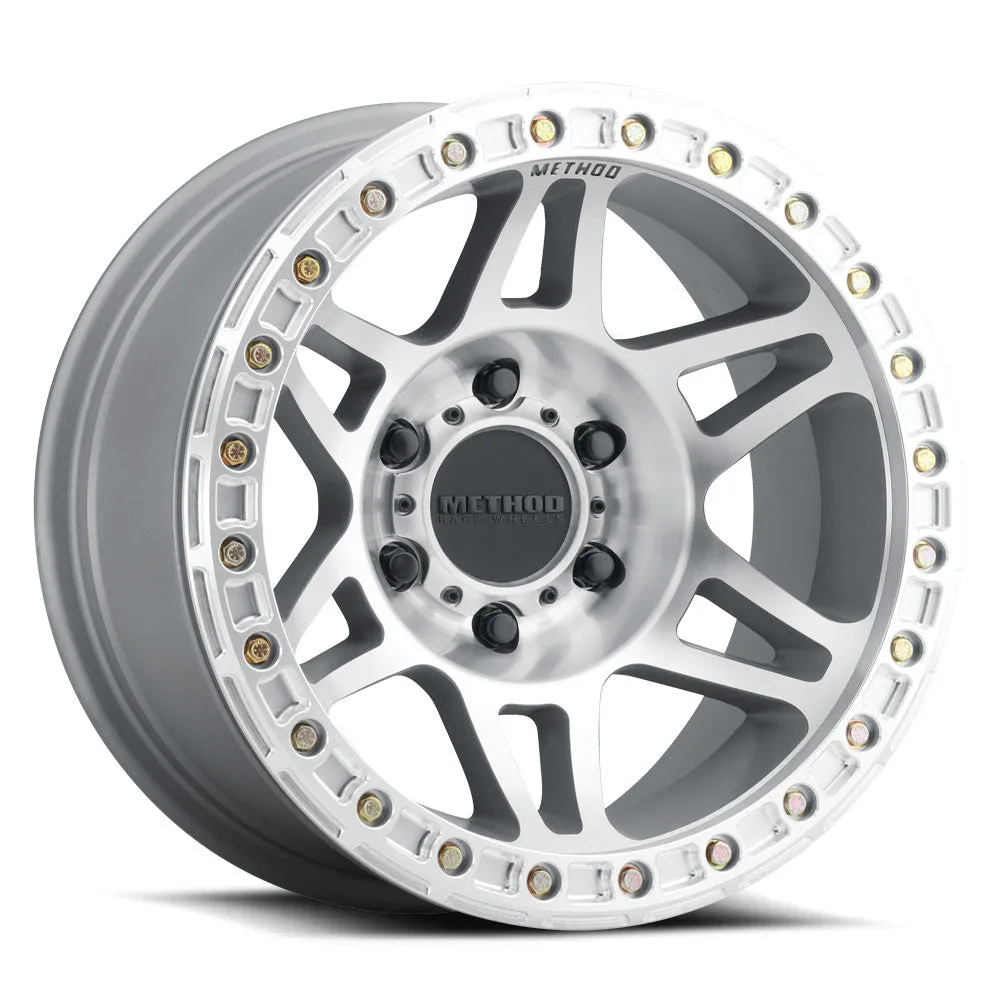
- 106 | Beadlock | Machined: Method Race Wheels 106 Beadlocks are built for wherever your off-road adventure takes you, from technical rock crawls to high-speed desert runs and everything in between. A beadlock design is the strongest retention option when you air down for mud, so this wheel suits dedicated mud and mixed hard-trail use where debeading is a real risk.
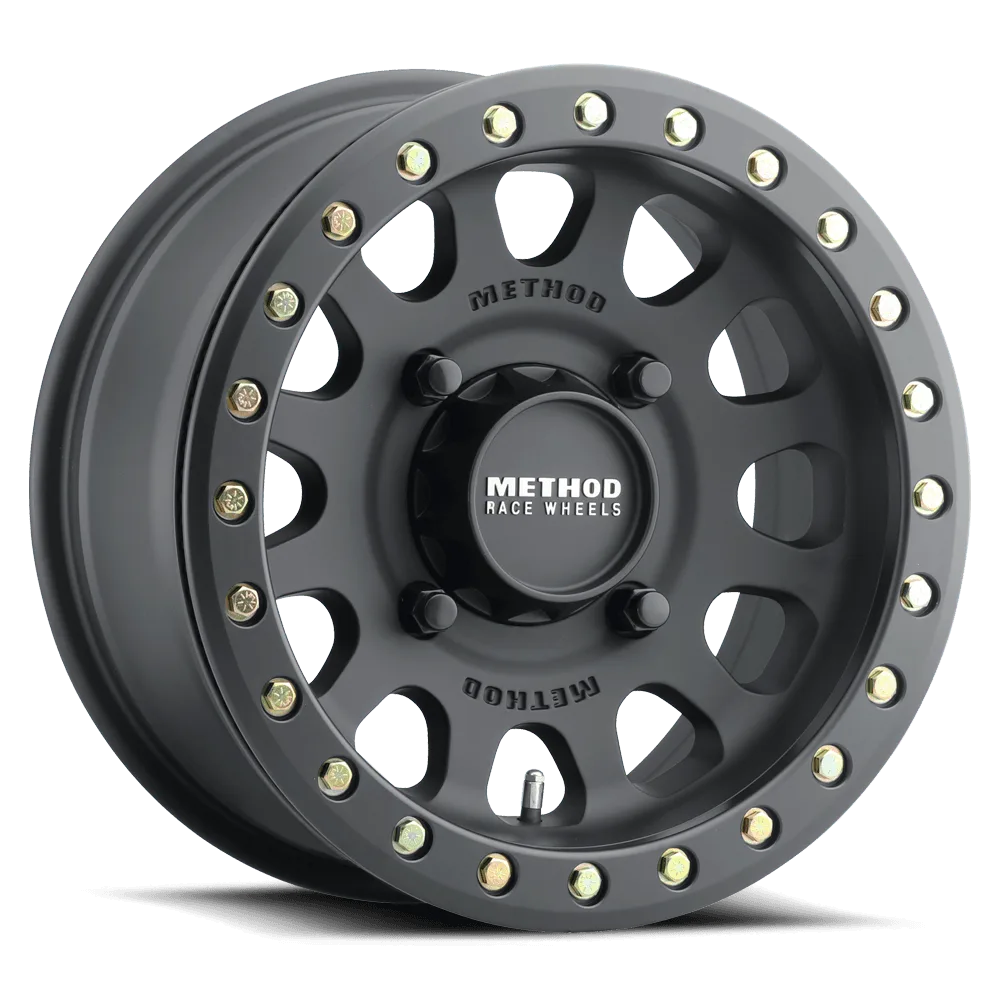
- 401 | UTV Beadlock | Matte Black: The 401 Beadlock UTV wheel was developed for the serious off-road enthusiast and features a push-through center cap with an embossed Method Race Wheels logo. The Schrader valve was strategically placed between wheel spokes for extra protection in harsh riding environments. For UTV mud riders, the protected valve placement reduces the chance of a sheared stem from branches or debris, and the beadlock design helps hold the tire at low pressure.
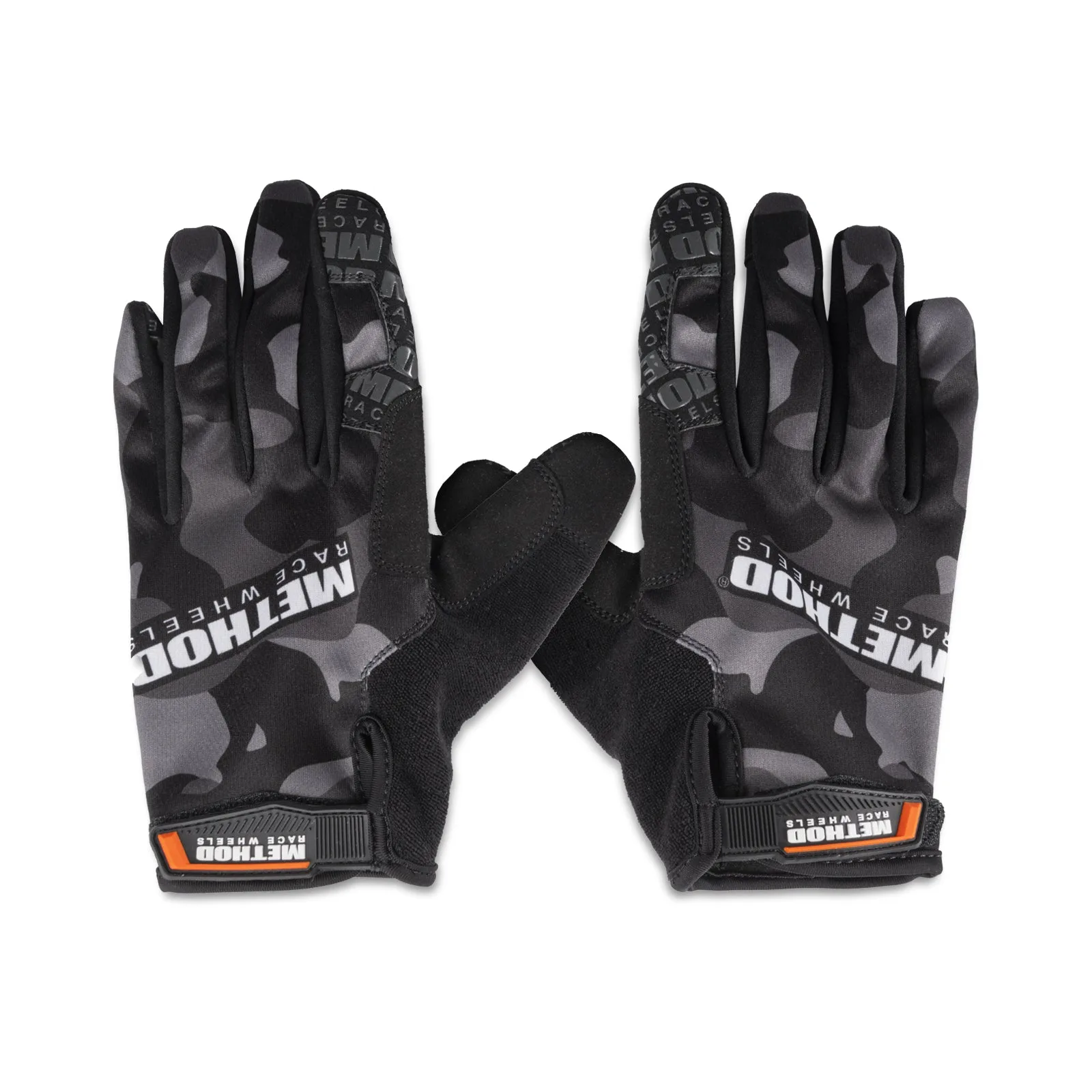
- Method Utility Gloves| Black Camo: The Method Utility Gloves feature a 100% silicone Method palm overlay for grip, a seamless single-piece palm that resists snagging, and a breathable polyester and nylon mesh back with a reinforced saddle between the thumb and forefinger. Mud work means handling wet, slippery wheels and tools; a grippy, snag-resistant glove makes tire changes and beadlock checks easier and safer.
Who This Mud Terrain Wheel Guide Is For
Best for
- Drivers who regularly air down for deep mud and want maximum bead retention
- UTV and truck owners building a dedicated mud or mixed trail rig
- Buyers comparing beadlock, bead grip, and standard wheels for muddy conditions
Not for
- Street-only vehicles that never leave pavement
- Buyers looking for the lightest possible wheel without regard to impact durability
- Owners unwilling to perform periodic beadlock bolt torque checks
Choosing wheels for mud terrain comes down to bead retention, width matched to your tire, and offset that clears your suspension. Decide how low you will air down, pick beadlock or bead grip accordingly, and confirm load ratings before you buy. That order of decisions keeps a mudding wheel setup reliable instead of just aggressive-looking.