Quick answer
For most overlanders, the best wheels for overlanding are a set of Bead Grip wheels with a load rating that exceeds your rig's gross vehicle weight rating (GVWR), in a size that keeps your tire diameter close to stock. If you frequently haul heavy loads or tow, step up to a heavy-duty wheel like the 701-HD. If you want a classic look with a strong load rating and no bead retention, the 305 NV is a solid choice.
Overlanding wheels need to do more than look good. They have to carry your rig's weight plus gear, handle aired-down traction on washboard and rock, and stay true on long highway stretches. This overlanding wheel guide walks through the decisions that actually matter: load rating, bead retention, offset, diameter, and material.
You will not find a single 'best' wheel here, because the right choice depends on your payload, terrain, and tire plans. Instead, use the decision rules and fit guidance below to narrow your options. We will reference specific Method Race Wheels products as examples of how different features play out in the real world.
Start with load rating, not looks
Your wheels must be rated for at least your vehicle's gross vehicle weight rating (GVWR) divided by four, but that is a bare minimum. Overlanding adds constant weight: roof tents, fridge slides, water, fuel, recovery gear, and passengers. A safety margin of 20 to 30 percent above that minimum is a practical target. If you tow a trailer, the tongue weight also counts against your rear axle, so the rear wheels often need the highest rating.
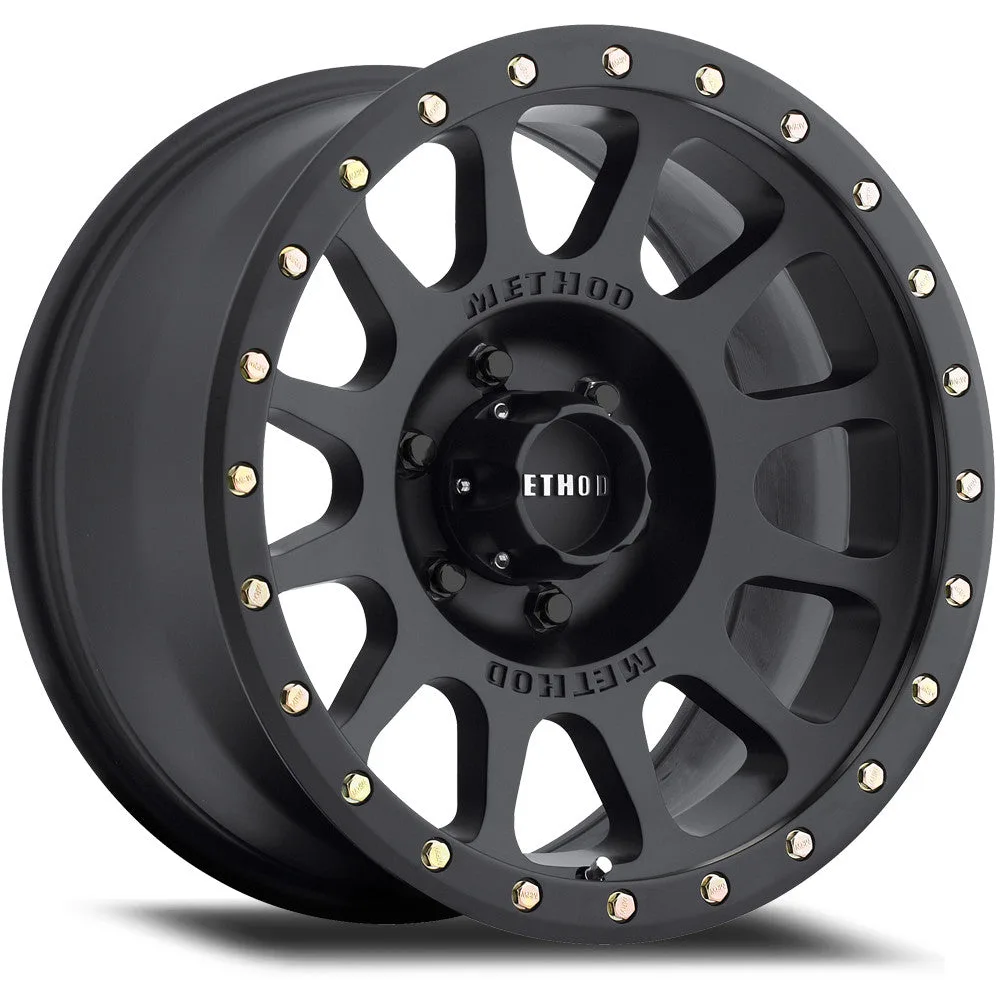
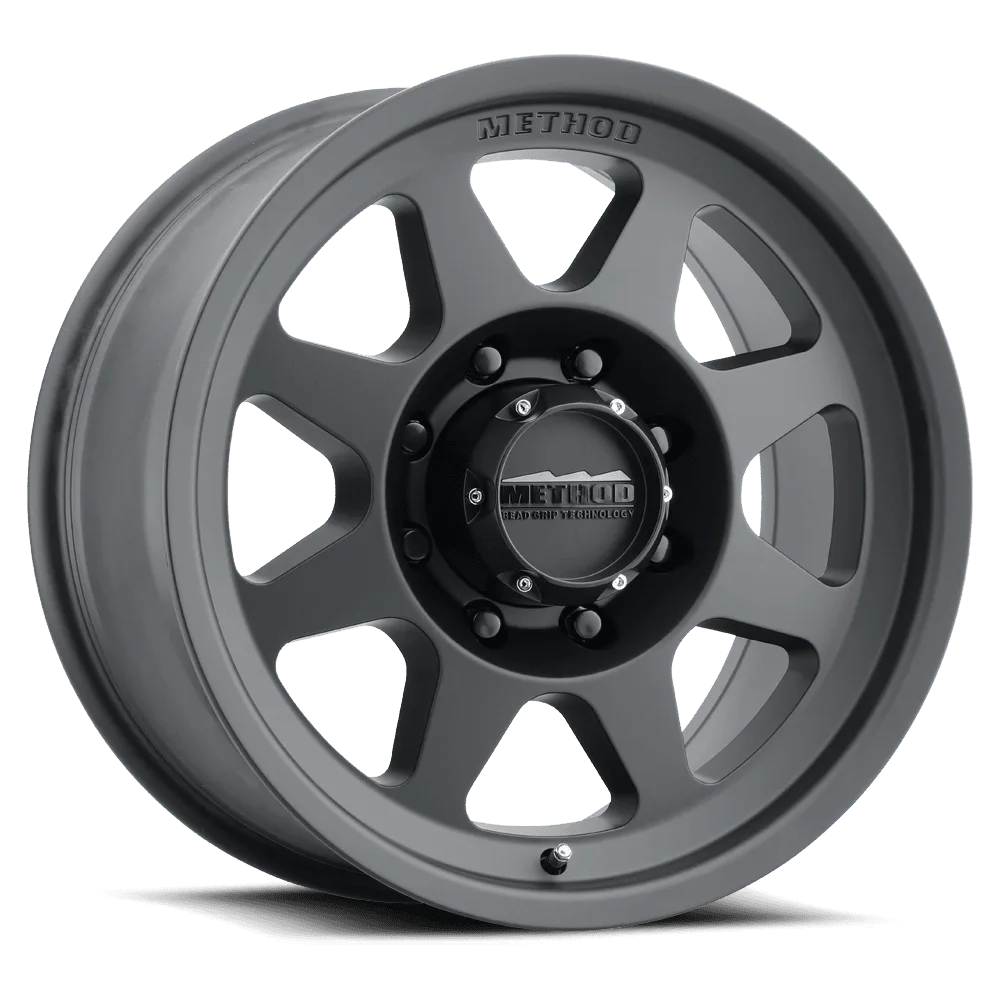
Method Race Wheels publishes load ratings for each wheel. For example, the 305 NV carries a 2,500 to 3,640 lbs. load rating depending on size, with heavy-duty (HD) 4,500 lbs. applications available. The 701-HD is rated at 4,500 lbs. and was designed for overland enthusiasts hauling extra weight. Matching the rating to your actual loaded weight is the first filter.
- Weigh your rig fully loaded at a public scale to get real axle weights.
- Check the wheel's load rating in the specifications before you buy.
Decide between Bead Grip and a traditional wheel
Bead Grip Technology allows you to deflate tires to pressures that previously would have required beadlock wheels to keep tires from debeading. That matters for overlanding because lower pressure increases traction and reduces washboard harshness. If you plan to air down regularly for sand, rock, or long dirt roads, a Bead Grip wheel is a smart upgrade over a standard wheel.
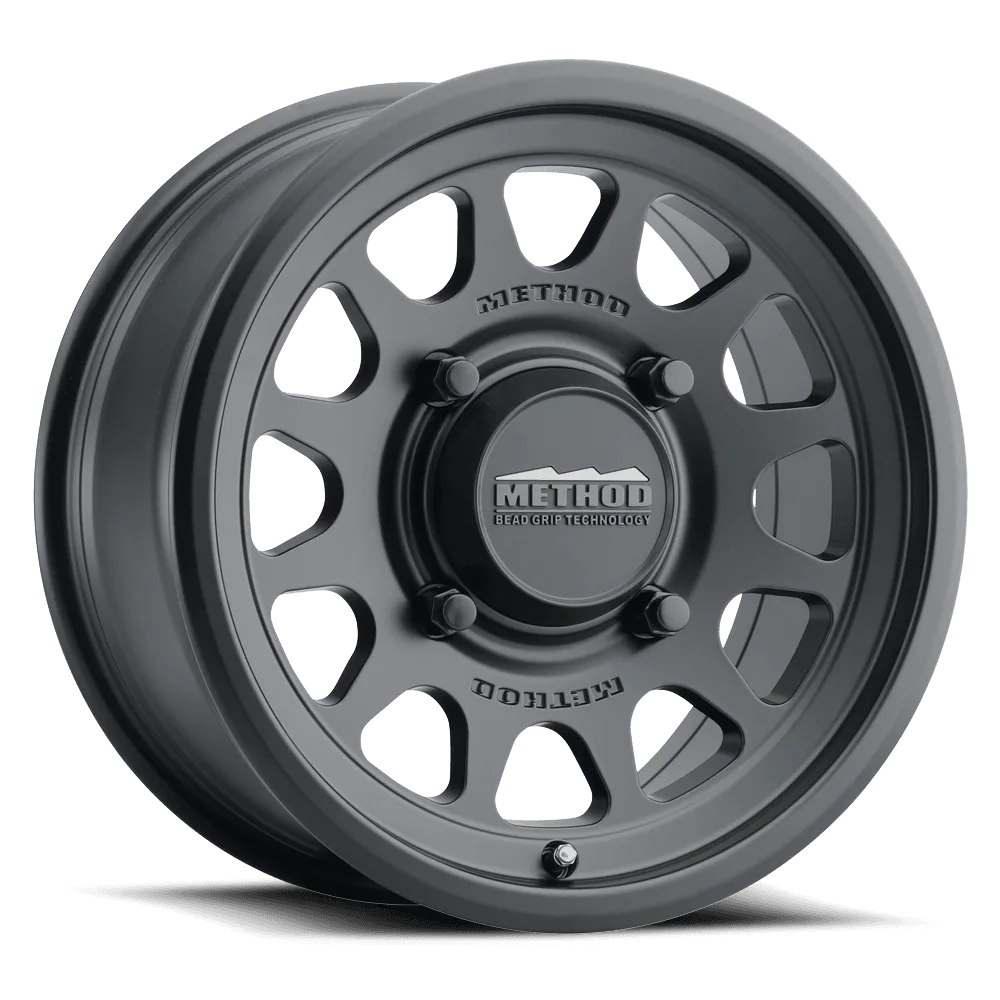
Traditional wheels without bead retention are fine if you rarely air down below 20 psi and mostly stay on graded roads. They are usually lighter and less expensive. The trade-off is confidence: on loose climbs or deep sand, a Bead Grip wheel gives you more margin before a bead slips. The 414 UTV Bead Grip is an example of this technology in a UTV-specific fitment, while the 701-HD brings it to full-size overland trucks.
- Choose Bead Grip if you air down more than a few times per trip.
- Choose a standard wheel if you stay near street pressure and want to save weight.
Match offset to your suspension and tire size
Offset determines how far the wheel and tire sit in or out relative to the hub. Stock offset keeps steering geometry and bearing load close to factory, which is ideal for highway stability and long trips. A more negative offset pushes the wheel outward, widening the track and improving clearance for larger tires, but it also increases scrub radius and can cause rubbing on fenders or inner liners.
If you have a lift and larger tires, a modest negative offset often clears suspension components. Too much negative offset, however, can stress wheel bearings and make the vehicle wander on grooved highways. Method wheels list available offset and spacing options per application, so you can pick a fitment that matches your suspension rather than guessing.
- Measure your current clearance at full steering lock before changing offset.
- Keep offset close to stock if you prioritize highway manners and bearing life.
Pick a diameter that supports your tire plan
Wheel diameter affects tire sidewall height, which in turn affects ride quality and off-road protection. A 17-inch wheel with a taller sidewall is a common overlanding choice because it balances brake clearance with good tire compliance. Larger wheels with low-profile tires look aggressive but offer less sidewall protection when you air down on rocky terrain.
Stick with a diameter that lets you run the tire size you actually need. If you already own a set of tires, match the wheel diameter to them. If you are buying both, start with the tire size that suits your terrain and then choose a wheel diameter that supports it. The 802 Raised, for example, is available in multiple sizes and bolt patterns, so you can match it to your tire and hub.
- More sidewall generally means better off-road compliance and rim protection.
- Verify brake caliper clearance before committing to a smaller diameter.
Consider material and maintenance
Aluminum wheels are lighter than steel, resist corrosion better in most conditions, and can be repaired in some cases. Steel wheels are heavier but can be field-repaired with a hammer. For overlanding, where fuel economy and unsprung weight matter over long distances, aluminum is usually the better choice. The trade-off is cost and the need to inspect for cracks after severe impacts.
Finish also matters. Matte black and machined clear coat finishes hide dust and brake grime differently. A machined clear coat shows scratches less than a polished finish but can still chip. No finish is indestructible, so plan to clean and inspect your wheels after muddy or salty trips. The 305 NV in Titanium with a matte black lip is an example of a finish that balances appearance and easy care.
- Aluminum saves weight and resists corrosion; steel is easier to field-repair.
- Inspect for cracks or bends after any hard impact, regardless of material.
Decision rules for choosing overlanding wheels
- If you haul heavy or tow: Choose a wheel with a load rating of at least 4,500 lbs. per wheel, such as the 701-HD, and verify the rating for your specific size and bolt pattern. Checkpoint: your loaded rear axle weight should be well under the wheel's rating.
- If you air down regularly: Prioritize Bead Grip Technology over a standard wheel so you can run lower pressures without debeading. Verdict: Bead Grip is worth the cost if you spend time in sand, rock, or washboard.
- If you mostly stay on pavement and graded roads: A standard wheel like the 305 NV with a 2,500 to 3,640 lbs. load rating is sufficient and often lighter and less expensive. Next step: confirm your tire size and offset fitment before ordering.
- If you drive a UTV or side-by-side: Look for UTV-specific fitments like the 414 UTV Bead Grip, which offers multiple offsets and sizes for trail to sand dune use. Checkpoint: match bolt pattern and offset to your machine's suspension.
Product facts to know
- 701-HD | Matte Black: The 701-HD Bead Grip wheel was designed for overland enthusiasts hauling extra weight, with a load rating of 4,500 lbs. and Bead Grip Technology that allows deflation to pressures that previously required beadlock wheels. This is the strongest bead-retention option here for heavy overland builds, so you can air down for traction without losing the bead.
- 305 | Matte Black: The 305 NV features a 12-window design with a debossed Method logo, a lip undercut that simulates a true beadlock, replaceable lip bolts, and a 2,500 to 3,640 lbs. load rating with HD 4,500 lbs. applications available. A classic-looking standard wheel with a strong load rating for its class, but it does not offer Bead Grip retention, so it suits overlanders who rarely air down below 20 psi.
- 414 | UTV Bead Grip® | Matte Black: The 414 UTV Bead Grip wheel draws inspiration from the classic 401 UTV and adds patented Bead Grip Technology for strength and confidence in all types of riding, with numerous offsets and sizes for trail riding to sand dunes. If your overland rig is a side-by-side, this gives you bead retention in a UTV-specific fitment, so you can match offset to your suspension and tire size.
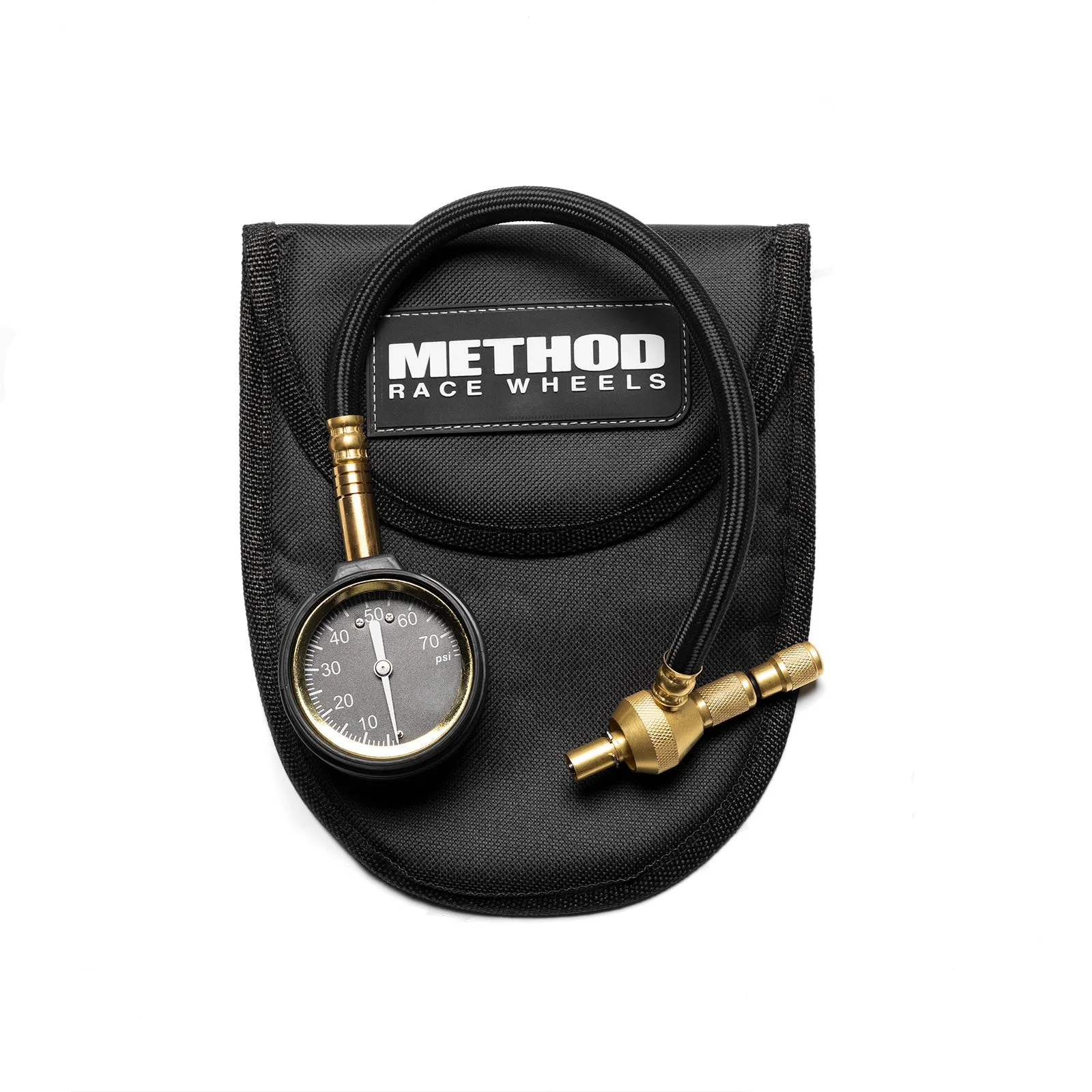
- Air Deflator Gauge: The Method air deflator gauge allows you to quickly and accurately lower tire pressure to the appropriate level for whatever terrain you plan to take on. Airing down is only useful if you can do it accurately and repeatably; this tool makes that easy without guessing.
Fit guidance: who should buy which wheel
Best for
- Overlanders with heavy payloads or towing needs who require a 4,500 lbs. load rating and bead retention
- Drivers who frequently air down for sand, rock, or long dirt roads and want Bead Grip confidence
- UTV owners who need a bead-retention wheel in a specific offset and size
Not for
- Budget-focused buyers who never air down and only need a strong street wheel
- Owners of vehicles with brake calipers that require a specific diameter not offered in the chosen model
- Anyone who has not verified bolt pattern and offset against their vehicle
Choosing wheels for overlanding comes down to load rating, bead retention, offset, and diameter. Start with your loaded weight and terrain, then pick a wheel that gives you margin. Method Race Wheels offers options from the heavy-duty 701-HD to the classic 305 NV, so you can match the wheel to your actual overland travel needs rather than a one-size-fits-all recommendation.