Quick answer
Focus on breathable weather protection, a trim but mobile fit, and features that support active hiking. A hoody like the BORNBERG HOODY W balances wind resistance and ventilation for cool mornings and changing conditions.
Why a softshell hoody over a hardshell or fleece
A softshell hoody sits between a fleece and a waterproof hardshell. It blocks wind and light rain while breathing better than a hardshell, so you stay drier from sweat. It also layers easily under a rain shell if the weather turns. The trade-off is that it won't keep you dry in a downpour, so check the forecast before heading out.
What to look for in a women's hiking hoody
Fit is the first thing. A hiking hoody should be close-fitting enough to layer under a shell but not so tight that it restricts movement. Look for articulated sleeves or a shaped hem. Next, fabric matters. A ripstop softshell adds durability against brush and pack straps. Finally, check the hood. A fixed hood that stays put when you turn your head is better than a stowable one that flaps around.
How to choose your women's softshell hoody
- Step 1: Define your primary use: Decide if you'll wear the hoody mostly for cool-weather day hikes, as a mid-layer under a shell, or for high-output activities like trail running. For general hiking, a breathable wind-resistant hoody works best. Common mistake: buying a heavy softshell that's too warm for active use.
- Step 2: Check the fit and mobility: Try the hoody with a thin base layer underneath. Raise your arms and twist your torso. The hem should stay put, and the sleeves shouldn't ride up. Look for articulated elbows or a stretch panel. Common mistake: choosing a size that feels comfortable standing still but limits movement on the trail. A good test: zip the hoody up and reach for a simulated hiking pole motion. If the hem lifts above your hip, the fit is too short.
- Step 3: Evaluate the hood and hem features: A fixed hood that moves with your head is better than a stowable one that can catch wind. An adjustable hem lets you lock out drafts. Check that the hood fits over a thin beanie but not so loose that it flops. Common mistake: ignoring the hood fit, then fighting it all day on a windy ridge.
- Step 4: Consider layering compatibility: If you plan to wear the hoody under a rain shell, choose a trim cut without bulky pockets. If it's your outer layer, a slightly looser fit with a chest pocket is fine. Common mistake: buying a hoody that's too bulky to layer under a hardshell when the weather turns.
Product highlights
-
BORNBERG HOODY W: Made from TEXASHIELD PRO SOFTSHELL RIPSTOP, providing protection from wind and light precipitation while breathing well when you work up a sweat. This means you can wear it all day on a cool hike without overheating or feeling clammy, and the durable fabric resists snags from branches and backpack straps.
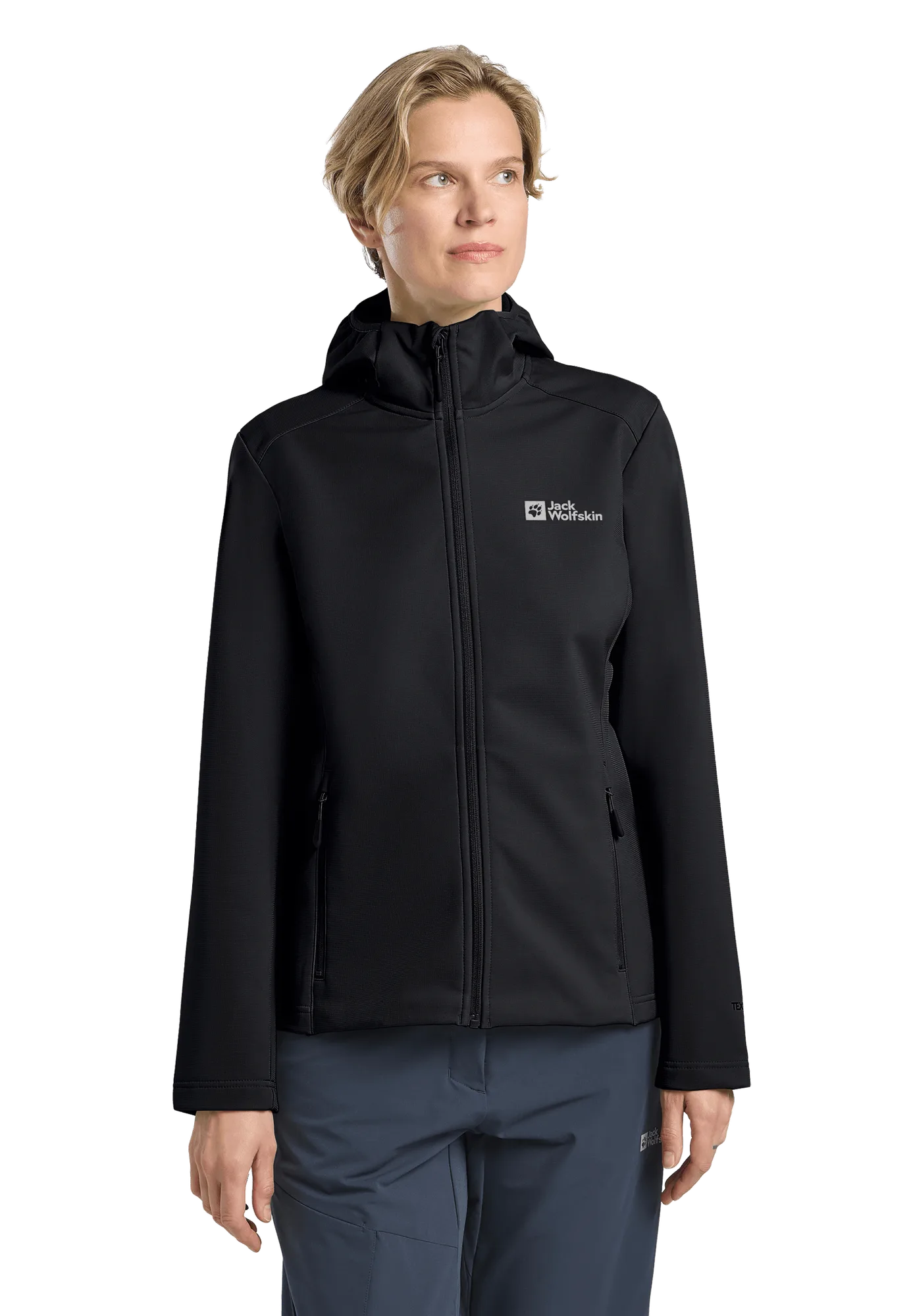
BORNBERG HOODY W