When you're setting up a WWII reenactment camp, the tent or shelter you choose is more than just a place to sleep. It's a centerpiece of your impression, a piece of history, and a practical tool for surviving the elements. Whether you're portraying a US infantryman, a German grenadier, or a paratrooper, your shelter gear must balance authenticity with functionality.
This guide will walk you through the key considerations for selecting the right WWII tent and shelter gear for your reenactments. From shelter halves to complete tents, we'll cover materials, period-correct designs, and how to match your shelter to your impression. We'll also highlight some top products from atthefront that can help you build an authentic field camp.
Understanding Shelter Halves vs. Full Tents
In WWII, most infantry soldiers carried a shelter half, a waterproof canvas panel that could be buttoned together with another soldier's half to form a two-man tent. This system was lightweight and versatile, allowing troops to quickly set up a covered sleeping area. For reenactors, shelter halves are a great way to keep your loadout authentic and your pack light.
Full tents, on the other hand, were used for larger groups or as command posts. They offer more space and comfort but are heavier and harder to transport. If you're portraying a unit that used pup tents or squad tents, a shelter half setup is often the most accurate choice. For German impressions, the Zeltbahn (triangular shelter quarter) served a similar purpose and could be combined to create larger structures.
- Shelter halves are ideal for individual or two-man impressions and are easier to pack.
- Full tents suit larger group camps or command post scenarios but require more setup time.
Key Materials and Construction for Authenticity
Authenticity starts with materials. Original WWII shelter halves were made from heavy cotton duck canvas, often treated with waterproofing compounds. Modern reproductions should use similar materials to look and feel correct. Look for olive drab or field gray canvas with proper stitching and grommets. Avoid nylon or polyester, which are not period-correct.
For US gear, the M1942 pattern shelter half is the most common and accurate for late-war impressions. German Zeltbahnen were typically made from water-repellent cotton with a distinctive triangular shape and multiple grommets for versatile setup. Pay attention to details like button types and reinforcement patches to ensure your gear matches the era.
- Canvas weight: 8-10 oz for shelter halves is typical; heavier canvas is more durable but heavier to carry.
- Check for correct grommet placement and button types (e.g., dished metal buttons on US gear).
Matching Your Shelter to Your Impression
Your shelter gear should reflect the specific unit and time period you're portraying. For a US Army infantry impression in the European Theater, a standard shelter half with a simple ridgepole setup is accurate. Paratroopers used similar gear but often carried lighter versions. For a USMC impression, look for the earlier pattern shelter half with different button arrangements.
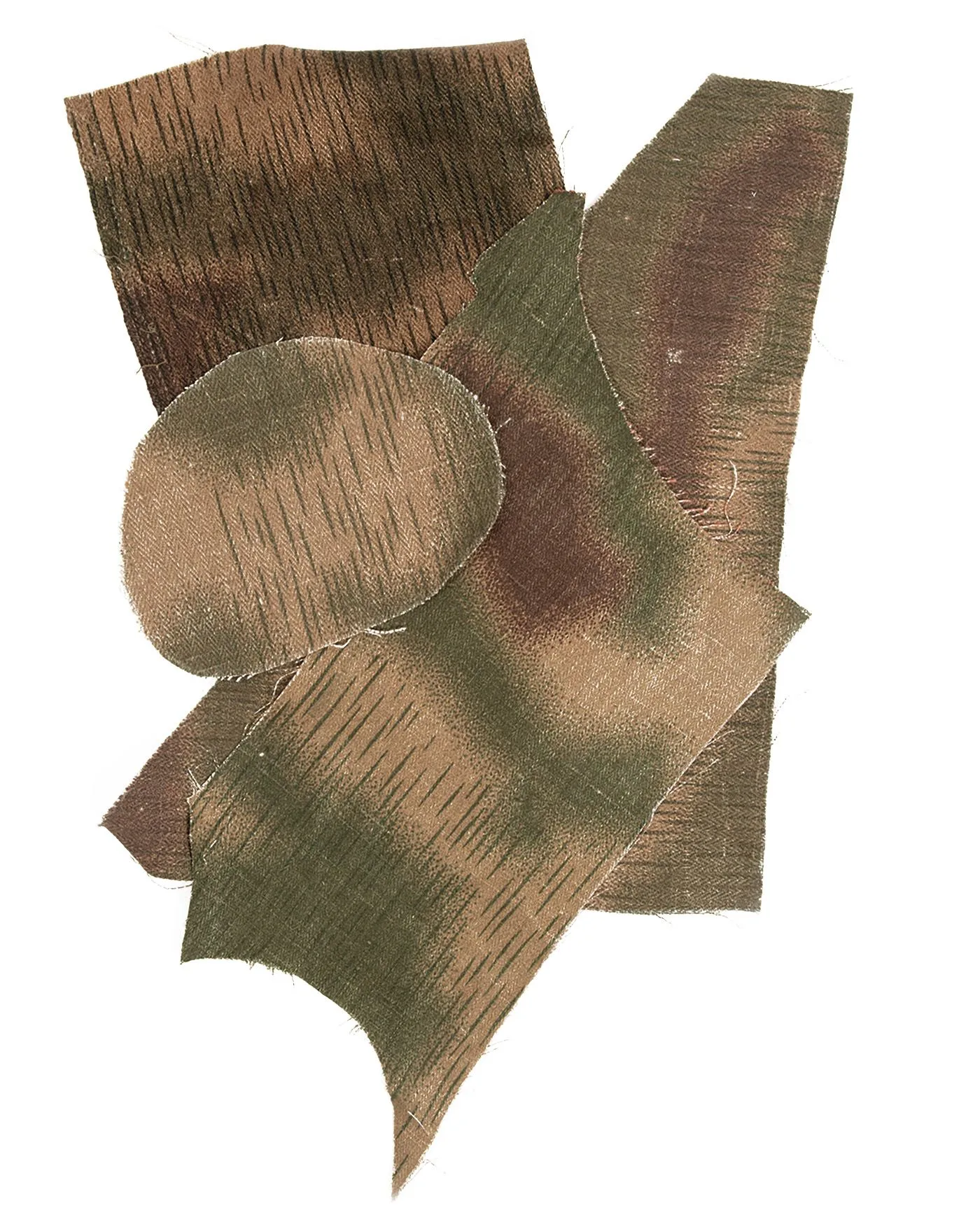
German reenactors should consider the Zeltbahn, which was issued to all branches. It can be used as a poncho, groundsheet, or combined with others to form tents of various sizes. The https://wildernessworks.shop/products/original-marsh-camo-scrap-fabric-bag-99221Original Marsh Camo Scrap Fabric Bag is a great addition for carrying your shelter gear, offering both authenticity and practicality. For US impressions, the https://wildernessworks.shop/products/usmc-cartridge-belt-usa-made-99178USMC Cartridge Belt, USA Made can help complete your loadout while keeping your shelter half secure.
- US Army: M1942 shelter half in olive drab, typically paired with a pole and stakes.
- German: Zeltbahn in splinter or oakleaf pattern, often used with a central pole.
- Paratrooper: Look for lighter canvas options or specialized shelter halves.
Practical Tips for Setting Up Your Camp
Once you've chosen your shelter, practice setting it up before the event. Knowing how to properly pitch your tent using period-correct techniques will save time and frustration. Use wooden or metal stakes that match originals, and avoid modern tent pegs. A simple ridgepole can be cut from a branch on-site if you don't want to carry one.
Consider adding a groundcloth to protect your shelter from moisture and dirt. The Standard M1942 Paratrooper Trousers are a great example of period clothing that pairs well with a field camp setup, but for shelter accessories, look for canvas bags or pouches to store your stakes and poles. Keeping your gear organized ensures a more authentic and enjoyable experience.
- Bring extra rope or cord for guylines; use natural hemp or cotton for authenticity.
- Test your tent's waterproofing before the event; reapply wax or spray if needed.
Caring for Your Shelter Gear
Canvas shelter gear requires regular maintenance to stay functional and authentic. After each event, let your tent dry completely before storing to prevent mold and mildew. Brush off dirt and debris, and spot-clean with mild soap if necessary. Avoid machine washing, which can damage the waterproof coating and fabric.
Store your shelter half in a breathable cotton bag rather than plastic. The Medic Equipment Package, Made in USA includes a canvas bag that works well for this purpose. Periodically check for frayed seams or loose grommets and repair them promptly. With proper care, your shelter gear can last for many reenactments.
- Use a wax-based waterproofing treatment for canvas; avoid silicone sprays.
- Store in a cool, dry place away from direct sunlight to prevent fading and rot.
Choosing the right WWII tent and shelter gear for reenactments is about balancing authenticity, practicality, and durability. Whether you opt for a US shelter half or a German Zeltbahn, paying attention to materials, construction, and period-correct details will elevate your impression. Explore atthefront's selection of canvas shelter gear, including the Original Marsh Camo Scrap Fabric Bag, to find pieces that fit your loadout and help you build a camp that truly feels like 1944.