Quick answer
For night practice, choose a mat with excellent grip to prevent slipping in low light, adequate thickness for comfort on hard floors, and a visible color or subtle texture to help you align poses without straining your eyes.
Why night practice needs a different mat
Evening yoga often focuses on relaxation, slow flows, or restorative poses. Dim lighting can make it harder to see your mat's edges or alignment markers. A mat that stays put and feels supportive lets you concentrate on your breath and movement rather than readjusting.
Sweat may still occur during a warm-up or more active evening sequence, so grip remains important even if the practice is slower. A mat that becomes slippery when damp can break your focus and increase the risk of strain.
Key features to look for
Grip: Look for a mat that provides reliable traction even when your palms or feet perspire. Materials like polyurethane (PU) or natural rubber offer superior grip compared to basic PVC.
Thickness: A thicker mat (5-6 mm) cushions joints during seated poses and gentle stretches common in evening practice. Thinner mats (3-4 mm) provide more stability for balancing poses but less padding.
Visibility: Choose a mat with a light or vibrant color that contrasts with the floor so you can easily see its boundaries in dim light. Avoid very dark mats that blend into shadows.
Texture: Subtle surface texture can help you feel the mat's position under your hands and feet without looking, aiding alignment in low-light conditions.
Decision rules for choosing your night practice mat
- Grip priority: If you sweat during evening practice or do active sequences before winding down, choose a mat with a PU or natural rubber top layer. These materials provide strong traction that doesn't diminish with moisture.
- Thickness choice: For restorative or yin yoga sessions that involve long holds on the floor, select a mat that is at least 5 mm thick to cushion your knees, hips, and spine. If your practice is mostly standing poses, 3-4 mm offers better stability.
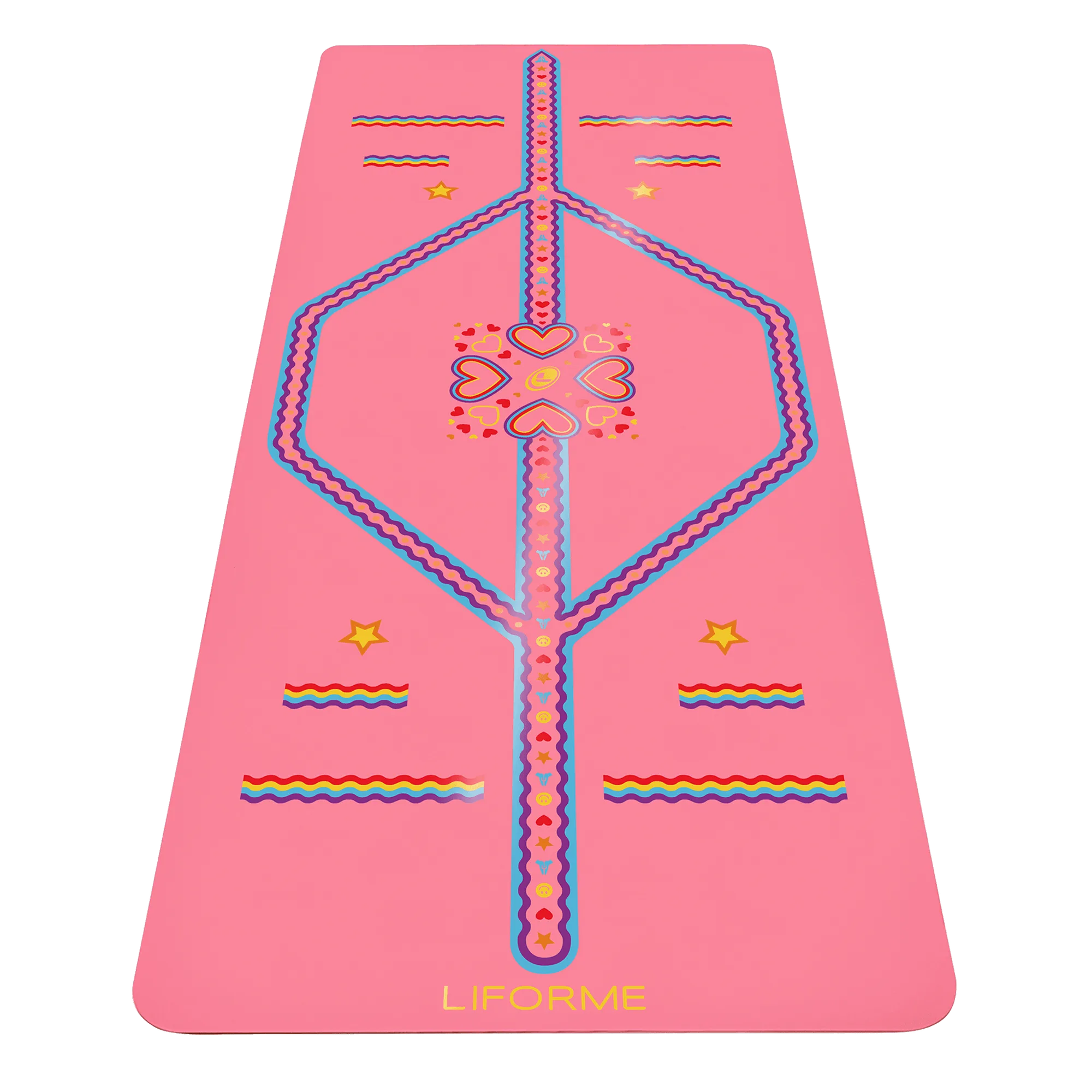
- Low-light visibility: Pick a mat in a light or bright shade (such as light gray, pale blue, or soft pink) so you can see its edges in dim light. Avoid black or very dark mats that disappear in shadow. Test your mat in the same lighting you'll use for practice to confirm you can see its boundaries.
- Texture feedback: Look for a mat with a subtle surface texture or embossed pattern. This tactile feedback helps you feel where your hands and feet are without needing to look, improving alignment in low light.
Product spotlight
-
Sanctuary by Night PUre Couture Yoga Mat: This mat was developed over 26 months to address slipping during sweaty practice, according to the founder. For night practice, that anti-slip design means you can hold poses confidently without adjusting your mat, even if you warm up enough to break a light sweat.
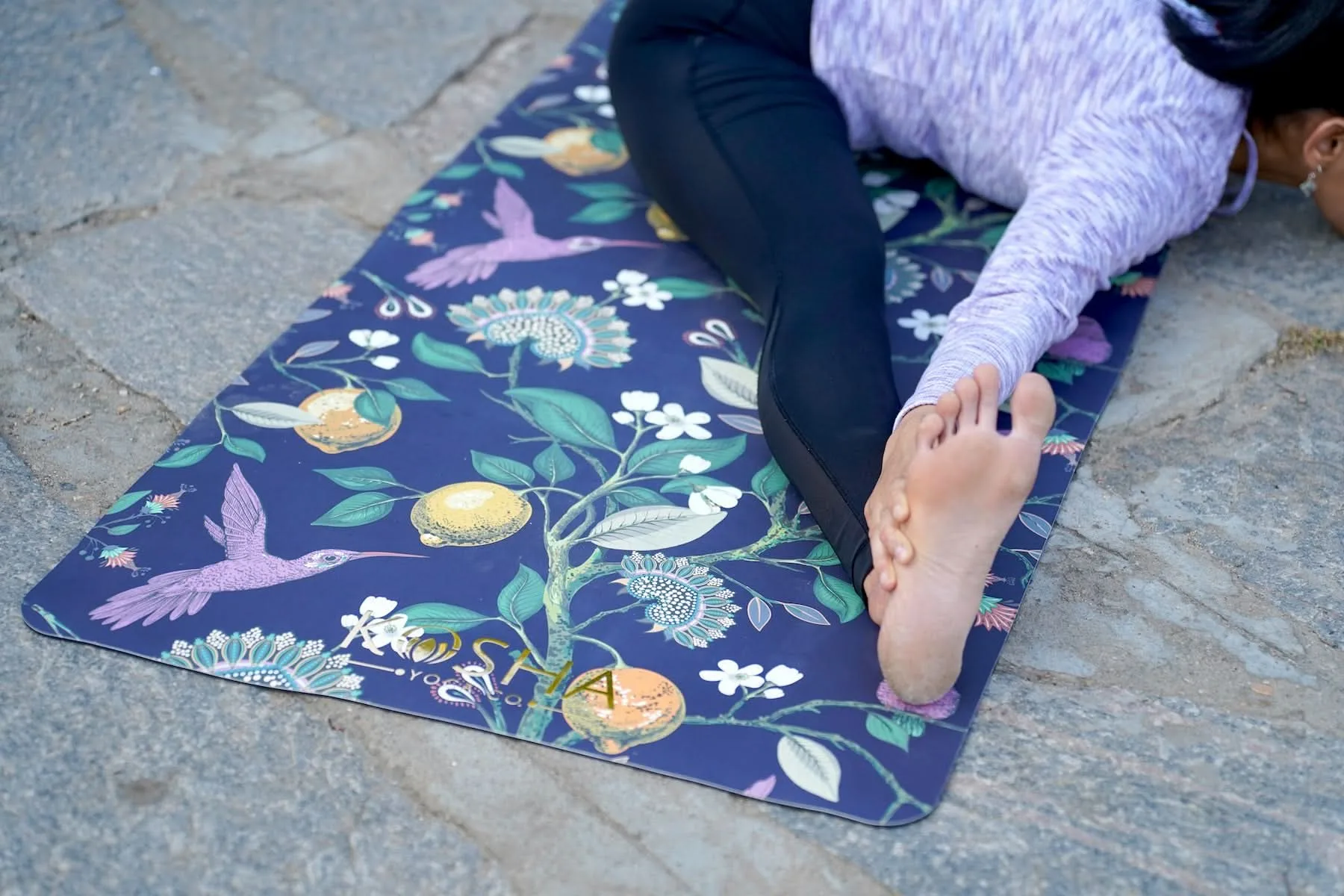
Sanctuary by Night PUre Couture Yoga Mat
Who this guide is for
Best for
- People who practice yoga in the evening or at night
- Anyone who wants a mat that supports relaxation-focused or slow-flow sessions
- Practitioners who need reliable grip in low-light conditions
Not ideal for
- Those who practice exclusively in bright, well-lit studios (visibility features may be unnecessary)
- Athletes doing high-intensity hot yoga where extreme sweat management is the top priority