Quick answer
Start with a glove that fits snugly at the fingertips and wrist without pinching, then match padding and knuckle protection to how hard your child rides. For gravity-focused young riders, the Youth Cross-X 2.0 Gloves combine TPU and neoprene knuckle padding with a reinforced palm.
Why fit matters more than features for young riders
A glove that slips or bunches at the palm forces a child to grip harder, which tires hands and reduces control. Loose fingertips can catch on brake levers, while a tight wrist strap restricts movement. Check fit before comparing padding or materials, because even the most protective glove is a liability if it shifts on the bars.
Youth hands grow quickly, so avoid buying a size up unless the glove has a secure wrist closure that can take up the slack. A glove that is too long in the fingers will wear out at the tips and feel vague on the brake lever.
Match palm padding and knuckle protection to riding style
Padded palms absorb trail chatter and reduce fatigue on longer rides, but too much bulk can dull the feel of the bar and brake lever for a small hand. For young riders learning technical skills, a thinner palm often gives better control. Knuckle and ball-joint padding matters most for downhill, bike park, and jump lines where impacts are more likely.
If your child rides a mix of smooth paths and mild trails, a lightly padded glove is usually enough. If they are progressing toward gravity riding, prioritize knuckle coverage and a reinforced palm, and accept that the glove will feel stiffer at first.
Check the closure and cuff before you commit
A secure wrist closure keeps the glove in place during crashes and rough terrain. Look for an adjustable strap that tightens without digging in, and make sure the cuff does not interfere with a long-sleeve jersey or elbow pads. Slip-on cuffs are simpler for younger kids to manage independently, while adjustable straps offer a more precise fit for growing hands.
Decision rules for choosing youth bike gloves
- Measure the hand, then check the size chart: Measure around the palm at the widest point and compare to the glove's size chart. If your child falls between sizes, choose the smaller size for a secure grip, unless the glove has an adjustable wrist strap that can accommodate growth.
- Test the fit with a fist and a brake lever: Have your child make a fist and squeeze a brake lever while wearing the glove. The fingertips should not press hard against the ends, and the palm should not bunch. If the glove twists easily when you try to rotate it on the hand, it is too loose. A glove that passes this test is less likely to slip during a ride.
- Choose padding based on the hardest riding they do regularly: For smooth paths and mild trails, a lightly padded palm is enough. For downhill, bike park, or jump lines, prioritize knuckle and ball-joint padding plus a reinforced palm. Do not add heavy padding for a child who mostly rides flat paths, as it can reduce bar feel.
- Prioritize adjustable closure for growing hands: An adjustable wrist strap lets you tighten the glove as your child grows or as layers change. If you choose a slip-on cuff, make sure the fit is snug enough that the glove cannot be pulled off easily.
Product facts
-
Youth Cross-X 2.0 Gloves: Updated with TPU and neoprene knuckle and ball-joint padding. This shields the most vulnerable areas of a young rider's hand during falls and impacts.
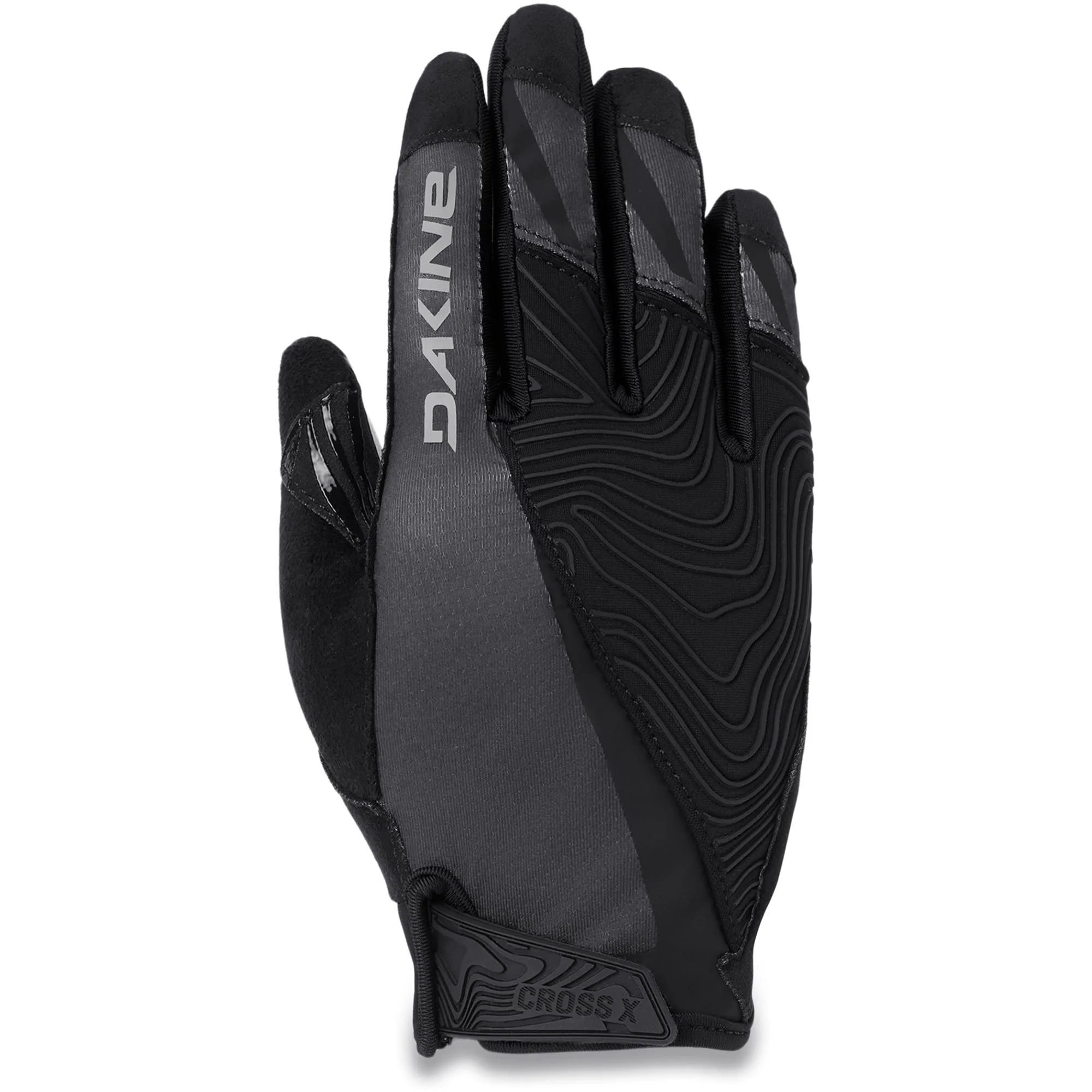
Youth Cross-X 2.0 Gloves
-
Youth Cross-X 2.0 Gloves: Features a reinforced palm panel. A reinforced palm adds durability and grip where hands contact the bar and brake levers.
Who these gloves suit
Best for
- Young riders progressing toward gravity, bike park, or jump lines who need knuckle and palm protection
- Parents who want a durable glove that can handle frequent crashes and rough terrain
Not for
- Toddlers or very young children who need slip-on gloves without adjustable closures
- Riders who prefer minimal padding for maximum bar feel on smooth paths